
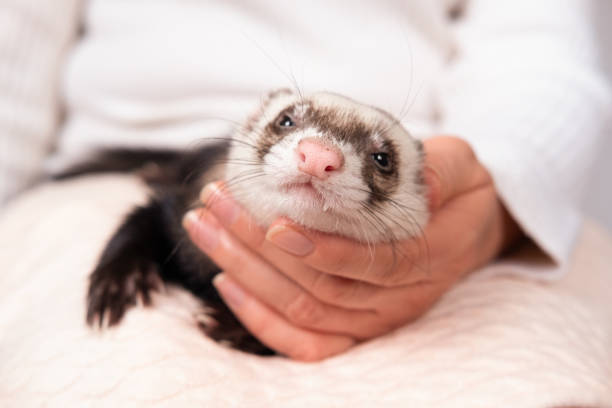
Mast cell tumors in ferrets are malignant neoplasms that originate from mast cells—white blood cells responsible for immune responses and inflammation. These tumors are rare in ferrets compared to other mammals like dogs, but they remain one of the most aggressive feline-like cancers in this species. Ferrets with MCTs often experience complications due to the release of inflammatory mediators (e.g., histamine) from the tumor cells, which can lead to systemic symptoms such as anaphylaxis, gastrointestinal ulcers, and bleeding disorders.
Why Ferrets Are Predisposed
Ferrets have a unique evolutionary history and physiology. As semi-domesticated animals, their cancer rates can be influenced by genetic mutations and environmental stressors. While the exact reasons for ferrets’ susceptibility to MCTs are not fully understood, factors such as their rapid tumor growth and immunological profile make them a critical species for studying mast cell carcinomas.
2. Causes and Risk Factors
Mast cell tumors in ferrets arise from a complex interplay of genetic, environmental, and immune-related factors.
2.1 Genetic Mutations
Studies suggest that mutations in genes regulating mast cell proliferation (e.g., KIT or PDGFRA genes) may contribute to tumor formation. Ferrets with a family history of MCTs may have a higher risk, though this has not been definitively proven.
2.2 Environmental Triggers
- Exposure to Toxins: Pesticides, secondhand smoke, or household chemicals may increase the risk.
- Dietary Factors: Diets high in processed foods or low in antioxidants (e.g., vitamin E, C) might reduce the body’s ability to combat oxidative stress, potentially contributing to tumor development.
- Chronic Inflammation: Persistent inflammation (e.g., from allergies or parasitic infections) may lead to mast cell hyperplasia and subsequent transformation into tumors.
2.3 Immune System Dysfunction
Ferrets with compromised immune systems (e.g., due to stress or underlying diseases) may be more susceptible to MCTs.
3. Signs and Symptoms of Mast Cell Tumors in Ferrets
Diagnosing MCTs in ferrets can be challenging because symptoms often overlap with other conditions. Symptoms are generally categorized as localized or systemic.
3.1 Localized Symptoms
- Skin Lesions: Bumps or nodules under the skin, often ulcerated or fluid-filled.
- Swelling/Itching: Tumors may cause localized swelling (angioedema) or intense itching at the lesion site.
- Bleeding: Ulceration of tumors can lead to spontaneous bleeding or bruising.
3.2 Systemic Symptoms
- Anaphylaxis: Sudden collapse, difficulty breathing, pale gums, and hypotension due to histamine release.
- Gastrointestinal (GI) Ulcers: Dark, tarry feces (melena) or vomiting from ulcers caused by histamine-induced gastritis.
- Bleeding Disorders: Excessive bruising, nosebleeds, or blood in urine/stool.
- Anemia: Pale mucous membranes and lethargy due to chronic blood loss or anemia of chronic disease.
- Weight Loss and Poor Appetite: Systemic inflammation and metabolic changes may lead to cachexia.
3.3 Clinical Staging
- Stage I: Localized tumor confined to one site.
- Stage II: Tumor has spread to nearby lymph nodes or organs.
- Stage III: Metastasis (spread to distant organs, e.g., lungs, liver).
4. Diagnosis of Mast Cell Tumors in Ferrets
Accurate diagnosis is crucial for determining treatment options and prognosis.
4.1 Physical Examination
A vet will first perform a thorough physical exam, palpating for skin lumps, checking for anemia, and assessing lymph nodes.
4.2 Diagnostic Tests
- Fine-Needle Aspirate (FNA): A small needle is used to extract cells from the mass for cytological examination.
- Histopathology: Biopsy of the lesion under anesthesia provides definitive diagnosis and grading.
- Immunohistochemistry: Tests for markers like CD117 (c-Kit) to confirm mast cell origin.
- Blood Tests: A complete blood count (CBC) and biochemistry profile assess systemic effects (e.g., anemia, organ damage).
- Imaging: Ultrasound, X-rays, or MRI/CT scans to check for metastasis.
4.3 Grading and Classification
- Grade I (Low Grade): Well-differentiated cells with a lower risk of metastasis.
- Grade II (Intermediate): Moderate differentiation and potential for recurrence.
- Grade III (High Grade): Poorly differentiated, aggressive, with a high risk of spread.
5. Treatment Options for Ferrets with Mast Cell Tumors
Treatment strategies depend on the tumor’s grade, stage, and the ferret’s overall health.
5.1 Surgical Excision
- Primary Treatment for Grade I Tumors: Wide excision with margins to remove the entire mass.
- Challenges: Ferrets may have limited surgical options due to tumor location or comorbidities.
5.2 Radiation Therapy
- For Inoperable Tumors: Radiation can shrink tumors and alleviate symptoms.
5.3 Chemotherapy
- Options: Tyrosine kinase inhibitors (e.g., toceranib phosphate) or steroids (e.g., prednisone) may control aggressive tumors.
- Limitations: Ferrets often do not tolerate chemotherapy as well as dogs, and side effects (e.g., immunosuppression) are a concern.
5.4 Symptomatic and Supportive Care
- Antihistamines: Reduce histamine-related symptoms (e.g., diphenhydramine).
- Antacids: For GI ulcers (e.g., famotidine, omeprazole).
- Blood Transfusions: Address anemia in advanced cases.
6. Prognosis and Complications
The prognosis for ferrets with MCTs varies widely depending on tumor grade, treatment success, and response to therapy.
6.1 Prognosis by Grade
- Grade I: 12–18 months of survival with surgery.
- Grade II: 6–12 months with combined therapy.
- Grade III: 2–4 months with aggressive treatment.
6.2 Common Complications
- Recurrence: Up to 30% recurrence rate within 6 months post-surgery.
- Anaphylaxis: Sudden death or respiratory failure due to histamine release.
- Metastasis: Tumor spread to the liver, spleen, or lungs occurs in 20–40% of cases.
7. Prevention Strategies
While MCTs cannot always be prevented, the following measures may reduce risk:
7.1 Environmental Management
- Avoid Toxins: Minimize exposure to pesticides, tobacco smoke, and household cleaners.
- Spay/Neuter: Hormonal influences may play a role in tumor development.
7.2 Regular Veterinary Check-ups
Early detection through routine exams and diagnostics is critical.
7.3 Nutritional Support
A balanced diet rich in antioxidants may support immune function.
8. Diet and Nutrition for Ferrets with Mast Cell Tumors
Proper nutrition is essential for managing MCTs and supporting overall health.
8.1 Recommended Diet
- High-Quality Protein: Ferrets are obligate carnivores; feed wet food with at least 30% animal protein.
- Antioxidants: Foods rich in vitamin E (e.g., sunflower seeds), vitamin C (e.g., citrus fruits), and omega-3 fatty acids (e.g., fish oil) may aid in reducing inflammation.
8.2 Foods to Avoid
- Processed Foods: Avoid dry kibble with fillers (e.g., corn, soy).
- Allergens: Eliminate potential irritants (e.g., artificial colors, certain proteins).
8.3 Hydration
Ensure access to fresh water to support kidney function and GI health.
9. Zoonotic Risk and Owner Safety
Mast cell tumors in ferrets are not known to be zoonotic, meaning they do not transmit to humans. However, ferrets can carry common zoonotic pathogens (e.g., Salmonella), so basic hygiene precautions should be followed:
- Wash hands after handling the ferret.
- Avoid contact with tumors or bodily fluids until cleared by a vet.
10. Conclusion
Mast cell tumors in ferrets are a complex and potentially fatal condition requiring a multi-faceted approach. Early detection, accurate diagnosis, and tailored treatment are vital for improving survival rates. While the prognosis remains guarded, advances in veterinary oncology and supportive care offer hope for affected ferrets. Owners must remain vigilant, providing a safe environment, nutritious diet, and regular veterinary care to ensure the best possible quality of life.
#FerretHealth, #PetCancerAwareness, #MastCellTumor, #FerretCare, #ExoticPetDiseases, #AnimalCancer, #FerretTumorTreatment, #PetOncology, #FerretDisease, #PetHealthTips, #AnaphylaxisInFerrets, #FerretNutrition, #FerretTumorDiagnosis, #ExoticPetHealth, #FerretTumorPrognosis, #FerretCancerSupport, #PetCancerFacts, #FerretOwnerGuide, #PetDiseasePrevention, #FerretTumorStage



Add comment