
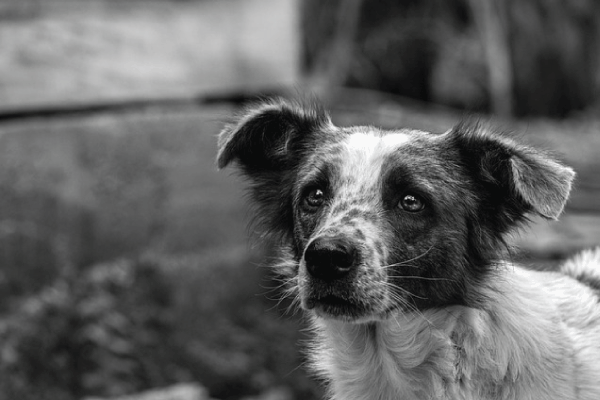
1. Introduction – Why Abdominal Distension Matters
Abdominal distension, commonly described as “swelling of the belly,” is one of the most alarming visual cues owners notice in their dogs. While a slight rise in belly size can be benign (e.g., after a hearty meal or mild weight gain), pronounced, rapid, or persistent distension often signals a serious underlying pathology.
- Prevalence: Studies from veterinary teaching hospitals show that 5–10 % of all canine emergency presentations involve some form of abdominal enlargement.
- Impact: Untreated underlying disease can lead to systemic shock, organ failure, and death within hours to days, depending on the cause.
- Goal of this guide: To equip veterinarians, veterinary students, and dog owners with a detailed understanding of the why, how, and what next when faced with a swollen abdomen.
2. Anatomy & Physiology Refresher
A solid grasp of the canine abdominal cavity helps clinicians differentiate between possible sources of swelling.
| Structure | Approx. Location | Main Function | Relevance to Distension |
|---|---|---|---|
| Stomach | Left cranial abdomen | Digestion, temporary food storage | Gastric dilation, volvulus, ulcers |
| Small Intestine (duodenum, jejunum, ileum) | Central, ventral abdomen | Nutrient absorption | Ileus, intussusception, obstruction |
| Large Intestine (colon, rectum) | Dorsal abdomen, caudal region | Water absorption, fecal storage | Constipation, megacolon, neoplasia |
| Liver | Right cranial abdomen | Metabolism, detoxification, protein synthesis | Hepatomegaly, neoplasia, abscess |
| Spleen | Left cranial abdomen | Immune filtration, blood reservoir | Splenomegaly, torsion, hemangiosarcoma |
| Pancreas | Near duodenum | Enzyme production, endocrine regulation | Pancreatitis, neoplasia |
| Kidneys & Urinary Bladder | Dorsal lumbar region (kidneys), caudal abdomen (bladder) | Filtration, urine storage | Renomegaly, urinary reflux, bladder rupture |
| Adrenal glands | Cranial to kidneys | Hormone production | Adrenal tumors causing fluid shifts |
| Mesenteric vessels & lymphatics | Throughout | Blood & lymph return | Lymphangiectasia, thrombosis |
| Peritoneal cavity | Space between abdominal wall & viscera | Lubrication, fluid homeostasis | Ascites (fluid), hemorrhage, infection |
Any pathology that:
- Adds volume (e.g., mass, organ enlargement, fluid, gas),
- Displaces viscera (e.g., tumor, enlarged spleen), or
- Alters the tension of the abdominal wall (e.g., severe constipation)
can manifest as distension.
3. Primary Categories of Causes
Below is a systematic, “rule‑out” classification that veterinary clinicians use when evaluating a dog with abdominal swelling.
3.1. Accumulation of Fluid – Ascites
| Etiology | Mechanism | Typical Breeds / Age | Key Diagnostic Clues |
|---|---|---|---|
| Heart Failure (right‑sided) | Elevated hydrostatic pressure → fluid transudation into peritoneum | Large breeds (Cavalier King Charles, Doberman) > 8 y | Jugular venous distension, pulmonary crackles |
| Hypoalbuminemia (Protein‑Losing Nephropathy, Enteropathy, Hepatic disease) | Reduced oncotic pressure → fluid leakage | Any breed; often middle‑aged | Low serum albumin, proteinuria, GI signs |
| Neoplasia (hemangiosarcoma, lymphoma, metastatic carcinoma) | Increased vascular permeability; tumor‑produced fluid | Terriers, Golden Retrievers, mixed breeds | Rapid onset, hemorrhagic fluid |
| Peritonitis (bacterial, septic, chemical) | Inflammatory exudate | Dogs with abdominal trauma, ruptured organ | Fever, neutrophilic leukocytosis, foul‑smelling fluid |
| Cystic or lymphatic disease (lymphangiectasia, cystic ovaries) | Leakage from dilated lymphatics/cysts | Small breed females (Miniature Schnauzer) | Chylous (milky) fluid, low triglycerides |
Fluid analysis (cytology, total protein, triglycerides, bacterial culture) is essential for pinpointing the cause.
3.2. Gas – Bloat (Gastric Dilatation‑Volvulus, GDV)
- GDV is a life‑threatening emergency where the stomach twists on its mesentery, trapping gas and food.
- Other gas sources: Small bowel obstruction, intestinal dysbiosis, fermentation from diet (high‑fiber or high‑carbohydrate meals).
| Feature | GDV | Non‑volvulus gas |
|---|---|---|
| Onset | Sudden, often within minutes of eating | Gradual |
| Pain | Severe, unresponsive to palpation | Mild‑moderate |
| Abdominal shape | “Distended, tight, round” | “Bubbly, tympanic” |
| Radiographs | Classic “V‑shaped” gas shadow; stomach in thorax | Uniform gas pattern |
3.3. Masses & Tumors
- Neoplasms: Primary (e.g., splenic hemangiosarcoma, hepatic carcinoma) or metastatic (e.g., mammary carcinoma).
- Benign growths: Lipomas, cysts, paraprostatic cysts.
Red flags: Rapid enlargement, weight loss, anorexia, palpable firm mass, or evidence of metastasis on thoracic radiographs/CT.
3.4. Organomegaly – Enlarged Organs
| Organ | Common Causes | Typical Presentation |
|---|---|---|
| Liver | Hepatitis, fatty liver, neoplasia, copper storage disease | Dullness, jaundice, ascites |
| Spleen | Hemangiosarcoma, splenic torsion, extramedullary hematopoiesis | Acute hemorrhage, shock |
| Kidneys | Polycystic kidney disease, renal neoplasia | Renal insufficiency signs |
| Adrenals | Cortisol‑producing adenoma (Cushing’s) → fluid shift | Polyuria, alopecia, pot‑bellied appearance |
Enlarged organs may compress neighboring structures, creating secondary signs (e.g., vomiting from gastric compression).
3.5. Obstructions & Foreign Bodies
- Intestinal obstruction (food bolus, hairball, tumor) → accumulation of gas and fluid proximal to the blockage.
- Colonic impaction (especially in giant breeds) → abdominal fullness, pain.
- Urogenital obstruction (e.g., urinary bladder rupture) → peritoneal urine (uroperitoneum) → fluid accumulation.
Clinical clue: History of recent ingestion of non‑food items, sudden onset of vomiting, or inability to pass stool/urine.
3.6. Metabolic & Systemic Disorders
| Condition | Mechanism of Swelling | Notable Breeds |
|---|---|---|
| Cushing’s disease (hyperadrenocorticism) | Protein loss → hypoalbuminemia; increased fat deposition (“pot‑bellied”) | Small‑to‑medium breeds (Beagle, Miniature Schnauzer) |
| Hypothyroidism | Myxedema (mucopolysaccharide deposition) | Large breeds (Doberman) |
| Severe anemia | Compensatory splenic congestion | All breeds |
| Pregnancy & pyometra | Uterine enlargement (early/late gestation) or uterine infection → fluid accumulation | All intact females |
4. Clinical Signs & Symptoms
| Sign | Possible Underlying Mechanism | How to Recognise |
|---|---|---|
| Visible belly enlargement | Fluid, gas, mass, organomegaly | Measure girth; compare with previous photos |
| Abdominal pain (tenderness, guarding) | Peritonitis, GDV, obstruction | Observe reaction to palpation; vocalization |
| Respiratory difficulty | Diaphragmatic compression from ascites/GDV | Open‑mouth breathing, increased effort |
| Lethargy, weakness | Systemic illness, shock, anemia | Decreased activity, low stamina |
| Vomiting/retching | GDV, obstruction, pancreatitis | Frequency, content (food, bile, blood) |
| Diarrhea or constipation | Intestinal disease, impaction, obstruction | Stool character, frequency |
| Weight loss or gain | Neoplasia, Cushing’s, fatty liver | Scale measurement over weeks |
| Lethargy + polyuria/polydipsia | Hyperadrenocorticism, renal disease | Water intake & urination logs |
| Fever | Infection, peritonitis, neoplasia | Rectal temperature > 39.5 °C (103.1 °F) |
| Pale mucous membranes | Anemia, hypovolemia, shock | Nail bed color, capillary refill |
| Abdominal bruit or thrill | Arteriovenous fistula, splenic torsion | Auscultation with stethoscope |
Note: In many emergency cases (GDV, hemorrhagic splenic torsion), the dog may be in shock with pale gums, rapid heart rate, and weak pulse—immediate veterinary attention is critical.
5. Diagnostic Work‑up – Step‑by‑Step Approach
5.1. History
- Onset & progression – Sudden (minutes‑hours) vs. gradual (days‑weeks).
- Recent meals, diet changes, ingestion of foreign materials.
- Vaccination, deworming, preventive medication (parasites can cause ascites).
- Reproductive status – Spayed/intact, recent heat cycles, pregnancy.
- Previous illnesses – Heart disease, liver disease, endocrine disorders.
5.2. Physical Examination
| Examination Element | What to Look For |
|---|---|
| General appearance | Body condition score, hydration, coat quality |
| Vital signs | HR, RR, temperature, mucous membrane color |
| Abdominal palpation | Fluid wave (ascites), organ size, masses, pain response |
| Percussion | Tympany (gas) vs. dullness (fluid/tumor) |
| Cardiovascular auscultation | Murmurs, gallops (heart failure) |
| Thoracic auscultation | Lung crackles (pulmonary edema) |
| Lymph node assessment | Enlargement (possible neoplasia) |
| Reproductive exam | Uterine size, vulvar discharge (pyometra) |
5.3. Imaging
| Modality | Indications | Typical Findings |
|---|---|---|
| Abdominal radiographs (2‑view) | Initial screening for gas, masses, organomegaly | Gas pattern, splenic silhouette, displaced stomach |
| Ultrasound | Fluid analysis, organ size, vascular flow, guided aspiration | Ascites (anechoic), hepatic lesions, splenic rupture, gallbladder disease |
| CT (with contrast) | Complex cases, surgical planning, staging neoplasia | Detailed anatomy, metastatic lesions |
| MRI | Rarely needed, neurological or soft‑tissue tumors | Soft‑tissue characterization |
| Thoracic radiographs | Rule‑out metastasis, pulmonary edema (heart failure) | Cardiac silhouette, pulmonary vessels |
5.4. Laboratory Tests
| Test | Reason | Expected Abnormalities |
|---|---|---|
| CBC | Anemia, infection, inflammation | Low PCV, neutrophilia, left shift |
| Serum biochemistry | Organ function, electrolytes | Elevated ALT/AST (liver), BUN/creatinine (kidney), low albumin |
| Urinalysis | Renal disease, protein loss | Proteinuria, glucosuria, hematuria |
| Coagulation profile | Bleeding risk (e.g., DIC) | Prolonged PT/aPTT |
| Serum albumin & globulin | Oncotic pressure, chronic inflammation | Low albumin, high globulin (chronic infection) |
| ACTH stimulation or Low‑dose Dexamethasone suppression | Cushing’s disease | Elevated cortisol |
| Thyroid panel (Total T4, free T4, TSH) | Hypothyroidism | Low T4, high TSH |
| Fecal flotation & ELISA | Parasites causing ascites | Hookworm eggs, Giardia antigen |
| Cytology of abdominal fluid | Ascites etiology | Neoplastic cells, septic exudate, chylous effusion |
| Blood culture (if septic peritonitis suspected) | Identify pathogen | Bacterial growth |
5.5. Diagnostic Algorithms – Quick Reference
- Sudden, severe distension + pain → suspect GDV → immediate radiographs + emergency decompression
- Distension with fluid wave → peritoneal tap → fluid analysis
- Palpable mass + chronic swelling → ultrasound + fine‑needle aspirate (FNA)
- Chronic, mild swelling + hypoalbuminemia → evaluate liver, kidney, GI loss
6. Treatment Modalities
6.1. Emergency Stabilisation (First 30‑60 minutes)
| Action | Reason | Dosage/Technique |
|---|---|---|
| Oxygen supplementation | Counteract hypoxia from diaphragmatic compression | 100 % FiO₂ via mask or nasal cannula |
| IV fluid bolus | Replenish intravascular volume (especially in shock) | Crystalloid (Lactated Ringer’s) 20 mL/kg over 15 min |
| Pain control | Reduce stress, allow accurate exam | Opioid (e.g., morphine 0.1 mg/kg IV) + NSAID if not contraindicated |
| Anti‑emetics | Prevent further gastric distension | Maropitant 1 mg/kg SC/IV |
| Cardiovascular support | Inotropes for hypotension | Dobutamine 5–10 µg/kg/min CRI |
| Nasogastric tube placement (NGT) | Decompress gas/contents in GDV or severe bloat | 14–18 Fr tube; gentle suction |
| Abdominocentesis (if ascites) | Diagnostic fluid collection & therapeutic relief | 18–22 G needle, collect 5–10 mL for analysis |
| Broad‑spectrum antibiotics (if peritonitis suspected) | Empiric coverage pending culture | Amoxicillin‑clavulanate 20 mg/kg q12 h IV or cefazolin 22 mg/kg q8 h |
Critical note: For GDV, do not delay decompression; a gastric tube or percutaneous needle decompression can be life‑saving while preparing for surgery.
6.2. Targeted Medical Therapy
| Underlying Issue | Preferred Treatment(s) | Duration |
|---|---|---|
| Heart failure | ACE inhibitors (enalapril 0.5 mg/kg q12 h PO), diuretics (furosemide 2 mg/kg q12 h PO), pimobendan (0.25 mg/kg q12 h PO) | Lifelong, titrate based on echo |
| Hypoalbuminemia | Treat primary cause (e.g., protein‑losing nephropathy → ACEi, glucocorticoids), albumin infusions (if severe) | Until albumin normalizes |
| Peritonitis | Intravenous antibiotics guided by culture, peritoneal lavage via laparotomy or percutaneous catheter | 4–6 weeks, depending on response |
| Pancreatitis | Low‑fat diet, analgesics, anti‑emetics, fluid therapy, possibly protease inhibitors (e.g., gabexate) | 5–10 days acute care |
| Cushing’s disease | Trilostane (2–6 mg/kg q12 h PO) or mitotane (dose titrated) | Lifelong, monitor cortisol |
| Hypothyroidism | Levothyroxine (10–15 µg/kg q24 h PO) | Lifelong |
| Intestinal obstruction (partial) | Gastro‑intestinal motility agents (metoclopramide 0.2 mg/kg q8 h IV), nasogastric decompression, surgical consult | Until resolved |
6.3. Surgical Intervention
| Indication | Typical Procedure | Expected Outcome |
|---|---|---|
| GDV | Emergency gastropexy (tacking stomach to abdominal wall) ± gastric resection if necrotic | Survival 60–80 % with immediate surgery; 40–50 % with delayed |
| Splenic torsion/rupture | Splenectomy (partial or total) | Good prognosis if no metastasis |
| Mass removal (e.g., hepatic tumor, adrenal tumor) | Organ‑specific resection (partial hepatectomy, adrenalectomy) | Depends on malignancy grade; early detection improves survival |
| Intestinal foreign body | Enterotomy or resection & anastomosis | High success if performed before septic peritonitis |
| Peritoneal drainage (for septic peritonitis) | Exploratory laparotomy, lavage, placement of closed suction drains | Improves survival up to 70 % in controlled infections |
| Uterine evacuation (pyometra) | Ovariohysterectomy (OVH) | Excellent prognosis in healthy dogs; high mortality in septic cases |
Pre‑operative considerations: Full blood panel, thoracic radiographs, coagulation profile, and stabilization of electrolytes (especially potassium in GDV).
Post‑operative care: Analgesia (opioids + NSAIDs), antibiotics (if indicated), gradual re‑introduction of diet (starting with water, then low‑fat canned food), and monitoring for ileus or wound complications.
6‑4. Supportive & Palliative Care
- Fluid therapy (maintenance + electrolyte correction).
- Nutritional support: Early enteral feeding is crucial; use highly digestible, low‑fat diets (e.g., Hill’s Prescription Diet i/d).
- Physical therapy: Gentle passive range‑of‑motion exercises to prevent muscle wasting during recovery.
- Quality‑of‑life assessment: For malignant or chronic terminal conditions, discuss euthanasia options with the owner when appropriate.
7. Prognosis & Potential Complications
| Condition | Short‑Term Prognosis | Long‑Term Outlook | Common Complications |
|---|---|---|---|
| GDV (treated) | 60–80 % survival if surgery < 2 h after onset | Good if gastropexy placed; risk of recurrence if not | Gastric ulceration, esophageal stricture, re‑torsion |
| Hemangiosarcoma (splenic) | 30–40 % after emergency splenectomy | Median survival 3–6 months (chemo may extend) | Metastasis to liver, lungs, heart; hemorrhagic shock |
| Septic peritonitis | 40–70 % with aggressive lavage + antibiotics | Variable; many develop adhesions, chronic pain | Adhesive intestinal obstruction, abscess formation |
| Cushing’s disease (managed) | Excellent – symptoms improve within weeks | Life‑long management; normal lifespan if comorbidities controlled | Diabetes mellitus, urinary tract infections |
| Chronic liver disease (copper‑associated) | Variable – depends on stage at diagnosis | Can be controlled with diet + chelation; may progress | Hepatic encephalopathy, portal hypertension |
| Hypoalbuminemia (protein‑losing disease) | Dependent on primary cause; can be fatal if severe | Often manageable with disease‑specific therapy | Edema, ascites recurrence, poor wound healing |
| Obstruction (non‑surgical) | Poor – high mortality without surgery | If surgically resolved, full recovery possible | Post‑operative ileus, stricture formation |
Key points for owners: Early detection, prompt veterinary care, and adherence to treatment plans dramatically improve outcomes. Always discuss realistic expectations with your veterinarian, especially for neoplastic or systemic diseases.
8. Prevention Strategies
| Preventable Factor | Practical Preventive Measure |
|---|---|
| GDV | Feed 2–3 smaller meals per day instead of one large meal; avoid vigorous exercise 1 hour before/after meals; use slow‑feed bowls; consider prophylactic gastropexy in high‑risk breeds (Great Danes, German Shepherds, Standard Poodles). |
| Obstruction by foreign bodies | Supervise play, keep small objects out of reach; use chew toys appropriate for size; regular grooming to remove hair that could form a trichobezoar. |
| Ascites due to heart disease | Annual cardiac screening (echocardiogram) for breeds predisposed to dilated cardiomyopathy; maintain healthy weight; limit sodium intake. |
| Parasitic causes of ascites | Routine deworming (especially for heartworm & intestinal parasites); regular fecal exams. |
| Cushing’s disease | Regular wellness exams; early detection of abnormal cortisol levels; avoid chronic stress. |
| Obesity & Fatty Liver | Balanced diet, controlled caloric intake, regular exercise; use weight‑management formulas for overweight dogs. |
| Neoplasia | Annual physical examinations, especially for older dogs; early imaging (ultrasound) if any organomegaly is detected. |
| Dental disease (source of septic peritonitis) | Routine dental cleanings, chew toys, dental diets. |
Vaccinations and routine blood work can also uncover subclinical disease that may later manifest as abdominal distension.
9. Diet & Nutrition – Tailoring the Meal Plan
9.1. General Principles
| Goal | Recommendations |
|---|---|
| Maintain optimal body condition | 18–30 % of daily calories from high‑quality protein; moderate fat (10–15 % of calories). |
| Support organ health | Add omega‑3 fatty acids (EPA/DHA) for anti‑inflammatory effects; antioxidants (vitamins E, C, β‑carotene). |
| Control fluid balance | Provide fresh water at all times; for dogs with ascites, limit sodium (< 0.2 % of diet). |
| Facilitate GI motility | Include highly digestible carbohydrate sources (white rice, potato) during recovery; add prebiotic fiber (inulin) for gut health. |
| Address specific disease (see sub‑sections) | Tailor formulas accordingly. |
9.2. Disease‑Specific Dietary Guidelines
- GDV/ Gastric Dilatation
- Post‑operative: Low‑fat, highly digestible diet (e.g., Royal Canin Gastrointestinal Low‑Fat).
- Feeding schedule: Small, frequent meals (4–6 times daily) for 2–3 weeks.
- Avoid: Large meals, rapid eating; use puzzle feeders to slow ingestion.
- Ascites from Heart Failure
- Sodium restriction: < 0.2 % (≈ 200 mg Na/100 g food).
- Protein: Adequate (≥ 18 %) to counter loss of oncotic pressure.
- Supplements: Taurine (if diet low in animal proteins), L‑carnitine for myocardial support.
- Cushing’s Disease
- Moderate caloric intake to prevent obesity.
- Low‑glycemic carbohydrates (sweet potato, barley) to minimize hyperglycemia.
- Omega‑3: 100 mg EPA/DHA per kg body weight daily.
- Chronic Liver Disease (Copper‑Associated Hepatopathy)
- Copper‑restricted diet: Use commercial hepatic formulas (e.g., Hills l/d).
- Highly digestible protein (egg whites, cooked chicken).
- Avoid high‑copper foods (organ meats, shellfish).
- Pancreatitis
- Very low fat (< 5 % of calories).
- Pancreatic enzyme supplementation only if indicated (based on lab values).
- Frequent small meals to limit pancreatic stimulation.
- Neoplasia (post‑surgery or during chemotherapy)
- High‑protein (≥ 30 % of calories) to counter catabolism.
- Calorie dense (medium‑chain triglycerides) if appetite poor.
- Consider “soft” diets if oral intake limited (e.g., prescription “wet” diets).
9.3. Practical Feeding Tips
- Measure portions using a kitchen scale; avoid “eyeballing” to maintain consistency.
- Use a slow‑feed bowl or a “puzzle feeder” for large‑breed dogs prone to GDV.
- Monitor weight weekly; adjust calories by 10 % increments as needed.
- Hydration: For dogs with ascites, encourage water intake but avoid over‑loading the abdomen with large volumes of liquid food.
- Transition: When changing to a therapeutic diet, use a 3‑day gradual transition (25 % new/75 % old → 50/50 → 75/25 → 100 %).
10. Owner’s Checklist & When to Call the Vet
| Situation | Action |
|---|---|
| Sudden, painful swelling | Call emergency clinic immediately (possible GDV). |
| Visible fluid wave (abdomen feels “sloshing”) | Schedule urgent vet visit; a peritoneal tap may be needed. |
| Progressive abdominal swelling over days | Book an appointment for imaging and labs. |
| Vomiting + retching without producing vomit | Seek emergency care (possible GDV). |
| Lethargy + pale gums + rapid breathing | Emergency – could be shock or internal bleeding. |
| Weight loss, decreased appetite, mild swelling | Routine exam; blood work and ultrasound recommended. |
| Pregnant female with enlarged abdomen | Veterinary check to confirm gestation stage & rule out pyometra. |
| Dog on steroids/immune suppressants developing swelling | Contact vet; could be iatrogenic ascites or infection. |
Essential home‑monitoring tools:
- Scale (weekly weight).
- Measuring tape (girth at the widest point).
- Temperature log (if you own a pet thermometer).
#DogHealth, #CanineCare, #AbdominalDistension, #DogBloat, #GDV, #PetEmergency, #VeterinaryMedicine, #DogNutrition, #HealthyPup, #CanineWellness, #PetOwners, #DogLovers, #DogLife, #VeterinaryTips, #DogDiet, #DogFitness, #DogPrevention, #PetSafety, #DogPrognosis, #DogSurgery, #VetLife, #DogWellbeing, #PetEducation, #DogIllness, #CanineCancer, #HeartFailureInDogs, #DogAscites, #DogGastroHealth, #DogObstruction, #DogOwnerGuide


Add comment