
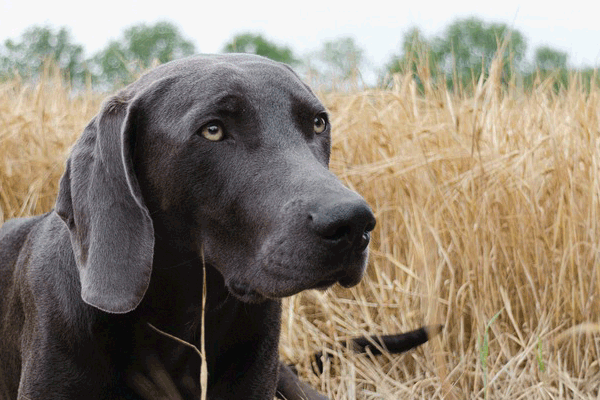
An abnormal passageway between the oral cavity and nasal cavity in dogs, often referred to as an oro-nasal fistula, cleft palate, or nasal fistula, occurs when there is an atypical connection between the mouth and nasal passages. This condition disrupts normal anatomical boundaries, leading to complications such as chronic infections, aspiration pneumonia, and difficulty eating or breathing. This guide provides a detailed overview of causes, symptoms, diagnosis, treatment, prognosis, complications, prevention, and nutritional care associated with this condition, tailored for pet owners, veterinarians, and animal care professionals.
1. Causes of Abnormal Oral-Nasal Passageways in Dogs
Abnormal passageways can arise from congenital (present at birth) or acquired (developed later in life) causes.
A. Congenital Causes
- Cleft Palate:
- A common developmental defect where the palatal tissues fail to fully fuse during embryonic development.
- Predisposed breeds: Boxers, English bulldogs, Boston terriers, and some herding breeds (e.g., Australian shepherds).
- May occur alone or alongside a cleft lip.
- Genetic Predisposition:
- Breeding for specific traits (e.g., a narrow muzzle in brachycephalic breeds) can increase the risk of structural abnormalities.
B. Acquired Causes
- Trauma:
- Penetrating injuries (e.g., from bites, foreign bodies, or accidents) can create a fistula between the mouth and nose.
- Post-surgical complications (e.g., after dental procedures or tumor removal).
- Infections:
- Chronic nasal or dental infections (e.g., periodontal disease, pyothorax) can erode tissues, creating a passageway.
- Nasal aspergillosis (a fungal infection) may lead to tissue destruction.
- Tumors or Masses:
- Malignancies (e.g., squamous cell carcinoma, adenocarcinoma) or benign growths in the nasal cavity or mouth can invade adjacent structures.
- Foreign Bodies:
- Ingested objects (e.g., sticks, wire) lodged in the oral or nasal cavity may cause ulcers or perforations.
- Chronic Inflammation or Granulation Tissue:
- Persistent inflammation from conditions like nasal polyps or dental abscesses can result in abnormal tissue growth.
2. Signs and Symptoms
Recognizing early signs is critical for prompt intervention.
A. Clinical Symptoms
- Nasal Discharge:
- Pus, blood, or mucus from the nostrils, often unilateral.
- Reverse sneeze (forceful inhalation through the nose).
- Oral-Nasal Communication:
- Visible opening (fistula) on the hard or soft palate.
- Nasal fluid dripping into the mouth (e.g., during eating or drinking).
- Respiratory Distress:
- Noisy breathing, snoring, or labored respiration.
- Secondary aspiration pneumonia (due to food or fluid entering the lungs).
- Gastrointestinal and Feeding Issues:
- Dysphagia (difficulty swallowing) or regurgitation.
- Weight loss or failure to thrive in puppies.
- Chronic Infections:
- Recurrent nasal or sinusitis, dental infections, or otic diseases (middle ear infections).
- Foul-smelling breath (halitosis).
- Behavioral Changes:
- Lethargy, decreased appetite, or irritability.
B. Diagnostic Red Flags
- Aspiration pneumonia: Coughing, fever, and crackles on auscultation.
- Chronic nasal discharge: Persistence for more than 10 days.
- Weight loss or stunted growth: Especially in puppies.
3. Diagnosis of Abnormal Passageways
Early diagnosis is key to preventing complications.
A. Physical Examination
- Palpation and visualization of the oral cavity for fistulas.
- Inspection for nasal discharge or palatal irregularities.
B. Advanced Diagnostic Tools
- Endoscopic Examination:
- Rhinoscopy or otoscopy to visualize the nasal passages, sinuses, or middle ear.
- Oroflexible endoscopy for assessing the oral cavity.
- Imaging:
- Radiographs (X-rays): Identify fluid accumulation in the nasal cavity or sinus.
- CT scans: Provide detailed 3D imaging of bone and soft tissue.
- MRI: Useful for detecting soft tissue masses (e.g., tumors).
- Bacterial and Fungal Cultures:
- Diagnose nasal aspergillosis or bacterial infections.
- Biopsy:
- Tissue samples from suspicious masses to confirm malignancy.
- Fluorescein Dye Test:
- Injecting dye into the oral cavity to trace its path; if it appears in the nasal passages, a fistula is confirmed.
4. Treatment Options
Treatment depends on the underlying cause, severity, and patient age.
A. Congenital Cleft Palate
- Surgical Repair (Palatoplasty):
- Typically performed at 6–12 weeks of age.
- Techniques include edge-to-edge repair or flap advancement.
- Success depends on proper post-operative care (e.g., soft food, avoidance of hard objects).
- Supportive Care:
- Feeding thinned puppy milk or gruel to prevent aspiration.
- Antibiotics for concurrent infections.
B. Acquired Fistulas
- Surgical Intervention:
- Closure of the fistula via grafting or tissue approximation.
- Removal of foreign bodies or excision of tumors.
- Medical Management:
- Antibiotics for bacterial infections (e.g., amoxicillin-clavulanate).
- Antifungal therapy for aspergillosis (e.g., itraconazole).
- Pain management and anti-inflammatory medications (e.g., meloxicam).
- Dental Care:
- Extraction of diseased teeth to eliminate infection sources.
- Professional dental cleanings.
5. Prognosis and Complications
A. Prognosis
- Congenital: Early surgical correction yields a guard prognosis with normal life expectancy.
- Acquired: Prognosis depends on the underlying cause (e.g., prognosis for nasal tumors is guarded to poor despite treatment).
- Aspiration pneumonia: Recurrent episodes may worsen the prognosis significantly.
B. Complications
- Chronic Infections:
- Persistent sinusitis, otitis media (middle ear infection), or pyometra.
- Aspiration Pneumonia:
- Recurrence increases mortality risk, requiring aggressive antibiotic therapy.
- Dental and Oral Health:
- Malformations can lead to tooth loss or periodontal disease.
- Behavioral Issues:
- Pain or feeding difficulties may cause aggression or lethargy.
6. Prevention Strategies
Preventive measures reduce risk and early intervention.
- Responsible Breeding:
- Avoid breeding dogs with known congenital abnormalities.
- Screen for cleft palate in puppies to prevent passing genetic traits.
- Trauma Prevention:
- Use muzzles during walks in high-risk environments.
- Secure the home to prevent ingestion of foreign objects.
- Regular Veterinary Care:
- Routine dental checkups to detect periodontal disease early.
- Prompt treatment of nasal or oral infections.
- Nutritional Support:
- Feed high-quality, nutritious diets to support immune health and tissue repair.
7. Diet and Nutrition for Dogs with Oral-Nasal Passageways
A. Post-Surgery Dietary Guidelines
- Consistency:
- Soft, moist food (e.g., canned food, ground kibble mixed with water) to avoid suture disruption.
- Avoid crunchy or hard food for 1–2 weeks post-surgery.
- Caloric Needs:
- Provide high-calorie, high-protein diets to support healing (e.g., 30–35% protein, 20–25% fat).
- Hydration:
- Encourage water intake via broths or water fountains.
B. Nutritional Supplements
- Vitamins and Minerals:
- Vitamin C and zinc to promote tissue repair.
- Omega-3 fatty acids (e.g., fish oil) for anti-inflammatory effects.
- Probiotics:
- Supports gut and immune health, especially after antibiotic use.
C. Long-Term Dietary Adjustments
- For dogs with chronic nasal discharge or aspiration risk, consider low-residue diets to minimize regurgitation.
8. Conclusion
Abnormal passageways between the mouth and nasal cavity in dogs require timely diagnosis and tailored treatment plans. While congenital cases can often be corrected with surgery, acquired causes demand a multidisciplinary approach involving medical, dental, and surgical care. Proper nutrition and preventive measures play a crucial role in recovery and quality of life. Pet owners should consult veterinarians for early detection and intervention to ensure the best outcomes.
#CanineHealth #DogNasalIssues #VeterinaryCare #DentalHealthForDogs #PetCare #CleftPalate #AnimalHealth #DogBreedsPredispositions #NasalTumors #AspirationPneumonia #PetNutrition #SoftDietForPets #SurgicalDogs #DogRespiratoryHealth #VeterinarySurgery #CanineAnatomy #PetDiseases #DogsAndPuppies #HealthyDogs #NasalDischargeInDogs





Add comment