
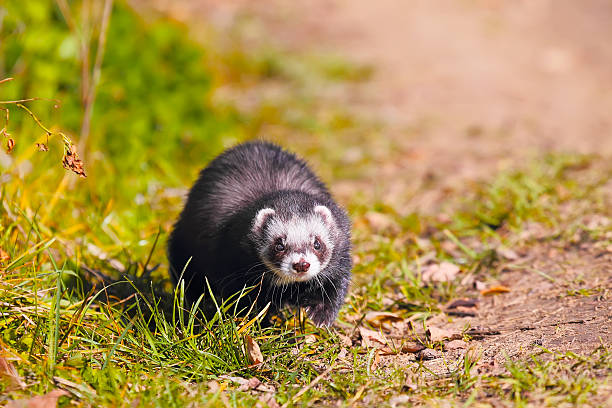
Ferrets (Mustela putorius furo) are playful, intelligent, and highly social creatures often kept as companion animals. Their curious and energetic nature makes them prone to accidents, including bites from other animals or even fellow ferrets. One of the most concerning complications arising from bite wounds is the development of abscesses—a localized collection of pus caused by bacterial infection. Abscesses in ferrets from bite wounds can lead to severe health consequences if not promptly and properly treated. This guide provides a comprehensive overview of abscesses resulting from bite injuries in ferrets, covering causes, clinical signs, diagnosis, treatment, prognosis, complications, prevention strategies, dietary considerations, and zoonotic risks.
Causes of Abscesses from Bite Wounds in Ferrets
Abscesses are the result of bacterial invasion into deep tissues through a traumatic injury, with bite wounds being the most common entry point in ferrets. The following factors contribute to abscess formation:
- Bacterial Inoculation via Biting
When a ferret is bitten, the teeth introduce bacteria deep into the subcutaneous tissues, muscles, or even joints. The warm, moist environment created beneath the skin allows for rapid bacterial growth, leading to inflammation and pus formation. - Types of Bacteria Involved
The most common bacteria isolated from ferret bite wound abscesses include:- Pasteurella multocida – Commonly found in the oral flora of cats, dogs, and occasionally ferrets. Highly pathogenic in bite wounds.
- Staphylococcus spp. – Both coagulase-positive (e.g., S. aureus) and coagulase-negative strains may be involved.
- Streptococcus spp. – Can cause acute infection and systemic illness.
- Bacteroides spp. and other anaerobes – These thrive in deep wounds with low oxygen levels.
- Pseudomonas aeruginosa – Less common but highly resistant; associated with chronic or poorly healing abscesses.
- Ferret-on-Ferret Aggression
Despite being social, ferrets can display territorial, hormonal, or fear-based aggression, especially among unneutered males. Play fighting may escalate into actual biting, especially if ferrets are not properly introduced or supervised. - External Predators or Other Pets
Ferrets may be injured by household dogs, cats, or outdoor predators (e.g., raccoons, snakes, birds of prey). Even minor bites from cats can be fatal due to the potent bacteria in their saliva. - Delayed Wound Healing
Ferrets with underlying health conditions such as insulinoma, adrenal disease, or immune suppression are more prone to complications after injuries, including delayed wound healing and increased abscess risk. - Crush Injuries and Foreign Bodies
Though not strictly bite wounds, traumatic injuries may mimic bite wounds and also lead to infection and abscess formation. Foreign material (e.g., splinters, debris) introduced into wounds can act as foci for infection. - Poor Hygiene and Environmental Conditions
Dirty bedding, soiled cages, or contaminated play areas can contribute to secondary infection of wounds. Bacteria thrive in damp, warm environments.
Signs and Symptoms of Abscesses in Ferrets
Abscesses in ferrets can present in various ways depending on location, size, and underlying causes. Early recognition of symptoms is critical for intervention.
1. Localized Swelling and Lumps
- The most common initial sign is a firm or fluctuant swelling beneath the skin, often warm to the touch.
- The lump may increase in size over days and appear red or discolored.
2. Pain and Sensitivity
- Ferrets may vocalize, cry, or resist touch in the affected area.
- Lethargy or reduced activity may accompany pain.
3. Skin Changes
- The overlying skin may become thin, ulcerated, or even rupture, leading to discharge of thick, yellowish, green, or foul-smelling pus.
- If the abscess ruptures spontaneously, a scab or open wound may be visible.
4. Behavioral Changes
- Irritability, aggression, or withdrawal from social interaction.
- Hiding or reluctance to move, especially if the abscess is in a limb or near a joint.
5. Limping or Lameness
- If the abscess is near a joint, tendon, or limb, it may cause difficulty walking or favoring one leg.
6. Systemic Signs of Infection
- Fever (difficult to measure at home but may be suspected with lethargy and warmth).
- Loss of appetite (anorexia) and weight loss.
- Dehydration (dry gums, poor skin elasticity).
- In severe cases, sepsis may develop, manifesting as weakness, rapid breathing, or collapse.
7. Location-Specific Symptoms
- Facial or neck abscesses: Difficulty eating, drooling, swelling around the jaw or ear.
- Submandibular abscesses: Often secondary to dental or salivary gland infections.
- Perianal or tail base abscesses: May be associated with anal gland inflammation or bite wounds during play or aggression.
- Internal abscesses: Rare but possible; may result from deep puncture wounds and manifest as vague illness, weight loss, or organ dysfunction.
Diagnosis of Abscesses in Ferrets
Accurate diagnosis requires a combination of history, physical examination, and diagnostic testing.
1. History and Physical Examination
- The vet will ask about recent fights, injuries, or exposure to other animals.
- Examination may reveal localized swelling, heat, pain, and possible discharge.
- The vet may aspirate the lump with a needle to collect pus for analysis.
2. Fine Needle Aspiration (FNA)
- A small needle is inserted into the abscess to extract pus.
- Cytology (microscopic examination of the sample) can confirm neutrophilic inflammation and presence of bacteria.
- FNA helps differentiate abscesses from tumors or cysts.
3. Bacterial Culture and Sensitivity Testing
- The gold standard for identifying the specific pathogen(s) and determining effective antibiotics.
- Pus sample is sent to a lab where bacteria are cultured and tested against various antibiotics.
- Essential for treating chronic, recurrent, or deep-seated infections.
4. Imaging
- Ultrasound: Useful for assessing the size, depth, and internal structure of the abscess, and whether it has spread to deeper tissues or organs.
- X-rays (Radiographs): May be used if bone involvement or foreign bodies are suspected.
- CT or MRI: Reserved for complex internal abscesses, though rarely used due to cost and accessibility.
5. Blood Work
- Complete blood count (CBC) may show elevated white blood cells (leukocytosis), indicating infection.
- Biochemistry panel assesses organ function, especially important if systemic illness or anesthesia is required.
- Blood glucose test to rule out insulinoma, which is common in older ferrets and may complicate recovery.
Treatment of Abscesses from Bite Wounds in Ferrets
Timely and appropriate treatment is essential to prevent complications and ensure recovery.
1. Surgical Drainage and Debridement
- The primary treatment for most abscesses involves surgical incision and drainage under general anesthesia.
- The vet makes an incision to evacuate pus, then flushes the cavity with sterile saline or antimicrobial solution (e.g., chlorhexidine or povidone-iodine diluted appropriately).
- Necrotic or dead tissue is carefully removed (debridement) to promote healing.
2. Antibiotic Therapy
- Systemic antibiotics are essential to treat the underlying infection.
- Initial empirical treatment may include:
- Amoxicillin-clavulanate (common first-line choice)
- Enrofloxacin (for suspected Pseudomonas or resistant infections)
- Clindamycin (for anaerobic bacteria)
- After culture results, antibiotics are adjusted based on sensitivity.
- Treatment duration typically lasts 7–14 days, or longer for deep or chronic abscesses.
3. Pain Management
- Post-operative or injury-related pain must be addressed.
- Analgesics commonly used include:
- Buprenorphine (opioid, highly effective for acute pain)
- Meloxicam (NSAID; used cautiously in ferrets with kidney or GI issues)
- Pain control improves appetite and overall recovery.
4. Wound Care
- After drainage, the wound may be left open to heal by secondary intention (from the inside out).
- Daily cleaning with mild antiseptic (e.g., diluted chlorhexidine) may be prescribed.
- Bandaging is rare due to difficulty securing in ferrets but may be used for limb wounds.
- An Elizabethan collar (e-collar) may be necessary to prevent the ferret from chewing or licking the wound.
5. Supportive Care
- Encourage hydration and nutrition.
- Hand-feeding with high-calorie liquid diet (e.g., baby food, critical care formula) may be needed if the ferret refuses food.
- Maintain warmth and a quiet recovery environment.
6. Management of Complications
- If sepsis is suspected, intravenous fluids and hospitalization may be required.
- For abscesses near joints or internal organs, specialized care and referral to an exotic animal specialist may be necessary.
Prognosis and Potential Complications
Prognosis
- With prompt diagnosis and treatment, the prognosis for most superficial abscesses is good to excellent.
- Most ferrets recover fully within 1–3 weeks.
- Early intervention significantly improves outcomes.
Factors Affecting Prognosis:
- Size and location: Small, superficial abscesses heal better than large or deep ones.
- Timeliness of treatment: Delayed care increases the risk of systemic spread.
- Underlying health: Ferrets with insulinoma, adrenal disease, or immune suppression may heal slower.
- Bacterial virulence and resistance: Multi-drug resistant infections have poorer outcomes.
Potential Complications:
- Recurrence
- Incomplete drainage or inadequate antibiotic therapy may lead to abscess recurrence.
- Repeated episodes suggest underlying issues (e.g., ongoing fights, poor hygiene).
- Chronic Sinus Tracts or Fistulas
- Persistent open tracts that continue to drain pus, often requiring long-term management.
- Sepsis and Systemic Infection
- Bacteria entering the bloodstream can lead to septicemia, multi-organ failure, and death.
- Signs include collapse, rapid breathing, hypothermia, and shock.
- Tissue Necrosis and Scarring
- Severe infections can destroy skin and muscle, leading to extensive scarring or functional impairment.
- Osteomyelitis (Bone Infection)
- If the bite reaches bone, especially in limbs or skull, it can lead to chronic bone infection requiring prolonged antibiotics or surgery.
- Metastatic Abscesses
- Rarely, bacteria may spread through the blood to form abscesses in distant organs (e.g., liver, lungs, brain).
- Anesthesia Risks
- Ferrets, especially older or sick ones, face risks during anesthesia for surgical drainage.
Prevention of Bite Wounds and Abscesses in Ferrets
Prevention is the best defense against abscesses.
1. Supervised Introductions and Socialization
- Always introduce new ferrets slowly and in neutral territory.
- Monitor play sessions for signs of aggression.
- Separate incompatible ferrets permanently.
2. Neutering and Spaying
- Intact males are more aggressive due to hormones.
- Desexing reduces territorial and mating-related aggression.
3. Safe Living Environment
- Ferret-proof the home to avoid escape and encounters with predators.
- Keep ferrets away from dogs and cats unless closely supervised.
- Use secure enclosures and safe playpens.
4. Prompt Wound Care
- Check ferrets daily for scratches, bites, or swelling.
- Flush any wound immediately with saline or clean water.
- Use mild antiseptic (e.g., dilute chlorhexidine) and consult a vet for deep punctures.
5. Regular Vet Check-ups
- Biannual wellness exams can detect underlying diseases early.
- Address dental issues and skin conditions promptly.
6. Hygiene and Cleanliness
- Wash bedding weekly.
- Disinfect cages and toys regularly with pet-safe cleaners.
- Avoid damp or soiled environments.
7. Behavioral Enrichment
- Provide toys, tunnels, and playtime to reduce stress and boredom, which can lead to aggression.
Diet and Nutrition for Recovery and Prevention
Nutrition plays a vital role in healing and immune support.
1. High-Quality, High-Protein Diet
- Ferrets are obligate carnivores requiring meat-based protein.
- Ideal diet: 32–40% crude protein, 15–20% fat, low fiber and carbohydrates.
- Commercial ferret food or high-quality kitten food (grain-free) are suitable.
2. Increased Caloric Intake During Recovery
- Sick or recovering ferrets need more calories.
- Offer frequent small meals.
- Supplement with:
- Baby food (meat-based, no garlic/onion)
- Ferret-specific recovery formulas
- Raw or cooked meat (chicken, turkey)
- Ferretone or Nutri-Cal (vitamin and calorie supplements)
3. Hydration
- Offer fresh water constantly; ensure water bottles aren’t clogged.
- If dehydrated, administer fluids subcutaneously as advised by a vet.
4. Immune Support
- Essential fatty acids (found in animal fats) support skin health and healing.
- Vitamin E and selenium may be beneficial (consult vet for dosing).
- Avoid unnecessary supplements that may tax the liver.
5. Avoid Sugars and Carbohydrates
- Ferrets cannot digest plant-based carbs efficiently.
- Sugars promote insulin release and may worsen insulinoma in older ferrets.
- Avoid fruits, vegetables, sweets, and sugary treats.
6. Feeding Techniques
- Use syringe feeding for weak or anorexic ferrets.
- Warm food slightly to enhance aroma and palatability.
- Offer food by hand to encourage appetite.
Zoonotic Risk: Can Humans Catch Infections from Ferret Abscesses?
Zoonotic diseases are those that can be transmitted from animals to humans. While abscesses in ferrets are not directly contagious, the bacteria involved can pose a risk, especially to immunocompromised individuals.
1. Bacteria of Concern
- Pasteurella multocida: Can cause skin infections, cellulitis, or even systemic illness in humans if introduced through a scratch or bite.
- Staphylococcus aureus: Methicillin-resistant S. aureus (MRSA) has been rarely reported in pet ferrets.
- Streptococcus spp.: Can cause throat or wound infections in humans.
- Bartonella henselae: Though more common in cats, it has been detected in ferrets and can cause cat-scratch disease in humans.
2. Routes of Transmission
- Direct contact with pus from a ruptured abscess.
- Scratches or bites from infected ferrets.
- Handling contaminated bedding or wound dressings.
3. At-Risk Populations
- Young children, elderly individuals, pregnant women, and those with weakened immune systems (e.g., HIV, chemotherapy patients) are more susceptible.
4. Preventive Measures
- Always wear gloves when treating a ferret’s wound or handling pus.
- Wash hands thoroughly with soap and water after any contact.
- Disinfect contaminated surfaces with bleach solution (1:32 dilution).
- Avoid letting ferrets lick open wounds or faces.
- Seek medical advice if you develop redness, swelling, or fever after handling an infected ferret.
5. Importance of Diagnosis and Treatment
- Treating the ferret’s infection reduces bacterial load and transmission risk.
- Culture results can help identify zoonotic pathogens.
Conclusion
Abscesses arising from bite wounds and injuries are serious but treatable conditions in ferrets. Caused primarily by bacterial infection introduced through trauma, these abscesses can lead to significant pain, systemic illness, and even death if left untreated. Prompt recognition of signs such as swelling, pain, and discharge is essential. Diagnosis involves physical examination, fine needle aspiration, and possibly culture and imaging. Treatment focuses on surgical drainage, appropriate antibiotics, pain management, and supportive care. With early intervention, the prognosis is generally favorable. However, complications such as sepsis, recurrence, or bone infection can occur, especially with delays in treatment.
Prevention is key and includes proper socialization, neutering, safe housing, and hygiene. Nutrition supports healing and immunity, with a high-protein, low-carbohydrate diet essential for recovery. Finally, while zoonotic risk is low, proper hygiene and caution—especially around open wounds—are necessary to protect human health.
As responsible ferret owners and caregivers, staying informed, vigilant, and proactive is the best way to ensure our furry companions live long, healthy, and happy lives.
#FerretAbscess, #FerretCare, #FerretHealth, #BiteWoundFerret, #FerretInjury, #FerretRecovery, #PetAbscess, #FerretVet, #FerretOwner, #FerretLife, #FerretParent, #FerretTips, #FerretNutrition, #FerretDiet, #ZoonoticDisease, #FerretHygiene, #FerretRescue, #FerretsOfInstagram, #FerretLovers, #FerretMedicine, #FerretTreatment, #SurgicalDrainage, #FerretInfection, #FerretPus, #FerretSwelling, #FerretPain, #FerretAntibiotics, #FerretWoundCare, #FerretFirstAid, #FerretEmergency, #FerretSurgery, #FerretWellness, #SmallPetCare, #ExoticPets, #FerretBehavior, #FerretAggression, #FerretNeutering, #FerretSpay, #FerretSocialization, #FerretEnrichment, #FerretToys, #FerretPlay, #FerretSafety, #FerretProofing, #FerretHealthTips, #FerretDiseases, #FerretInsulinoma, #FerretAdrenalDisease, #FerretImmunity, #FerretHydration, #FerretFeeding, #FerretSupplements, #FerretGrooming, #FerretLitterBox, #FerretCage, #FerretHome, #FerretFamily, #FerretVideo, #FerretYouTube, #FerretEducation, #FerretAwareness, #ResponsiblePetOwner




Add comment