
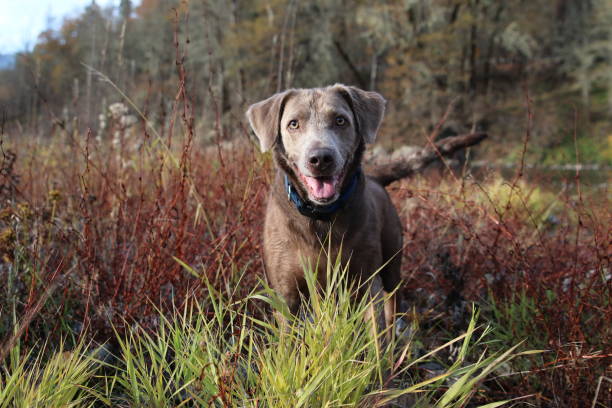
Acral Lick Dermatitis, commonly known as a lick granuloma, is a chronic skin condition in dogs characterized by persistent, excessive licking of a localized area on the limbs—typically the lower legs—resulting in inflammation, hair loss, hyperpigmentation, and often an open, non-healing wound. The term “acral” refers to the outer parts of the extremities, like the feet and lower legs. This self-inflicted behavior leads to thickened skin, ulceration, and secondary infections. Despite its seemingly straightforward name, Acral Lick Dermatitis (ALD) is a multifactorial disorder involving behavioral, dermatological, infectious, and sometimes even neoplastic components. Understanding its causes, symptoms, treatment options, and prevention is critical for effective management.
ALD is not merely a skin condition—it is the manifestation of complex underlying issues, often stemming from psychological or physiological factors. The continuous licking behavior becomes a vicious cycle, as the act of licking causes tissue damage, pain, and itchiness, which in turn prompts the dog to continue licking. This condition affects dogs of various ages and breeds and can significantly reduce their quality of life if left untreated. The goal of this guide is to provide a comprehensive overview of Acral Lick Dermatitis, covering causes, signs and symptoms, at-risk breeds, affected demographics, diagnosis, treatment options, prognosis, complications, prevention strategies, dietary considerations, and zoonotic risks.
Causes of Acral Lick Dermatitis
The etiology of Acral Lick Dermatitis is multifactorial, meaning it arises from a combination of physical, psychological, and environmental influences. Unlike other skin conditions that are solely due to allergies or infections, ALD is considered a behavioral dermatosis—a skin condition driven by obsessive-compulsive behaviors. However, behavioral issues often stem from or are exacerbated by physical discomforts.
- Behavioral and Psychological Factors
The most commonly recognized cause of ALD is compulsive behavior, often related to anxiety, boredom, or stress. Dogs that are left alone for long periods, lack sufficient mental or physical stimulation, or suffer from separation anxiety may resort to excessive licking as a self-soothing mechanism. This behavior is similar to human habits like nail-biting or hair-pulling (trichotillomania) under stress. Certain triggering events, such as a change in household dynamics, moving homes, or owner absence, can initiate or intensify licking behavior. - Underlying Pain or Discomfort
Dogs may lick at a particular spot on their leg because of localized pain. Possible sources include:- Osteoarthritis in the joints near the affected area.
- Neuropathic pain or nerve irritation.
- Previous trauma such as a fracture, sprain, or surgical scar.
- Foreign body retention (e.g., a splinter, grass awn).
- Bone or soft tissue tumors, which may not be immediately apparent.
- Allergic Skin Diseases
Atopy (allergies to environmental allergens like pollen or dust mites), food allergies, or flea bite hypersensitivity can cause local itching and irritation. Even if the initial itch resolves, the dog may continue licking due to habit or residual discomfort, perpetuating the condition. - Infections
Secondary bacterial or fungal infections often develop in the damaged skin. Staphylococcus pseudintermedius is the most common bacterial culprit. These infections intensify inflammation and itching, encouraging further licking. Yeast infections (e.g., Malassezia) may also coexist. - Endocrine Disorders
Conditions such as hypothyroidism or Cushing’s disease (hyperadrenocorticism) can lead to skin changes that make the area more prone to irritation and infection. These diseases compromise skin health, impair wound healing, and may indirectly contribute to discomfort. - Anatomical Factors
Dogs with long legs or deep chests may be more predisposed to ALD, possibly due to increased pressure on certain areas or easier access for persistent licking.
Given the complexity of ALD’s causation, successful treatment often requires a multidisciplinary approach addressing both the physical lesion and the psychological triggers.
Signs and Symptoms of Acral Lick Dermatitis
The clinical presentation of Acral Lick Dermatitis can vary in severity but generally follows a predictable pattern. Early detection is crucial for effective intervention. The most common signs include:
- Chronic, Focal Licking
The hallmark symptom is persistent, intense licking of one or more areas on the front or rear legs, most commonly the carpal (wrist) or metatarsal regions. Owners often report that the dog will lick the spot for hours at a time, especially when left alone. - Hair Loss and Skin Changes
The affected area typically shows alopecia (hair loss), with exposed skin that becomes thickened (lichenified) and hyperpigmented (darkened) due to chronic irritation. The skin may appear dry, scaly, or cracked. - Ulceration and Open Sores
As the condition progresses, the skin breaks down, forming a non-healing ulcer or granulomatous lesion—hence the term “lick granuloma.” These lesions may be moist, oozing, or crusted. - Secondary Infections
Due to constant licking and compromised skin barriers, bacterial and fungal infections frequently develop. Signs include redness, swelling, pus, odor, and increased discomfort. The dog may also show signs of pain when the area is touched. - Behavioral Signs
Affected dogs may appear restless, anxious, or display signs of depression. Some dogs become fixated on the area, refusing to stop licking even during play or eating. - Location Specificity
The lesions are almost always located on the distal limbs—areas the dog can easily reach with its tongue. The front legs are more commonly affected than the hind legs, possibly due to easier accessibility. - Unilateral Presentation
Typically, ALD presents unilaterally (on one side), although bilateral cases can occur, especially in dogs with generalized anxiety or compulsive disorders.
Early signs like mild redness or thinning fur are often missed by owners. However, as the condition becomes self-perpetuating, veterinary intervention becomes necessary.
Dog Breeds at Risk (with Paragraph Explanation)
While any dog breed can develop Acral Lick Dermatitis, certain large and deep-chested breeds are more susceptible due to a combination of genetic predisposition, temperament, and anatomical factors.
High-risk breeds include:
- Doberman Pinscher
- Great Dane
- German Shepherd
- Labrador Retriever
- Golden Retriever
- Boxer
- English Setter
- Irish Setter
- Weimaraner
- Borzoi
These breeds share several common characteristics that may contribute to their increased risk. First, many of them are high-energy working dogs with strong mental and physical needs. When not adequately stimulated, they are prone to anxiety and obsessive behaviors such as excessive licking. For instance, Doberman Pinschers are particularly known for developing compulsive disorders, including flank sucking and lick granulomas. Similarly, German Shepherds and Golden Retrievers, while intelligent and trainable, can become stressed in unstable or under-stimulating environments. Their deep chests and long limbs may also place mechanical stress on distal limb areas, increasing local discomfort that could initiate licking.
Moreover, some of these breeds have a higher prevalence of allergic skin disease and hypothyroidism, which can serve as underlying or contributing factors. For example, Labrador and Golden Retrievers are frequently affected by atopy and food sensitivities. Great Danes and Boxers may develop arthritis or bone-related issues earlier in life, leading to localized pain and subsequent licking. The breed predisposition suggests a combination of genetic, behavioral, and physiological traits that make them more vulnerable. However, ALD is not exclusive to purebred dogs—mixed breeds with similar temperaments or health issues can also develop the condition.
Affected Age: Puppies, Adult, or Older Dogs?
Acral Lick Dermatitis primarily affects adult to middle-aged dogs, typically those between 3 and 8 years of age. This age range correlates with the peak of behavioral maturity and the onset of many underlying physical conditions.
- Puppies (under 1 year): Rarely develop true ALD. While young dogs may engage in playful or exploratory licking, persistent granulomatous lesions are uncommon. However, if a puppy shows excessive licking, it may signal pain, infection, or early behavioral issues requiring investigation.
- Adult Dogs (2–7 years): This group is most commonly affected. Dogs in this age range are fully grown, more likely to experience behavioral stressors (e.g., new pets, moves, rehoming), and beginning to develop early signs of orthopedic or allergic conditions. Compulsive behaviors often stabilize during adulthood, making this a critical window for intervention.
- Senior Dogs (7+ years): Also at significant risk, especially as they develop age-related conditions such as osteoarthritis, dental pain, or cognitive dysfunction syndrome (canine dementia). Chronic pain from degenerative joint disease is a frequent trigger for licking. Older dogs may also experience reduced activity and increased isolation, leading to boredom and compulsive habits.
While ALD is less common in very young dogs, onset in older animals may be secondary to age-related discomfort. Thus, thorough evaluation for underlying pain is essential in geriatric cases.
Diagnosis of Acral Lick Dermatitis
Diagnosing Acral Lick Dermatitis is challenging due to its multifactorial nature and the need to rule out other conditions that mimic its symptoms. It is typically considered a diagnosis of exclusion, meaning other potential causes must be eliminated first.
- Clinical History and Physical Examination
The veterinarian will take a detailed history, including:- Duration and frequency of licking.
- Onset (sudden vs. gradual).
- Changes in environment or routine.
- Behavioral observations (e.g., anxiety when left alone).
- Any known medical conditions (e.g., allergies, arthritis).
A physical exam focuses on the lesion’s appearance, pain response, and evidence of systemic illness.
- Skin Scrapings and Cytology
A superficial scraping of the skin may be performed to check for mites (e.g., Demodex or Sarcoptes). Cytology (microscopic examination of skin swabs) helps identify bacterial or yeast overgrowth. - Skin Biopsy
A biopsy of the affected tissue is often necessary to confirm the diagnosis and rule out other conditions such as:- Cutaneous epitheliotropic lymphoma (a type of skin cancer)
- Squamous cell carcinoma
- Deep fungal infections Biopsy can reveal characteristic changes like epidermal hyperplasia, ulceration, and a dense inflammatory infiltrate.
- Imaging
Radiographs (X-rays) of the affected limb are essential to rule out:- Bone tumors (e.g., osteosarcoma)
- Osteomyelitis (bone infection)
- Arthritis or old fractures In some cases, advanced imaging like MRI or CT scanning may be used to assess soft tissue and nerve involvement.
- Allergy Testing
If underlying allergies are suspected, intradermal skin testing or serum allergy testing may be recommended. Food trials (elimination diets) can help identify food sensitivities. - Blood Work and Hormone Testing
A complete blood count (CBC), biochemistry panel, and thyroid function tests (e.g., T4, TSH) are used to screen for systemic diseases such as hypothyroidism or Cushing’s disease. - Urinalysis
May be included to assess overall health, particularly in older dogs.
The process of diagnosis is often stepwise and may require referral to a veterinary dermatologist or behaviorist for comprehensive management.
Treatment of Acral Lick Dermatitis
Effective treatment of ALD requires a multimodal approach, addressing both the physical lesion and the behavioral drivers. No single therapy is universally successful, and long-term commitment from the pet owner is essential.
- Addressing Underlying Medical Conditions
- Pain Management: If arthritis or neuropathy is diagnosed, NSAIDs (e.g., carprofen, meloxicam), gabapentin, or amantadine may be prescribed.
- Infection Control: Antibiotics such as cephalexin, clindamycin, or fluoroquinolones are used for bacterial infections, typically for 6–8 weeks or longer. Antifungal medications (e.g., ketoconazole) treat yeast overgrowth.
- Allergy Management: Allergen avoidance, antihistamines, immunotherapy (allergy shots), or immunosuppressive drugs like cyclosporine may be beneficial.
- Hormonal Therapy: Hypothyroidism is treated with levothyroxine; Cushing’s disease may require medications like trilostane.
- Behavioral Modification
- Environmental Enrichment: Provide interactive toys, puzzle feeders, and regular exercise to reduce boredom.
- Increased Attention and Routine: Spend more time with the dog, establish a consistent schedule, and avoid prolonged separation.
- Training and Positive Reinforcement: Reward alternative behaviors (e.g., lying down, playing with a toy) instead of licking.
- Anxiety Reduction: Use calming aids like pheromone diffusers (Adaptil), anxiety wraps (Thundershirt), or music therapy.
- Professional Behavioral Counseling: Consultation with a veterinary behaviorist may be necessary for severe cases.
- Pharmacological Interventions
- Psychotropic Medications: Drugs like clomipramine (a tricyclic antidepressant) or fluoxetine (Prozac) are commonly prescribed for compulsive disorders. They alter brain serotonin levels, reducing obsessive behaviors.
- Sedatives or Anxiolytics: In some cases, short-term use of medications like trazodone may help break the licking cycle.
- Physical Barriers
- Elizabethan Collar (E-collar): Prevents access to the lesion but should not be used long-term due to stress and reduced quality of life.
- Soft Collars or Recovery Suits: More comfortable alternatives that restrict licking.
- Bandages or Socks: Protective coverings (e.g., dog socks or boots) can shield the area, especially overnight.
- Topical Therapy
- Antibacterial Shampoos and Sprays: Containing chlorhexidine or benzoyl peroxide to control infection.
- Topical Steroids or Antibiotics: Ointments like mupirocin or triamcinolone may reduce inflammation and infection.
- Bitter-Tasting Sprays: Deterrents applied to the area to discourage licking.
- Alternative and Adjunctive Therapies
- Acupuncture: May help reduce pain and anxiety.
- Laser Therapy: Low-level laser treatment can promote healing and reduce inflammation.
- Cold Laser or Photobiomodulation: Useful in chronic wound management.
- Surgical Intervention (Rare)
In severe, refractory cases where medical and behavioral treatments fail, surgical excision of the lesion may be considered. However, recurrence is common unless the underlying cause is addressed. Post-surgical management with behavior modification and medication is crucial.
Treatment success depends on early intervention, owner compliance, and addressing all contributing factors simultaneously. Improvement may take weeks to months, and relapses are possible.
Prognosis and Complications
The prognosis for Acral Lick Dermatitis is variable and often guarded, especially in long-standing or severe cases. With early, aggressive, and consistent treatment, many dogs show significant improvement. However, chronic cases can be frustrating and challenging to manage.
Factors Influencing Prognosis:
- Duration of the condition (shorter duration = better outcome)
- Identification and treatment of underlying causes
- Owner commitment to behavior modification and medication
- Breed predisposition (e.g., Dobermans may have more resistant forms)
Possible Complications:
- Chronic Non-Healing Wounds: The constant trauma prevents tissue repair.
- Deep Skin Infections (Cellulitis, Abscesses): May require hospitalization and IV antibiotics.
- Osteomyelitis: Bone infection spreading from the skin lesion.
- Secondary Pain and Lameness: Due to tissue damage or infection.
- Behavioral Escalation: The dog may develop other compulsive behaviors.
- Antibiotic Resistance: Long-term antibiotic use may select for resistant bacterial strains.
- Poor Quality of Life: Chronic discomfort and restriction (e.g., E-collars) impact well-being.
- Relapse: Even after healing, stress or pain recurrence can trigger licking again.
Owners must understand that complete resolution may not be achievable, but the goal is often symptom control and improved comfort.
Prevention of Acral Lick Dermatitis
Preventing ALD is more effective than treating it. Strategies focus on reducing stress, ensuring physical health, and promoting mental well-being.
- Early Behavioral Intervention
Address mild compulsive behaviors (e.g., occasional licking) before they become habitual. - Mental and Physical Stimulation
Regular walks, playtime, training sessions, and interactive toys prevent boredom. - Stable Environment
Minimize changes in routine, provide safe spaces, and introduce new pets or people gradually. - Routine Veterinary Check-ups
Early detection of arthritis, allergies, or skin issues allows prompt treatment. - Weight Management
Obesity increases joint stress and risk of arthritis, contributing to discomfort and licking. - Use of Calming Aids
Pheromone diffusers, anxiety vests, or supplements (e.g., L-theanine, melatonin) may help anxious dogs. - Supervised Confinement
When owners are away, dogs should be in safe, enriched spaces with toys to keep them occupied. - Avoid Punishment-Based Training
Harsh corrections increase anxiety and may worsen compulsive behavior. - Early Socialization
Well-socialized dogs tend to be more resilient to stress.
Preventive care is especially important in high-risk breeds.
Diet and Nutrition
While no single diet cures ALD, proper nutrition supports skin health, immune function, and mental well-being.
- High-Quality Protein
Essential for tissue repair and muscle maintenance. - Omega-3 and Omega-6 Fatty Acids
Found in fish oil (EPA/DHA), these fats have anti-inflammatory properties that can reduce skin irritation and support healing. Supplements like salmon oil or prescription dermatologic diets (e.g., Hill’s Derm Defense, Royal Canin Skin Support) are beneficial. - Vitamins A, E, and B Complex
Support skin integrity and wound repair. - Zinc and Copper
Trace minerals important for skin health; deficiencies can mimic or worsen dermatitis. - Probiotics
May improve gut health and immune function, potentially reducing allergic responses. - Hypoallergenic Diets
For dogs with food allergies, a novel protein (e.g., duck, venison) or hydrolyzed protein diet can eliminate allergens. A food trial lasting 8–12 weeks is required for accurate diagnosis. - Avoid Fillers and Artificial Additives
Low-quality ingredients may exacerbate inflammation.
Consult a veterinarian before making dietary changes, especially if underlying conditions like pancreatitis or kidney disease are present.
Zoonotic Risk
Acral Lick Dermatitis itself is not zoonotic—it cannot be transmitted from dogs to humans. However, secondary bacterial infections in the lesion may pose a limited zoonotic risk.
- Staphylococcus pseudintermedius, commonly found in dog skin infections, is opportunistic in humans, particularly in individuals with:
- Open wounds
- Weakened immune systems
- Chronic illnesses (e.g., diabetes)
- Methicillin-resistant Staphylococcus pseudintermedius (MRSP) is a growing concern in veterinary medicine and can be transferred through direct contact with infected wounds.
Precautions:
- Wear gloves when cleaning or treating the lesion.
- Wash hands thoroughly after handling the dog or its bedding.
- Keep the wound covered when possible.
- Avoid letting the dog lick human faces or open wounds.
- Seek medical advice if a family member develops skin infections after contact.
Overall, the zoonotic risk is low but not negligible in immunocompromised individuals.
Conclusion
Acral Lick Dermatitis is a complex, frustrating condition that intertwines physical discomfort with behavioral compulsion. It predominantly affects adult to senior dogs, especially breeds like Dobermans, German Shepherds, and Labradors, due to their temperament and health predispositions. Diagnosis requires a thorough workup to rule out other diseases, and treatment must be multifaceted—addressing pain, infection, allergies, and psychological triggers. While the prognosis can be guarded, early intervention and dedicated owner involvement significantly improve outcomes. Prevention through mental stimulation, routine vet care, and a healthy diet is key. Although ALD is not directly contagious to humans, secondary infections require cautious handling. With compassion, patience, and veterinary guidance, dogs with lick granulomas can experience relief and a better quality of life.
#AcralLickDermatitis, #LickGranuloma, #DogSkinProblems, #PetHealthAwareness, #DogAnxiety, #CanineDermatology, #DogBehaviorIssues, #LickInjuryInDogs, #DogLickingObsession, #VeterinaryCare, #DogHealthTips, #SeniorDogCare, #DogAllergies, #DogWoundHealing, #BehavioralDermatology, #DogMentalHealth, #PetParentTips, #DogOwnerGuide, #CanineOCD, #DogPainSigns, #VeterinarianAdvice, #SkinInfectionInDogs, #DogEnrichment, #DogsAndAnxiety, #StopDogLicking, #PetWellness, #HealthyPetsHappyLife, #DogLickGranulomaTreatment, #DogDietAndSkin, #ResponsiblePetOwnership






Add comment