
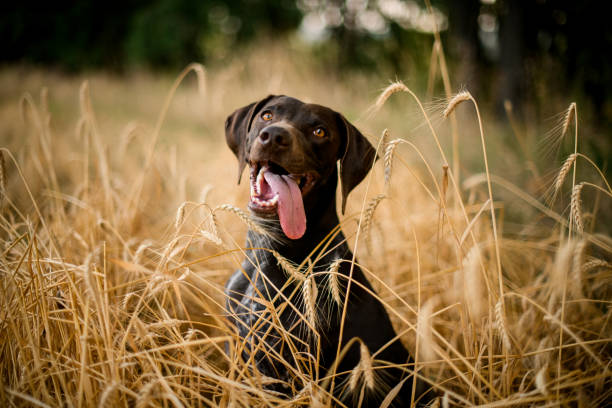
The instinct to hunt—known as the prey drive—is a powerful, innate force in many dogs, particularly breeds developed for working, retrieving, signaling, or vermin control (e.g., Terriers, Hounds, Retrievers, and certain Herding breeds).
This drive is not a behavioral flaw; it is a genetic gift. The key to harmonious living with a high-drive dog is providing appropriate, safe, and fulfilling outlets that channel this energy. When channeled correctly, these activities strengthen the bond between dog and owner and dramatically reduce frustrating or destructive behaviors around the home and yard.
1. Understanding the Predatory Sequence
To effectively redirect the drive, we must first understand the stages of the typical predatory sequence. Different dogs enjoy different stages, and the best activities target those specific steps.
| Stage | Description | Breeds Often Primary Focus |
|---|---|---|
| I. Orient/Search | Scanning the environment; using nose, eyes, and ears to locate prey. | Hounds, Retrievers, Scent Dogs |
| II. Eye/Stalk | Focusing intently; low-to-the-ground posture; silent approaching. | Herding Breeds (e.g., Border Collies) |
| III. Chase | The rapid pursuit of the moving target. | Sighthounds (Greyhounds, Whippets) |
| IV. Grab/Bite | The initial contact and attempt to secure the prey. | Terriers, Pit Bulls (often discouraged in domestic settings) |
| V. Dissection/Consumption | Shaking, breaking down, and consuming the item. | Terriers (shaking), Retrievers (carrying/holding) |
Goal: Design activities that isolate and satisfy the dog’s preferred stages without requiring a real hunt.
2. Foundation and Safety (The Must-Haves)
Before engaging in high-drive games, solid control is essential for safety, especially if you plan to play off-leash in secure areas.
A. Mastering the Critical Commands
1. Emergency Recall (The Life Saver): This must be 100% reliable, even when a squirrel or rabbit is visible. Practice in low-distraction environments first, using the absolute highest-value reward (e.g., a piece of steak or cheese).
2. “Leave It” (The Impulse Control Command): Crucial for preventing the dog from bothering wildlife, picking up debris, or chasing a critter they’ve spotted. Practice this command by dropping low-value items and gradually increasing the item’s appeal.
3. The Pause/Wait Command: Teaching the dog to “wait” before being released to chase a toy or ball helps integrate impulse control into the play sequence, managing their arousal levels.
B. Equipment Considerations
- Long Line: A 30–50 foot lightweight line is essential for practicing recall and chase games in open areas safely without the dog escaping or harming wildlife.
- Secure Fencing: Never trust a dog with a high chase drive in an area with weak fencing. They will climb, dig, or propel themselves over obstacles if the drive is strong enough.
3. Activities Mimicking the Hunt Sequence
These activities are designed to stimulate the dog’s hunting mindset in a controlled, non-destructive way.
Stage 1: The Search and Orient (Scent Work)
Scent work is a calming yet fulfilling activity that utilizes the dog’s superior olfactory system, satisfying the “search” phase without the need for high-speed chasing.
1. Competitive K9 Nose Work (Detection Training)
This formal sport teaches the dog to locate specific essential oils (birch, anise, clove) hidden in containers, interiors, exteriors, or vehicles. It’s an incredibly accessible sport for all ages and breeds and is deeply satisfying.
2. Tracking and Trailing
Tracking involves following a human scent over a long distance, often through fields or woods. This is the purest form of the search drive and requires intense focus and stamina.
3. Hide-and-Seek (Household Game)
Have a family member restrain the dog while you hide (or hide a high-value toy/treat). Release the dog with a command like “Find!” or “Go seek!” This fun game is great for rainy days and strengthens the bond.
Stage 2: The Stalk and Chase (Safe Pursuit)
This stage is the most exciting for many high-drive dogs and must be managed carefully to avoid developing a dangerous habit of chasing real animals.
1. Flirt Pole (The Controlled Chase and Capture)
A flirt pole is essentially a long stick with a rope and a lure (toy) attached to the end.
- How it Works: The owner whips the lure in circles and unpredictable patterns. The dog chases, stalks, and attempts to “capture” the lure.
- Why it Works: It provides the high-intensity chase and the crucial “grab/capture” satisfaction, but the owner remains in control, regulating the pace and ensuring the dog wins the lure frequently.
- Safety Tip: Always end the session by letting the dog finally “kill” and possess the lure for a few moments before putting it away.
2. Lure Coursing and Fast CAT
These are formalized sports primarily for sighthounds (though open to all breeds). The dog chases an artificial lure (usually plastic bags) pulled by a mechanized line around a track.
- Lure Coursing: Mimics the unpredictable movement of a rabbit over rough terrain.
- Fast CAT (Coursing Ability Test): A straight-line 100-yard dash.
- Why it Works: It provides the maximum safe release for the chase drive in an enclosed field.
Stage 3: The Grab, Retrieve, and Dissection Surrogate
The end of the hunt is often the most important for Terriers (who love the shake) and Retrievers (who love the hold).
1. Structured Tug-of-War
Tug is an excellent activity for fulfilling the “grab” and “shake/kill” impulse—but only when played with strict rules.
- Rules: The session starts only on command (“Take it!”). The dog must release the toy immediately on the “Out!” or “Drop!” command. Play pauses if teeth touch skin.
- Why it Works: It satisfies the desire for resistance and power while maintaining the owner’s control.
2. Retrieval Games (The Hold and Deliver)
While simple fetch addresses the chase, a more structured retrieval game targets the “hold” and “deliver” instincts common in Retrievers and Spaniels.
- Scent Article Retrieve: Teach the dog to find and return a specific, scented item (like an old glove or sock) among distractors.
- Blind Retrieve: Sending the dog out to an area where they did not see the object land, forcing them to rely on scent and directional commands.
3. Puzzle and Destructible Toys (Dissection Surrogate)
For dogs who enjoy the final “dissection” phase (i.e., chewing and shredding), provide appropriate outlets:
- Stuffed Kongs/Toppls: Freeze high-value food inside a durable rubber toy. The process of extracting the food mimics the effort of stripping meat from bone.
- Specific Shredding Toys: While many owners discourage shredding, providing designated cardboard boxes or safe, low-value chew toys that are allowed to be destroyed can satisfy this urge safely.
4. Formal Dog Sports Leveraging Prey Drive
If your dog thrives on structure and high-intensity work, competitive sports offer a dedicated avenue for their hunting instincts.
| Sport | Drive Engaged | Typical Breeds/Skills |
|---|---|---|
| Barn Hunt | Search, Grab, Capture | Terriers, small Hounds, any dog. |
| Dock Diving | Chase, Grab, Retrieve | Retrievers, Water Dogs. |
| Tracking/VPT (Versatile Hunting Dog) | Search, Focus, Endurance | Hounds, Working Breeds. |
| Agility | Chase, Focus, Stamina | All high-drive breeds (uses chase to motivate movement). |
Barn Hunt: The Terrier’s Dream
This sport harnesses the dog’s natural desire to locate vermin. Dogs must locate and signal the presence of live, safely enclosed rats hidden within straw bales. It engages the prey drive in a controlled, structured environment.
Dock Diving
A high-energy sport where the dog runs down a 40-foot dock and jumps into a pool to retrieve a thrown toy. This maximizes the chase, capture, and retrieval instincts combined with high physical output.
5. Integrating Mental and Calming Activities
High-drive activities are fantastic, but they can raise a dog’s overall arousal level. It is crucial to balance intense play with activities that promote calm.
1. Dedicated Chewing Sessions
Chewing is a self-soothing behavior that lowers the heart rate. Provide high-quality, long-lasting chews (e.g., yak chews, bully sticks, or raw bones appropriate for the dog) daily to encourage decompression after intense exercise.
2. The Relaxation Protocol
This is a training program (developed by Dr. Karen Overall) that systematically teaches a dog to settle and remain calm despite various low-level environmental distractions. It is essential for high-drive dogs who struggle to switch off.
3. Place Training
Teach the dog to go to a designated “place” (bed or mat) and stay there until released, regardless of what is happening around them. This builds mental stamina and teaches them to self-regulate their excitement.
6. A Critical Note on Management
Remember that redirection is not a cure for prey drive; it is management. You must remain vigilant when high-drive dogs are around wildlife.
- Leash Laws: Always obey leash laws and keep your dog secured near known wildlife habitats.
- Environmental Management: Ensure your yard is free of attractants for small prey (e.g., keep bird feeders high, eliminate brush piles).
- Consistency: Consistent, daily outlets for the prey drive are far more effective than sporadic, intense sessions. A dog whose needs are met is far less likely to seek out destructive or dangerous alternatives.







Add comment