
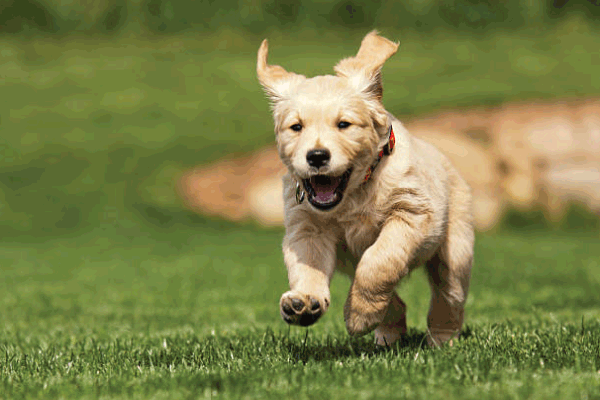
Unleash Their Inner Sniffer: A Comprehensive Guide to Activities for Dogs Who Love to Smell
For many dogs, the world is a symphony of scents, a rich tapestry of information waiting to be unraveled. Their incredible olfactory systems are not just for detecting food; they are their primary way of understanding their environment, communicating with others, and experiencing the world around them. If your canine companion is constantly with their nose to the ground, sniffing every blade of grass and lamppost with intense focus, then you have a dog who thrives on scent-based activities.
This guide is designed to help you harness that natural drive and provide your dog with enriching, engaging, and fulfilling experiences that cater to their olfactory desires. We’ll explore a wide range of activities, from simple at-home games to more involved outdoor adventures, all designed to stimulate their nose and mind.
Understanding Why Your Dog Loves to Smell
Before diving into activities, it’s helpful to understand why dogs are so drawn to scents:
- Information Gathering: Scents tell dogs who has been there, what they’ve eaten, their mood, and even their health status. It’s their version of reading the morning newspaper.
- Communication: Dogs leave scent marks (urine, feces) to communicate with other dogs, establishing territory and social status.
- Exploration and Discovery: For many dogs, sniffing is their primary way of exploring and learning about their surroundings. It’s pure, unadulterated curiosity in action.
- Instinctual Behavior: Many breeds were developed for scent work (hunting, tracking, herding), so their desire to sniff is deeply ingrained.
- Stress Relief and Enrichment: Engaging in scent work can be incredibly calming and mentally stimulating for dogs, reducing boredom and anxiety.
- Building Confidence: Successfully finding a hidden scent can boost a dog’s confidence and sense of accomplishment.
I. At-Home Scent Games: Simple Fun for Everyday Enrichment
You don’t need to leave your house to provide fantastic scent stimulation. These games are perfect for rainy days, quick bursts of fun, or introducing your dog to scent work.
1. The “Find It” Game (The Classic)
This is the cornerstone of at-home scent work and incredibly easy to start.
- How to Play:
- Show your dog a high-value treat or a favorite toy.
- Let them see you hide it in a simple, obvious location (e.g., under a rug, behind a sofa leg).
- Say “Find it!” with an encouraging tone.
- When they find it, praise them enthusiastically and let them have the reward.
- Gradually increase the difficulty by hiding the treat in slightly trickier but still visible spots.
- Progression:
- Multiple Treats: Hide several treats in different locations.
- Blind Hiding: Hide treats while your dog is in another room or facing away.
- Variety of Objects: Use their favorite toys or kibble.
- Room by Room: Dedicate a room for a “scent hunt.”
- Tips:
- Start easy to build confidence.
- Use high-value rewards your dog truly loves.
- Keep it positive and fun; don’t make it frustrating.
- Vary the hiding spots to keep them guessing.
2. The Muffin Tin Game
This is a great way to engage your dog’s nose and problem-solving skills.
- How to Play:
- Get a muffin tin (6-cup or 12-cup).
- Place a few high-value treats in some of the cups.
- Cover all the cups with tennis balls, small toys, or even crumpled paper. Ensure you cover all cups to make it a true scent challenge.
- Let your dog figure out which cups have the treats.
- Progression:
- Fewer Treats: Increase the number of empty cups.
- More Items to Move: Use more items to cover the cups.
- Different Sized Containers: Try placing treats in small boxes or bowls, then covering those.
- Tips:
- Ensure the items covering the cups are safe for your dog to interact with.
- Supervise closely to prevent them from swallowing the coverings.
3. Snuffle Mats
These specially designed mats have fabric strips that hide treats, forcing dogs to use their noses to forage.
- How to Use:
- Sprinkle your dog’s kibble or small, dry treats into the fabric folds of the snuffle mat.
- Place the mat on the floor and encourage your dog to sniff and search for their food.
- Benefits:
- Slows down fast eaters.
- Provides mental stimulation.
- Satisfies natural foraging instincts.
- DIY Option: You can make your own snuffle mat from fleece fabric and a rubber mat with holes.
4. The Cardboard Box Challenge
Simple, cheap, and surprisingly effective!
- How to Play:
- Get a cardboard box (size depends on your dog).
- Put a few treats or a favorite toy inside.
- Close the box, but don’t tape it shut.
- Let your dog figure out how to open the box to get the reward.
- Progression:
- More Boxes: Use multiple boxes, with treats hidden in some.
- Tape it (Lightly): Gradually use a small amount of tape to make it slightly more challenging.
- Stuffing: Fill the box with crumpled paper or other safe materials to make foraging harder.
5. Puzzle Feeders
While not exclusively scent-based, puzzle feeders require dogs to use their noses and paws to release food, providing a good mental workout.
- Types:
- KONGs: Stuff with kibble, peanut butter, yogurt, or wet food. Freeze for a longer-lasting challenge.
- Dispensers: Balls or toys that release kibble as they are rolled.
- Interactive Puzzles: Boards with sliders, levers, and compartments to open.
- Benefits:
- Slows eating.
- Provides mental stimulation.
- Can be used for everyday meals.
II. Outdoor Scent Adventures: Exploring the World Through Their Nose
The outdoors offers an unparalleled smorgasbord of scents. Take advantage of this to provide your dog with truly immersive experiences.
1. Scent Walks (The Foundation of Outdoor Sniffing)
This is about letting your dog lead the way, not the other way around.
- How to Do It:
- On your regular walks, allow your dog ample time to sniff everything.
- Don’t rush them from one spot to the next. Let them linger at interesting smells.
- Follow their cues. If they’re intensely interested in a particular bush or patch of grass, let them investigate.
- Think of it as a “sniffari” where their nose dictates the pace and direction.
- Benefits:
- Reduces stress and anxiety.
- Provides mental enrichment.
- Builds a stronger bond between you and your dog.
- Satisfies their natural need to explore.
- Tips:
- Designate specific “sniff walks” where the goal is purely exploration.
- Carry extra treats to reward them for calm sniffing and for finding interesting scents (e.g., a particularly strong animal trail).
2. Tracking & Trailing
This is a more formal scent activity that mimics how dogs naturally track prey or people.
- What it is:
- Tracking: Following a ground scent trail left by an animal or person. The trail might be old or new.
- Trailing: Following a specific person’s scent, often in a more urban or varied environment.
- How to Start (Informally):
- Have a helper walk a short, winding path (50-100 feet) while you and your dog wait out of sight.
- The helper should drop a few small, high-value treats along the path.
- At the end of the path, the helper can wait or leave a final reward.
- Once the helper is out of sight, bring your dog to the starting point.
- Encourage them to “Find it!” and follow the scent trail.
- Progression:
- Increase the length and complexity of the trail.
- Introduce turns and changes in direction.
- Add “scent articles” (e.g., a glove or bandana) that carry the specific scent you want them to follow.
- Have the helper walk on different surfaces.
- Formal Training: Consider joining a local dog training club that offers scent work, tracking, or nose work classes. These provide structured guidance and access to experienced trainers.
3. Nose Work / Scent Detection
This involves teaching your dog to find specific target odors (like birch, anise, or clove) hidden in various environments.
- How it Works:
- Dogs are initially trained to associate a specific scent with a reward.
- They are then encouraged to search for that scent in increasingly challenging scenarios, often involving containers, vehicles, outdoor areas, and interior rooms.
- The dog signals when they find the scent (e.g., a freeze, a sit, a bark).
- Benefits:
- Highly engaging and mentally challenging.
- Builds immense confidence and teamwork.
- Can be a competitive sport.
- Getting Started:
- Look for “Nose Work” classes in your area. Organizations like NACSW (National Association of Canine Scent Work) are great resources.
- You can also start simple at home by associating a specific essential oil (diluted and safe for dogs) with a treat and hiding it.
4. Hide-and-Seek (with you!)
While this is a game of observation, it also engages your dog’s nose to find you.
- How to Play:
- Have your dog stay or be held by someone.
- Hide in an obvious spot (behind a tree, around a corner).
- Call your dog’s name enthusiastically.
- When they find you, offer lots of praise and a treat.
- Progression:
- Hide in more challenging locations.
- Have them wait for longer periods.
- Use a cue word like “Where’s [dog’s name]?”
5. Exploring New Environments with a Scent Focus
Take your dog to places they haven’t been before where they can sniff to their heart’s content.
- Ideas:
- Nature Trails: Forests, fields, and parks offer a rich tapestry of natural scents.
- Beaches: The salty air, sand, and potential for interesting flotsam provide unique olfactory experiences.
- Different Parks in Your Town: Each park will have different scents and vegetation.
- Pet-Friendly Stores: Many stores allow dogs, giving them exposure to a different set of smells.
- Important Considerations:
- Leash Laws: Always adhere to local leash laws for safety and respect for others.
- Dog’s Comfort Level: Ensure your dog is comfortable in these new environments. If they are fearful, introduce new places gradually.
- Safety: Be aware of potential hazards like wildlife, toxic plants, or discarded items.
III. Advanced Scent Work & Competition Sports
For those who want to take their dog’s scent abilities to the next level, consider these activities:
1. Agility with a Scent Component
While agility is primarily about physical prowess, some courses can incorporate scent elements, or you can add scent games during training breaks.
2. Mantrailing (Specific Type of Trailing)
This is a more advanced form of trailing where the dog is trained to follow a specific person’s scent (the “mantrailer”) from the point they started to their final location. This is a highly specialized and rewarding activity.
3. Canine Good Citizen (CGC) Trick and Behavior Challenges
While not purely scent-based, some advanced CGC titles involve finding hidden objects or identifying specific scents.
4. Dock Diving (with a Scent-Driven Element)
If your dog loves water, you can sometimes hide floating toys for them to find.
IV. Tips for Success and Safety
- High-Value Rewards: Use treats your dog absolutely adores for scent work. This could be small pieces of chicken, cheese, hot dogs, or their favorite training treats.
- Positive Reinforcement: Always use positive reinforcement. Never punish your dog for not finding a scent or for getting distracted.
- Keep it Fun: The primary goal is enrichment. If your dog isn’t enjoying it, adjust the difficulty or try a different activity.
- Start Simple: Begin with easy tasks and gradually increase the challenge. This builds confidence and prevents frustration.
- Short Sessions: Keep scent sessions relatively short, especially at first (5-15 minutes). Dogs can get mentally fatigued.
- Vary the Scents: Use different types of treats, toys, and natural scents to keep things interesting.
- Supervision: Always supervise your dog during scent activities, especially when using toys, puzzle feeders, or new environments.
- Know Your Dog: Pay attention to your dog’s body language. If they seem stressed, anxious, or over-aroused, take a break.
- Environmental Awareness: Be mindful of where you are hiding scents or letting your dog explore. Ensure it’s safe and appropriate.
- Consistency: Regular scent work, even in short bursts, will yield the best results and provide ongoing enrichment.
Unleash the Power of Their Nose!
For dogs who love to smell, their nose is their superpower, their window to the world. By incorporating these activities into your routine, you’re not just entertaining your dog; you’re providing essential mental stimulation, building their confidence, strengthening your bond, and allowing them to truly express their natural instincts. So, let them sniff, let them explore, and watch them thrive!







Add comment