
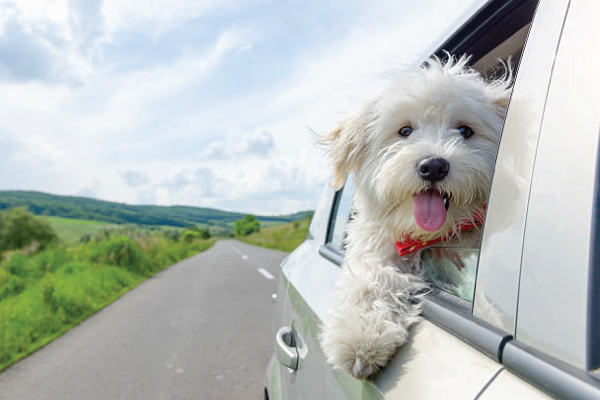
This is a fantastic topic! Social owners often have dogs who thrive on interaction and enjoy engaging with the world alongside their humans. Here’s a comprehensive and elaborate guide to activities for dogs with social owners, covering a wide range, from everyday outings to specialized events:
Activities for Dogs with Social Owners: A Comprehensive Guide to Shared Adventures
Social owners understand that their dog is more than just a pet; they are a beloved companion, a furry family member, and a social butterfly in their own right. This means opportunities to explore, interact, and enjoy life together are paramount. This guide is designed to inspire and equip you with a wealth of activities that cater to both your social nature and your dog’s need for engagement.
I. Everyday Outings: Integrating Your Dog into Your Social Routine
The beauty of having a social owner is that your dog can become a seamless part of your daily life and social engagements.
A. The Power of the Pack Walk:
- Beyond the Basic Stroll: Elevate your daily walks into social events. Invite friends with their dogs to join. This is an excellent way for your dog to practice polite leash manners around other canines and people.
- Considerations: Ensure all dogs are comfortable and well-socialized. Start with shorter meetings and gradually increase duration.
- Variations: Explore different routes, parks, or even urban environments to keep things interesting.
- “Coffee Shop Critters”: Many cafes and breweries now welcome well-behaved dogs on their patios. This is a perfect way to enjoy a social outing with your canine companion.
- Preparation: Train your dog for “place” or “settle” commands, ensuring they can remain calm and relaxed while you chat and sip. Bring a mat for them to lie on.
- Etiquette: Keep your dog leashed and close to you. Be mindful of other patrons and their potential allergies or fears.
B. Park Life: More Than Just Fetch:
- Dog Parks (With Caution and Strategy): While popular, dog parks require careful navigation.
- Choosing the Right Park: Look for well-maintained parks with separate areas for small and large dogs. Observe the dogs already present before entering.
- Responsible Dog Park Etiquette: Supervise your dog at all times. Intervene if play becomes too rough. Avoid bringing high-value toys or treats that can cause resource guarding. Understand your dog’s body language and when to leave.
- “Meetups” at the Park: Organize specific times for friends with dogs to meet at the park, fostering friendships among both humans and canines.
- Picnics and Outdoor Gatherings: Pack a basket and head to a dog-friendly park or scenic spot.
- Doggy Delights: Bring separate, dog-safe snacks and plenty of water for your furry friend.
- Comfort Zone: Ensure your dog has a comfortable place to lie down and access to shade.
C. Exploring the Urban Jungle:
- Dog-Friendly Shops & Boutiques: Many retail businesses, especially those catering to or owned by pet lovers, welcome dogs.
- Training is Key: Your dog should be comfortable walking on a leash in busy environments, ignoring distractions, and not jumping up on displays.
- Reinforce Good Behavior: Positively reward your dog for calm behavior in these settings.
- Farmers Markets: This can be a sensory explosion for dogs! The sights, sounds, and smells can be stimulating.
- Sensory Overload Management: Start with shorter visits. Keep your dog on a short leash. Be prepared to leave if your dog becomes overwhelmed.
- Safe Exploration: Be mindful of where your dog is walking and what they might be tempted to sample (dropped food, etc.).
II. Structured Social Activities: Deepening Bonds and Skills
Moving beyond casual outings, these activities offer more focused interaction and skill development for both you and your dog.
A. Formal Training Classes and Workshops:
- Beyond Basic Obedience: Consider advanced obedience, agility, scent work, or even doggy dancing classes. These are fantastic for mental stimulation and provide a structured environment for social interaction with other dogs and owners.
- Socialization Benefits: Dogs learn to focus on their handler despite distractions, a crucial skill for social settings.
- Human Connection: You’ll meet like-minded dog owners and potentially form lasting friendships.
- Specialized Clinics: Look for workshops on specific issues like leash reactivity, recall, or confidence building. These often attract owners facing similar challenges, fostering a supportive community.
B. Dog Sports and Competitions:
- Agility: A thrilling sport where dogs navigate obstacle courses. It requires teamwork, communication, and is a fantastic outlet for energetic dogs.
- Spectator Friendly: Even if your dog isn’t competing, attending events is a great way to socialize and learn.
- Canicross/Bikejoring/Skijoring: These are “mushing” sports adapted for everyday owners. You and your dog run, bike, or ski together, with the dog providing propulsion.
- Building Partnership: These activities demand a strong bond and clear communication.
- Dock Diving: A fun and exciting sport for water-loving dogs. They leap into a pool to retrieve a toy.
- Social Hubs: Dock diving events are often very social, with owners cheering each other on.
- Rally Obedience: A fun, team-oriented sport where you and your dog navigate a course of obedience stations.
- Approachable for All: It’s often seen as a more relaxed and social version of traditional obedience trials.
C. Organized Dog Walks and “Pack” Events:
- Breed-Specific Meetups: Connect with owners of the same breed. This is a great way to share breed-specific knowledge and allow dogs to play with others of similar temperament and build.
- Charity Dog Walks/Runs: Participate in events that benefit animal shelters or other causes. These are often large, lively gatherings of dog lovers.
- Community Focused: It’s a way to give back while enjoying a shared activity.
- “Yappy Hour” Events: Some establishments host specific dog-friendly happy hours, creating a social atmosphere for pets and their people.
III. Canine-Centric Social Events: Where Your Dog Takes Center Stage
These activities are specifically designed for dogs and their owners to enjoy together, often with a celebratory or themed approach.
A. Dog-Friendly Festivals and Fairs:
- Local Pet Expos: These events are packed with vendors, demonstrations, and opportunities to meet other dog owners.
- Community Festivals: Many general community festivals are becoming increasingly dog-friendly. Always check event guidelines beforehand.
- Prepare for Crowds: Ensure your dog is comfortable and well-trained for busy environments.
B. Doggy Daycare (with caveats):
- Managed Socialization: A good doggy daycare provides supervised play and interaction with a variety of dogs.
- Screening is Crucial: Choose a facility with a thorough screening process for temperament and health. Observe how they manage playgroups.
- Not for Every Dog: Some dogs prefer one-on-one interaction or can get overwhelmed in large groups.
C. Doggy Swim Days:
- Local Pools Open for Dogs: Many community pools have special days where dogs are allowed to swim. This is a fantastic way for dogs to cool off, exercise, and socialize.
- Supervision and Safety: Ensure your dog is a confident swimmer or use a life vest. Keep an eye on them at all times.
IV. Travel and Exploration with Your Social Dog
Your social dog can be your perfect travel companion!
A. Dog-Friendly Vacations:
- Accommodations: Hotels, rental cabins, and even campgrounds often offer dog-friendly options.
- Destinations: Research national parks, beaches, and cities known for their welcoming attitude towards dogs.
- Activities on the Road: Plan for dog-friendly hikes, scenic drives with pull-offs, and visits to dog-friendly attractions.
B. Road Trips and Day Trips:
- Frequent Stops: Plan for regular breaks for potty breaks, exercise, and water.
- Safety First: Utilize a secured crate or a dog seatbelt to ensure your dog’s safety in the car. Never leave your dog unattended in a vehicle.
V. The Importance of Training and Preparation
No matter the activity, proper training and preparation are essential for a positive social experience for both you and your dog.
A. Foundational Skills:
- Reliable Recall: Absolutely crucial for safety in any off-leash or semi-off-leash situation.
- Loose-Leash Walking: Essential for navigating busy environments and preventing pulling.
- “Leave It” and “Drop It”: Prevents your dog from ingesting something harmful or inappropriate.
- “Stay” and “Place/Settle”: Allows your dog to remain calm and under control in various settings.
- Socialization to People and Dogs: Early and ongoing positive exposure is key.
B. Understanding Your Dog’s Temperament:
- Know Their Limits: Is your dog a natural extrovert who thrives in crowds, or are they more of an introvert who prefers smaller, calmer gatherings?
- Read Their Body Language: Learn to recognize signs of stress, fear, or over-arousal (lip licking, yawning, whale eye, tucked tail, stiff body). Be prepared to remove your dog from a situation if they are uncomfortable.
- Respect Their Needs: Don’t force your dog into social situations that clearly distress them.
C. Health and Safety First:
- Vaccinations and Parasite Prevention: Ensure your dog is up-to-date on all necessary vet care.
- Identification: Microchip and a visible ID tag are non-negotiable.
- Leash and Harness: Use appropriate and secure equipment.
- Hydration and Nutrition: Always carry water and appropriate snacks, especially on longer outings.
- Awareness of Environment: Be mindful of paw hazards (hot pavement, sharp objects), toxic plants, and potential encounters with wildlife.
VI. Conclusion: Embracing the Joy of Shared Experiences
Having a social dog with a social owner is a recipe for a rich and fulfilling relationship. By embracing a variety of activities, prioritizing training, and always listening to your dog’s needs, you can create countless cherished memories and deepen the bond you share. The world is full of adventures waiting to be explored, and with your social butterfly by your side, every outing becomes a joyous occasion.
Remember: The goal is to have fun, build a strong partnership, and enrich both your lives. Happy adventuring!







Add comment