
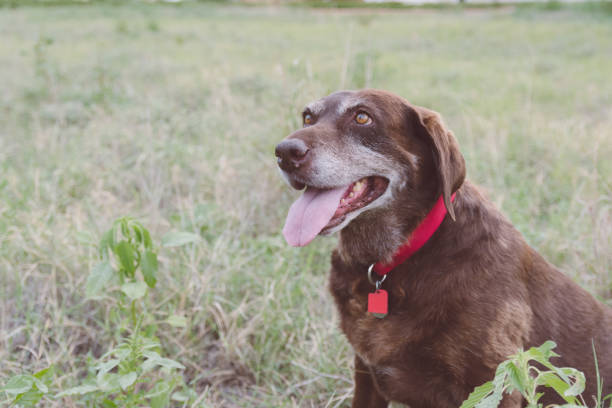
It’s wonderful that you’re prioritizing your senior dog’s well-being! As our canine companions gracefully age, their needs change, and keeping their minds sharp and bodies mobile becomes increasingly important for their quality of life. This comprehensive guide will delve into a variety of activities, from mental stimulation to gentle physical exercises, designed to keep your senior dog engaged, happy, and comfortable.
Understanding Your Senior Dog’s Needs
Before we dive into specific activities, it’s crucial to understand the common changes that occur in senior dogs:
- Cognitive Decline (Canine Cognitive Dysfunction – CCD): Similar to Alzheimer’s in humans, CCD can manifest as confusion, disorientation, changes in sleep patterns, house-soiling accidents, and decreased interaction.
- Physical Ailments: Arthritis, joint pain, reduced stamina, vision and hearing loss, dental issues, and heart conditions are common.
- Behavioral Changes: They might become more anxious, less tolerant of new things, or more clingy.
- Sensory Decline: Reduced eyesight and hearing can make them more hesitant or easily startled.
Always consult your veterinarian before starting any new exercise program, especially for a senior dog. They can assess your dog’s individual health, identify any underlying conditions, and recommend appropriate modifications.
Keeping Their Minds Sharp: Mental Stimulation for Seniors
Mental engagement is vital for preventing cognitive decline and keeping your senior dog feeling like a valued member of the family. The key is to offer activities that are challenging but not overwhelming, adapting to their physical limitations and sensory changes.
1. Puzzle Toys and Treat Dispensers
These are fantastic for engaging your dog’s problem-solving skills and providing a rewarding experience.
- Types of Puzzles:
- Beginner: Simple treat balls where treats fall out with rolling.
- Intermediate: KONG toys that can be stuffed with food, requiring them to lick, nudge, or paw to get the treats out.
- Advanced: Sliding lid puzzles or flip-board toys that require more dexterity and strategic thinking.
- Tips for Seniors:
- Start Simple: Begin with easier puzzles to avoid frustration.
- Use High-Value Treats: Small pieces of their favorite food or healthy dog treats.
- Supervise: Ensure they don’t chew on or ingest parts of the toy.
- Introduce Gradually: Let them explore the toy without any treats first, then add a few.
- Rotate Toys: Keep things interesting by offering different puzzles on different days.
2. Scent Games and Nose Work
Dogs have an incredible sense of smell, and engaging this sense is incredibly rewarding and mentally stimulating for them.
- “Find It” Game:
- Simple Version: Have your dog stay while you hide a treat in a visible spot. Release them with a cue (“Find it!”). As they get better, hide it in slightly more challenging locations.
- Advanced Version: Hide treats around a room or yard, starting with a few and gradually increasing the number and difficulty of hiding spots.
- Scent Trails:
- Lay a trail of small treats leading from one point to another, like from their bed to their food bowl.
- For a greater challenge, use a slightly more enticing scent (like a piece of cheese or chicken) to start the trail.
- Tips for Seniors:
- Low-Impact: These games don’t require much physical exertion.
- Adapt to Vision/Hearing Loss: If your dog has impaired senses, you can use a verbal cue to help them locate the treat.
- Keep It Positive: Celebrate their successes enthusiastically!
3. Gentle Training and Trick Reinforcement
Learning new things, or reinforcing old tricks, is a great way to keep their minds active. Focus on positive reinforcement and short, fun sessions.
- Review Old Tricks: Revisit their favorite tricks, offering praise and treats. This builds confidence and strengthens their cognitive abilities.
- Teach New, Simple Tricks:
- “Touch” (touching their nose to your hand)
- “Spin” (a gentle turn in a circle)
- “Paw” (offering a paw)
- “Bow” (dipping their chest while keeping their rear end up)
- Tips for Seniors:
- Short Sessions: Keep training sessions to 5-10 minutes to avoid fatigue.
- Patient and Positive: Never force them, and celebrate even small successes.
- Break Down Steps: For more complex tricks, break them down into very small, achievable steps.
- Consider Physical Limitations: Adapt tricks to their mobility. For example, if “shake a paw” is difficult, focus on a gentle nose touch instead.
4. Interactive Play (Modified for Age)
While roughhousing might be out, gentle interactive play can still be highly beneficial.
- Tug-of-War (Gentle): Use a soft rope toy and allow them to win some rounds. Keep the tension low and avoid sudden jerks.
- Fetch with Soft Toys: Use soft, lightweight toys and focus on short distances. Let them retrieve the toy and bring it back to you.
- “Shell Game” with Treats: Place a treat under one of three cups (or your hands) and shuffle them gently. Let your dog indicate which one has the treat.
- Tips for Seniors:
- Observe Their Cues: If they seem tired or uncomfortable, end the play session.
- Low Impact: Prioritize activities that don’t put stress on their joints.
- Positive Interaction: The goal is connection and fun, not strenuous exercise.
5. Environmental Enrichment at Home
Simply changing their environment can provide new mental stimulation.
- Rearrange Furniture (Slightly): Small changes can encourage them to explore their surroundings with fresh eyes.
- Introduce New Scents (Safely): Bring in a new, safe plant or a piece of unscented fabric from an interesting outdoor location (ensure it’s safe and free of pesticides).
- Placement of Toys and Treats: Strategically place their favorite toys or a few hidden treats in different areas of the house for them to discover.
- Tips for Seniors:
- Gradual Changes: Don’t overwhelm them with too many changes at once.
- Safety First: Ensure any new additions are non-toxic and pose no choking hazards.
Keeping Their Bodies Mobile: Gentle Exercise for Seniors
Maintaining mobility is crucial for comfort, pain management, and overall well-being. The focus should be on low-impact activities that strengthen muscles, improve joint flexibility, and maintain cardiovascular health without causing pain or injury.
1. Gentle Walks
Regular, short walks are a cornerstone of senior dog exercise.
- Frequency and Duration: Aim for multiple short walks throughout the day rather than one long one.
- Pace: Keep the pace slow and relaxed. Let your dog set the pace and sniff as much as they want.
- Terrain: Stick to flat, even surfaces like grass or a smooth, well-maintained path. Avoid slippery floors or uneven terrain.
- Leash Control: Use a comfortable harness and leash, and avoid pulling or jerking.
- Tips for Seniors:
- Observe for Fatigue: Watch for signs like lagging behind, heavy panting, or limping.
- Rest Breaks: Don’t hesitate to stop and let them rest if needed.
- Consider Weather: Avoid extreme heat or cold, which can exacerbate joint pain.
- Assistance: If your dog struggles with stairs or curbs, consider a ramp or carrying them if they are small enough.
2. Hydrotherapy (Water Therapy)
This is an excellent option for dogs with mobility issues, arthritis, or those recovering from injuries.
- Benefits: The buoyancy of water reduces stress on joints, allowing for a greater range of motion and strengthening muscles. It also improves circulation.
- Options:
- Swimming: In a controlled, safe environment like a canine hydrotherapy pool or a calm, shallow body of water (with supervision).
- Underwater Treadmill: Many veterinary rehabilitation centers offer underwater treadmills, which provide a controlled and guided exercise experience.
- Tips for Seniors:
- Veterinary Recommendation: Always consult your vet before starting hydrotherapy.
- Professional Supervision: Ensure sessions are conducted by trained professionals.
- Gradual Introduction: Let them get used to the water slowly.
- Warm Water: Warm water can be more soothing for aching joints.
3. Gentle Range of Motion Exercises (Passive Range of Motion – PROM)
These exercises involve gently moving your dog’s limbs through their natural range of motion.
- How To:
- Support your dog’s body comfortably.
- Gently flex and extend each limb (leg) individually, one joint at a time (e.g., move the paw back and forth while keeping the elbow still).
- Move slowly and smoothly, stopping if you feel any resistance or if your dog shows signs of discomfort.
- Tips for Seniors:
- Consult Your Vet or a Canine Physical Therapist: They can demonstrate the correct techniques for your dog.
- Short, Frequent Sessions: Several short sessions a day are better than one long one.
- Warm Up: Gentle massage before PROM can help relax the muscles.
- Listen to Your Dog: Never force a movement.
4. Gentle Strength Building Exercises
Targeted exercises can help maintain muscle mass, which supports joints and improves stability.
- Sit-to-Stands: Ask your dog to sit and then stand up. Repeat several times. This works the hindquarters.
- Weight Shifting: With your dog standing, gently encourage them to shift their weight from one side to the other. This engages their core and hindlimb muscles.
- Walking Over Low Obstacles: Use soft, low objects like rolled-up towels or small foam blocks for them to step over. This helps with proprioception (body awareness) and leg strength.
- Tips for Seniors:
- Start Very Small: Begin with just a few repetitions.
- Focus on Form: Ensure they are moving correctly and without pain.
- Gradual Progression: Slowly increase repetitions or the height of obstacles as they get stronger.
5. Balance Exercises
Improving balance is crucial for preventing falls, especially in dogs with weakening muscles or sensory deficits.
- Walking on Different Textures: Introduce them to walking on surfaces like grass, carpet, or a non-slip mat.
- Cavaletti Rails (Low Height): Simple raised poles (like broomsticks on books) that they step over. This encourages them to lift their legs and engage their muscles, improving coordination.
- Tips for Seniors:
- Safety First: Ensure the environment is safe and free of hazards.
- Slow and Steady: Let them go at their own pace.
- Support if Needed: Be ready to offer support if they wobble.
6. Canine Massage and Stretching
Massage can alleviate muscle tension, improve circulation, and promote relaxation. Gentle stretching can help maintain flexibility.
- Techniques: Gentle stroking, kneading, and circular motions along the muscles.
- Stretches: Similar to PROM, but you guide them through gentle stretches.
- Tips for Seniors:
- Learn from a Professional: Ideally, get instruction from a certified canine massage therapist or physical therapist.
- Observe Their Reactions: Stop if your dog seems uncomfortable or stiff.
- Focus on Relaxation: Make it a bonding and calming experience.
General Tips for Exercising and Engaging Your Senior Dog
- Consistency is Key: Regular, even short, sessions of mental and physical activity are more beneficial than infrequent, strenuous ones.
- Observe and Adapt: Pay close attention to your dog’s body language, energy levels, and any signs of pain or discomfort. Adjust activities accordingly.
- Positive Reinforcement: Always use praise, treats, and gentle encouragement. Make it a positive experience.
- Slow and Steady Wins the Race: Avoid sudden movements, strenuous activity, or pushing them beyond their limits.
- Hydration: Ensure your dog has access to fresh water before and after any activity.
- Comfortable Gear: Invest in a well-fitting harness, comfortable leash, and supportive bedding.
- Nutrition: A balanced diet tailored to senior dogs can provide the energy and nutrients they need for their activities.
- Love and Patience: The most important thing you can give your senior dog is your love, patience, and understanding.
By incorporating these activities into your senior dog’s routine, you can significantly enhance their quality of life, keeping their minds sharp and their bodies as mobile and comfortable as possible. Enjoy this precious time with your wise and wonderful companion!







Add comment