
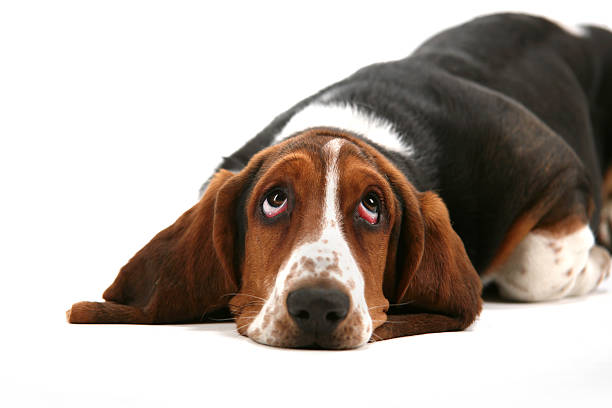
When a beloved dog faces illness, age-related decline, or a chronic disability, their behavior and training needs shift dramatically. While high-intensity training is out of the question, periodic “refresher courses” are vital for maintaining cognitive function, reducing stress, managing symptoms, and preserving the deep bond you share.
This guide provides a compassionate, low-impact framework for reinforcing essential life skills in your ill canine companion.
SECTION 1: The Compassionate Foundation
The primary goal of training an ill dog is not performance; it is comfort, consistency, and dignity. Every session must prioritize the dog’s physical and mental state.
1. Consult Your Veterinary Team
This is the crucial first step. Before starting any refresher course, consult your veterinarian to rule out or manage pain, which is the most common cause of sudden behavioral changes (e.g., aggression, house-soiling, anxiety).
- Adjusting Pain Medication: Ensure your dog’s pain management is optimized. A dog in discomfort cannot learn effectively.
- Cognitive Assessment: If your dog shows signs of confusion, disorientation, or night walking, they may have Canine Cognitive Dysfunction (CCD). Training protocols must be adjusted accordingly (see Section 5).
- Dietary Restrictions: Confirm which, if any, high-value treats are still permissible for motivation.
2. Adapting the Training Environment
Standard training spaces are often too distracting or physically demanding.
| Principle | Actionable Step |
|---|---|
| Low-Impact Area | Choose a soft, familiar space (e.g., a carpeted room, a dog bed). For dogs with mobility issues, use non-slip mats or yoga mats. |
| Short Duration | Sessions must be extremely brief. Aim for 1 to 3 minutes maximum, several times a day, rather than one long session. |
| High Frequency | Practice specific cues (like “stay” or “relax”) during natural daily interactions, not just formal sessions. |
| Minimize Distractions | Turn off the TV, clear clutter, and ensure only one person is involved in the session to maintain a calm, predictable atmosphere. |
SECTION 2: Core Refresher Areas for the Ill Dog
The focus shifts from impressive maneuvers to practical, necessary behaviors that improve daily care and quality of life.
1. Cooperative Care & Handling (The “Happy Handle”)
An ill dog requires frequent handling for medication, bandaging, physical therapy, and veterinary exams. They must learn to tolerate these procedures calmly.
| Skill | Method |
|---|---|
| Accepting Touch | Target the areas requiring the most frequent handling (paws, ears, mouth, abdomen). Start by touching the area very gently for 1 second, immediately followed by the highest-value reward. Gradually increase the duration or intensity of the touch. |
| Pill Taking / Syringe | If giving medication is stressful, practice the “fake pill” routine. Offer a high-value treat, then pretend to administer the medicine (e.g., gently lifting the lip) and immediately follow with another high-value treat. Keep the sequence identical to the real routine. |
| Accepting Gear | If the dog now uses a sling, harness, or wheels, pair the presence of the equipment with a positive reward. Never force the equipment onto them; use slow, desensitization steps. |
2. Emergency & Comfort Recall
Standard fast recall is often impossible. The refreshed recall must focus on acknowledging the owner’s voice and minimizing energy expenditure.
- The “Come Here, I’ll Bring the Party” Recall: If the dog struggles to stand or walk, the recall cue should signal that you are coming to them with something wonderful.
- Say the cue (“Come” or the dog’s name).
- If they look at you, toss a treat right to them.
- If they can move, reward the effort of movement, not the speed.
- Goal: The dog associates the cue with comfort and attention, not strenuous exercise.
3. Management of Incontinence and House Training
Illness often disrupts bladder or bowel control, leading to accidents and owner frustration. Never punish accidents. Punishment only increases anxiety and damages the bond.
- Positive Reinforcement for Pads: If using pee pads or dog diapers, reward the dog heavily every time they successfully eliminate on the appropriate surface.
- The Scheduled Success: Reinforce the routine. Take your dog out more frequently (e.g., every 2 hours, regardless of need). Reward them immediately upon completing their business outside.
- The “Oops” Protocol: If an accident occurs inside, clean it thoroughly with an enzymatic cleaner (to eliminate odor cues) and show no visible reaction to the dog.
SECTION 3: Low-Stress Training Methodology
The methodologies employed must prioritize reinforcement and calmness over correction or precision.
1. The Power of “Passive” Cues
For dogs with joint pain or severe mobility issues, avoid cues that require standing, sitting, or complex movement. Focus on passive, static cues.
- “Relax” or “Settle”: Reward the dog for lying down calmly, sighing, or resting their head. This cue is invaluable for reducing anxiety during medical procedures or enforced rest.
- “Head Down”: Useful for examinations or for keeping a dog calm while they are recovering from surgery. Lure their head gently down to the floor or a pillow and mark/reward the moment the chin touches.
- Fading the Cue: If a dog is slow to respond, use a physical lure (a treat near their nose) simultaneously with the verbal cue. As they respond, gradually remove the lure until only the verbal cue remains.
2. High-Frequency, Low-Energy Reinforcement
Because energy is limited, make every reward count.
- Jackpot Rewards: For perfect execution of a critical behavior (e.g., remaining calm during a pill administration), follow the successful action with a series of 3–5 small, rapid treats (“a jackpot”) to maximize the positive association.
- Non-Food Reinforcement: Use gentle massage, slow praise in a calm voice, or a favorite plush toy for play if food rewards are limited.
3. Understanding Latency (The Delay)
An ill or geriatric dog will have significantly longer response times (latency).
- Wait and Reward: Wait longer for the dog to process the cue. If you ask for a “Sit” and it takes 15 seconds for the dog to slowly lower their hips, reward that effort immediately. Do not repeat the cue until the dog has fully processed the first request.
SECTION 4: Training Adjustments for Specific Conditions
Different illnesses require different sensory and physical accommodations.
1. Canine Cognitive Dysfunction (CCD)
CCD causes confusion, memory loss, and routine disruption. The goal is to maximize mental stimulation and minimize stress.
- Focus on Routine: Use training refreshers to stabilize their daily schedule. Practice the same cues in the same locations at the same times (e.g., “Outside” before breakfast, “Bed” after last potty break).
- Scent Work & Enrichment: Since CCD often leaves olfactory senses intact, focus on low-impact scent games (e.g., scattering treats on a snuffle mat or under a towel). This is mentally engaging without physical strain.
- Avoid Novelty: Do not introduce new words, toys, or routes during this stage; this increases confusion. Stick strictly to established cues.
2. Vision or Hearing Loss
When primary senses fail, training must incorporate tactile and olfactory cues.
- Compensate for Hearing Loss: Switch verbal cues to hand signals or touch cues. For example, a gentle tap on the shoulder means “Sit.” Use vibrations (stomping gently on the floor) to get the dog’s attention.
- Compensate for Vision Loss: Ensure verbal cues are clear, distinct, and always delivered before you touch the dog (to avoid startling them). Keep all furniture and pathways constant to help them navigate their home based on memory.
3. Mobility Impairment (Arthritis, Paralysis)
If a dog is highly restricted, training can focus solely on mental engagement.
- Head Targeting: Teach the dog to touch their nose to your hand, a pillow, or a specific target stick. This is excellent mental work that requires little to no body movement.
- “Look at Me”: This is a critical focus exercise. Reward the dog heavily for making eye contact on cue. It grounds them and ensures they are ready for the next instruction (or medication).
FINAL THOUGHTS: Commitment and Quality of Life
Refreshing training for an ill canine is perhaps the most meaningful training you will ever do. It is a commitment to their comfort and dignity.
Remember that any attempt, however small, to hold a routine is a cognitive victory. If your dog refuses to engage, simply end the session and try again when they are rested.
Embrace the small wins: A quick response to their name, calmly accepting a painful injection, or choosing to eliminate on a pee pad are all monumental successes for an ill companion. The love and patience you demonstrate during these training refreshers are the ultimate reward for your loyal friend.






Add comment