
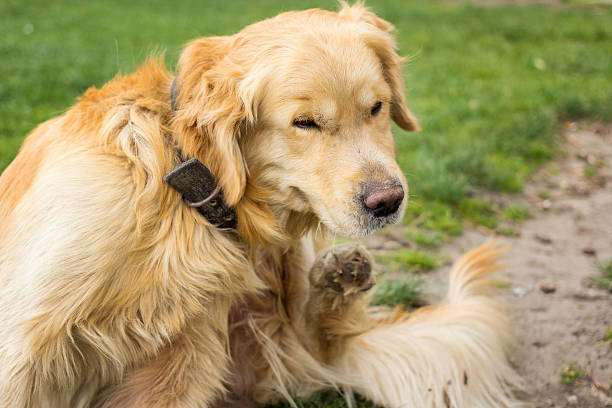
Coughing is one of the most common respiratory complaints presented by dog owners to veterinary clinics worldwide. While a dry, occasional bark can simply be a harmless expression of excitement, an acute, persistent, or “wet” cough—often referred to by the Latin term tussis—may signal an underlying disease that demands prompt attention. This guide explores every facet of acute coughing in dogs, from etiology and clinical presentation to diagnostic work‑up, therapeutic options, prognosis, and preventive measures. The information presented is intended for veterinary professionals, veterinary students, and informed dog owners who wish to understand and manage this condition responsibly.
2. Overview of Acute Coughing (Tussis) in Dogs
- Definition: An acute cough is a sudden onset of coughing that lasts less than three weeks. When the cough persists beyond three weeks, it is classified as chronic and warrants a different diagnostic algorithm.
- Pathophysiology: Coughing is a protective reflex generated by stimulation of cough receptors located in the larynx, trachea, bronchi, and even the peritoneal cavity. The reflex arc involves afferent sensory fibers (primarily vagus), a central processing center in the medulla, and efferent motor pathways that produce the characteristic inspiratory effort, glottic closure, and forceful expiratory burst.
- Clinical Significance: Acute cough can be a self‑limiting viral infection, but it can also herald life‑threatening emergencies such as tracheal rupture, severe pneumonia, or cardiac edema. Recognizing red‑flag signs early can be the difference between a quick recovery and a fatal outcome.
3. Causes of Acute Coughing
Acute coughs can be grouped into infectious, non‑infectious, environmental, allergic, and cardiac origins. In many cases, more than one factor is involved, creating a multifactorial syndrome.
3.1 Infectious Causes
| Pathogen | Typical Presentation | Comments |
|---|---|---|
| Canine Parainfluenza Virus (CPIV) | Dry, “honking” cough; may follow a mild fever. | Often part of the kennel cough complex; highly contagious in group housing. |
| Canine Adenovirus‑2 (CAV‑2) | Similar to CPIV; can cause tracheobronchitis. | Vaccination (DA2PP) provides protection. |
| Bordetella bronchiseptica | Classic “kennel cough” – dry, harsh cough that may be worse after exercise. | Can be bacterial or part of a mixed viral‑bacterial infection. |
| Canine Influenza Virus (H3N2/H3N8) | Fever, lethargy, nasal discharge, cough that may become productive. | Highly contagious in shelters and dog shows. |
| Canine Distemper Virus (CDV) | Systemic signs (fever, ocular/nasal discharge) plus a harsh cough; often fatal. | Requires aggressive supportive care; vaccination is essential. |
| Mycoplasma spp. | Persistent, dry cough; may coexist with other agents. | Often overlooked; PCR testing is needed. |
| Bacterial pneumonia (Streptococcus, Staphylococcus, Pasteurella, Pseudomonas, etc.) | Cough that becomes wet or productive with purulent sputum; may have fever and lethargy. | May result from aspiration or secondary infection after viral disease. |
| Fungal infections (Blastomyces, Coccidioides, Histoplasma) | Cough accompanied by weight loss, fever, and sometimes skin lesions. | Endemic to specific geographic regions; requires specialized testing. |
3.2 Non‑Infectious Causes
| Condition | Mechanism | Typical Signs |
|---|---|---|
| Tracheal Collapse | Progressive weakening of tracheal cartilage (common in toy breeds). | High‑pitched “goose‑honking” cough, worsens with excitement or heat. |
| Bronchitis/Bronchiolitis | Inflammation of bronchi/bronchioles, may be idiopathic. | Dry cough, occasional wheeze, may respond to bronchodilators. |
| Heartworm Disease (Dirofilaria immitis) | Obstruction of pulmonary arteries leads to pulmonary hypertension. | Dry cough that may be intermittent; may progress to right‑heart failure. |
| Pulmonary Edema (Cardiogenic or Non‑cardiogenic) | Fluid accumulation in alveoli due to left‑sided heart failure or severe inflammation. | Cough with frothy nasal discharge, rapid breathing, cyanosis. |
| Laryngeal Paralysis | Failure of arytenoid cartilages to abduct during inspiration. | Harsh cough, noisy breathing, exercise intolerance; common in older large‑breed dogs. |
| Foreign Body Aspiration | Mechanical irritation or obstruction of airway. | Sudden onset cough, gagging, retching; may cause aspiration pneumonia. |
| Neoplasia (Bronchogenic carcinoma, pulmonary adenocarcinoma, thymoma) | Tumor mass irritates airway or causes obstruction. | Persistent cough, weight loss, possible chest pain. |
| Trauma (Tracheal rupture, blunt thoracic injury) | Direct damage to airway structures. | Sudden severe cough, subcutaneous emphysema, respiratory distress—veterinary emergency. |
3.3 Environmental & Allergic Triggers
- Smoke (tobacco, wood, wild‑fire) – irritates mucosa, precipitates cough.
- Dust, mold spores, pollen – may trigger allergic bronchitis or exacerbate existing airway disease.
- Chemical irritants (cleaning agents, aerosolized perfumes) – direct mucosal irritation.
3.4 Summary of Etiologic Spectrum
In practice, 90 % of acute coughs in dogs present as part of the kennel cough complex (viral and/or Bordetella). However, the remaining 10 % may involve more serious etiologies such as bacterial pneumonia, heart disease, or airway collapse. A systematic approach to history‑taking, physical examination, and diagnostic testing is essential to differentiate these possibilities.
4. Signs and Symptoms
While the cough itself is the hallmark, the accompanying clinical picture helps narrow the differential list.
| Category | Specific Signs | Diagnostic Value |
|---|---|---|
| Respiratory | – Dry, hacking cough (tracheal collapse, kennel cough) – Productive cough with purulent sputum (bacterial pneumonia) – Cough accentuated by excitement, heat, or after meals (tracheal collapse) – Wheezing or crackles on auscultation (bronchitis, pneumonia) – Dyspnea, labored breathing (pulmonary edema, severe pneumonia) |
Localization of the problem (upper vs lower airway). |
| Systemic | – Fever, lethargy, inappetence (infectious causes) – Weight loss (neoplasia, chronic bronchitis) – Cyanosis (severe hypoxia) |
Indicates severity; may suggest systemic infection or hypoxemia. |
| Cardiovascular | – Jugular venous distension (right‑heart overload) – Heart murmur, gallop rhythm (heart disease) |
Suggests cardiac contribution to cough. |
| Gastrointestinal | – Regurgitation, vomiting (esophageal disease, foreign body) | Helps rule out aspiration or esophageal causes. |
| Behavioral | – Cough worsens after exercise, climbing stairs, or during hot weather. | Typical of tracheal collapse or bronchial hyper‑reactivity. |
| Physical Exam Findings | – Hyperemia of larynx or pharynx (irritation) – Palpable subcutaneous emphysema (tracheal rupture) – Harsh lung sounds, crackles (pneumonia) |
Guides diagnostic imaging and lab work. |
Red‑Flag Signs that require immediate veterinary attention:
- Sudden onset of severe coughing with choking or retching.
- Cough accompanied by labored breathing, cyanosis, or collapse.
- Hemoptysis (coughing up blood).
- Cough with high fever (> 103 °F/39.5 °C) or signs of septic shock.
5. Dog Breeds at Risk
Certain breeds are predisposed to specific causes of acute cough due to conformation, genetic factors, or popular use in environments (e.g., shelters, breeding facilities). Below is a concise list with a paragraph explaining why each breed is vulnerable.
| Breed | Primary Risk(s) | Explanation |
|---|---|---|
| Toy Poodles, Chihuahuas, Yorkshire Terriers | Tracheal collapse, bronchial disease | Their tiny, delicate tracheal cartilage predisposes them to progressive weakening, especially when exposed to chronic irritation (e.g., smoke, stress). |
| Boston Terriers, Pugs, French Bulldogs | Brachycephalic airway syndrome, laryngeal paralysis | The short skull and narrowed nasopharynx cause turbulent airflow; any inflammation can quickly provoke a cough. |
| Boxers, Golden Retrievers, Labrador Retrievers | Heartworm disease, pulmonary edema, bronchial carcinoma | Large‑breed dogs often experience higher heartworm loads due to outdoor activity; some (Boxers) have a genetic predisposition to cardiac disease. |
| German Shepherds, Doberman Pinschers | Dilated cardiomyopathy, tracheal collapse (rare) | Cardiac disease leads to pulmonary congestion and cough; German Shepherds also have a predisposition to allergic bronchitis. |
| Siberian Huskies, Alaskan Malamutes | Infectious respiratory disease in boarding facilities | Their popularity in working groups and frequent participation in kennel‑style events increase exposure to Bordetella and influenza. |
| Mastiffs, Great Danes | Laryngeal paralysis, aspiration pneumonia | Large, deep‑chested breeds are prone to age‑related laryngeal dysfunction and may aspirate due to reduced swallowing coordination. |
| Mixed‑breed dogs from shelters | Kennel cough, Bordetella, canine influenza | High density and stress in shelters create an ideal environment for viral and bacterial spread. |
Overall, the combination of conformation (e.g., brachycephalic airways), genetic predisposition (e.g., tracheal collapse), and environmental exposure (shelters, breeding farms) determines the likelihood of an acute cough. Owners of high‑risk breeds should be especially vigilant for early signs and maintain routine preventive care (vaccination, heartworm prophylaxis, weight management).
6. Age‑Related Susceptibility
| Age Group | Typical Etiologies | Why These Dogs Are Affected |
|---|---|---|
| Puppies (≤ 6 months) | Kennel cough (CPIV, CAV‑2, Bordetella), Early‑onset heartworm, Congenital airway malformations. | Immature immune system and frequent exposure to other puppies in breeding or socialization settings increase infection risk. |
| Adult Dogs (1‑7 years) | Bacterial pneumonia (post‑viral), Exercise‑induced bronchoconstriction, Traumatic aspiration, Environmental irritants. | Robust immune response often contains infections, but high activity level can precipitate airway irritation. |
| Senior Dogs (≥ 8 years) | Tracheal collapse, Laryngeal paralysis, Cardiac disease (pulmonary edema, heartworm‑associated PH), Neoplasia, Chronic bronchitis. | Age‑related degeneration of cartilage, reduced airway tone, and higher prevalence of cardiac disease predispose older dogs to chronic or acute coughing episodes. |
A life‑stage approach assists clinicians to prioritize differentials based on the dog’s age, thus streamlining diagnostics and therapy.
7. Diagnosis
A stepwise diagnostic algorithm is essential to identify the underlying cause of an acute cough and to guide treatment.
7.1 History Taking
- Onset & Duration: Sudden vs gradual; < 3 weeks (acute) vs > 3 weeks (chronic).
- Environment: Recent boarding, daycare, shows, or exposure to other dogs.
- Vaccination & Preventive History: Bordetella vaccine, DHPP, heartworm prophylaxis.
- Travel & Geographic Exposure: Travel to endemic fungal areas (e.g., Ohio River Valley for Histoplasma).
- Diet & Allergens: Recent changes in food, exposure to smoke, dust, or chemicals.
- Associated Signs: Fever, nasal discharge, lethargy, vomiting, exercise intolerance.
7.2 Physical Examination
- General Observations: Body condition, temperature, mucous membrane color.
- Auscultation: Detect wheezes, crackles, harsh bronchial sounds, or heart murmurs.
- Palpation: Subcutaneous emphysema, tracheal tenderness.
- Oral/Pharyngeal Exam: Look for pharyngeal erythema, foreign bodies, or dental disease.
7.3 Laboratory Tests
| Test | Indications | What It Reveals |
|---|---|---|
| CBC | Fever, systemic illness | Leukocytosis (bacterial), lymphocytosis (viral), eosinophilia (allergic/fungal). |
| Serum Chemistry | Assess organ function before medication. | Liver/kidney values for drug dosing; hyperglobulinemia (chronic infection). |
| Heartworm Antigen Test | Outdoor dogs, endemic regions. | Presence of adult D. immitis antigens. |
| PCR for Respiratory Pathogens (Bordetella, CPIV, CAV‑2, Mycoplasma, Influenza) | Suspected kennel cough. | Identifies specific agent. |
| Fungal Serology (Blastomyces, Coccidioides) | Travel to endemic areas, chronic cough. | Detects antibodies; supportive of fungal infection. |
| Blood Gas & Lactate | Severe dyspnea. | Assess oxygenation, acid‑base status. |
7.4 Imaging
- Thoracic Radiographs (Two‑View) – First‑line imaging. Detects pneumonia, heart enlargement, pulmonary edema, masses, tracheal narrowing.
- CT Scan (Helical) – Provides superior airway detail for tracheal collapse, bronchial wall thickening, or neoplasia.
- Echocardiography – Indicated when cardiac disease is suspected (heartworm, cardiomyopathy).
7.5 Advanced Diagnostic Procedures
- Bronchoscopy – Direct visualization of trachea/bronchi; allows bronchoalveolar lavage (BAL) for cytology and culture.
- Fine‑Needle Aspiration (FNA) / Biopsy – For suspicious masses identified on imaging.
- Airway Endoscopy – Helpful in diagnosing laryngeal paralysis and tracheal collapse severity.
7.6 Diagnostic Decision Tree (Simplified)
- Acute cough < 3 weeks → Obtain history & physical exam.
- Red‑flag signs present? → Stabilize (oxygen, fluids) → Emergency imaging (radiographs) → Treat as emergency (e.g., tracheal rupture, severe pneumonia).
- No red flags → Perform CBC, chemistry, and Bordetella/Parainfluenza PCR.
- Radiographs → If normal → Consider tracheal collapse, bronchitis, early pneumonia.
- Abnormal radiographs → Identify pattern (alveolar infiltrates → pneumonia; cardiomegaly → cardiac etiology; mediastinal mass → neoplasia).
- Specific tests (heartworm antigen, fungal serology, bronchoscopy) based on radiographic pattern and history.
8. Treatment
Therapeutic decisions are guided by the identified cause, severity of clinical signs, and overall health status of the dog. Below, we outline the cornerstone therapies for the common categories of acute cough.
8.1 General Supportive Care
| Intervention | When to Use | Details |
|---|---|---|
| Rest & Isolation | All dogs with contagious disease or after trauma | Limit activity for 7‑10 days; keep away from other dogs to curb spread. |
| Fluid Therapy | Dehydrated or septic patients | Balanced crystalloids (e.g., Lactated Ringer’s) – 30 ml/kg bolus if hypovolemic. |
| Oxygen Supplementation | Moderate to severe dyspnea, hypoxemia (SpO₂ < 90 %) | Flow-by or nasal cannula; consider mechanical ventilation if refractory. |
| Nutritional Support | Anorexic or severely ill dogs | Highly digestible, palatable diet; consider appetite stimulants (e.g., mirtazapine). |
| Environmental Control | All patients | Remove smoke, dust, strong fragrances; maintain humidity 40‑60 % to ease airway irritation. |
8.2 Specific Pharmacologic Therapy
8.2.1 Antimicrobial Therapy
| Indication | First‑Line Drug | Dose & Duration | Comments |
|---|---|---|---|
| Bacterial pneumonia (confirmed or highly suspected) | Amoxicillin‑clavulanic acid | 12.5–20 mg/kg PO q12h for 7–14 days | Broad‑spectrum; covers Streptococcus, Pasteurella, Staphylococcus. |
| Pseudomonas or resistant gram‑negatives | Enrofloxacin | 5–10 mg/kg PO q24h for 7–14 days | Watch for retinal toxicity at high doses. |
| Mycoplasma infection | Doxycycline | 5 mg/kg PO q12h for 14 days | Avoid in puppies < 8 weeks; monitor for GI upset. |
| **Bordetella (if vaccine failure or severe) ** | Tylosin (oral) or enrofloxacin | 15 mg/kg PO q12h for 5 days | Antibiotic choice may vary by culture-sensitivity. |
| Fungal pneumonia | Itraconazole or Fluconazole | 5–10 mg/kg PO q24h (itraconazole) for 4–6 weeks | Requires liver enzyme monitoring. |
Important: Antimicrobial stewardship demands culture and sensitivity whenever possible. Empiric therapy should be de‑escalated based on results.
8.2.2 Anti‑inflammatory & Immunomodulatory
- Corticosteroids (Prednisone, Dexamethasone) – Indicated for severe bronchial inflammation, immune‑mediated bronchitis, or tracheal collapse flare‑ups. Typical dose: Prednisone 0.5–1 mg/kg PO q24h, taper over 2–3 weeks.
- Bronchodilators (Theophylline, Albuterol inhalers) – Helpful for bronchoconstriction; Theophylline 5–10 mg/kg PO q12h. Use cautiously in cardiac disease.
8.2.3 Cough Suppressants
- Hydrocodone (0.1 mg/kg PO q8–12h) – Useful for severe, dry, non‑productive cough where coughing interferes with rest or causes vomiting.
- Butorphanol (0.2 mg/kg PO q8h) – Provides mild antitussive and analgesic effects.
Caution: Suppressing cough in a dog with productive pneumonia can retain secretions; use only when benefits outweigh risks.
8.2.4 Cardiac & Vascular Support
- Heartworm disease – Adulticidal therapy (melarsomine injections) after stabilization; diuretics (furosemide 2–4 mg/kg PO q12h) for pulmonary edema.
- Congestive heart failure – ACE inhibitors (enalapril 0.5 mg/kg PO q12h), pimobendan (0.2–0.3 mg/kg PO q12h).
8.2.5 Specific Treatment for Tracheal Collapse
- Weight management – Maintain ideal body condition score (BCS 4–5/9) to reduce thoracic pressure.
- Cough suppressants + anti‑inflammatories – As above.
- Surgical options (tracheal stenting, extraluminal prosthesis) – Reserved for severe, refractory cases.
8.3 Monitoring & Re‑evaluation
- Frequency: Re‑check at 48–72 h after initiating therapy; sooner if worsening.
- Parameters: Temperature, respiratory rate, effort, cough frequency, appetite, and hydration status.
- Diagnostic Follow‑up: Repeat thoracic radiographs 7–10 days after starting antibiotics for pneumonia to confirm resolution.
9. Prognosis & Complications
| Condition | Expected Prognosis (with appropriate treatment) | Potential Complications |
|---|---|---|
| Kennel cough (viral/bacterial) | Excellent – most resolve within 2 weeks. | Secondary bacterial pneumonia, tracheal collapse (in predisposed breeds). |
| Bacterial pneumonia | Good to fair – 80 % recover with proper antibiotics. | Lung abscess, chronic bronchitis, pleural effusion, sepsis. |
| Fungal pneumonia | Variable – depends on early diagnosis; 60‑80 % cure with long‑term antifungals. | Chronic respiratory failure, dissemination to other organs. |
| Heartworm‑associated cough | Good if disease is caught early; adulticidal treatment combined with heart failure management yields > 85 % survival. | Pulmonary hypertension, right‑heart failure, death if pulmonary artery obstruction is severe. |
| Tracheal collapse | Chronic condition – cough can be managed; quality of life generally good with weight control and medical therapy. | Progressive airway obstruction, sudden respiratory crisis, need for surgical stenting. |
| Laryngeal paralysis | Fair – surgical laryngeal tie‑back improves airway patency in > 85 % of cases. | Aspiration pneumonia, progressive dysphagia. |
| Pulmonary neoplasia | Guarded – median survival 3–9 months depending on tumor type and resectability. | Metastasis (lungs, lymph nodes), paraneoplastic syndromes. |
| Traumatic tracheal rupture | Critical – emergency surgery required; survival 30‑50 % depending on extent and promptness of care. | Subcutaneous emphysema, mediastinitis, airway stenosis. |
Key Points
- Early identification and treatment dramatically improve outcomes.
- Age, breed, and comorbidities (e.g., cardiac disease) influence prognosis.
- Owner compliance with medication, follow‑up appointments, and environmental modifications is pivotal.
10. Prevention
- Vaccination
- Bordetella bronchiseptica (intranasal or injectable) – Recommended for dogs in boarding, dog‑daycare, or those that frequently interact with other dogs.
- Canine Parainfluenza (part of DHPP‑L‑U – DAPP‑L – or as a separate intranasal vaccine) – Helps lower kennel cough incidence.
- Heartworm Prophylaxis
- Monthly ivermectin, milbemycin oxime, or selamectin, administered year‑round in most endemic regions.
- Environmental Hygiene
- Regular cleaning of kennels, avoidance of overcrowding, proper ventilation, and elimination of smoke sources.
- Weight Management
- Maintaining optimal body condition reduces stress on the trachea and lungs, especially in breeds prone to tracheal collapse.
- Allergen Avoidance
- For dogs with known environmental allergies, use air purifiers, wash bedding frequently, and avoid scented cleaning agents.
- Routine Health Checks
- Annual veterinary examinations (including cardiac auscultation and thoracic radiographs for at‑risk breeds) help detect early cardiac or airway disease before cough manifests.
- Owner Education
- Teach owners the importance of immediate veterinary evaluation for sudden or severe coughing, especially if accompanied by systemic signs.
11. Diet and Nutrition
While diet does not directly cure an acute cough, optimal nutrition supports the immune system, aids tissue repair, and can mitigate some contributing factors.
| Nutrient | Role in Respiratory Health | Food Sources & Recommendations |
|---|---|---|
| High‑Quality Protein | Provides amino acids for mucosal repair and immune cell proliferation. | Lean meat (chicken, turkey), fish, eggs; aim for ≥ 25 % of metabolizable energy (ME). |
| Omega‑3 Fatty Acids (EPA/DHA) | Anti‑inflammatory; reduces airway edema. | Fish oil supplements (500–1000 mg EPA/DHA per day for a 20 kg dog). |
| Vitamin E & Selenium | Antioxidant protection against oxidative stress from inflammation. | Commercial diets with added tocopherols; supplemental Vitamin E (10 IU/kg PO daily). |
| Vitamin C | Supports leukocyte function; may thin mucus. | Small amounts in fresh fruits (blueberries) – not essential as dogs synthesize vitamin C, but can be supportive. |
| Beta‑Glucans & Prebiotics | Modulate gut‑associated lymphoid tissue, enhancing systemic immunity. | Commercial functional foods or supplements containing yeast beta‑glucan or chicory root. |
| Low‑Salt/Low‑Fat Diet | Important for dogs with cardiac disease or pulmonary edema. | Prescription cardiac diets (e.g., Hill’s c/d) or home‑cooked meals with reduced sodium. |
| Water | Maintains mucosal hydration, aids clearance of secretions. | Ensure fresh water is always available; consider humidifiers in dry climates. |
Feeding Strategies for Specific Scenarios
- Puppies with Cough: Offer frequent, small meals of highly digestible, high‑protein puppy formula to avoid over‑exertion after meals.
- Dogs with Tracheal Collapse: Provide palatable, low‑volume meals (e.g., warmed wet food) to limit thoracic pressure during swallowing.
- Heartworm‑Positive or Cardiac Dogs: Use low‑sodium therapeutic diets and avoid over‑feeding.
12. Zoonotic Risks
Most causes of acute cough in dogs are species‑specific and do not pose a direct threat to humans. However, a few exceptions exist:
| Pathogen | Zoonotic Potential | Human Disease | Transmission Mode |
|---|---|---|---|
| Bordetella bronchiseptica | Low; can infect immunocompromised humans, especially infants or the elderly. | Pertussis‑like cough (rare). | Aerosolized droplets from coughing dog. |
| Canine Influenza Virus (H3N2/H3N8) | Very low; no documented human infections. | — | — |
| Mycoplasma spp. | Very low; rarely reported in humans. | Respiratory symptoms. | Close contact with infected dog. |
| Fungal agents (Blastomyces, Coccidioides, Histoplasma) | Moderate to high; inhalation of spores can cause systemic mycoses in humans. | Pulmonary blastomycosis, coccidioidomycosis, histoplasmosis. | Environmental exposure; dog serves as sentinel. |
| Heartworm (Dirofilaria immitis) | None; humans cannot develop adult heartworms, but can develop subcutaneous nodules. | Pulmonary “coin” lesions (rare). | Mosquito vector; not directly from dog to human. |
Practical Recommendations for Owners
- Hand hygiene after handling a coughing dog, especially if the dog is known to be infected with Bordetella or fungi.
- Avoid close face‑to‑face contact with a dog that is actively coughing, particularly for immunocompromised household members.
- Environmental control: Clean and disinfect surfaces, use HEPA filters, and limit exposure of vulnerable humans to contaminated dust in homes with a dog diagnosed with a zoonotic fungus.
13. Summary & Key Takeaways
- Acute cough in dogs is a symptom, not a disease; it may arise from viral, bacterial, fungal, allergic, traumatic, neoplastic, or cardiac origins.
- History, physical exam, and targeted diagnostics (CBC, thoracic imaging, PCR panels, heartworm testing) are vital to pinpoint the cause.
- Treatment must be cause‑specific: antibiotics for bacterial pneumonia, antivirals are seldom used, antifungals for fungal disease, heartworm therapy for pulmonary heartworm disease, and cough suppressants only when the cough is non‑productive and distressing.
- Prognosis is generally good for infectious or inflammatory causes when identified early; poorer for neoplastic or severe traumatic conditions.
- Prevention hinges on vaccination, heartworm prophylaxis, environmental hygiene, weight management, and regular veterinary wellness exams.
- Nutrition plays a supportive role—high‑quality protein, omega‑3 fatty acids, and antioxidants bolster the immune response and reduce airway inflammation.
- Zoonotic considerations are limited but important for Bordetella and fungal infections; proper hygiene and isolation measures protect at‑risk humans.
By integrating thorough diagnostics, evidence‑based therapeutics, and diligent preventive strategies, veterinarians and owners can effectively manage acute coughing in dogs, ensuring a swift return to health and minimizing the risk of complications.
#CanineCough, #DogHealth, #VeterinaryMedicine, #KennelCough, #DogRespiratory, #PetCare, #DogVaccines, #HeartwormPrevention, #DogNutrition, #PetWellness, #DogBreeds, #DogOwners, #VeterinaryTips, #DogSafety, #PetZoonoses, #DogLifestyle, #HealthyPups, #SeniorDogCare, #DogFirstAid, #CanineWellbeing





Add comment