
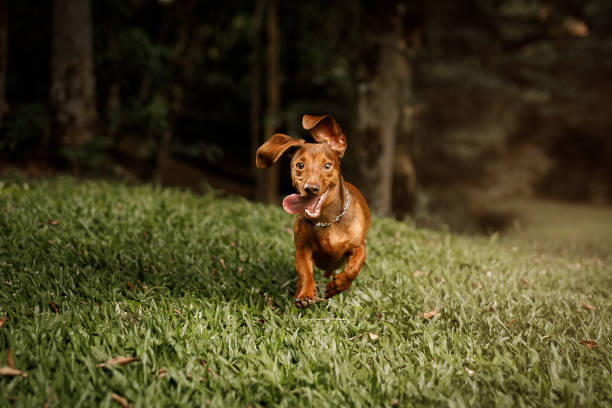
Dogs thrive on exploration, fresh air, and quality time with their owners. However, when a dog develops balance or mobility challenges—due to age, injury, or conditions like Vestibular Disease, Cerebellar Hypoplasia, or Degenerative Myelopathy (DM)—outdoor adventures require thoughtful adaptation.
This guide provides practical strategies, essential equipment lists, and critical safety protocols to ensure your balance-challenged companion can still enjoy the great outdoors safely and happily.
SECTION 1: Understanding the Challenge and Establishing Baselines
Before modifying any routine, it is paramount to understand the specific limitations of your dog. Balance issues are often symptoms of an underlying medical condition.
1.1 Mandatory Veterinary Consultation
Action Item: Before increasing any level of physical activity, consult your veterinarian or a certified canine rehabilitation therapist (CCRT).
- Diagnosis & Prognosis: Understand the nature of the instability (is it static, degenerative, or episodic?). This dictates appropriate activity levels.
- Pain Management: Dogs compensating for weakness often strain other muscle groups. Ensure current pain management is optimized to prevent secondary injuries.
- Gait Analysis: A professional can identify specific weaknesses (e.g., knuckling, slipping, or head tilt) which will inform equipment choices.
1.2 The “Rule of 80%”
When planning activities, aim for only 80% of what you think your dog can handle. Overtiring a dog with balance issues leads to increased fatigue, worsening gait, and significantly higher risk of a fall or injury. The goal is enjoyment, not exhaustion.
SECTION 2: Pre-Adventure Planning & Environmental Assessment
Safety begins before stepping out the door. Careful planning minimizes risks inherent in uneven terrain.
2.1 Hydration and Temperature Regulation
Dogs with mobility issues often expend more energy to perform basic movements, making them prone to overheating quickly.
- Frequent Breaks: Plan for short, frequent water breaks, even in mild weather.
- Cooling Gear: Utilize cooling vests, bandanas, or mats, especially in the summer.
- Accessibility: Ensure water bowls are raised if your dog struggles to lower their head while maintaining balance.
2.2 Surface Selection (The Critical Factor)
The type of ground dictates success. Avoid surfaces that demand significant micro-adjustments or lack traction.
| Surface Type | Suitability | Why? |
|---|---|---|
| Paved Roads/Sidewalks | High | Predictable, high traction (unless wet or icy). Easiest for cart/stroller use. |
| Packed Dirt/Gravel | Medium-High | Good traction, slight unevenness provides gentle physical therapy. Small gravel is tolerable; large gravel is hazardous. |
| Deep Sand/Loose Gravel | Low | Requires significant effort to stabilize, leading to fatigue and high tripping risk. |
| Sleek Wood/Linoleum | Very Low (Indoors/Outdoors) | Zero traction; guaranteed slipping. Must be covered with mats or traction socks. |
| Rock Scrambles/Bridges | Very Low | Unpredictable height changes and narrow footing are extremely dangerous. |
2.3 Route Mapping and Distance Control
Choose routes that are loop trails or out-and-back routes that can be easily shortened.
- Elevation: Avoid steep ascents or descents. Going downhill is particularly difficult for dogs with hind-end weakness, as it requires strong deceleration muscles and balance control.
- Crowds: Avoid highly trafficked areas where sudden stops or changes in direction (due to other people/dogs) could throw your dog off balance.
SECTION 3: Essential Gear and Mobility Aids
Appropriate equipment is a non-negotiable investment for safety and quality of life.
3.1 Harnesses for Support and Lifting
Standard neck harnesses are insufficient. You need a full-body system designed for manual assistance.
- Full-Body Lifting Harness: Look for reputable brands (e.g., Help ‘Em Up, Ruffwear Web Master). These distribute the dog’s weight evenly and provide a strong handle over the hips and/or shoulders.
- Usage: Use the handle not to lift the dog constantly, but to act as a spotter, steadying them during stumbles or helping them navigate a single step.
- Rear-End Slings: Excellent for dogs with isolated weakness in the hips or hind legs (common with DM or severe arthritis). These allow you to support the backend without bending over excessively.
3.2 Paw Protection and Traction
Slipping is the primary cause of injury. Specialized footwear can drastically improve confidence and gait.
- Traction Socks/Grips (Indoor/Mild Outdoor): Socks with thick rubber soles (or vet-approved “toenail grips”) are vital for transitioning from carpeted areas to slippery surfaces.
- Rugged Boots (Outdoor): Choose boots with aggressive, deep traction treads, not minimal soles. Ensure they fit securely to prevent rotation, which can cause tripping.
3.3 Recreational Mobility Aids (Wheels and Carts)
For dogs who want to cover greater distances but cannot sustain continuous walking.
- Strollers or Wagons: These are game-changers for long outings. Your dog can walk short, safe distances and then rest comfortably in the stroller while still participating in the adventure.
- Tip: Choose robust, all-terrain wheels that handle packed dirt and minor bumps without tipping.
- Mobility Carts (Wheelchairs): Appropriate for dogs with severe hind-end or fore-end paralysis/weakness. While excellent for flat surfaces, they require owners to be hyper-aware of obstacles and tight turns on trails.
SECTION 4: Modifying Adventure Types
Adaptation means focusing on quality of movement and sensory stimulation rather than traditional endurance.
4.1 The Adapted Hike (The “Sniffari”)
Instead of covering miles, focus on sensory enrichment.
| Traditional Goal | Adapted Focus | Strategy |
|---|---|---|
| Distance/Pace | Sensory Input | Allow the dog to stop and sniff extensively. Scent tracking engages the mind without taxing the body. |
| Steep Trails | Flat, Wide Paths | Stick exclusively to highly maintained, wide paths where footing is assured and owners can walk side-by-side easily. |
| Endurance | Interval Training | Walk for 5 minutes, rest/sniff for 3 minutes. Repeat. If using a stroller, “stroll for 10, walk for 5.” |
| Leash Type | Control & Proximity | Use a short, fixed-length leash (4-6 feet) attached to the support harness. Avoid retractable leashes, which give too much slack and increase the risk of a fall. |
4.2 Low-Impact Water Activities
Swimming provides the best non-weight-bearing exercise, improving muscle tone and coordination without taxing joints or balance control on land.
- Mandatory PFD (Life Vest): Every dog with balance issues should wear a high-quality flotation device, even if they are strong swimmers. Look for vests with multiple, strong handles along the back for easy lifting and guiding.
- Access Point: Choose locations with gentle, sloping entry points (beaches, not docks or steep banks).
- Controlled Environment: Use shallow water first (where their feet can still touch) to let them adapt to the weightlessness, offering gentle, physical therapy-like movement.
- Temperature: Ensure the water is warm enough; cold water can cause muscles to stiffen and cramp.
4.3 Indoor/Yard Adventures (Scent Work & Agility)
If true outdoor adventures are too strenuous, bring the stimulation home.
- Obstacle Courses: Create very low-height obstacles (e.g., walking over a thick bath towel or a piece of foam matting) to encourage slow, deliberate, and high-quality stepping.
- “Tug of War” with Boundaries: Use the game for gentle resistance, but ensure the dog is standing on a high-traction surface to prevent slipping.
- Find It (Scent Games): Hiding treats or toys allows the dog to use their nose and problem-solve, which is mentally exhausting and requires minimal physical exertion.
SECTION 5: Post-Adventure Care and Recovery
Proper cool-down is crucial to prevent stiffness and reduce inflammation after exertion.
5.1 Gentle Stretching and Massage
Immediately following the activity, perform a brief cool-down routine.
- Passive Range of Motion (PROM): If trained by your vet or therapist, gently flex and extend the joints of the legs to maintain flexibility.
- Targeted Massage: Focus on the muscles that were working hardest, especially the lower back, shoulders, and rear hips. Use long, slow strokes to promote blood flow and relax tight compensating muscles.
5.2 Heat and Cold Therapy
- Heat (Before Activity): A warm pack applied briefly before exercise can loosen stiff muscles.
- Cold (After Activity): If the dog shows signs of inflammation or targeted joint pain, apply a cold pack (wrapped in a thin towel) for 10-15 minutes, if recommended by your vet.
5.3 Monitoring for Setbacks
Watch for subtle signs that you overdid the adventure:
- Excessive stiffness or soreness the next morning.
- Reluctance to climb stairs or jump (even small obstacles).
- Increased wobbling or hesitation during basic movements.
If these signs occur, reduce the intensity and duration of the next outing immediately.
Conclusion: Quality Over Quantity
Adapting outdoor adventures for dogs with balance challenges is an act of deep companionship. It requires patience, vigilance, and creative problem-solving. By prioritizing safety, choosing the right gear, and accepting that quality interaction trumps miles walked, you can ensure your dog continues to experience the joy of the world around them, regardless of their physical limitations.





Add comment