
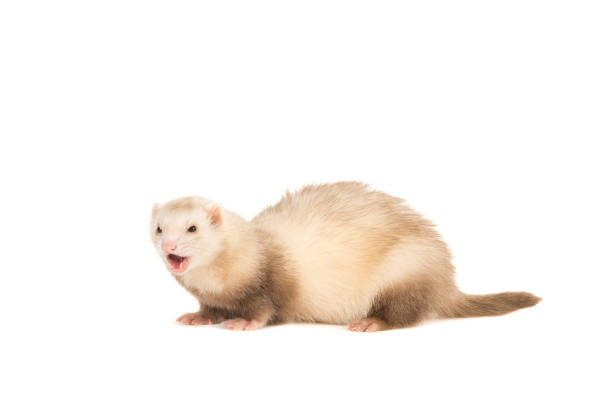
As our beloved ferret companions gracefully enter their senior years, their nutritional requirements undergo a significant shift. Just like humans, aging ferrets experience changes in their metabolism, activity levels, and physiological functions that necessitate a thoughtful adjustment to their diet. One of the most crucial adaptations involves meeting their increased calorie needs. This comprehensive guide will delve deep into the intricacies of this dietary change, exploring the reasons behind it, the signs to watch for, and the best strategies for ensuring your senior ferret thrives.
Ferrets are obligate carnivores, meaning their bodies are designed to efficiently digest and utilize animal-based protein and fat. Their natural diet in the wild would consist of small prey animals, rich in these essential nutrients. As they age, their bodies may become less efficient at processing all the nutrients from their food, or they may experience a decrease in appetite, leading to unintentional weight loss. This is where understanding and addressing their increased calorie needs becomes paramount.
The Physiological Landscape of the Aging Ferret: Why Calories Matter More
Several physiological changes occur in senior ferrets that contribute to their increased calorie requirements:
- Decreased Metabolic Efficiency: While some aging animals experience a slowdown in metabolism, ferrets can be a bit of an anomaly. In many cases, older ferrets may maintain or even slightly increase their metabolic rate as their bodies work harder to maintain vital functions. This means they are burning more calories at rest to keep their systems running smoothly. Think of an older engine that might require more fuel to maintain optimal performance.
- Muscle Loss (Sarcopenia): A common sign of aging in many mammals, including ferrets, is sarcopenia – the gradual loss of muscle mass. Muscle tissue is metabolically active, meaning it burns calories even at rest. As muscle mass decreases, the body’s overall resting metabolic rate can decline. However, to compensate for this loss and maintain strength and mobility, older ferrets may need a more calorie-dense diet to fuel the remaining muscle tissue and prevent further decline.
- Digestive Changes: The aging digestive system might become less efficient at absorbing all the available nutrients from food. This means that even if a ferret is eating a seemingly adequate amount, they might not be extracting as many calories and nutrients as they once did. Therefore, a more concentrated source of calories becomes essential.
- Increased Susceptibility to Illness: Senior ferrets are more prone to various health conditions, including adrenal disease, insulinoma, kidney disease, and arthritis. Managing these conditions often requires a diet that supports their overall health and provides the energy needed for their bodies to fight off illness or cope with chronic conditions. For example, a ferret with arthritis might need extra calories to maintain energy for movement and support joint health.
- Dental Issues: As ferrets age, dental problems such as gum disease, missing teeth, or painful mouths can make it difficult and uncomfortable for them to chew and eat their food. This can lead to reduced food intake and, consequently, a calorie deficit. Calorie-dense foods that are easier to consume become vital in such cases.
- Thermoregulation Challenges: Older ferrets may have a slightly reduced ability to maintain their body temperature, especially in cooler environments. This means their bodies may be expending more energy to stay warm, thus increasing their calorie needs.
Recognizing the Signs: When Your Senior Ferret Needs More Calories
It’s crucial to be observant of your senior ferret’s behavior and physical condition. The following signs can indicate that your ferret is not getting enough calories:
- Unexplained Weight Loss: This is the most obvious and concerning sign. Regularly weighing your ferret (weekly or bi-weekly) is an excellent practice for monitoring their health. A consistent downward trend on the scale, even if subtle, warrants attention.
- Decreased Activity and Lethargy: While a slight decrease in playfulness is normal with age, a significant drop in energy levels, an increased desire to sleep, and a general lack of interest in their surroundings can be a sign of insufficient calorie intake. Their bodies are not getting the fuel they need to be active.
- Thinning Fur and Dull Coat: A healthy coat is a good indicator of overall health. If your ferret’s fur is looking thin, dull, or brittle, and they are not shedding excessively, it could be a sign of malnutrition and calorie deficiency.
- Muscle Wasting: You might be able to feel your ferret’s ribs and spine more prominently. Their body may appear more gaunt, with a visible loss of muscle mass, particularly around the hips and shoulders.
- Changes in Appetite (Reduced Intake): While the need for calories increases, some senior ferrets may actually experience a decrease in appetite due to various age-related factors like dental pain or underlying illness. If you notice them eating less, it directly impacts their calorie intake.
- Poor Wound Healing: If your ferret has any injuries or is recovering from surgery, a lack of sufficient calories can impair their body’s ability to heal effectively.
- Increased Susceptibility to Illness: While not solely a calorie issue, a weakened immune system due to poor nutrition can make them more prone to infections and other health problems.
Strategies for Increasing Calorie Intake in Senior Ferrets
The key to addressing increased calorie needs is to provide a diet that is both nutrient-dense and appealing to your aging ferret. This often involves a combination of strategies:
1. Transitioning to a Higher Calorie, High-Quality Food:
- Kibble Selection: The cornerstone of most ferret diets is kibble. For senior ferrets, you’ll want to select a high-quality, meat-based kibble with a higher percentage of animal protein and fat. Look for brands that list meat as the first few ingredients and avoid those with significant amounts of grains, corn, or plant-based proteins.
- Protein: Aim for a minimum of 30-40% animal protein.
- Fat: Aim for 18-30% fat. While fat is calorie-dense, it’s crucial to select healthy animal fats.
- Senior-Specific Formulas: Some pet food manufacturers offer “senior” formulas for ferrets. While these can be beneficial, always scrutinize the ingredient list. Not all senior formulas are created equal. Some may simply be lower in protein and fat, which is not what an aging ferret needing more calories requires. Prioritize a food that is high in animal protein and fat, regardless of whether it’s labeled “senior.”
- Gradual Transition: When switching to a new food, always do so gradually over a period of 7-10 days to avoid digestive upset. Mix increasing amounts of the new kibble with decreasing amounts of the old kibble.
2. Incorporating High-Calorie Toppers and Supplements:
This is where you can really boost the calorie content of your ferret’s meals and entice them to eat more.
- High-Quality Ferret Food Paste/Treats: Many brands offer specialized ferret paste treats that are very palatable and calorie-dense. These can be given as a supplement to their kibble or mixed in. Look for pastes made primarily from animal by-products.
- Meat-Based Baby Food: Plain, meat-based (e.g., chicken, turkey, lamb) baby food, with no onion or garlic powder, can be an excellent calorie booster. Ensure it’s 100% meat and water. Warm it slightly to enhance its aroma and appeal.
- Raw Egg Yolk: A small amount of raw egg yolk (fed sparingly due to the risk of salmonella if not handled properly) is a rich source of fat and calories. Ensure the egg is fresh and from a reputable source.
- Small Amounts of Cooked, Unseasoned Meats: Finely minced or mashed cooked chicken, turkey, or lamb (plain, no spices, salt, or oil) can be mixed into their kibble. Ensure the meat is thoroughly cooked.
- Ferret-Specific Nutritional Supplements: There are various ferret-specific nutritional supplements available that are designed to provide extra calories and nutrients. Consult your veterinarian for recommendations. These can include highly palatable pastes or oils.
- Nutritional Support Formulas (e.g., Nutri-Cal, Oxbow Critical Care): For ferrets who are significantly underweight or recovering from illness, your veterinarian may recommend high-calorie nutritional support formulas. These are typically given orally and are designed to provide essential calories and nutrients when a ferret is not eating sufficiently.
3. Enhancing Palatability and Accessibility:
Making food more appealing and easier to eat is crucial for senior ferrets.
- Warming Food: Gently warming wet food or adding a small amount of warm water to kibble can release aromas that stimulate a ferret’s appetite. Make sure the food is only lukewarm, not hot.
- Soaking Kibble: For ferrets with dental issues or difficulty chewing, soaking their kibble in a small amount of warm water or low-sodium meat broth can soften it, making it easier to consume. This also creates a more palatable mush.
- Smaller, More Frequent Meals: Instead of one or two large meals, offer smaller portions more frequently throughout the day. This can be easier on their digestive system and helps ensure a consistent calorie intake.
- Variety (with Caution): While ferrets often do best on a consistent diet, introducing a small amount of variety in their high-calorie additions can help prevent food boredom. However, always introduce new foods gradually and monitor for any digestive upset.
- Hand-Feeding: In some cases, hand-feeding high-value, calorie-dense treats or pastes can encourage a reluctant eater. This also allows you to monitor their intake more closely.
4. Addressing Underlying Health Issues:
As mentioned earlier, decreased appetite and weight loss can be symptoms of underlying health problems. It is imperative to consult with a veterinarian specializing in exotic animals, particularly ferrets, if you notice any significant changes in your ferret’s weight, appetite, or behavior.
Your veterinarian can perform a thorough physical examination, blood work, and other diagnostic tests to rule out or diagnose conditions such as:
- Dental Disease: Painful teeth and gums can make eating unbearable.
- Gastrointestinal Issues: Blockages, infections, or inflammatory bowel disease.
- Organ Disease: Kidney disease, liver disease, heart conditions.
- Endocrine Disorders: Insulinoma, adrenal disease.
- Cancer: Various forms of cancer can lead to weight loss and decreased appetite.
Treatment of any underlying illness is crucial for improving your ferret’s overall health and ability to benefit from dietary changes.
Practical Feeding Tips for Senior Ferrets: A Daily Approach
- Daily Weigh-ins (or frequent monitoring): Continue to weigh your ferret regularly. A food scale is ideal for accurate measurements.
- Multiple Food Stations: If you have multiple ferrets, ensure each has their own food bowl to prevent any one ferret from monopolizing the food, especially calorie-rich supplements.
- Cleanliness is Key: Always ensure food bowls are clean and fresh food is provided. Remove any uneaten wet food promptly to prevent spoilage.
- Observe Eating Habits: Pay attention to how your ferret is eating. Are they struggling to chew? Are they leaving certain parts of their food? This information can guide your dietary adjustments.
- Hydration: While focusing on calories, don’t forget about hydration. Ensure fresh water is always available, possibly through multiple water sources (bowls and sipper bottles).
Examples of Calorie-Boosting Combinations:
Let’s consider some practical scenarios and how to implement these strategies:
- Scenario 1: Mild Weight Loss, Good Appetite
- Action: Switch to a higher fat/protein kibble. Add a high-calorie ferret paste (1-2 teaspoons per day, divided into meals) mixed into their kibble.
- Scenario 2: Difficulty Chewing, Declining Appetite
- Action: Soak kibble in warm water or low-sodium chicken broth until soft. Mix in a small amount of plain meat baby food or a ferret nutritional supplement paste. Offer smaller, more frequent meals. Hand-feed high-value, soft treats.
- Scenario 3: Significant Weight Loss and Lethargy (Consult Vet Immediately!)
- Action: This scenario requires immediate veterinary attention. While awaiting or alongside veterinary treatment, the vet may prescribe a highly palatable liquid nutritional supplement that can be syringe-fed. Continue to offer soaked kibble with calorie-dense additions as tolerated.
The Importance of Veterinary Consultation
This guide provides general information, but every ferret is an individual with unique needs. It cannot be stressed enough how crucial it is to work closely with a veterinarian experienced in ferret care. They can:
- Assess your ferret’s overall health and body condition score.
- Recommend specific kibble brands based on your ferret’s needs and current market availability.
- Diagnose and treat any underlying medical conditions contributing to weight loss or poor appetite.
- Provide guidance on appropriate supplements and feeding volumes.
- Monitor your ferret’s progress and make necessary adjustments to the diet.
Conclusion: Nurturing Your Senior Companion
The golden years of a ferret’s life can be just as joyful and fulfilling as their younger years, but it requires a proactive approach to their care. By understanding the physiological reasons behind increased calorie needs in aging ferrets and implementing thoughtful dietary adjustments, you can help your senior companion maintain a healthy weight, preserve muscle mass, and enjoy a higher quality of life.
Remember, patience, observation, and a strong partnership with your veterinarian are your greatest allies in ensuring your aging ferret thrives. Providing them with a calorie-rich, highly digestible, and palatable diet is a profound act of love and a testament to the bond you share. By focusing on their evolving nutritional landscape, you can help them navigate their senior years with comfort, vitality, and continued companionship.
#agingferret #seniorferret #ferretdiet #ferretdietaryneeds #ferretnutrition #ferrethealth #ferretcare #ferretsofinstagram #ferretlife #petnutrition #obligatecarnivore #seniorpets #exoticpets #ferretlove #ferretfood #ferretgram #seniorferretcare #raisingferrets #ferretcommunity #healthyferret #ferretadvice #ferretfacts #petwellness


Add comment