
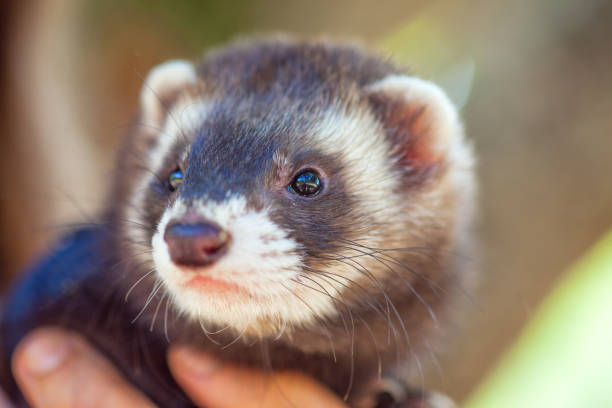
PART I: THE ETHICAL AND PRACTICAL LANDSCAPE OF FERRET ACQUISITION
Bringing a ferret into your home is not a decision to be taken lightly. These animals are prone to serious, chronic diseases, require demanding diets, and thrive on consistent human interaction. Before determining the source, every prospective owner must understand the three primary channels for acquiring a ferret and the unique profile associated with each.
1. The Global Ferret Supply Chain Context
In the United States, the ferret market is unique compared to cats or dogs. Approximately 90% or more of all “pet store ferrets” originate from a single large-scale commercial breeding operation: Marshall Farms (MF) in New York. This centralization means that most ferrets purchased through major retailers share a highly standardized, but genetically narrow, background.
The adoption channel, conversely, often deals with ferrets surrendered due to owner inability to handle chronic health issues, insufficient space, or lack of knowledge regarding complex care.
PART II: ADOPTION: THE RESCUED AND SHELTERED FERRET
Adoption involves acquiring a ferret through a non-profit organization, often referred to as a “shelter,” “rescue,” or “dook-friendly haven.” This path is often considered the most ethical and provides the most comprehensive history of the animal, though it sometimes requires more experienced ownership.
A. The Ferret Rescue Organization Profile
Ferret rescues are typically managed by dedicated volunteers—often former or current ferret owners—who possess deep expertise in ferret health (especially common ailments like adrenal disease and insulinoma).
1. The Benefits of Adopting
| Benefit Category | Description and Detail |
|---|---|
| Ethical Imperative | Direct participation in reducing the burden on shelters and providing a second chance for an animal that may have been mistreated, neglected, or surrendered due to expensive chronic care needs. |
| Known Health History | Rescues are generally transparent. They often track the ferret’s known medical history, previous veterinary reports, and specific behavioral quirks. While the ferret may have pre-existing conditions, the owner is aware before acquisition. |
| Veterinary Pre-Care | Most rescues ensure the ferret is fully vetted before adoption. This often includes spaying/neutering (if not already done), current distemper and rabies vaccinations, fecal exams, and basic dental checks—saving the new owner significant initial veterinary costs. |
| Temperament Assessment | Rescues keep detailed logs on a ferret’s personality, socialization level, bite history, litter training success, and compatibility with other pets or children. This matching process drastically reduces the likelihood of compatibility issues. |
| Age and Condition Variety | Adopters can choose from kits (rare), juveniles, adults, or geriatric ferrets (“senior sanctuary” residents) who require specialized hospice care. |
| Ongoing Support | Rescue organizations often provide a crucial lifeline for new owners, offering expert advice, emergency resources, and support networks long after the adoption papers are signed. |
2. The Adoption Process: A Detailed Walkthrough
The process of adopting a ferret from a reputable rescue is often more rigorous than purchasing one from a pet store, ensuring the home is truly equipped for the animal.
- Initial Inquiry and Application: Prospective owners must complete a lengthy application detailing their housing situation, existing pets, experience with ferrets, and financial capacity for complex veterinary care.
- Education Requirement: Many rescues mandate the completion of an educational module or interview to test the applicant’s knowledge of crucial topics (e.g., proper diet not based on corn/kibble, signs of adrenal disease, quarantine protocols).
- Veterinary Reference Check: The rescue will often contact the applicant’s current veterinarian to confirm they are responsible pet owners and that the vet has experience treating exotic pets like ferrets.
- Home Visit/Virtual Inspection: A physical or virtual home check confirms that the environment is ferret-proofed (crucial, as ferrets are master escape artists), safe (no foam rubber or toxic plants), and that the cage/housing meets minimum size requirements.
- Meet-and-Greet: Potential adopters spend significant time interacting with the chosen ferret(s) to assess compatibility. Since ferrets are social, rescues often require that single ferrets be adopted into households already containing ferrets, or that two bonded ferrets be adopted together.
- Adoption Contract and Fee: A legal contract is signed outlining the terms of ownership and the mandatory return policy (if the owner can no longer care for the ferret, it must be returned to the rescue). Adoption fees generally range from $50 to $250, covering the initial medical investment made by the rescue.
3. Challenges of Adoption
- Potential for Chronic Illness: Many ferrets surrendered to rescues are there because they developed expensive, chronic conditions common to the species (e.g., insulinoma, adrenal disease). Adopters must be financially prepared to manage ongoing care.
- Location and Availability: Reputable ferret rescues are not ubiquitous. Owners may need to travel significant distances to find a suitable organization.
- Time Commitment: The vetting process is thorough and can take several weeks or even months.
PART III: THE RETAIL FERRET: PET STORES AND THE COMMERCIAL PIPELINE
The most common way ferrets enter the family home is through large chain pet stores or smaller independent retailers. This path offers convenience but comes with significant ethical and medical trade-offs driven by the mass production model.
A. The Marshall Farms Factor
In the U.S., ferrets from pet stores are overwhelmingly sourced from Marshall Farms. This operation practices early spaying/neutering (often at 4-6 weeks) and descenting (removal of anal glands) before the kits are sold to retailers. The ferrets are usually sold as young kits (8-12 weeks old).
1. The Benefits of Pet Store Acquisition
| Benefit Category | Description and Detail |
|---|---|
| Convenience and Access | Pet stores are everywhere, making the immediate acquisition of a ferret simple. They generally have kits available year-round. |
| Guaranteed Youth | Retail outlets sell very young kits, allowing the owner to bond with the animal from an early age. |
| Standardized Status | MF ferrets come with two signature “tattoos” (two black dots in the right ear) indicating they have been spayed/neutered and descented. This guarantees they are fixed and reduces initial surgery costs. |
| Initial Health Guarantee | Pet stores often offer a short-term (e.g., 14-day) basic health guarantee against infectious diseases. |
2. The Risks and Ethical Concerns of Pet Store Ferrets
The standardization offered by Marshall Farms, while ensuring a fixed ferret, is associated with a narrow genetic pool and specific health risks.
- Early Spay/Neuter and Adrenal Disease: The practice of fixing ferrets extremely early (before sexual maturity) is strongly implicated in the skyrocketing rates of Adrenal Gland Disease (hyperadrenocorticism). The early removal of the gonads disrupts the hormonal feedback loop, leading the remnant adrenal tissue to compensate, resulting in excessive sex hormone production. Over 70% of MF ferrets develop this condition later in life.
- Unknown Parental Health: Owners have no access to the medical history of the parents or grandparents, making it impossible to predict genetic predispositions toward diseases like cardiomyopathy or Insulinoma.
- “Kit Diseases” and Transport Stress: Kits purchased at a pet store have undergone significant stress related to separation, transport, and rapid introduction into a retail environment. They are more susceptible to contagious kit illnesses such as Epizootic Catarrhal Enteritis (ECE, or “Green Slime Disease”) and Coccidia.
- Impulse Purchase Risk: The convenience of the pet store often leads to impulse purchases by owners who have not adequately researched the complex, costly, and time-consuming needs of a ferret, contributing to higher surrender rates later.
- Descenting Debate: While pet store ferrets are descented, often marketed as “odor reduction,” this surgery is largely cosmetic. A ferret’s primary odor comes from its sebaceous glands (skin oils) and requires consistent cleaning and proper diet, not gland removal.
3. The Retail Experience: Lack of Education
Unlike rescues, retail employees often lack specialized knowledge regarding ferret husbandry, diet, and disease recognition. They may mistakenly recommend inappropriate accessories (e.g., cages with wire floors), toxic bedding (e.g., cedar), or dangerous diets (e.g., low-protein kibbles).
PART IV: THE BREEDER FERRET (A RARE BUT IMPORTANT ALTERNATIVE)
While the vast majority of ferrets are either MF-sourced or rescued, small, ethical private breeders exist outside the commercial supply chain. This is the rarest but potentially most controlled source.
A. The Ethical Hobby Breeder Profile
Ethical breeders focus on optimizing genetic diversity, temperament, and longevity, meticulously tracking lineage (pedigrees) to avoid breeding ferrets predisposed to major diseases like lymphoma or insulinoma.
1. Benefits of Going to a Breeder
- Genetic Control: Breeders select parents for health and temperament, actively trying to reduce the incidence of highly hereditary diseases.
- Timing of Alteration: Reputable breeders will not fix a kit until 5-6 months of age, allowing the necessary sex hormones to finalize the ferret’s development before removal, which may reduce the risk of early onset Adrenal Disease.
- Controlled Environment: Kits are raised in a home environment, resulting in better initial socialization and habituation to human interaction and household noises.
- Full Disclosure: Breeders provide comprehensive records covering the parents’ health, the kit’s early feeding regimen, and crucial socialization notes.
2. Challenges of Finding a Breeder
- Rarity: True ethical ferret breeders are exceedingly difficult to locate in the U.S. due to the market dominance of Marshall Farms.
- Cost and Wait Times: Kits from reputable breeders are highly sought after, expensive, and often require a lengthy commitment and waiting list.
- Identifying Reputable Sources: It can be difficult to distinguish an ethical hobby breeder from an irresponsible backyard breeder who lacks knowledge of proper lineage tracking and health screening.
PART V: HEALTH AND LIFETIME COSTS: A DETAILED COMPARISON
The choice of acquisition source significantly impacts the owner’s lifetime financial and emotional commitment. Ferrets are notoriously expensive pets due to their specialized medical needs.
A. Initial Costs (Acquisition and Setup)
| Item | Ferret Rescue (Adoption) | Pet Store (Retail) | Ethical Breeder |
|---|---|---|---|
| Acquisition Fee | $50 – $250 (Includes vaccinations/spay/neuter) | $150 – $400 (Kits are usually fixed/descented) | $250 – $600 (Kits require later spay/neuter) |
| Initial Vet Check (Required) | $50 – $100 (Often just a check-up) | $100 – $200 (Includes first vaccines) | $100 – $200 (Includes first vaccines) |
| Spay/Neuter | Included/Already done | Included/Already done | $200 – $500 (If not already performed) |
| Initial Total | $100 – $350 | $250 – $600 | $550 – $1300+ |
Note: This excludes the significant cost of cages, food, toys, and supplies ($300–$800).
B. Lifetime Veterinary Expenses and Disease Risk
The difference in chronic disease rates is the single largest financial factor separating rescue/breeder ferrets from pet store ferrets.
| Chronic Disease Risk Factor | Ferret Rescue | Pet Store (MF) | Ethical Breeder |
|---|---|---|---|
| Adrenal Disease Risk | Moderate to High (Often presenting/treated on arrival) | Extremely High (Due to early fixing) | Low to Moderate (If fixed later) |
| Insulinoma Risk | Moderate to High (Age-dependent) | High (Genetic predisposition) | Low (Careful lineage selection) |
| Dental Disease | High (Common in rescued adults) | Low (Kits have fresh teeth) | Low (Kits have fresh teeth) |
| Treatment Cost (Annual) | $1000 – $3000/year (May require hormone implants) | $1000 – $3000/year (Likely starting by age 3-5) | $300 – $800/year (Lower initial disease incidence) |
Conclusion on Cost: While the initial outlay for a pet store ferret is low to moderate, the likelihood of incurring high-cost medical treatments (Adrenal implants, chemo for lymphoma, Insulinoma management) is significantly elevated due to centralized breeding practices. Rescues often cost less upfront but require preparedness for immediate management of existing conditions.
PART VI: THE COMPARISON MATRIX: ADOPTION VS. RETAIL
When choosing the source, prospective owners must weigh convenience and youth against ethics, health history, and long-term financial risk.
| Feature | FERRET RESCUE/ADOPTION | PET STORE/RETAIL (Marshall) |
|---|---|---|
| Ease of Acquisition | Difficult; lengthy application, home check, limited availability. | Easy; immediate purchase, high availability. |
| Age of Animal | Juveniles, adults, and seniors (majority are 1+ years old). | Young kits (8–12 weeks). |
| Initial Health Status | Transparent, but often dealing with existing or chronic conditions. | Appears healthy, but high risk for major diseases later. |
| Temperament/Handling | Known temperament; assessed for biting/socialization; may include surrender behaviors. | Unknown; kits require extensive work, often bitey initially. |
| Genetic Diversity | Good; multiple unknown sources. | Extremely poor; narrow genetic pool (MF). |
| Support & Education | Excellent and specialized expertise. | Poor; generic retail information. |
| Ethical Standing | Highest. You are saving a life. | Low. Supports large-scale, mass-production animal industry. |
| Long-Term Financial Risk | High upfront cost for known conditions; less risk of unexpected major illness. | Low upfront cost; Very High risk of expensive, chronic hormonal/cancer diagnoses. |
| Recommended Owner Level | Intermediate to Expert (must handle medical complexity). | Novice (but quickly requires expert knowledge for health issues). |
PART VII: ESSENTIAL PREPARATION, REGARDLESS OF SOURCE
Once the decision is made, preparing the home is non-negotiable. Ferrets are high-maintenance and require specialized housing and feeding.
A. Ferret-Proofing the Home
Ferrets are notorious for their curiosity and ability to squeeze into small spaces. A crucial aspect of ownership is “ferret-proofing” any area they are allowed to roam.
- Eliminate Foam and Rubber: Ferrets compulsively chew and ingest soft materials like shoe insoles, remote control buttons, couch stuffing, and rubber door stoppers. Ingestion leads to fatal blockages (Foreign Body Obstruction).
- Secure Cabinets and Appliances: Ferrets can crawl up into reclining chairs (if they have open mechanisms), behind the back panels of refrigerators, or into dryer vents. Ensure all dangerous openings are sealed.
- Check Bedding: Only use soft cloth bedding (old t-shirts, towels, or pre-made fleece liners). Never use cedar or pine shavings, which cause respiratory distress.
B. Housing Requirements
Ferrets need a large, multi-level cage that provides vertical climbing space and hammocks for sleeping.
- Minimum Cage Size: A cage must be large enough to accommodate food, water, a litter box, and ample sleeping/play space for two ferrets (ferrets should ideally be kept in pairs). A two-door, multi-tier cage (like the Ferret Nation or Critter Nation line) is the industry standard.
- Litter Training: Ferrets can be litter trained (using paper pellet litter, never clay or clumping cat litter), but they are not 100% reliable. They tend to choose corners, so multiple litter boxes are often necessary.
- Quarantine: Regardless of the source (pet store, rescue, or breeder), any new ferret must undergo a mandatory 2-4 week quarantine period away from existing pets to monitor for infectious diseases (e.g., ECE) and parasites.
C. Diet: The Non-Negotiable Factor
Ferrets are obligate carnivores. Their diet must be meat-based and high in protein and fat.
- Avoid: Kibbles containing high levels of corn, grains, fruits, or vegetables (these cannot be digested and contribute to insulinoma). Never feed cat food (unless specifically designed for ferrets) or dog food.
- Acceptable Diets: Specialized, high-quality ferret kibble (e.g., Wysong Epigen), or, ideally, a raw, whole-prey diet consisting of poultry, rabbit, or specialized raw grinds.
D. Veterinary Preparedness
Before bringing a ferret home, establish a relationship with a veterinarian specializing in Exotic Pet Medicine. Standard small animal vets rarely have the diagnostic tools or experience needed to treat ferret-specific diseases like Adrenal Disease (requiring Deslorelin implants) or Insulinoma.
CONCLUSION: MAKING THE INFORMED CHOICE
The journey to finding a ferret companion is not simply a transaction; it is the beginning of a specialized commitment.
For the Novice Owner: While the pet store offers the convenience of a young kit, the high statistical probability of immediate, severe health issues by age three makes this path treacherous without deep resources and immediate expert veterinary access. The risk of promoting poor breeding practices is also significant.
For the Experienced and Ethical Owner: Adoption through a dedicated ferret rescue is overwhelmingly the recommended path. Rescues provide necessary support, mitigate impulse purchasing, ensure the ferret is fixed and vetted, and allow owners to save a life while fully understanding the animal’s history and future medical needs.
The decision must prioritize the welfare, longevity, and quality of life for the ferret. In almost every circumstance, supporting rescue organizations ensures better transparency, better initial care, and a more robust support network for the long-term care of this challenging but rewarding exotic companion.
#FerretAdoption #AdoptDontShop #FerretRescue #FerretLove #FerretLife #DookDook #FerretCompanion #ExoticPet #FerretCare #FerretFacts #MarshallFarms #PetStoreEthics #RescuePet #FerretsOfInstagram #MustelaPutoriusFuro #FerretHealth #AdrenalDisease #Insulinoma #FerretKits #RescueIsTheBestBreed #PetStoreVsRescue #FerretOwner #ExoticVet #SpecialNeedsPet #FerretsRule #FerretGuide #NewPetOwner #ResponsiblePetOwnership #AnimalWelfare #FerretLover #FerretsDaily #FerretCommunity #AdoptARescue #FutureFerretOwner #SmallPetCare #FerretNation #DookLife #FerretTips #ExoticPetTips #FerretWorld


Add comment