
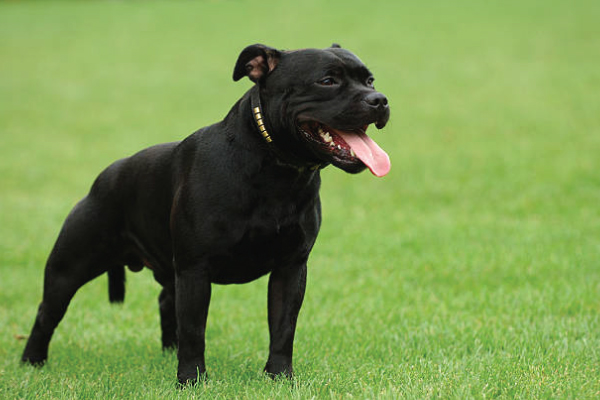
The Invisible Leash: Mastering Advanced Heel at a 3-Meter Distance
For many dog owners, achieving a perfect “heel” – where their dog walks politely by their side on a loose leash – feels like the pinnacle of leash training. And indeed, a reliable close-quarters heel is a fantastic achievement, a testament to consistent training and a strong bond. But what if we told you there’s a level beyond that? A sophisticated dance between human and canine that offers both handler and dog unparalleled freedom, trust, and communication, even when they’re not physically tethered at arm’s length?
Welcome to the world of Advanced Heel: Walking on a Loose Leash at a 3-Meter Distance. This isn’t just about a longer lead; it’s about an invisible one. It’s about your dog understanding their spatial relationship to you, maintaining focus, and choosing to stay within a desired radius, all while experiencing the joy of greater independence on walks. This guide will take you through every nuance of this complex, yet incredibly rewarding, skill. Prepare to transform your walks from a tug-of-war into a harmonious partnership.
Why 3 Meters? Understanding the “Invisible Leash”
The 3-meter (approximately 10-foot) distance isn’t arbitrary. It strikes a crucial balance:
- Expanded Freedom: It allows your dog significantly more room to explore on a walk – to sniff, investigate, and move more naturally – without the constant tension or restriction of a standard 6-foot leash.
- Enhanced Safety: While offering freedom, it still keeps your dog within a manageable range for safety, allowing you to intervene quickly in case of sudden hazards (traffic, aggressive dogs, tempting forbidden objects) before they’re too far away.
- Proof of Trust and Communication: Successfully maintaining a 3-meter loose-leash heel demonstrates a profound level of mutual trust and respect. Your dog is choosing to stay connected to you, and you trust them to exercise that freedom responsibly.
- Real-World Utility: Imagine hiking a trail, strolling through a spacious park, or navigating a less crowded urban area. This skill allows your dog to enjoy the environment more fully without being “on top of you,” while still being under your reliable control. It’s a stepping stone to even more advanced off-leash reliability.
This isn’t just about teaching a new command; it’s about building an unspoken understanding, an energetic connection that transcends the physical tether. It’s about teaching your dog to want to be near you, even when they could wander further.
Prerequisites: Laying the Solid Foundation
Before embarking on this advanced journey, both you and your dog need to have several foundational skills locked down. Attempting this without them is like trying to build a skyscraper on quicksand.
- Impeccable Basic Loose-Leash Walking: Your dog should already consistently walk on a loose leash beside you (at a traditional 0.5-1 meter distance) without pulling. This includes navigating turns, changes in pace, and minor distractions.
- Reliable “Heel” Command: Your dog should understand and respond promptly to a “Heel” cue, coming to your side and staying there until released.
- Strong “Stay” or “Wait”: Essential for pausing, managing distractions, and setting up positions.
- Solid Recall (“Come”): Absolutely non-negotiable. If your dog gets distracted and drifts too far, you need to be able to call them back instantly. This is your safety net.
- Good Focus and Engagement: Your dog should be able to offer sustained attention to you, even with some environmental stimuli present. This means eye contact, checking in, and responding to your cues.
- Positive Reinforcement Foundation: You should be proficient in using rewards (treats, toys, praise) to mark and reinforce desired behaviors. A clicker can be a powerful tool for precision marking.
- Handler Awareness and Consistency: You, the handler, must be attentive to your dog’s subtle cues, consistent in your commands, and patient in your approach.
If any of these areas are weak, go back and strengthen them. They are the bedrock of success for advanced heel work.
Essential Equipment for Your Journey
Beyond your dog and your dedication, a few pieces of equipment are crucial:
- 3-Meter (10-foot) Long Line: This is not a retractable leash. A long line is a fixed-length leash that gives your dog space while maintaining a physical connection. Choose one that is comfortable to hold, durable, and not too heavy. Biothane or nylon are good choices.
- Comfortable Collar or Harness: Ensure it fits well and is comfortable for your dog, allowing full range of motion. A flat collar or a front-clip harness can be effective, depending on your dog’s preference and your existing training. Avoid equipment that causes pain or discomfort as a primary training tool.
- High-Value Treats: Small, soft, smelly treats are best for capturing and reinforcing focus and desired behaviors. Vary them to keep your dog engaged.
- Clicker (Optional but Recommended): A clicker precisely marks the exact moment your dog performs the correct behavior, making your communication crystal clear.
- Pouch for Treats/Clicker: Keeps your hands free and rewards readily accessible.
- Appropriate Footwear: You’ll be doing a lot of walking, turning, and sometimes quick movements.
The Training Blueprint: Step-by-Step to the Invisible Leash
This journey requires patience, small steps, and celebrating every success. Remember, this is about building a relationship, not just teaching a trick.
Phase 1: Reinforcing the Foundation and Introducing the Concept
Before venturing to 3 meters, let’s ensure the core is rock solid.
- Review Basic Heel & Focus (Short Leash):
- Start in a low-distraction environment.
- Walk with your dog on a standard 1-meter leash.
- Reward heavily for eye contact, staying by your side, and a loose leash.
- Practice turns, stops, and changes of pace.
- Use your “Heel” cue consistently.
- Goal: Your dog should be glued to your side, looking for cues and praise, with a totally loose leash.
- Introducing the Longer Line (Initially Shorter Distance):
- Switch to your 3-meter line, but initially, hold it shorter, effectively turning it into a 1-meter leash.
- The dog should not feel the full length yet.
- Continue walking as if on a short leash, rewarding heavily.
- Purpose: Familiarize your dog with the feel and weight of the longer line without letting them use its full length yet. This also helps you get used to managing the extra length.
- The “Check-In” Game (Building Engagement):
- While walking on the longer line (still held short), randomly reward your dog for looking at you.
- Say “Yes!” or click, and deliver a treat as soon as they make eye contact.
- You can also try a “watch me” cue to encourage attention.
- Purpose: To make you the most exciting thing in the environment and to teach your dog to proactively check in with you. This mental connection is vital for greater distances.
Phase 2: Gradually Extending the Distance
This is where you start to expand the leash length, always with control and intention.
- The 1-Meter Challenge (Controlled Extension):
- In a very low-distraction area, allow the leash to extend a little more, aiming for your dog to be about 1 meter from your side.
- Key: The leash should still be slack. If it tightens, immediately stop, call your dog back to a closer heel, and restart.
- Reward for staying within the 1-meter radius with a loose leash.
- Use your “Heel” cue to bring them back if they wander, then reward when they return to the desired distance.
- Focus: Maintain the mental connection. If your dog isn’t checking in, shorten the leash, get their attention, and then gradually extend again.
- Pushing to 2 Meters (Slow and Steady):
- Once 1 meter is consistent, gradually allow the leash to extend to approximately 2 meters.
- Maintain Your Position: You are the anchor. Your dog should be moving relative to you.
- Reward frequently for staying within the 2-meter radius with a loose leash.
- Drift Prevention: If your dog starts to drift further out or lag behind, give a gentle leash pressure sideways (not backwards) to guide them back into the desired zone, or use your vocal cues to re-engage. Immediately release pressure and reward when they comply.
- Practice “Heel” at Distance: Occasionally ask for a full “Heel” (close beside you) even from 2 meters away, rewarding heavily when they return to your side. This reinforces that “Heel” means close, and the extended distance is still a form of heel.
- The 3-Meter Mark (The Goal in Sight):
- When 2 meters is reliable, begin to work towards the full 3-meter distance.
- Environmental Awareness: Be acutely aware of your surroundings. If there’s a potential distraction ahead, shorten the leash before your dog reacts, get their focus, then re-extend.
- “Go Sniff” Release: Occasionally, give your dog a clear “Go Sniff” or “Free” cue, allowing them to explore the full 3 meters (or even beyond if safe and you have a longer line). This acts as a reward and defines when they can explore more freely versus when they need to stay within the heel radius.
- Calling Back to Heel: Practice calling your dog back to the closer heel position, then releasing them back to the 3-meter loose-leash heel. This reinforces their understanding of the boundaries.
Phase 3: Building Duration, Distraction Management, and Reliability
Now that your dog understands the distance, it’s time to solidify the behavior in various real-world scenarios.
- Varying Environments:
- Start in your quiet backyard. Move to a quiet park. Then a slightly busier park. Gradually introduce more complex environments.
- Never ask for more than your dog can give in a new environment. If they struggle, go back to a less distracting place or shorten the leash temporarily.
- Introducing Distractions (Controlled Exposure):
- Sight Distractions: People walking by, distant dogs, squirrels, bicycles.
- Sound Distractions: Sirens, children playing, construction noises.
- Scent Distractions: Highly tempting smells on the ground.
- Strategy: Start with distractions far away. As your dog successfully maintains the 3-meter heel, gradually move closer to the distraction or introduce more intense ones.
- High-Value Rewards: Use your absolute best treats when working around distractions.
- Proactive Management: If you see a distraction approaching, get your dog’s attention before they notice it. Cue a “watch me,” offer a treat, and praise for maintaining focus.
- Turns, Stops, and Pace Changes:
- Practice left turns, right turns, U-turns, and sudden stops. Your dog should adjust their movement to stay within the 3-meter radius.
- Reward when they smoothly adjust. If they bump into you or go too wide, gently guide them back and retry.
- Vary your walking speed – slow, normal, brisk. Your dog should maintain the relationship without pulling or lagging.
- Proofing the Behavior:
- This is about making the behavior so strong that it holds up under almost any circumstance.
- Practice with different handlers (if applicable).
- Practice at different times of day.
- Practice when your dog is slightly tired or slightly energetic.
- The goal is for the 3-meter loose-leash heel to become your dog’s default walking behavior in appropriate environments.
Phase 4: Troubleshooting Common Issues
Even with the best plan, challenges arise.
- Dog Pulling Ahead:
- Solution: Stop immediately. Do not move forward until the leash is slack. Call your dog back to the desired 3-meter zone. Reward when they return and the leash is loose. Repeat endlessly. You can also change direction sharply, making them re-engage.
- Prevention: Reward proactively when they are just about to go too far, before the leash tightens.
- Dog Lagging Behind:
- Solution: Speed up your pace slightly and use an encouraging voice cue (“Let’s go!”). If they don’t respond, stop and call them to you, then reward and restart. A very gentle, consistent pressure on the leash forward can also guide them, releasing immediately when they catch up.
- Prevention: Keep sessions engaging and rewarding. Ensure your pace isn’t always too fast for them.
- Dog Breaking Focus/Ignoring Cues:
- Solution: Too much distraction, too soon. Go back to a less distracting environment. Shorten the leash. Re-engage with high-value treats and games. Make yourself more exciting than the environment. Practice more “check-ins.”
- Re-Evaluate Rewards: Are your treats high-value enough for the current environment?
- Dog Getting Tangled in the Long Line:
- Solution: This is primarily a handler skill. You need to be actively managing the line, reeling it in slightly when making tight turns, and letting it out smoothly. Practice in an open space.
- Prevention: Choose a line that doesn’t easily snag. Be mindful of obstacles.
- Handler Frustration/Inconsistency:
- Solution: Take a break. Shorten your training sessions. Remember it’s a marathon, not a sprint. Celebrate small victories. Ensure you are giving clear, consistent cues and rewards. Your emotional state profoundly affects your dog.
Phase 5: Maintaining and Generalizing the Skill
This is an ongoing process, not a destination.
- Short, Frequent Practice: Instead of one long, arduous session, do several short, fun sessions throughout the week.
- Vary the Routine: Don’t always go to the same park or take the same route. Introduce new sights, sounds, and smells.
- Make it a Game: Integrate “Heel” into fun activities. Play hide-and-seek, or incorporate short bursts of running with stops.
- Don’t Forget the “Free” Cue: Allow your dog to periodically explore on the full 3-meter line (or even a longer one if you’re working towards off-leash) to provide a mental break and reward. This makes the “Heel” more valuable.
- Continual Reinforcement: Even when the behavior is solid, occasionally surprise your dog with a jackpot reward for an exceptionally good 3-meter heel.
The Handler’s Role: The Foundation of Success
Your participation is as critical as your dog’s.
- Patience is Paramount: This is not an overnight skill. There will be setbacks. Embrace them as learning opportunities.
- Consistency is Key: Use the same cues, the same expectations, every single time. Inconsistency breeds confusion.
- Clear Communication: Your body language, tone of voice, and leash handling should all convey a consistent message.
- Positive Reinforcement: Always reward what you want to see more of. Make training a positive, enjoyable experience for your dog.
- Awareness: Be aware of your dog’s state (tired, overstimulated, anxious) and the environment to set them up for success.
- Be the Leader: Not through force, but through clear guidance, trustworthiness, and being the source of all good things.
Safety First: Long Line Handling
Using a 3-meter line comes with its own safety considerations:
- Avoid Retractables: Retractable leashes are dangerous for this type of training. They teach dogs to pull, offer no consistent feedback, and can cause severe injuries.
- Watch Your Feet: The extra length can easily trip you or your dog if you’re not managing it properly. Be mindful of how it’s lying on the ground.
- No Wrapping: Never wrap the long line around your hand or wrist. A sudden pull could cause rope burn or break bones. Use a secure grip, or wear gloves if necessary.
- Environmental Scans: Always scan ahead for potential hazards (other dogs, children, traffic, sharp objects) and shorten the line before your dog is in danger.
- Appropriate Environment: Start in open, safe, low-distraction areas, gradually moving to more complex ones.
Beyond the Command: Building an Unbreakable Bond
Teaching advanced heel at a 3-meter distance is more than just a trick. It’s an investment in your relationship with your dog.
- Increased Trust: Your dog learns to trust your judgment, knowing you’ll give them freedom when safe and guide them when needed. You learn to trust their choices.
- Enhanced Communication: You develop a deeper understanding of each other’s subtle cues and intentions.
- Mental Stimulation: This level of focus and engagement is mentally enriching for your dog, going beyond simple physical exercise.
- Greater Freedom and Joy: For both of you, walks become a shared adventure, full of exploration and connection, rather than a necessary chore.
Conclusion: The Art of the Invisible Leash
Mastering the advanced heel at a 3-meter distance is a testament to dedication, patience, and a profound respect for your canine companion. It transforms walking from a constrained activity into an art form – a fluid, intuitive dance where you and your dog move as one, connected not by tension on a lead, but by an understanding that runs deeper than any physical tether.
It takes time. It takes effort. But the reward – the sight of your dog confidently exploring within their boundaries, checking in with a glance, and choosing to stay connected to you, even with all the world’s distractions – is immeasurable. It’s the ultimate expression of trust, freedom, and a truly advanced partnership. Begin your journey today, and discover the magic of the invisible leash.
#AdvancedHeel #LooseLeashWalking #DogTraining #LongLineTraining #InvisibleLeash #DogObedience #AdvancedDogTraining #CanineCompanion #DogWalkingTips #PositiveReinforcement #DogLife #TrainedDog #DogSkills #PetTraining #DogLovers #HeelCommand #OffLeashTraining #DogFocus #WalkYourDog #HappyDogHappyLife #DogBehavior #CanineCoach #TrainYourDog #LeashTraining #DogGoals #PetParent #DogLove #OutdoorDogs #AdventureDog #DogEducation






Add comment