
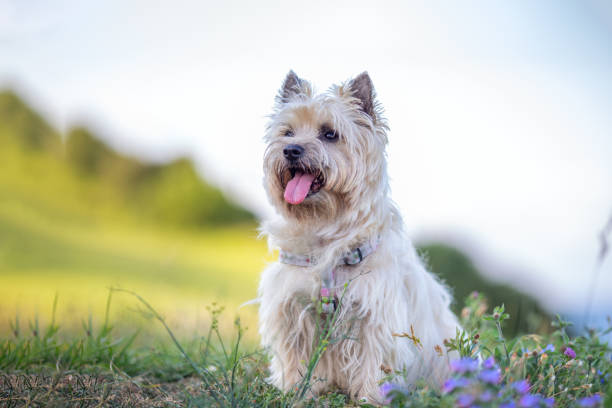
The journey through American Kennel Club (AKC) Obedience trials is a highly rewarding path, transforming a beloved pet into a finely tuned canine athlete and strengthening the bond between dog and handler to an extraordinary degree. It’s a marathon, not a sprint, demanding patience, consistency, and a profound understanding of canine behavior and learning. This comprehensive guide will navigate you through every stage, from the foundational basics to the advanced challenges of becoming an AKC Obedience Trial Champion (OTCH).
Introduction: The World of AKC Obedience
AKC Obedience is a competitive dog sport designed to demonstrate a dog’s usefulness as a companion by evaluating its ability to perform a prescribed set of exercises. More than just teaching tricks, it emphasizes a dog’s willingness and enjoyment in working with its handler. The exercises, ranging from walking on a leash to complex scent discrimination, are judged on precision, enthusiasm, and the dog’s responsiveness to the handler’s commands.
Why Embark on This Journey?
- Enhanced Communication: You’ll learn to communicate with your dog with unparalleled clarity.
- Stronger Bond: The shared experience of training and competing builds incredible trust and partnership.
- Mental Stimulation: Keeps your dog’s mind active and engaged, preventing boredom and destructive behaviors.
- Physical Fitness: Many exercises involve movement and agility, benefiting your dog’s physical health.
- Problem Solving: You’ll develop skills to troubleshoot training challenges and adapt to your dog’s individual learning style.
- Community: Enter a vibrant community of passionate dog enthusiasts.
- Achievement: Earning titles is a tangible recognition of your hard work and your dog’s capabilities.
This guide will take you from understanding the basics to strategically planning your path to the prestigious Obedience Trial Champion (OTCH) title and beyond, emphasizing positive, reward-based training methods throughout.
Understanding the AKC Obedience Landscape
Before lacing up your training shoes, it’s crucial to understand the structure of AKC Obedience trials.
The Trials and Judging: An obedience trial consists of a series of classes, each with specific exercises. Dogs compete one at a time in a roped-off ring, performing the exercises as directed by the judge. Judges award points for each exercise, and deductions are made for faults (e.g., crooked sits, slow recalls, extra commands). To earn a “qualifying score” (Q), a dog must score at least 170 out of a possible 200 points in each class, with no score below 50% on any single exercise. Three Qs under at least two different judges are required to earn an obedience title.
The Levels (Classes) and Titles:
- Novice Class (CD – Companion Dog): The entry-level class, focusing on fundamental obedience skills.
- Exercises:
- Heel on Leash & Figure Eight: Dog heels politely by handler’s left side, matching pace, making turns, and navigating a figure-eight pattern around two stewards.
- Stand for Examination: Dog stands still while the judge approaches and briefly touches its head, back, and hips.
- Heel Off Leash: Same as heel on leash, but without the leash.
- Recall (Come): Dog comes promptly and directly to the handler when called, sits squarely in front, and then finishes by returning to heel position.
- Sit Stay – One Minute: Dog remains in a sit position for one minute while the handler stands across the ring.
- Down Stay – Three Minutes: Dog remains in a down position for three minutes while the handler stands across the ring.
- Title: Companion Dog (CD) – awarded after earning three qualifying scores.
- Exercises:
- Open Class (CDX – Companion Dog Excellent): Builds on Novice skills, adding more complex and off-leash work, as well as retrieving and jumping.
- Exercises:
- Heel Free & Figure Eight: Advanced off-leash heeling.
- Drop on Recall: Dog comes when called, but on command, drops to a down position mid-stride, then resumes the recall.
- Retrieve on Flat: Dog retrieves a dumbbell from across the ring, brings it back, sits in front, and then finishes.
- Retrieve Over High Jump: Dog retrieves a dumbbell over a jump, brings it back over the jump, sits in front, and finishes.
- Broad Jump: Dog jumps horizontally over a series of low hurdles.
- Sit Stay – Three Minutes (Handler Out of Sight): Dog remains in a sit while the handler leaves the ring.
- Down Stay – Five Minutes (Handler Out of Sight): Dog remains in a down while the handler leaves the ring.
- Title: Companion Dog Excellent (CDX) – awarded after earning three qualifying scores.
- Exercises:
- Utility Class (UD – Utility Dog): The most advanced regular class, requiring exceptional precision, focus, and a deep understanding of multiple unique exercises. Many exercises are done with hand signals only or involve scent work.
- Exercises:
- Signal Exercise: Dog performs heel, stand, down, sit, and recall using only hand signals.
- Scent Discrimination (Directed Retrieve of Handler’s Article): Dog identifies and retrieves an article (leather or metal) bearing the handler’s scent from a pile of similar unscented articles.
- Directed Retrieve (Gloves): Dog retrieves a specific glove (leather or canvas) from three positioned gloves.
- Moving Stand and Examination: Dog heels, handler signals a stand while moving, continues heel, then turns to face the dog. The judge examines the dog, and the handler returns to heel position.
- Directed Jumping (Go-Out and Send Over Jump): Dog “goes out” to a designated spot in the ring, then on command, jumps over either a high jump or a bar jump as directed by the judge.
- Title: Utility Dog (UD) – awarded after earning three qualifying scores.
- Exercises:
Advanced Titles and Championships:
- UDX (Utility Dog Excellent): Awarded after earning qualifying scores in both Open B and Utility B at 10 separate trials.
- OTCH (Obedience Trial Champion): The pinnacle title, requiring a UD title plus 100 championship points earned by placing first, second, third, or fourth in Open B and Utility B, with at least two first-place finishes in both Open B and Utility B. Points are scaled by the number of dogs competing.
- Obedience Grand Champion (GChO): Awarded to dogs that attain their OTCH and then earn an additional 100 championship points, including 15 first-place finishes (5 in Open B, 5 in Utility B, and 5 in either).
- Optional Titling Classes: Beginner Novice (BN), Graduate Novice (GN), Graduate Open (GO), Versatility (VER). These offer stepping stones or variations on the regular classes.
- Preferred Classes: Preferred Novice (PCD), Preferred Open (PCDX), Preferred Utility (PUD). These classes have slightly lower jump heights and often allow for more verbal commands, making them suitable for older dogs, smaller dogs, or dogs with physical limitations.
Getting Started: The Foundation (Beginner Phase)
Every champion started with the basics. This foundational phase is crucial for building a strong, positive relationship and teaching core skills.
1. Choosing the Right Dog (and Handler): While most dogs with a desire to work and a stable temperament can participate, some excel more readily. Breeds traditionally used for herding or working, like Border Collies, Golden Retrievers, German Shepherds, and Poodles, often have a natural aptitude. However, a motivated handler can train any dog. The handler’s patience, consistency, and commitment are equally, if not more, important than the dog’s breed.
2. Essential Equipment:
- Flat Buckle Collar/Martingale Collar: For everyday training and in-ring use.
- 6-foot Leash: Standard for Novice heeling.
- Training Treats: High-value, small, soft, and easily consumed (e.g., cheese, hot dogs, cooked chicken).
- Favorite Toy: For play-based rewards.
- Clicker (Optional but Recommended): A precise marker for good behavior.
- Dumbbell: For retrieve exercises (initially, a lightweight, non-standard one).
- Jumps: Practice jumps for home use (can be homemade).
3. Basic Obedience – Life Skills First: Before thinking about trials, ensure your dog is a well-mannered companion.
- Focus and Attention: This is the bedrock. Teach your dog to look at you on cue (“Watch Me,” “Look”) even with distractions. Use high-value treats to reward eye contact and engagement.
- Sit, Down, Stand: Teach these positions reliably using luring, shaping, and capturing. Ensure they can hold the position with duration, distance, and distractions.
- Stay: Crucial for all levels. Start with short durations and no distance, gradually increasing both. Practice with you visible, then out of sight.
- Come (Recall): This must be rock-solid. Make coming to you the most rewarding thing ever. Practice in a safe, enclosed area, initially on a long line, with massive celebration and high-value rewards.
- Loose-Leash Walking / Heeling Foundation: Teach your dog to walk politely by your side without pulling. This is the precursor to formal heeling. Reward frequently for being in the correct position.
4. Understanding Motivation and Positive Reinforcement:
- Find Your Dog’s Currency: Is your dog more motivated by food, toys, or praise? Most dogs respond to a combination. High-value rewards are crucial for new or difficult behaviors.
- Lure and Reward: Use a treat to guide your dog into the desired position, then reward.
- Shaping: Reward successive approximations of a behavior. For example, to teach “down,” first reward looking at the floor, then lowering the head, then bending the elbows, etc.
- Capturing: Reward behaviors your dog offers naturally, then put them on cue.
- Clicker Training: The clicker precisely marks the exact moment your dog performs the desired behavior, followed immediately by a reward. This speeds up learning.
- Avoid Aversion: AKC encourages humane training. Avoid harsh corrections or force. Positive reinforcement builds a confident, enthusiastic learner.
5. Proofing and Generalization: Once your dog understands a command in one setting, it needs to be “proofed” in various environments.
- Practice in different rooms of your house, then the backyard, then a park, then a pet store.
- Introduce mild distractions gradually (another person, a ball rolling by, another dog at a distance).
- Increase duration and distance of stays. Your goal is for your dog to perform consistently, no matter the context.
6. Building a Relationship: Obedience is a partnership. Spend quality time with your dog outside of training, playing games, cuddling, and going for walks. This builds trust and respect, which translates directly into better performance in the ring.
Moving Towards Competition: Novice Level (CD)
With a solid foundation, you’re ready to tackle the Novice exercises.
1. Diving into Novice Exercises:
- Heel on Leash & Figure Eight:
- Precision: Teach your dog to stay glued to your left side, shoulder aligned with your knee, head up, paying attention. Practice straight lines, sharp left and right turns, about turns, and slow/normal/fast paces.
- Motivation: Keep it fun! Use treats frequently in the initial stages, fading them as the dog understands the position. Use verbal praise (“Good Heel!”) and cheerful encouragement.
- Figure Eight: Practice navigating around objects (cones, chairs) in an “8” pattern, maintaining heel position around both the inside and outside of the turns.
- Stand for Examination:
- Teach “Stand”: Lure your dog into a stand. Reward for holding still.
- Gentle Touch: Gradually introduce gentle touches by you, then a trusted friend, simulating the judge’s examination. Reward heavily for calmness.
- Stay in Stand: Practice holding the stand position for increasing durations.
- Heel Off Leash:
- This is a progression of on-leash heeling. Only tackle this when on-leash heeling is near perfect.
- Practice in a secure, low-distraction environment first. Use a long line initially for safety and guidance.
- Recall (Come):
- Speed and Enthusiasm: Your dog should come flying to you. Always make the recall a joyful event.
- Straight Front: Teach your dog to sit squarely in front of you, close enough for you to touch its head without leaning.
- Enthusiastic Finishes: Teach the dog to return to heel position with energy, either with a “swing finish” or a “tuck finish.” Practice both ways (left and right) for precision.
- Sit Stay – One Minute & Down Stay – Three Minutes (Handler in Ring):
- Reliability: These are group exercises in a trial, so consistency is key.
- Duration Building: Gradually increase the time your dog holds the stay.
- Proofing Distractions: Practice with other dogs nearby (initially at a distance), people walking by, and various noises.
- Relationship: Your dog needs to TRUST you to leave and return.
2. Ring Readiness:
- Simulated Trials: Set up a mock ring at home or with your training group. Practice entire run-throughs of the exercises, including leash management, entering the ring, and exiting.
- Distraction Training: Regularly train in public places where there are other dogs, people, children, and different sounds. This builds confidence and focus in your dog.
- Handler Nerves: Your dog will pick up on your stress. Practice relaxation techniques. Visualize success. Remember, it’s about the journey, not just the ribbons.
- Building Confidence: Celebrate every small success. Keep training sessions positive and fun. A confident dog performs better.
3. Finding a Club/Instructor: This is perhaps the most important step for moving into competition.
- Experienced Guidance: A good instructor can provide invaluable feedback, show you correct techniques, and help troubleshoot problems.
- Group Classes: Offer a simulated trial environment with other dogs and handlers, which is excellent for proofing.
- Private Lessons: Can be beneficial for addressing specific challenges or refining individual exercises.
- AKC Licensed Clubs: Many offer obedience classes and host trials. These are excellent resources.
Intermediate Challenge: Open Level (CDX)
The Open class demands higher precision, greater independence, and introduces new, physically demanding exercises. Your CDX dog will be a true working partner.
1. Prerequisites for Open: Your dog needs a rock-solid Novice foundation. Without precise heeling, a lightning-fast recall, and unwavering stays, you’ll struggle in Open.
2. Specific Training for Open Exercises:
- Heel Free & Figure Eight:
- This is simply Novice Heeling without the leash. The standard for precision is higher. Your dog must understand and maintain the desired position without physical contact.
- Maintain enthusiasm and reward often for proper position and focus.
- Drop on Recall:
- Foundation: A reliable, fast recall and a quick, clean “down” are essential.
- Teach Independently: First, practice “down” from a moving position (e.g., dog trots alongside you, you give “down” cue).
- Integrate: Gradually combine with the recall. Call your dog, let it get halfway, then give “down.” Reward for dropping immediately. Then recall to front.
- Precision: The drop should be instantaneous and flat.
- Retrieve on Flat & Retrieve Over High Jump:
- Dumbbell Introduction: Start by making the dumbbell a fun toy. Get your dog to pick it up willingly, then hold it. Use “take it” and “hold” cues.
- Retrieve Mechanics: Teach the dog to pick up the dumbbell, come directly to you, sit in front, hold the dumbbell until told to release, and then finish to heel.
- Enthusiasm: The retrieve needs to be fast and eager.
- Jump Introduction (High Jump):
- Safety First: Introduce jumps slowly and positively. Start with a low bar, then gradually increase height. Ensure your dog clears the jump cleanly and is physically capable.
- Go-Out Over Jump: Teach the dog to go over the jump on command, then pick up the dumbbell, and return over the jump. Practice with no dumbbell first.
- Broad Jump:
- Teach “Jump”: Similar to high jump, but emphasizing horizontal distance. Start with very low broad jump boards or a single board.
- Motivation: Make it exciting! Your dog should spring over the boards cleanly.
- Sit Stay – Three Minutes & Down Stay – Five Minutes (Handler Out of Sight):
- Trust and Reliability: This is a major step up. Your dog must trust you completely to leave and return.
- Gradual Progression: Practice extensively. Start with you just out of sight behind a door or wall for short periods, gradually increasing time.
- Proofing: Practice with increasing distractions and in various locations.
- Troubleshooting: Address any anxiety or breaking of stays immediately and calmly. Rebuild trust.
3. Advanced Proofing: Open requires your dog to perform consistently under significant distractions. Train your dog in busy parks, near other dogs, with people making noise, and even at dog shows (spectating first).
4. Physical Conditioning: For jumping, ensure your dog is in good physical condition to prevent injuries. Consult your vet, especially for older or larger dogs. Proper warm-up and cool-down are crucial.
The Pinnacle: Utility Level (UD)
Earning a UD title is a monumental achievement, showcasing a dog’s incredible intelligence, training, and partnership with its handler. Utility exercises are complex and demand extreme focus and precision.
1. Utility Prerequisites: Your dog must have an outstanding Open B performance foundation. This means reliable off-leash heeling, enthusiastic retrieves, and solid out-of-sight stays. Mental and physical soundness are paramount.
2. Advanced Training Focus for Utility:
- Signal Exercise:
- Decoupling Cues: This requires fading verbal cues entirely. Start by pairing the hand signal with the verbal cue, then gradually reduce the volume of the verbal cue until it’s a silent whisper, then eliminated.
- Precision and Timing: Hand signals must be clear, consistent, and timed precisely with the desired action.
- Body Language: Your dog will also be reading your subtle body language.
- Scent Discrimination (Directed Retrieve of Handler’s Article):
- Scent Work Foundation: This is an entirely new skill. Start by teaching your dog to find your scent on a single article.
- Building the Pile: Gradually introduce unscented “distractor” articles, increasing their number one by one.
- Accuracy: Your dog must reliably select your article, scenting only the designated article. Avoid dog’s nose touching other articles.
- Retrieve Mechanics: The retrieve itself must be clean and enthusiastic, similar to Open.
- Directed Retrieve (Gloves):
- Go-Out Foundation: Teach your dog to “go out” on cue to a specific point in the ring.
- Directional Cues: Teach “left,” “right,” “middle” (or numbers 1, 2, 3) to direct your dog to the specific glove.
- Verbal vs. Signals: Hand signals are primarily used for direction, but a verbal “retrieve” cue is allowed.
- Precision: Your dog must retrieve the correct glove and bring it squarely to front.
- Moving Stand and Examination:
- Foundation: A very precise “stand” command and reliable heeling.
- Motion and Stop: Teach your dog to “stand” smoothly while you are still moving, then continue heeling for a few steps without the dog, then turn.
- Judge Interaction: Practice with a “mock judge” to ensure the dog remains in stand through the examination.
- Directed Jumping (Go-Out and Send Over Jump):
- Go-Out to Designated Spot: A precise “go out” is critical here. Your dog must go to a specific spot in the ring, usually center.
- Directional Jump Cues: Teach “Over” or “Jump” for the high jump, and a different cue for the bar jump (e.g., “Bar”).
- Proofing: Practice with the jumps in different positions and with different backdrops. Your dog must understand which jump to take based on your signal.
3. Mental Fortitude: Utility is mentally taxing for both dog and handler. Training sessions should be kept positive, relatively short, and varied to prevent burnout. Celebrate every small step of progress.
4. Maintaining Enthusiasm: Utility training can be slow and meticulous. Keep it fun! Incorporate play and praise. Ensure your dog maintains a joyful attitude towards working.
Beyond Utility: The Champion’s Path (OTCH, UDX, etc.)
Earning an AKC Obedience Trial Champion (OTCH) title is the ultimate recognition of excellence in obedience. It signifies not just mastery of the exercises but remarkable consistency and tenacity.
1. Obedience Trial Champion (OTCH) Requirements:
- Must have earned a Utility Dog (UD) title.
- Must earn 100 championship points.
- Points are awarded based on placing first, second, third, or fourth in Open B and Utility B classes. The number of points varies by the number of dogs competing (more dogs = more points for higher placements).
- Must have at least two first-place finishes in Open B and at least two first-place finishes in Utility B.
- This means you must consistently qualify and place at the top of highly competitive classes, often over multiple trials and against many other excellent teams.
2. UDX (Utility Dog Excellent): This title is earned by qualifying in both Open B and Utility B at 10 separate trials. It demonstrates a high level of consistency across both advanced classes. Many teams earn their UDX on their way to an OTCH.
3. Other Advanced Titles:
- Obedience Grand Champion (GChO): For teams that continue to excel after earning their OTCH, requiring additional points and first-place finishes.
4. Continuing Education and Mentorship:
- Seminars and Workshops: Attend sessions with top trainers and judges to refine skills, learn new techniques, and troubleshoot persistent issues.
- Mentorship: Find an experienced OTCH handler to guide you. Their insights into trial strategy, dog management, and handling nuances are invaluable.
5. Maintaining Peak Performance:
- Physical Conditioning: For both dog and handler. Regular exercise, a healthy diet, and vet check-ups are essential.
- Mental Conditioning: Keep training fresh and engaging. Vary your routine. Address any signs of stress or boredom in your dog.
- Strategic Trial Planning: Choose trials wisely. Consider travel, weather, and your dog’s current peak performance. Don’t over-trial.
6. Dealing with Setbacks: The path to OTCH is rarely linear. You will have NQs (non-qualifying scores), bad days, and moments of frustration.
- Analyze and Learn: Don’t dwell on mistakes. Review what happened, identify areas for improvement, and adjust your training.
- Celebrate Small Wins: Every Q, every good exercise, every moment of connection is a victory.
- Resilience: The ability to bounce back and keep going is a hallmark of champions.
7. Enjoying the Journey: Ultimately, the titles are fantastic, but the true reward is the incredible partnership you build with your dog. Embrace the process, cherish the moments, and revel in the joy of working together.
Trial Day Strategy and Etiquette
Success in the ring isn’t just about training; it’s also about preparation and mental fortitude on trial day.
1. Before the Trial:
- Entries: Submit your entry forms well in advance. Read the premium list carefully for class times and rules.
- Health Check: Ensure your dog is healthy and up-to-date on vaccinations. Don’t trial a sick or injured dog.
- Packing List: Leash, collar (no training collars allowed in ring), treats, water, bowl, crate, crate cover, clean towels, grooming brush, rain gear, comfortable shoes, rulebook, entry confirmation.
- Practice: Do a light practice run-through the day before, but don’t over-train. Give your dog a good night’s sleep.
2. Arrival at the Trial:
- Check-in: Arrive with plenty of time to check in and find your ring.
- Potty Breaks: Take your dog for multiple potty breaks before its class. Clean up meticulously.
- Ring Familiarization: If possible, walk your dog around the perimeter of the ring when it’s empty to allow them to acclimate to the environment.
- Warm-up: A short, fun warm-up routine (gentle stretching, a few focus exercises, a play session) can get your dog mentally and physically ready. Avoid intense training just before competing.
3. In the Ring:
- Listen to the Judge: Pay close attention to the judge’s instructions for each exercise.
- Confidence and Clarity: Enter the ring with confidence. Give clear, consistent commands.
- Positive Attitude: Keep your voice cheerful and encouraging, even if things aren’t going perfectly.
- Sportsmanship: Always be respectful to the judge, stewards, and other competitors. Congratulate others on their successes.
4. After the Trial:
- Review: Whether you Q or NQ, review your performance. What went well? What could be improved?
- Celebrate: Win or lose, acknowledge your dog’s effort. Give praise, treats, or a fun play session.
- Learn from Mistakes: Don’t get discouraged by NQs. They are learning opportunities. Go home, analyze, and adjust your training plan.
- Thank Officials: Thank the judge and stewards for their time and effort.
Common Challenges and Troubleshooting
Every team faces hurdles. Here’s how to address some common issues:
- Lack of Motivation: Try different high-value rewards (food, toys, praise). Introduce novelty to training. Keep sessions short and fun. Ensure your dog isn’t physically uncomfortable or stressed.
- Ring Stress/Nerves:
- Dog: Increase proofing with distractions. Practice in different venues. Make trials fun experiences, not high-pressure events. Consult with a vet or behaviorist for severe anxiety.
- Handler: Practice deep breathing. Visualize success. Focus on your dog, not the score. Remember it’s a game.
- Distractions: Gradually introduce distractions during training. Start with low-level distractions at a distance, slowly increasing intensity and proximity. Reward heavily for focus in distracting environments.
- Lack of Precision: Break down the exercise into smaller components. Use a clicker to mark exact positions. Slow down your training. Practice in front of a mirror or video yourself for self-correction.
- Refusal to Perform: This can indicate confusion, lack of motivation, or stress. Go back to basics, simplify the exercise, use higher value rewards, and ensure your dog understands what’s being asked. Rule out any physical discomfort.
- Slow Retrieves/Jumps: Increase enthusiasm in training. Use a favorite toy as a retrieve object for practice. Make it a race or a game. Ensure jumps are not too high for your dog’s physical ability.
- Out-of-Sight Stay Issues: Rebuild trust in short increments. Start with you just out of sight for seconds, gradually increasing time and distance. Ensure your dog is comfortable with separation in general.
- Handler Errors: We all make them! Practice your commands and routines. Videotape yourself to identify inconsistencies in cues, timing, or body language.
- Burnout (for Dog or Handler): Take a break! Step away from formal training for a week or two. Do fun walks, play games, or try a different dog sport. Come back refreshed.
Conclusion: The Ultimate Reward
The path from beginner to an AKC Obedience Trial Champion is a testament to dedication, skill, and an unbreakable bond between dog and handler. While the titles are gratifying, the true reward lies in the journey itself: the countless hours of shared learning, the deep understanding you develop with your canine partner, and the joy of working together in perfect sync.
Obedience training fosters communication, builds confidence, and creates a relationship built on trust and mutual respect. Whether you aim for a Novice title or the coveted OTCH, every step forward strengthens that bond. Embrace the challenges, celebrate the successes, and enjoy every moment with your extraordinary companion. The partnership is the prize.
#AKCObedience, #DogTraining, #ObedienceTrialPrep, #CanineObedience, #DogObedience, #NoviceObedience, #OpenObedience, #UtilityObedience, #AKCTitles, #CompanionDog, #CompanionDogExcellent, #UtilityDog, #ObedienceTrialChampion, #OTCHJourney, #DogSports, #PositiveReinforcement, #DogTrainingTips, #Heeling, #RecallTraining, #DogStays, #RetrieveTraining, #DogJumps, #ScentDiscrimination, #DogHandlerTeam, #DogCompetition, #ObedienceClasses, #FoundationTraining, #AdvancedObedience, #DogLife, #TrainingJourney, #MyWorkingDog, #DogGoals





Add comment