
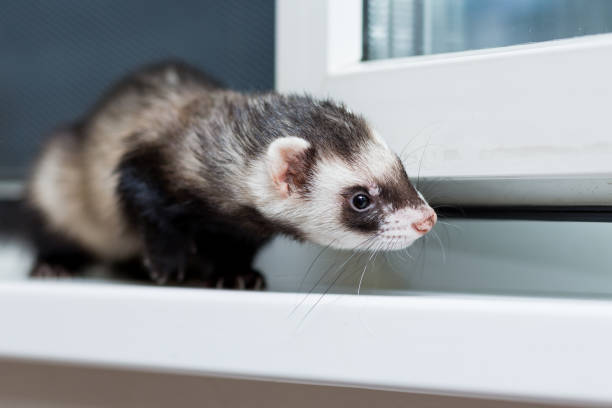
Aleutian Disease Virus (ADV), a member of the Parvoviridae family, stands as a significant pathogen in domestic ferrets (Mustela putorius furo). Its insidious nature lies in its ability to establish a persistent infection, often with a prolonged and subclinical course, leading to a spectrum of debilitating and ultimately fatal conditions. This comprehensive guide delves into the virology, pathogenesis, clinical manifestations, diagnosis, treatment, and prevention of Aleutian Disease, providing an in-depth understanding of this persistent threat to ferret well-being.
I. Introduction to Aleutian Disease Virus (ADV)
Aleutian Disease is a chronic, contagious disease that affects ferrets worldwide. First identified in mink in the 1940s and subsequently recognized in ferrets, the virus is named after the Aleutian Islands where it was initially observed in mink with a characteristic “blue” coat mutation. While the genetic predisposition of mink to the blue dilution gene is linked to susceptibility and a specific clinical presentation, ADV can infect and cause disease in ferrets of all coat colors.
The moniker “stealthy parvovirus” is well-earned due to ADV’s ability to evade host immune responses, leading to chronic shedding and a slow, progressive deterioration rather than an acute, self-limiting illness. This persistent infection is characterized by a continuous battle between the virus and the ferret’s immune system, resulting in chronic inflammation and damage to various organs.
II. Virology of Aleutian Disease Virus
ADV is a non-enveloped, single-stranded DNA virus belonging to the Parvoviridae family, specifically within the genus Protoparvovirus.
- Genome Structure: The viral genome is relatively small, approximately 5 kilobases (kb), and contains two open reading frames (ORFs). The first ORF encodes non-structural proteins (NS1), which are crucial for viral replication and often possess oncogenic properties. The second ORF encodes structural proteins (VP1 and VP2), which form the viral capsid.
- Replication Cycle: Like other parvoviruses, ADV replicates in actively dividing cells, primarily targeting the epithelial cells of the intestinal tract, lymphoid tissues, and other rapidly proliferating tissues. The virus enters target cells via specific receptors, replicates its DNA in the nucleus, and assembles new virions. Shedding of the virus occurs through feces, urine, saliva, and respiratory secretions.
- Strain Variation: While ADV is a single recognized species, genomic studies have revealed genetic variations among different isolates. These variations can influence pathogenicity and the host immune response, though significant differences in disease presentation are not typically observed between strains in ferrets.
- Persistence and Immune Evasion: A hallmark of ADV infection is its ability to establish a persistent infection. The virus employs strategies to evade the host immune system, including antigenic variation (though less pronounced than in some other viruses), the production of immune-modulating proteins, and the establishment of infection in immune-privileged sites. The persistent shedding of the virus is a key factor in its transmission.
III. Pathogenesis of Aleutian Disease
The pathogenesis of ADV is complex and primarily revolves around the chronic stimulation of the ferret’s immune system.
- Initial Infection and Replication: Following exposure, typically through oral or nasal contact with infected bodily fluids, the virus initially replicates in the epithelial cells of the nasopharynx and gastrointestinal tract.
- Dissemination: The virus then disseminates to lymphoid tissues, including Peyer’s patches in the small intestine, mesenteric lymph nodes, spleen, and bone marrow. This widespread infection of lymphoid tissue is central to the disease’s pathogenesis.
- Immune Response and Hypergammaglobulinemia: The ferret’s immune system mounts a response, but it is largely ineffective at eradicating the virus. A key feature of chronic ADV infection is the development of hypergammaglobulinemia, particularly elevated levels of IgG. This is thought to be due to polyclonal B-cell activation, where B cells are stimulated to produce large amounts of antibodies, not all of which are specific to the virus. This uncontrolled antibody production contributes to immune complex formation.
- Immune Complex Deposition and Inflammation: The persistent presence of viral antigens and the overproduction of antibodies lead to the formation of immune complexes (antigen-antibody complexes). These complexes can deposit in various organs, including the kidneys, liver, spleen, and joints. Upon deposition, immune complexes activate the complement system and recruit inflammatory cells, leading to chronic, progressive inflammation and tissue damage.
- Organ-Specific Pathology:
- Kidneys: Immune complex deposition in the glomeruli leads to glomerulonephritis, characterized by proteinuria, azotemia, and ultimately renal failure.
- Liver: Hepatitis can occur due to immune complex deposition and inflammation, leading to elevated liver enzymes and impaired liver function.
- Spleen: Splenomegaly is common, often with evidence of lymphoid hyperplasia and immune complex deposition.
- Gastrointestinal Tract: Chronic enteritis, characterized by inflammation and villous atrophy, can lead to malabsorption, weight loss, and diarrhea.
- Hematopoietic System: Anemia, particularly a non-regenerative anemia, can develop due to chronic inflammation and bone marrow suppression.
- Central Nervous System (CNS): While less common, ADV can cause neurological signs, potentially due to vasculitis or direct viral effects within the CNS.
- B-cell Imbalance and Immunosuppression: Paradoxically, while there is chronic immune stimulation, the impaired B-cell function and the persistent viral presence can lead to a degree of immunosuppression, making ferrets more susceptible to secondary infections.
IV. Clinical Manifestations of Aleutian Disease
The clinical presentation of ADV in ferrets is highly variable, ranging from asymptomatic carriers to severe, life-threatening illness. The disease typically progresses insidiously, and a definitive diagnosis is often made post-mortem, especially in older ferrets that have harbored the virus for years.
Commonly Observed Clinical Signs:
- Progressive Weight Loss: This is one of the most consistent and alarming signs. Despite a good appetite initially, affected ferrets begin to lose weight and muscle mass.
- Lethargy and Weakness: Affected animals become increasingly listless, reluctant to move, and show a general decline in activity levels.
- Poor Coat Quality: The fur may become dull, dry, brittle, and prone to shedding, contributing to a generally unkempt appearance.
- Increased Urination and Thirst (Polydipsia and Polyuria): This is a strong indicator of kidney involvement (glomerulonephritis).
- Diarrhea: Can be intermittent or persistent and may be mucoid or watery. This is often associated with chronic enteritis and malabsorption.
- Vomiting: May occur, particularly if there is significant gastrointestinal inflammation or secondary complications.
- Anemia: Can manifest as pale mucous membranes, weakness, and increased susceptibility to infections.
- Neurological Signs (Less Common): These can include tremors, seizures, ataxia, or behavioral changes, suggesting CNS involvement or severe systemic illness.
- Enlarged Abdomen: May be due to enlarged spleen or liver, or fluid accumulation (ascites), though ascites is less common and usually a late-stage sign.
- Pale Mucous Membranes: Indicative of anemia.
- “Blue Fur” (Rare in Ferrets): While characteristic in mink with the blue dilution gene, this specific coat color change is not a reliable or common sign in ferrets.
Disease Progression:
The disease typically progresses through several stages:
- Incubation Period: This can last from weeks to months, during which the ferret is infected but shows no clinical signs. Viral shedding may begin during this phase.
- Subclinical Chronic Phase: The ferret may appear relatively healthy but exhibits subtle changes like slight lethargy or minor coat dullness. Hypergammaglobulinemia is usually present during this phase.
- Clinical Chronic Phase: The classic signs of weight loss, lethargy, poor coat, and gastrointestinal disturbances become evident. Organ damage is progressing.
- Terminal Phase: The ferret becomes severely debilitated, anorectic, and may develop life-threatening complications such as renal failure or severe anemia. Euthanasia is often considered at this stage to prevent suffering.
Age and Susceptibility:
While ferrets of any age can be infected, clinical signs are often more pronounced in younger ferrets (under 2 years old) who are experiencing more rapid tissue turnover. However, older ferrets may have been infected for years, and the cumulative damage can lead to severe illness.
V. Diagnosis of Aleutian Disease
Diagnosing ADV in living ferrets can be challenging due to the variable and often subtle clinical signs. A definitive diagnosis often relies on a combination of serological testing, clinical signs, necropsy findings, and histopathology.
Diagnostic Methods:
- Serological Testing (Antibody Detection):
- Enzyme-Linked Immunosorbent Assay (ELISA): This is the most common and widely used method. Blood samples are tested for the presence of antibodies against ADV. A positive ELISA result indicates exposure to the virus. However, it is important to note that a positive test does not necessarily mean the ferret is clinically ill; it signifies infection.
- Immunodiffusion (ID) Test: An older but still utilized serological test. It detects the presence of specific antibodies against ADV antigens in the blood serum.
- Challenges with Serology:
- False Negatives: A ferret that is immunocompromised or in the very early stages of infection may not yet have detectable antibody levels.
- False Positives: While rare, cross-reactivity with other viral proteins is theoretically possible.
- Interpretation: A positive antibody test confirms infection but doesn’t definitively prove that ADV is the cause of current clinical signs, especially if other diseases are present.
- Viral Detection (PCR):
- Polymerase Chain Reaction (PCR): This molecular technique can detect the viral genetic material (DNA) in blood, feces, urine, or tissue samples. PCR is more sensitive than serological tests in detecting the presence of the virus itself. It can be useful in identifying infected animals early, even before antibodies are produced, or in confirming infection in seronegative animals.
- Clinical Signs and Physical Examination: A thorough history, including any known exposure to infected ferrets, and a physical examination looking for signs like weight loss, poor coat, anemia, and enlarged organs, provide strong suggestive evidence.
- Necropsy and Histopathology (Post-Mortem Diagnosis):
- Gross Necropsy Findings: Characteristic findings can include an enlarged, firm spleen, enlarged lymph nodes, pale kidneys with patchy discoloration due to interstitial nephritis, a thickened intestinal wall, and a generally emaciated appearance.
- Histopathology: Microscopic examination of tissues reveals characteristic lesions of chronic interstitial nephritis (glomerulonephritis), chronic hepatitis, lymphoid hyperplasia, and plasmacytic infiltrates in various organs, especially the gastrointestinal tract and lymphoid tissues. The presence of prominent plasma cells, characteristic of ADV infection, is a key histopathological finding.
Screening of New Ferrets:
Given the prevalence and insidious nature of ADV, it is highly recommended to screen any new ferret being introduced into a household with existing ferrets. This often involves serological testing for antibodies and quarantining the new ferret until results are confirmed.
VI. Treatment of Aleutian Disease
There is currently no cure for Aleutian Disease Virus infection. Treatment is supportive and aims to manage clinical signs, improve the ferret’s quality of life, and slow disease progression.
Supportive Care Strategies:
- Nutritional Support:
- High-Quality, Highly Digestible Diet: Provide palatable and nutrient-dense food.
- Forced Feeding/Hand-Feeding: In cases of anorexia or severe weight loss, hand-feeding a gruffed or liquid diet may be necessary to maintain caloric intake.
- Appetite Stimulants: Medications can be prescribed by a veterinarian to encourage eating.
- Fluid Therapy: Intravenous or subcutaneous fluids can help combat dehydration, especially if the ferret is vomiting or experiencing diarrhea.
- Management of Gastrointestinal Issues:
- Probiotics: May help restore gut flora and improve digestion.
- Antidiarrheals: Medications can be used to manage diarrhea, though they should be used cautiously as they can mask underlying issues.
- Antiemetics: To control vomiting.
- Management of Anemia:
- Iron Supplements: May be beneficial in some cases.
- Blood Transfusions: Can provide temporary relief in severe anemia but do not address the underlying cause.
- Management of Kidney Disease:
- Low-Protein, Low-Phosphorus Diet: Specific veterinary diets may be recommended.
- Phosphate Binders: To manage hyperphosphatemia.
- Medications to Control Blood Pressure: If hypertension is present.
- Immunomodulatory Therapies (Experimental/Limited Use):
- While not standard practice, some anecdotal reports suggest limited benefits from certain immune-modulating agents or even antiviral medications in specific cases, but these lack robust scientific evidence and are not considered cures.
- Euthanasia: This is a difficult but often humane decision made when a ferret’s quality of life is severely compromised, and further treatment offers little hope of improvement.
Importance of Veterinary Care:
It is crucial that any ferret suspected of having ADV be examined by a veterinarian experienced with ferret medicine. They can accurately diagnose, manage secondary complications, and guide owners through difficult decisions regarding treatment and euthanasia.
VII. Prevention and Control of Aleutian Disease
Preventing the introduction and spread of ADV is paramount, as there is no cure.
Key Prevention Strategies:
- Source of Ferrets:
- Reputable Breeders: Purchase ferrets from breeders who screen their breeding stock for ADV and maintain ADV-free lines. Ask breeders about their ADV testing protocols and herd health.
- Avoid Pet Stores with Unknown Sources: If a pet store’s source of ferrets is not transparent or known to be ADV-free, it is best to avoid purchasing from them.
- Quarantine:
- New Ferrets: Always quarantine any new ferret away from existing ferrets for at least 30 days, ideally longer. During this period, observe for any signs of illness and conduct ADV testing.
- Testing and Screening:
- Pre-Purchase Testing: If possible, request a pre-purchase ADV test on a ferret before buying.
- Regular Screening: For owners with multiple ferrets, consider periodic ADV testing of their existing pets, especially if there has been any exposure through fostering, boarding, or contact with other ferrets.
- Testing Before Introduction: Test all ferrets before introducing them into a mixed-ferret household.
- Hygiene and Biosecurity:
- Minimize Fomites: While transmission is primarily direct contact with infected bodily fluids, good hygiene practices can reduce the risk of indirect spread. This includes cleaning cages and toys regularly.
- Avoid Sharing Supplies: Do not share food bowls, water bottles, toys, or bedding between ferrets from different households without thorough disinfection.
- Responsible Breeding Practices:
- Selective Breeding: ADV-free breeding programs are essential for reducing the incidence of the disease.
- Testing of Breeding Stock: Regular testing of all animals in a breeding facility is critical.
- Education:
- Owner Awareness: Educate yourself and other ferret owners about ADV, its modes of transmission, and the importance of prevention.
Management of Infected Ferrets:
- Isolation: If a ferret tests positive for ADV, it is best to keep it isolated from other ferrets to prevent further spread.
- Euthanasia in Breeding Facilities: In breeding kennels or multi-ferret households, positive ADV results for breeding animals may necessitate euthanasia to protect the health of the remaining population. This is a difficult but often necessary measure to prevent widespread outbreaks.
VIII. Aleutian Disease in Other Mustelids
While ferrets are the primary focus, ADV can also infect other members of the Mustela genus and related species, including:
- Mink (Neovison vison): The original host where Aleutian Disease was identified. The blue mink mutation is genetically linked to increased susceptibility and a specific chronic wasting syndrome.
- Polecats (Mustela putorius): The wild ancestor of the domestic ferret.
- Stoats (Mustela erminea) and Weasels (Mustela nivalis): These species can also be infected, though often with less severe clinical manifestations.
- Otters: Some otter species can be susceptible.
The clinical presentation and severity of ADV can vary among different species, but the underlying pathogenesis of chronic immune stimulation and organ damage remains similar.
IX. Research and Future Directions
Research into ADV continues to aim for a better understanding of its pathogenesis, the development of more effective diagnostic tools, and ultimately, a potential cure or preventative vaccine.
- Vaccine Development: The persistent nature of ADV and its ability to evade the immune system have made vaccine development challenging. However, ongoing research explores novel vaccine platforms and strategies to induce a protective immune response.
- Antiviral Therapies: Investigating potential antiviral drugs that could inhibit viral replication or mitigate the downstream effects of the infection.
- Pathogenesis Research: Further elucidating the intricate mechanisms of immune complex formation, B-cell dysregulation, and organ damage caused by ADV.
- Genomic Surveillance: Monitoring for genetic changes in ADV strains to understand potential shifts in virulence or transmissibility.
X. Conclusion
Aleutian Disease Virus remains a significant and persistent threat to the health and well-being of domestic ferrets. Its stealthy nature, characterized by a chronic, often subclinical infection, makes early detection and prevention critical. While there is no cure, a thorough understanding of the virus, its pathogenesis, and the implementation of stringent preventative measures, including responsible sourcing and rigorous quarantine, are the most effective strategies for protecting ferrets from this devastating disease. For ferret owners, vigilance, prompt veterinary care, and a commitment to preventative strategies are paramount in ensuring their beloved pets live long and healthy lives.
#AleutianDisease #FerretHealth #ADV #FerretCare #FerretsOfInstagram #PetFerret #Ferrets #FerretsDaily #FerretsRule #FerretsOfIG #FerretsOfYouTube #Parvovirus #AnimalHealth #PetCare #ExoticPets #MustelaPutoriusFuro #FerretsDisease #FerretsLife #FerretsCommunity #FerretsWorldwide #FerretsLove #FerretsNation #VeterinaryMedicine #PetWellness #FerretsAdvice #FerretsTips #FerretsHealthTips #FerretsCommunityLove #FerretsEducation



Add comment