
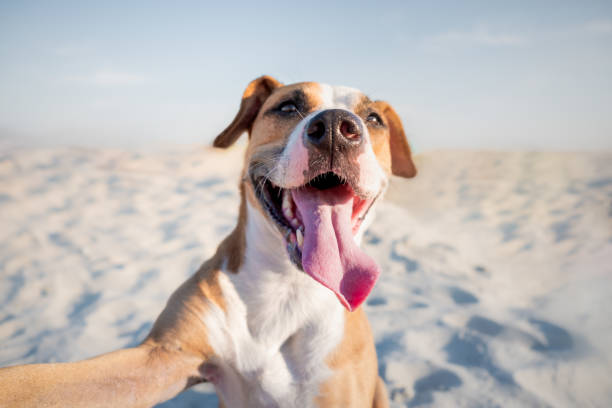
Hair is more than a decorative coat for dogs—it provides thermal regulation, protection from UV radiation, sensory feedback, and a barrier against parasites and pathogens. When a dog loses hair, the underlying problem can range from harmless, self‑limiting episodes to serious systemic diseases that threaten the animal’s overall health and quality of life. This guide offers a deep dive into canine alopecia, detailing causes, clinical signs, at‑risk breeds, age‑related patterns, diagnostic work‑ups, therapeutic options, prognosis, prevention, nutritional support, and zoonotic considerations. Whether you are a pet owner, breeder, veterinary technician, or simply a canine enthusiast, the information herein will equip you with the knowledge to recognize, assess, and manage hair loss effectively.
2. What Is Alopecia in Dogs?
Alopecia is the medical term for loss of hair (or fur) from the skin. In dogs, alopecia can be:
| Type | Description | Typical Pattern |
|---|---|---|
| Symmetrical (generalized) alopecia | Uniform thinning or baldness across large body regions. | Often linked to endocrine or nutritional disorders. |
| Focal alopecia | Isolated patches of hair loss. | Frequently caused by parasites, trauma, or localized infections. |
| Linear or strip alopecia | Straight‑line hair loss, often following a dermatome. | Common with nerve‑related or mechanical causes. |
| Patterned alopecia | Breed‑specific or genetically predetermined patches (e.g., “saddle” in spaniels). | Usually benign, but may be a sign of underlying disease. |
The appearance of alopecia can vary—hair may be completely absent, appear thin and wispy, or be replaced by scaly, crusted, or pigmented skin. The underlying skin condition often dictates the hair loss’s look, texture, and distribution.
3. Major Causes of Alopecia
Canine alopecia is multifactorial. Understanding the root cause is essential for targeted therapy. Below is an exhaustive categorisation of etiologies, each with a brief pathophysiological overview.
3.1 Genetic & Congenital Disorders
| Condition | Mechanism | Breeds Most Affected |
|---|---|---|
| Hereditary pattern baldness (e.g., “Saddle” in English Springer Spaniels) | Autosomal recessive mutation affecting hair follicle cycling. | Springer Spaniel, Irish Setter, Poodle. |
| Color‑linked alopecia (e.g., “Melanotic” in Poodles) | Loss of pigmented hair follicles; often linked to the MC1R gene. | Poodles, Bichon Frise. |
| Mosaicism / “white‑spotting” | Developmental anomalies causing focal hairlessness. | Various. |
| Congenital alopecia (e.g., Lethal acantholytic ectodermal dysplasia) | Malformation of the epidermis and hair follicle stem cells. | Rare; documented in mixed‑breed puppies. |
3.2 Hormonal (Endocrine) Disorders
| Disorder | Hormonal Imbalance | Typical Alopecia Pattern |
|---|---|---|
| Hypothyroidism | Low thyroid hormone → slowed metabolism, skin thinning. | Symmetrical diffuse alopecia, especially on the trunk and tail base. |
| Hyperadrenocorticism (Cushing’s disease) | Excess cortisol → catabolic skin changes. | Symmetrical, hyperpigmented or “fluffy” coat, with hair loss on trunk, abdomen, and hindquarters. |
| Hypoadrenocorticism (Addison’s disease) | Low cortisol & aldosterone → chronic inflammation. | Patchy alopecia often accompanied by pigmentation changes. |
| Sex hormone disorders (e.g., estrogen excess, testosterone deficiency) | Altered androgen/estrogen balance → follicular miniaturisation. | Seasonal shedding accentuated; may see thinning around the flank and flank region. |
| Insulinoma / Diabetes Mellitus | Metabolic dysregulation → secondary skin infections, poor coat quality. | Often focal alopecia secondary to bacterial pyoderma. |
3.3 Infectious Agents
| Agent | Category | Clinical Presentation |
|---|---|---|
| Fleas | Ectoparasite | Alopecia with intense pruritus; often in the dorsal lumbar region (“flea bite dermatitis”). |
| Mites – Sarcoptes scabiei (scabies) and Demodex canis (demodicosis) | Ectoparasite | Scaly, erythematous patches with hair loss, often crusted; demodicosis may be focal or generalized. |
| Dermatophytes (e.g., Microsporum canis, Trichophyton mentagrophytes) | Fungal | Circular, alopecic lesions with broken hairs; often “ringworm.” |
| Bacterial infections (e.g., Staphylococcus pseudintermedius) | Bacterial | Alopecia secondary to pyoderma; crusting, pustules, odor. |
| Yeast (Malassezia) | Yeast overgrowth | Greasy, malodorous skin with hair loss; common in allergic dogs. |
| Viral – Canine distemper (CDV) | Systemic viral | Early signs include facial alopecia, nasal depigmentation. |
3.4 Immune‑Mediated & Autoimmune Diseases
| Condition | Immune Mechanism | Alopecia Features |
|---|---|---|
| Autoimmune Alopecia (Alopecia Areata) | T‑cell mediated attack on hair follicle bulbs. | Sudden, well‑circumscribed alopecic patches; may progress to total baldness (alopecia universalis). |
| Pemphigus foliaceus | Auto‑antibodies against desmoglein‑1, causing epidermal blistering. | Crusty erosions, hair loss on face, ears, and trunk. |
| Lupus erythematosus (discoid) | Immune complex deposition; interface dermatitis. | Depigmented, atrophic plaques with alopecia; often periorbital. |
| Eosinophilic granuloma complex | Allergic hypersensitivity → eosinophil‑rich lesions. | Erythematous plaques, ulcerations, and localized alopecia. |
| Vasculitis | Immune‑mediated vascular inflammation. | Purpuric lesions with overlying alopecia. |
3.5 Nutritional Deficiencies & Metabolic Issues
| Deficiency | Nutrient | Typical Manifestation |
|---|---|---|
| Essential fatty acid (EFA) deficiency | Omega‑3/6 fatty acids | Dry, scaly skin, brittle coat, diffuse alopecia. |
| Protein‑energy malnutrition | Low‑quality or insufficient protein | Poor coat quality, thinning, hair loss on the ventrum. |
| Zinc deficiency | Zinc (essential for hair keratinisation) | Alopecia around the muzzle, paws, and perianal area (“zinc‑responsive dermatosis”). |
| Vitamin A excess/deficiency | Vitamin A | Hyperkeratosis or xerosis leading to alopecia. |
| Biotin deficiency (rare) | Biotin | Hair loss on the dorsal thorax and hind limbs. |
3.6 Mechanical & Physical Factors
- Self‑trauma (licking, chewing, scratching) – often secondary to pruritus from allergies, parasites, or pain.
- Pressure sores & chronic rubbing – e.g., harness straps, collars, or repeated bedding friction.
- Thermal burns, frostbite, UV‑induced alopecia – localized, often with necrosis.
3.7 Allergic Dermatitis
- Atopic dermatitis – IgE‑mediated hypersensitivity to environmental allergens.
- Food‑induced allergies – Protein or carbohydrate hypersensitivity.
- Contact dermatitis – Direct skin contact with irritants (e.g., cleaning agents, certain fabrics).
Alopecia in allergic dogs is frequently secondary to intense pruritus resulting in self‑induced hair loss.
3.8 Neoplastic Causes
- Mast cell tumors, squamous cell carcinoma, melanoma – may cause focal alopecia overlying the tumour.
- Paraneoplastic alopecia – rare, immune‑mediated coat loss associated with internal malignancy.
4. Clinical Signs & Symptoms
4.1 Visible Changes
| Sign | Description | Typical Timing |
|---|---|---|
| Patchy hair loss | Irregular, often circular alopecic spots. | Acute to chronic; may expand. |
| Diffuse thinning | Uniform reduction of hair density across body region. | Chronic; may be progressive. |
| Broken or “stubbly” coat | Hairs are fractured at the shaft, giving a ragged appearance. | Common with self‑trauma or dermatophyte infection. |
| Scales, crusts, or pustules | Secondary skin lesions often accompany alopecia. | Indicates infection or immune‑mediated disease. |
| Pigmentary changes | Hyperpigmentation (darkening) or hypopigmentation (lightening). | Frequently seen in endocrine or autoimmune diseases. |
| Odor | Foul, yeasty, or “musty” smell due to bacterial/yeast overgrowth. | Sign of secondary infection. |
| Pain or pruritus | Dog may scratch, lick, or bite the area. | May be the primary driver of hair loss. |
| Systemic signs (e.g., polyuria, polydipsia, weight loss, lethargy) | Reflect underlying disease (e.g., Cushing’s, hypothyroidism). | Helps direct diagnostic focus. |
4.2 Behavioral Indicators
- Excessive licking or chewing of a specific region.
- Restlessness, especially at night, indicating pruritus.
- Changes in grooming habits (over‑grooming in certain breeds).
When alopecia is observed, a thorough history (diet, environment, recent medication, breeding, previous illnesses) and a meticulous physical exam are the first steps toward pinpointing the cause.
5. Breeds at Risk
5.1 Breed Overview
Certain canine breeds have a genetic predisposition for specific types of alopecia. Below is an alphabetical list with a concise explanation of why each breed is prone to hair loss.
| Breed | Alopecia Type(s) | Why the Breed Is Susceptible |
|---|---|---|
| American Staffordshire Terrier | Autoimmune alopecia, demodicosis | High incidence of immune dysregulation and skin barrier defects. |
| Bichon Frise | Color‑linked alopecia, zinc‑responsive dermatosis | Genetic mutations affecting melanin deposition and zinc metabolism. |
| Border Collie | Atopic dermatitis with secondary alopecia | Strong atopic tendency; vigorous activity leads to self‑trauma. |
| Boxer | Demodicosis, autoimmune alopecia | Immune system quirks increase susceptibility to Demodex overgrowth. |
| Cocker Spaniel | Sebaceous adenitis, atopic dermatitis | Abnormal sebaceous gland function leads to scaling and hair loss. |
| Dachshund | Alopecia X (saddle pattern) | Inherited mutation affecting follicular cycling. |
| English Springer Spaniel | “Saddle” pattern alopecia | Autosomal recessive gene causing patterned hair loss. |
| German Shepherd | Atopic dermatitis, autoimmune disorders | High prevalence of allergies and immune‑mediated skin disease. |
| Golden Retriever | Atopic dermatitis, hypothyroidism | Breed predisposition to endocrine and allergic conditions. |
| Irish Setter | Patterned alopecia, atopic dermatitis | Genetic pattern hair loss plus high atopic tendency. |
| Jack Russell Terrier | Primary idiopathic alopecia, demodicosis | Immune dysregulation and skin barrier deficiencies. |
| Labrador Retriever | Atopic dermatitis, hypothyroidism | Common endocrine and allergic disorders. |
| Maltese | Color‑linked alopecia, zinc deficiency | Sensitive skin; prone to nutritional deficiencies. |
| Poodle (Standard, Miniature, Toy) | Color‑linked alopecia, follicular dysplasia | Inherited pigment‑related hair loss & poor follicular health. |
| Shih Tzu | Alopecia X, dermatophytosis | Genetic predisposition (Alopecia X) and susceptibility to fungal infections. |
| Siberian Husky | Seasonal alopecia, autoimmune disorders | Seasonal coat shedding exaggerated; autoimmune alopecia reported. |
| Yorkshire Terrier | Follicular dysplasia, zinc deficiency | Small breed prone to nutritional hair loss and hereditary follicular issues. |
Paragraph Explanation
The genetic architecture of a breed influences hair follicle development, immune system regulation, and metabolic pathways. For instance, the English Springer Spaniel’s “saddle” alopecia is traced to an autosomal recessive gene that interrupts the normal cycle of anagen (growth) and catagen (regression) phases, producing a distinctive hair‑free patch over the lumbar area. In contrast, Boxers and German Shepherds commonly exhibit autoimmune or atopic skin diseases, wherein dysregulated immune responses target follicular structures or incite pruritic inflammation that leads to self‑induced hair loss. Smaller breeds such as Yorkshire Terriers and Maltese often develop zinc‑responsive dermatoses, reflecting breed‑specific metabolic quirks that affect keratinisation. Understanding these breed‑linked tendencies aids clinicians in narrowing differential diagnoses early, allowing for faster, more cost‑effective work‑ups.
6. Age‑Related Patterns
| Age Group | Typical Alopecia Triggers | Key Points |
|---|---|---|
| Puppies (≤ 6 months) | Congenital alopecia, neonatal zinc deficiency, demodicosis, juvenile atopic dermatitis, inherited pattern alopecia. | Early‑onset alopecia may signal serious genetic or immune conditions; prompt veterinary evaluation is critical. |
| Adults (1 – 7 years) | Hormonal disorders (hypothyroidism, Cushing’s), allergic dermatitis, flea/ mite infestations, nutritional imbalances, autoimmune alopecia. | Most alopecias in this group are secondary to systemic disease or environmental factors. |
| Senior Dogs (> 7 years) | Endocrine diseases (hypothyroidism, hyperadrenocorticism), neoplasia, chronic infections, age‑related immune senescence. | Hair loss may be part of a broader decline in health; comprehensive geriatric assessment recommended. |
Why Age Matters: The immune system, endocrine output, and skin barrier integrity evolve throughout a dog’s life. Neonates have immature immunity, making them prone to Demodex overgrowth. Adult dogs face the highest exposure to allergens and parasites, while seniors often develop endocrine syndromes that manifest prominently as alopecia.
7. Diagnostic Approach
A systematic, tiered diagnostic protocol maximises the chance of identifying the precise cause while minimizing cost and stress.
7.1 History & Physical Examination
- Signalment – breed, age, sex, neuter status.
- Onset & progression – sudden vs. gradual, seasonal patterns.
- Pruritus – intensity, distribution, seasonal correlation.
- Dietary history – recent changes, supplements, raw vs. commercial diets.
- Environmental exposures – new bedding, chemicals, other animals.
- Previous treatments – steroids, antibiotics, antiparasitics.
A thorough full‑body skin examination should note:
- Location, size, and shape of alopecic patches.
- Presence of scales, crusts, pustules, erythema, pigmentation.
- Condition of hair follicles (intact, broken, inflamed).
- Secondary signs (ear canal disease, nail changes, lymphadenopathy).
7.2 Basic Laboratory Tests
| Test | Purpose |
|---|---|
| CBC & Serum Biochemistry | Detect systemic disease (infection, endocrine, organ dysfunction). |
| Thyroid panel (Total T4, Free T4, TSH) | Screen for hypothyroidism / hyperthyroidism. |
| Adrenal axis evaluation (ACTH stimulation test or low‑dose dexamethasone suppression test) | Diagnose Cushing’s disease. |
| Serum electrolytes (Na⁺, K⁺, Cl⁻, cortisol) | Assess Addison’s disease. |
| Fasting glucose & fructosamine | Evaluate diabetes mellitus. |
| Serum zinc & fatty acid profile (if indicated) | Identify nutritional deficiencies. |
7.3 Dermatologic Specific Tests
| Test | Method | Interpretation |
|---|---|---|
| Skin Scraping | Direct microscopic examination of superficial skin. | Detect Sarcoptes or Demodex mites; evaluate epidermal cell morphology. |
| Fungal Culture & Wood’s Lamp | Swab of alopecic margin; fluorescent inspection. | Confirm dermatophytosis (ringworm). |
| Cytology (impression smears, fine‑needle aspirates) | Stained slide of lesion exudate. | Identify bacterial pyoderma or yeast overgrowth. |
| Allergy Testing (Serum IgE or Intradermal) | Blood draw or skin patch testing. | Diagnose atopic dermatitis; guide allergen‑specific immunotherapy. |
| Biopsy (Punch, Excisional, or Incisional) | Histopathology after formalin fixation. | Gold standard for autoimmune, neoplastic, vasculitic, or follicular dysplasia conditions. |
| PCR or ELISA for Viral Agents | Blood or swab. | Detect CDV, CPV, or other viral infections with alopecic signs. |
7.4 Imaging
- Abdominal ultrasound – assess adrenal glands (Cushing’s, Addison’s) and endocrine organs.
- Thoracic radiographs – evaluate for neoplasia or systemic infection.
7.5 Decision‑Tree Summary
- Rule out parasites and infection first (scraping, culture, cytology).
- Screen endocrine panel if systemic signs exist.
- Proceed to allergy testing if pruritus persists without infection.
- Consider biopsy when primary skin disease remains uncertain after the above.
The diagnostic timeline can range from a single visit (if the cause is obvious, e.g., fleas) to multiple visits spread over weeks (e.g., endocrine testing and biopsy).
8. Treatment Strategies
Therapeutic plans are individualised according to the identified aetiology, severity, and the dog’s overall health status.
8.1 Parasite‑Directed Therapy
| Parasite | Drug(s) | Dosage & Duration | Notes |
|---|---|---|---|
| Fleas | Spinosad, Nitenpyram, Selamectin (topical) | Single dose; repeat per product label. | Environmental control (vacuuming, washing bedding) essential. |
| Sarcoptes (scabies) | Ivermectin (0.2 mg/kg PO q24‑48 h) or Moxidectin (topical) | 2‑3 weeks; adjunct antihistamines. | Treat all animals in household; isolate infected dog. |
| Demodex (localized) | Ivermectin (0.2 mg/kg q48 h) or Moxidectin (monthly) | 4‑6 weeks; monitor liver enzymes. | Systemic therapy for generalized disease; consider amitraz dips. |
| Dermatophytes | Terbinafine (30 mg/kg PO q12 h) or Griseofulvin (10 mg/kg PO q12 h) | 6‑8 weeks; environmental decontamination. | Topical antifungals (e.g., miconazole) reduce shedding. |
8.2 Antimicrobial & Antifungal Management
- Bacterial pyoderma – Clindamycin (10‑20 mg/kg PO q12 h) or Cephalexin (22 mg/kg PO q12 h) for 4‑6 weeks.
- Malassezia overgrowth – Ketoconazole (5‑10 mg/kg PO q12 h) plus medicated shampoos (e.g., chlorhexidine‑miconazole).
- Fungal infections – Terbinafine as above; for severe cases, Itraconazole (5 mg/kg PO q24 h).
Culture & sensitivity should guide antibiotic choice whenever possible to limit resistance.
8.3 Immune‑Modulating & Anti‑Inflammatory Drugs
| Condition | Drug | Mechanism | Typical Course |
|---|---|---|---|
| Autoimmune alopecia | Cyclosporine (5 mg/kg PO q12 h) | T‑cell inhibition | 8‑12 weeks; taper based on response. |
| Pemphigus foliaceus | Prednisone (2 mg/kg PO q24 h) → taper | Broad immunosuppression | Initial high dose for 2‑3 weeks, then taper. |
| Atopic dermatitis | Oclacitinib (0.4‑0.6 mg/kg PO q12 h) | JAK1 inhibitor → reduces pruritus | Long‑term maintenance possible. |
| Atopic dermatitis | Lokivetmab (1 mg/kg SC q4 weeks) | Anti‑IL‑31 monoclonal antibody | Injectable; reduces itch. |
| Vasculitis, lupus | Mycophenolate mofetil (10‑15 mg/kg PO q12 h) | Inhibits lymphocyte proliferation | Often combined with low‑dose steroids. |
8.4 Hormonal & Endocrine Therapy
| Disorder | Drug | Dose | Remarks |
|---|---|---|---|
| Hypothyroidism | Levothyroxine (Synthroid) | 0.01‑0.02 mg/kg PO q24 h | Recheck T4 in 4‑6 weeks. |
| Hyperadrenocorticism (Cushing’s) | Trilostane (Vetoryl) | 2‑6 mg/kg PO q12 h (adjust based on ACTH stimulation) | Monitor electrolytes and liver enzymes. |
| Addison’s disease | Fludrocortisone (Florinef) 0.01‑0.02 mg/kg PO q24 h; Prednisone 0.5‑1 mg/kg PO q24 h (crisis) | Life‑long therapy; stress dosing required. |
8.5 Nutritional & Supplemental Support
- Essential fatty acids (Omega‑3/6) – fish oil (EPA/DHA) 100 mg/kg PO q24 h; improves skin barrier, reduces inflammation.
- Zinc gluconate – 5 mg/kg PO q24 h for zinc‑responsive dermatitis.
- Biotin – 2‑5 mg/kg PO q24 h in cases of brittle coat; though evidence limited.
- Protein‑rich, highly digestible diet – commercial therapeutic formulas (e.g., Hill’s Prescription Derm, Royal Canin Derm Care).
8.6 Topical & Local Therapies
- Medicated shampoos – chlorhexidine‑2% + miconazole‑2% or ketoconazole‑2% for 2‑4 weeks.
- Topical corticosteroids – hydrocortisone 1% cream applied BID for localized inflammation.
- Aloe‑vera gels, calendula – adjunctive soothing agents for mild irritation.
8.7 Surgical Options
- Excisional biopsy – both diagnostic and therapeutic for small neoplasms causing focal alopecia.
- Removal of chronic, non‑healing ulcerative lesions – may require flap reconstruction.
Therapeutic Monitoring: Regular follow‑up visits (every 2‑4 weeks) are essential to assess response, adjust dosages, and monitor for adverse effects (e.g., immunosuppression, hepatotoxicity). Blood work should be repeated within 2–4 weeks after initiating systemic steroids or immunosuppressives.
9. Prognosis & Potential Complications
| Etiology | Expected Prognosis | Common Complications |
|---|---|---|
| Flea/ mite infestations | Excellent with proper treatment and environmental control. | Secondary bacterial infection, dermatitis chronicity. |
| Dermatophytosis | Good to excellent; resolves in 6‑8 weeks with therapy. | Zoonotic transmission to humans, especially children. |
| Hypothyroidism | Very good; hair regrows within 2‑3 months after euthyroid state achieved. | Persistent skin changes if therapy delayed; myxedema. |
| Cushing’s disease | Guarded; control possible but lifelong medication required. | Skin atrophy, delayed wound healing, opportunistic infections. |
| Autoimmune alopecia | Variable; may achieve remission with immunosuppression but relapses common. | Steroid side‑effects (polyuria, polyphagia, iatrogenic Cushing’s). |
| Atopic dermatitis | Good to moderate; pruritus manageable with modern drugs. | Chronic self‑trauma leading to secondary infection, lick dermatitis. |
| Nutritional deficiency | Excellent once diet corrected; full coat regrowth expected. | Persistent hair loss if underlying malabsorption persists. |
| Neoplasia | Depends on tumour type & stage; surgical excision may be curative. | Local invasion, metastasis, paraneoplastic alopecia. |
Key Take‑away: Early identification and targeted treatment dramatically improve outcomes. Chronic or recurrent alopecia warrants repeated re‑evaluation to prevent secondary infections and maintain the dog’s quality of life.
10. Prevention Strategies
- Routine Parasite Control – monthly flea and tick preventatives, regular deworming, and periodic skin scrapes for Demodex in predisposed breeds.
- Vaccination & Health Maintenance – keep core vaccines up‑to‑date (especially CDV) to avoid virus‑induced alopecia.
- Balanced Nutrition – feed high‑quality, complete diets; supplement EFAs or zinc only under veterinary guidance.
- Regular Grooming & Bathing – use hypoallergenic shampoos; keep coat clean to reduce bacterial/yeast overgrowth.
- Environmental Management – rotate bedding, clean living areas, avoid harsh chemicals that may cause contact dermatitis.
- Allergy Management – implement flea avoidance, conduct diet trials for food allergies, and consider allergen‑specific immunotherapy for atopic dogs.
- Genetic Screening – for breeds known to carry alopecia‑related genes, employ DNA tests before breeding (e.g., “Alopecia X” panels).
- Stress Reduction – minimise anxiety‑induced self‑trauma by providing enrichment, adequate exercise, and behavioural training.
By integrating these preventative measures into daily care, owners can drastically reduce the incidence and severity of alopecia episodes.
11. Role of Diet & Nutrition
11.1 Core Nutrients for a Healthy Coat
| Nutrient | Function | Food Sources |
|---|---|---|
| Protein (high‑quality, 18‑30 % of diet) | Provides amino acids for keratin synthesis. | Chicken, fish, eggs, dairy, soy. |
| Essential Fatty Acids (Omega‑3 EPA/DHA & Omega‑6 LA) | Maintains skin barrier, reduces inflammation, improves coat sheen. | Fish oil, flaxseed, chicken fat, sunflower oil. |
| Zinc | Integral for keratinocyte differentiation and hair follicle health. | Beef, lamb, pumpkin seeds, zinc‑fortified kibble. |
| Vitamin A | Regulates epithelial cell growth. | Liver, carrots, sweet potatoes; excess can be toxic. |
| Biotin (Vitamin B7) | Supports fatty acid metabolism and keratin production. | Egg yolk, liver, cereals; supplementation often used. |
| Copper | Essential for melanin formation; deficiency can cause depigmentation. | Liver, shellfish, organ meats. |
| Selenium | Antioxidant; protects skin cells from oxidative damage. | Brazil nuts, fish, meat. |
11.2 Therapeutic Diets
- Prescription dermatology formulas (e.g., Hill’s Derm, Royal Canin Skin Support, Purina Pro Plan Veterinary Diets HA) are formulated with optimal ratios of omega‑3/6 fatty acids, high‑quality proteins, and limited allergens.
- Limited‑ingredient diets are valuable for diagnosing and managing food‑induced allergies; typically contain a single animal protein source and a single carbohydrate.
11.3 Supplementation Guidelines
- Omega‑3 Supplementation – 100 mg EPA/DHA per kg body weight daily is a good starting point. Adjust based on coat response and blood triglyceride levels.
- Zinc – 0.5 mg/kg of elemental zinc daily for dogs with confirmed deficiency; monitor liver enzymes because excess zinc can be hepatotoxic.
- Probiotics – Support gut health, which indirectly influences skin immunity. Strains like Lactobacillus acidophilus and Bifidobacterium animalis have shown benefit in atopic dogs.
Caution: Over‑supplementation can cause toxicity (e.g., hypervitaminosis A, copper overload). Always base supplementation on lab results and veterinary guidance.
12. Zoonotic Risk
While most causes of canine alopecia are not zoonotic, a few infectious agents can affect humans:
| Zoonotic Agent | Transmission Mode | Human Clinical Manifestation |
|---|---|---|
| Dermatophytes (Ringworm – Microsporum canis, Trichophyton mentagrophytes) | Direct contact with infected hair/skin, contaminated surfaces. | Pruritic circular lesions, often on the scalp, arms, or torso; more severe in immunocompromised individuals. |
| Scabies (Sarcoptes scabiei var. canis) | Temporary human infestation; mites may burrow but usually die quickly. | Transient pruritic papules, usually self‑limiting; more severe in children or immunocompromised. |
| Bacterial pyoderma (Staphylococcus) | Contact with pus or exudate; rare but possible. | Skin infections, cellulitis; not common. |
| Mites (Cheyletiella, also called “walking dandruff”) | Direct contact; can infest humans (particularly children). | Itchy, scaling rash on hands and wrists. |
Prevention of Zoonoses
- Implement strict hygiene: wash hands after handling a dog with alopecia, especially before eating.
- Use disposable gloves when applying topical medications or cleaning lesions.
- Isolate infected animals during treatment of contagious conditions (e.g., ringworm) and disinfect bedding, grooming tools, and the environment with a 1% bleach solution or appropriate veterinary disinfectants.
- Educate household members, especially children, about avoiding direct contact with infected lesions.
13. Summary & Practical Take‑aways
- Alopecia in dogs is a symptom, not a disease. It can stem from genetics, hormones, infections, immune-mediated disorders, nutrition, mechanical trauma, or neoplasia.
- History, physical examination, and targeted diagnostics (skin scrapings, cultures, endocrine panels, biopsies) are the cornerstone of an accurate diagnosis.
- Treatment is cause‑specific—antiparasitics for mites, antibiotics for bacterial infections, immunosuppressives for autoimmune disease, hormone replacement for endocrine disorders, and nutritional support for deficiencies.
- Prognosis varies: infectious and nutritional alopecia usually resolve fully, whereas autoimmune and endocrine forms may require lifelong management.
- Prevention hinges on regular parasite control, balanced nutrition, genetic screening, environmental hygiene, and early allergy management.
- Zoonotic agents (ringworm, scabies) are relatively rare but warrant proper hygiene and isolation protocols.
By integrating the knowledge above, veterinarians and dog owners can recognize early signs, intervene promptly, and minimize the emotional and physical toll of alopecia, ultimately ensuring a healthier, happier companion.
#DogAlopecia, #CanineHairLoss, #VetDermatology, #DogHealth, #PetCare, #DogSkinCare, #DogNutrition, #HealthyCoat, #DogBreeds, #PetWellness, #DogAllergies, #FleaControl, #Ringworm, #Demodicosis, #Hypothyroidism, #CushingsDisease, #AutoimmuneAlopecia, #DogDiet, #EssentialFattyAcids, #ZincDeficiency, #DogGrooming, #PetPrevention, #DogOwners, #VeterinaryMedicine, #DogLovers, #PetEducation, #DogWellbeing, #DogSkinProblems, #DogHealthTips, #DogLifestyle





Add comment