
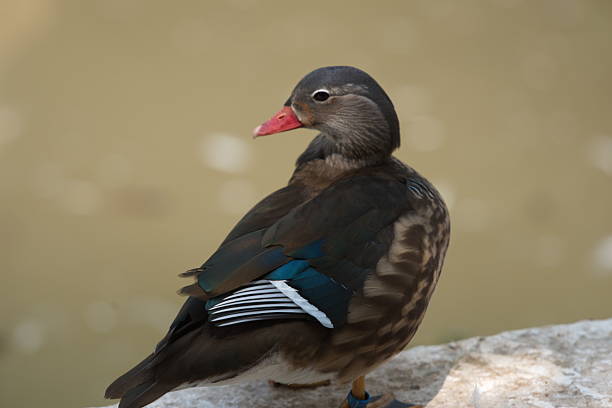
Ammonia toxicity in ducks is a significant and often underappreciated health concern, particularly in intensive or poorly managed rearing environments. This condition arises from the excessive accumulation of ammonia (NH₃) in duck housing, primarily due to the breakdown of nitrogen-containing compounds in feces and urine. Ammonia is a colorless gas with a pungent, irritating odor that can cause substantial harm to the respiratory system, ocular tissues, and overall health of ducks when present in elevated concentrations. The effects of ammonia exposure are insidious and often progress slowly, making early detection and intervention challenging.
Ammonia is produced when microbial action decomposes nitrogen-rich organic matter—most notably urea and uric acid in droppings—under warm and humid conditions. Poor ventilation, infrequent litter changes, overcrowding, and high-protein diets exacerbate ammonia production. As ammonia concentrations increase in enclosed spaces, the gas begins to irritate mucous membranes in the eyes, respiratory tract, and skin. Chronic exposure leads to a cascade of physiological disruptions, including impaired immune function, reduced weight gain, lower egg production, and increased susceptibility to secondary infections.
This guide provides an in-depth examination of ammonia toxicity in ducks, covering its causes, clinical signs and symptoms, duck breeds most at risk, the life stages most vulnerable, diagnostic approaches, treatment and prognosis, complications, prevention strategies, dietary considerations, and potential zoonotic risks. By understanding this condition comprehensively, duck keepers—whether hobby farmers or commercial producers—can implement preventive measures and ensure better animal welfare.
CAUSES OF AMMONIA TOXICITY IN DUCKS
Ammonia toxicity in ducks is primarily caused by the accumulation of ammonia gas in confined or poorly ventilated rearing environments. The primary source of ammonia is the microbial breakdown of nitrogenous waste products in duck feces and urine. Ducks excrete uric acid as their main nitrogenous waste, which, under the influence of urease-producing bacteria (such as Proteus, Clostridium, and Staphylococcus spp.), is rapidly converted into ammonia. This process is accelerated by warm temperatures, high humidity, and the presence of moisture in litter materials such as straw, wood shavings, or rice hulls.
Several management factors significantly contribute to ammonia buildup:
- Poor ventilation: Inadequate airflow in duck houses or coops prevents the dispersion of ammonia gas, leading to its accumulation.
- High stocking density: Overcrowding increases the amount of waste per unit area, overwhelming the litter’s capacity to absorb moisture and manage nitrogen load.
- Wet or soiled bedding: Moisture from spilled water, urine, or high humidity creates ideal conditions for microbial activity and ammonia volatilization. Damp litter can release ammonia levels exceeding 50 ppm, which is toxic to ducks.
- High-protein diets: Diets excessively rich in protein result in greater nitrogen excretion in feces, increasing ammonia production if not balanced with proper nutrient utilization.
- Infrequent litter management: Failure to clean or replace soiled bedding regularly allows ammonia to build up over time.
- Poor drainage or flooring design: Solid, non-absorbent floors, or enclosures with poor drainage contribute to wet conditions.
Other contributing factors include:
- Use of manure-laden bedding brought from other poultry facilities.
- Warm ambient temperatures, which increase microbial metabolic rates and ammonia release.
- Lack of routine environmental monitoring for ammonia levels.
The threshold for safe ammonia concentration in duck housing is typically considered to be below 25 parts per million (ppm). Levels above 25–50 ppm can cause irritation, while concentrations exceeding 100 ppm lead to severe respiratory damage and systemic toxicity. Prolonged exposure to even low levels (10–20 ppm) can impair growth, reduce feed efficiency, and suppress immune responses, making ducks more susceptible to infectious diseases such as aspergillosis, Escherichia coli infections, and avian influenza.
Ammonia toxicity is more common in enclosed systems such as brooder rooms, indoor laying houses, and commercial duck barns, but it can also affect semi-confined flocks kept in poorly maintained coops. Free-range ducks are generally less susceptible due to better air circulation and natural dispersal of waste, but during rainy seasons or in overstocked outdoor pens, ammonia exposure can still occur.
SIGNS AND SYMPTOMS OF AMMONIA TOXICITY IN DUCKS
The clinical manifestations of ammonia toxicity in ducks vary depending on the duration and concentration of exposure. Early signs are often subtle and nonspecific, making them easily overlooked. However, as exposure continues, symptoms become more pronounced and debilitating.
Respiratory Signs:
- Dyspnea (difficulty breathing): Affected ducks may exhibit open-mouth breathing, gasping, or increased respiratory effort.
- Nasal discharge: Clear or mucoid nasal secretions may be present due to irritation of the nasal mucosa.
- Sneezing and coughing: Frequent sneezing or hacking indicates irritation in the upper respiratory tract.
- Wheezing or rales: Crackling or whistling sounds during respiration suggest bronchial or tracheal inflammation.
- Swollen sinuses: In severe cases, inflammation of the infraorbital sinuses may occur, causing facial swelling.
Ocular and Facial Symptoms:
- Conjunctivitis: Redness, swelling, and discharge from the eyes are common.
- Tear staining: Wet feathers around the eyes due to excessive tearing.
- Corneal ulcers: Prolonged irritation may lead to corneal damage, especially in young ducklings.
- Blindness: Chronic exposure can cause irreversible eye damage and temporary or permanent blindness in severe cases.
Behavioral and General Health Changes:
- Lethargy: Ducks may become less active, reluctant to move, and isolate themselves.
- Reduced feed and water intake: Anorexia due to discomfort or irritation leads to poor appetite.
- Decreased growth rate: Poor weight gain in ducklings and growing ducks due to reduced feed efficiency.
- Huddling behavior: Affected birds may huddle together, indicating discomfort or illness.
- Ruffled feathers: Fluffed plumage is a sign of stress or poor health.
Reproductive and Production Effects:
- Reduced egg production: In laying ducks, ammonia exposure can lead to a decline in egg number and quality.
- Thin eggshells or misshapen eggs: Calcium metabolism may be indirectly affected due to chronic stress.
- Poor hatchability: Eggs from chronically exposed females may have lower fertility and hatch rates.
Secondary Infections: Damage to the respiratory epithelium compromises the mucociliary clearance mechanism, making ducks vulnerable to secondary bacterial and fungal infections such as:
- E. coli (colibacillosis)
- Pasteurella multocida (fowl cholera)
- Aspergillus fumigatus (aspergillosis)
- Mycoplasma spp.
These secondary diseases can mask the underlying ammonia toxicity, leading to misdiagnosis and inappropriate treatment.
Symptoms may appear within 24–48 hours of exposure to high ammonia levels (>50 ppm), but chronic low-level exposure may take weeks to manifest clearly. Ducklings and young birds are typically more severely affected due to their developing immune and respiratory systems.
DUCK BREEDS AT RISK (WITH PARAGRAPH EXPLANATION)
While all duck breeds are susceptible to ammonia toxicity under poor management conditions, certain breeds are at higher risk due to their size, growth rate, rearing purpose, or typical husbandry practices.
Pekin ducks are the most commonly affected breed in commercial settings. Their rapid growth rate and high metabolic output result in significant feed and water consumption, leading to high nitrogen excretion and manure production. Pekins are typically raised in intensive indoor systems with high stocking densities, making them particularly vulnerable to poor air quality. Because they grow quickly, even mild ammonia exposure can significantly impact weight gain and feed conversion ratios, affecting profitability. Their limited outdoor access in commercial setups further increases exposure risk.
Rouen ducks, a large, slow-growing breed often used for meat production, are also at risk. Their size requires more space and produces more waste per bird, increasing ammonia load in confined areas. Though often raised in semi-intensive systems, poor ventilation or moisture accumulation can lead to toxic conditions.
Indian Runner ducks, commonly used in egg production, are frequently housed in enclosed coops or layer houses. Their high egg-laying capacity means they receive high-protein diets, which elevate nitrogen excretion and thus ammonia production. Their close confinement in production systems increases exposure if litter is not managed properly.
Khaki Campbell ducks, another prolific layer breed, share similar risks with Indian Runners. Their tendency to be kept in commercial or semi-commercial setups with limited outdoor access during winter or rainy seasons makes them prone to ammonia buildup.
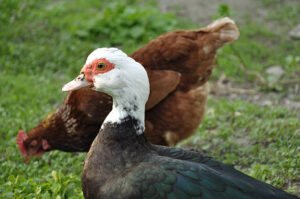
Muscovy ducks, though hardier and often raised in more extensive systems, are not immune. Young Muscovies are particularly susceptible to respiratory challenges, including those caused by ammonia. Their nesting and brooding behaviors may involve staying in damp, enclosed areas, increasing exposure.
Backyard and show breeds like Call ducks and Saxony ducks can also suffer from ammonia toxicity, especially when kept in small enclosures with infrequent cleaning. Their smaller size does not confer immunity; in fact, their higher metabolic rate per body weight may increase sensitivity.
Overall, breeds raised in intensive systems, those with high metabolic rates, and those subjected to confinement with poor ventilation are at the greatest risk. However, any duck, regardless of breed, can develop ammonia toxicity if environmental conditions are suboptimal.
AFFECTED LIFE STAGES
Ammonia toxicity can affect ducks at all life stages, but ducklings (0–4 weeks) are the most vulnerable due to their physiological immaturity and high metabolic demands.
Ducklings: Newborn and young ducklings have underdeveloped respiratory and immune systems, making them highly sensitive to airborne irritants. Their rapid growth rate requires efficient oxygen uptake and nutrient utilization, both of which are compromised by respiratory irritation. Ammonia exposure in this stage leads to poor weight gain, increased mortality, and developmental delays. Corneal and tracheal damage can be irreversible, leading to lifelong health issues. Brooder boxes with poor ventilation or wet bedding are common culprits in ammonia toxicity among ducklings.
Growing ducks (5–16 weeks): This stage involves continued rapid development, especially in meat-type breeds. Although slightly more resilient than ducklings, growing ducks are still at high risk, particularly in overcrowded grow-out houses. Ammonia exposure reduces feed efficiency and increases susceptibility to respiratory infections. Chronic exposure during this phase can lead to long-term pulmonary damage.
Adult laying ducks (17+ weeks): While more resistant, adult ducks suffer from reduced productivity when exposed to ammonia. Chronic exposure suppresses egg production, diminishes eggshell quality, and increases behavioral stress. Reproductive health may also be impaired due to systemic inflammation and energy diversion toward immune function.
Breeding stock: Breeder ducks are typically kept for multiple seasons, and prolonged ammonia exposure can shorten their productive lifespan. Poor air quality may also affect semen quality in drakes and fertility in females.
All life stages benefit from clean, well-ventilated environments, but neonatal care is especially critical in preventing long-term consequences of early ammonia exposure.
DIAGNOSIS OF AMMONIA TOXICITY IN DUCKS
Diagnosis of ammonia toxicity is primarily clinical and environmental, as there is no specific blood test or biomarker for direct confirmation.
1. Clinical Evaluation: Veterinarians or experienced keepers assess ducks for:
- Presence of ocular and respiratory signs (conjunctivitis, dyspnea, nasal discharge)
- Behavioral changes (lethargy, reduced feeding)
- Poor growth or production metrics
2. Environmental Assessment: Critical to diagnosis:
- Use of ammonia detection tubes or digital ammonia meters to measure NH₃ levels in the air.
- Levels above 25 ppm are considered hazardous, and above 50 ppm indicate urgent need for intervention.
- Inspection of litter for moisture, compaction, and odor.
- Assessment of ventilation: airflow at duck level, presence of drafts or stagnant zones.
3. Post-Mortem Examination: In cases of mortality, necropsy findings can support the diagnosis:
- Tracheitis: Inflammation of the trachea, often with hemorrhage or exudate.
- Pneumonia or airsacculitis: Inflammation of air sacs, especially in chronic cases.
- Conjunctival and corneal damage: Ulcers or cloudiness in the eyes.
- Absence of primary infectious agents helps rule out diseases like avian influenza or Newcastle disease.
4. Differential Diagnosis: Other conditions with similar symptoms must be ruled out:
- Viral infections: Avian influenza, Newcastle disease
- Bacterial infections: E. coli, Mycoplasma, Pasteurella
- Fungal infections: Aspergillosis
- Nutritional deficiencies: Vitamin A deficiency also causes ocular and respiratory lesions.
A combination of clinical signs, environmental ammonia measurement, and post-mortem findings allows for a definitive diagnosis.
TREATMENT, PROGNOSIS & COMPLICATIONS
There is no specific antidote for ammonia toxicity. Treatment focuses on removing the source and supportive care.
Immediate Actions:
- Remove ducks from the contaminated environment if ammonia levels are high (>50 ppm).
- Improve ventilation immediately—open windows, install fans, or relocate birds.
- Replace wet or caked litter and clean the housing thoroughly.
- Repair waterers to prevent spillage and reduce moisture.
Supportive Care:
- Provide fresh, clean water with added electrolytes to support hydration.
- Administer multivitamin supplements, particularly vitamin A, which aids mucosal repair in the respiratory and ocular tracts.
- Use topical ophthalmic ointments (e.g., antibiotic eye creams) for corneal ulcers.
- In cases of secondary infection, use appropriate antibiotics based on culture and sensitivity (e.g., enrofloxacin for E. coli).
- Ensure a stress-free recovery environment with optimal temperature and humidity.
Prognosis:
- Excellent if detected early and environmental conditions are corrected promptly.
- Ducks with mild to moderate exposure generally recover within a few days to a week.
- Guarded to poor in severe cases involving corneal ulcers, pneumonia, or systemic infection.
- Permanent damage (e.g., blindness, chronic respiratory disease) may occur if exposure was prolonged.
Complications:
- Secondary infections: Bacterial pneumonia, airsacculitis, septicemia.
- Reduced productivity: Long-term decline in growth, egg laying, and fertility.
- Increased mortality: Especially among young ducklings.
- Immune suppression: Prolonged ammonia exposure reduces the ability to respond to vaccines and resist pathogens.
- Carcass condemnations in commercial flocks due to lung and air sac lesions.
Timely intervention is critical to minimizing complications.
PREVENTION OF AMMONIA TOXICITY
Prevention is the most effective strategy for managing ammonia toxicity in ducks. Key preventive measures include:
1. Proper Ventilation:
- Ensure continuous air exchange using ridge vents, eave openings, or mechanical fans.
- Maintain airflow at duck level without causing chilling drafts.
- Monitor CO₂ and NH₃ levels regularly in enclosed houses.
2. Litter Management:
- Use absorbent bedding materials such as pine shavings, rice hulls, or straw.
- Stir litter frequently to promote drying and reduce moisture.
- Remove wet spots daily and replace soiled bedding weekly or as needed.
- Consider using litter amendments like zeolite, activated charcoal, or microbial inoculants to reduce ammonia release.
3. Stocking Density:
- Avoid overcrowding; provide adequate space per bird (e.g., 3–4 sq ft per duckling, 5–6 sq ft per adult).
- Rotate pens or allow pasture access to reduce waste buildup.
4. Water Management:
- Use nipple waterers or automatic drinkers to minimize spillage.
- Place waterers on slatted floors or gravel to prevent litter soaking.
- Clean waterers regularly to prevent leaks.
5. Diet Optimization:
- Formulate diets with appropriate protein levels—avoid excess crude protein.
- Use enzyme supplements (e.g., phytase) to improve nutrient digestibility and reduce nitrogen excretion.
- Consider phase feeding—adjust protein content based on growth stage.
6. Environmental Monitoring:
- Use ammonia detection kits or digital sensors to monitor air quality weekly.
- Maintain NH₃ levels below 25 ppm; ideally below 10 ppm.
7. Biosecurity and Hygiene:
- Practice all-in/all-out flock management to allow thorough cleaning between batches.
- Disinfect housing between flocks.
- Remove manure regularly from pens and storage areas.
8. Housing Design:
- Construct coops with good airflow, sloped roofs, and adequate height.
- Include outdoor runs with drainage.
- Use elevated or slatted floors in wet climates.
Prevention through good management not only protects duck health but also improves productivity and economic returns.
DIET AND NUTRITION CONSIDERATIONS
Diet plays a crucial role in ammonia production and toxicity risk.
Protein Content:
- Excess dietary crude protein is excreted as nitrogenous waste.
- Ideal protein levels:
- Ducklings: 18–20%
- Growers: 15–17%
- Layers: 16–18%
- Breeders: 15–16%
- Use synthetic amino acids (e.g., lysine, methionine) to meet requirements without excess protein.
Low-Protein Diets with Amino Acid Balancing:
- “Ideal protein” diets supply essential amino acids precisely, reducing nitrogen excretion by up to 30%.
- This strategy is common in commercial duck operations to reduce environmental impact and ammonia.
Energy-to-Protein Ratio:
- A balanced ratio ensures protein is used for growth, not energy.
- High-energy, low-protein diets improve feed efficiency and reduce waste.
Feed Additives:
- Probiotics and prebiotics: Improve gut health and nutrient absorption, reducing undigested protein reaching the large intestine.
- Enzymes: Phytase improves phosphorus utilization; protease aids protein digestion.
- Yeast cultures: Enhance microbial balance in the gut.
Water Quality:
- Ensure constant access to clean water.
- Poor water quality reduces feed intake and increases stress.
Feeding Schedule:
- Avoid overfeeding; provide measured rations.
- Use automated feeders to reduce waste and spoilage.
Proper nutrition reduces ammonia production at its source—undigested and excreted protein.
ZoonOTIC RISK
Ammonia toxicity in ducks is not zoonotic in the traditional sense—humans cannot “catch” ammonia poisoning from infected ducks. However, ammonia exposure poses direct health risks to humans working in contaminated environments.
Human Health Hazards:
- Respiratory irritation: Coughing, wheezing, bronchitis, especially in individuals with asthma or COPD.
- Ocular discomfort: Burning eyes, tearing, conjunctivitis.
- Throat and nasal irritation: Sore throat, runny nose.
- Headaches and nausea: From chronic exposure in poorly ventilated spaces.
- Long-term exposure risks: Possible lung function decline and chronic respiratory conditions.
At-risk groups:
- Poultry workers, farmers, veterinarians, and children on farms.
- Individuals with preexisting respiratory diseases.
Safety Measures:
- Use respiratory protection (N95 masks) when cleaning high-ammonia areas.
- Wear goggles to protect eyes.
- Ensure adequate ventilation before entering enclosed duck houses.
- Limit exposure time in contaminated areas.
- Conduct regular air quality monitoring.
While ammonia is not transmissible between animals and humans like a virus or bacterium, the shared environment means that high ammonia levels affecting ducks will also affect human caretakers. Thus, managing ammonia benefits both animal and human health.
CONCLUSION
Ammonia toxicity in ducks is a preventable condition that poses serious threats to bird welfare, productivity, and economic sustainability. Caused by poor ventilation, wet litter, high stocking density, and excessive dietary protein, it leads to respiratory and ocular damage, reduced growth, and increased disease susceptibility. Ducklings and intensively reared breeds like Pekins and Indian Runners are most at risk.
Early recognition of signs—such as coughing, eye discharge, and lethargy—is crucial. Diagnosis relies on clinical evaluation, environmental testing, and post-mortem findings. Treatment involves removing ammonia sources and providing supportive care, with prognosis dependent on early intervention.
Prevention through proper housing, ventilation, litter management, and balanced nutrition is highly effective. Monitoring air quality, optimizing protein intake, and practicing good biosecurity reduce ammonia production at the source.
Finally, although not zoonotic, ammonia exposure harms human caretakers, underscoring the importance of protective measures. By prioritizing air quality and duck welfare, stakeholders ensure healthier flocks, safer working conditions, and sustainable duck production.
#AmmoniaToxicity, #DuckHealth, #DuckCare, #PoultryHealth, #DuckFarming, #BackyardDucks, #DuckHusbandry, #RespiratoryDisease, #DuckPoop, #LitterManagement, #DuckCoop, #DuckWelfare, #DuckNutrition, #PoultryVentilation, #DuckBreeding, #DuckEyes, #DuckRespiratoryHealth, #DuckRaising, #FarmSafety, #AmmoniaPoisoning, #PekinDucks, #IndianRunnerDucks, #DuckVet, #DuckDiet, #EcoFriendlyFarming, #SustainablePoultry, #DuckHygiene, #PoultryScience, #AnimalHealth, #FreeRangeDucks, #DuckKeeper, #DuckSymptoms, #PoultryDiseases, #DuckTreatment, #DuckPrevention, #FarmLife

Add comment