
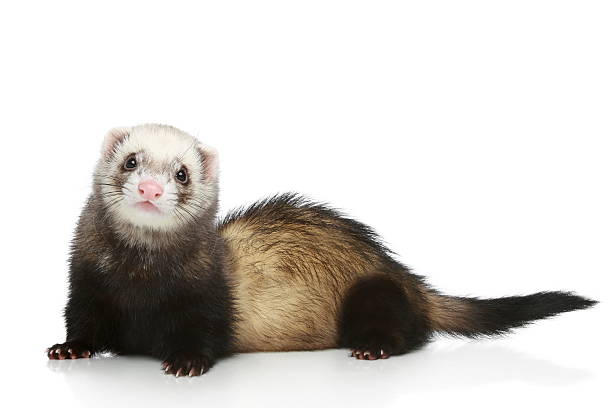
Ferrets, like many mammals, possess anal glands (also called anal sacs) strategically located on either side of the anus. These glands produce a pungent, oily secretion used for territorial marking and social communication. The secretions are typically expelled naturally during defecation and urination. However, these glands can become problematic when they malfunction, leading to impaction or infection.
Understanding the role of anal glands in ferrets is essential for their care. Impaction occurs when the secretions thicken and fail to drain, while infection arises when bacteria infiltrate the blocked glands. These conditions are not only uncomfortable for the ferret but can also escalate to severe complications if left untreated.
This guide will explore the causes, symptoms, diagnosis, treatment options, prevention strategies, dietary considerations, and zoonotic risks associated with anal gland issues in ferrets. By addressing these topics comprehensively, ferret owners can better protect their pets from unnecessary suffering and ensure their long-term health.
Causes of Anal Gland Impaction and Infection
Anal gland issues in ferrets can stem from a variety of factors, including:
- Poor Hygiene: Dirt, debris, or fecal matter can clog the ducts of the anal glands, preventing proper drainage.
- Dietary Deficiencies: A low-fiber diet may lead to soft stools, which fail to stimulate natural gland expression. High-fat diets can also contribute by weakening the muscles around the anal region.
- Obesity: Excess weight increases pressure on the anal glands, making them more prone to blockages.
- Genetic Predisposition: Some ferret lines may have anatomical abnormalities, such as narrow gland ducts, that predispose them to impaction.
- Underlying Health Conditions:
- Diabetes: Alters gland secretions and weakens immune responses.
- Giardia or Coccidia Infections: Cause diarrhea, reducing the mechanical stimulation needed to empty glands.
- Hormonal Imbalances: Affect gland function and secretion consistency.
- Trauma or Inflammation: Injury to the anal region or chronic inflammation (e.g., from allergies) can disrupt normal gland function.
Note: Male ferrets are more prone to anal gland issues than females due to their more robust gland secretions and territorial marking behavior.
Signs and Symptoms
Recognizing early signs of anal gland problems is crucial for prompt intervention.
Anal Gland Impaction
- Swelling: Palpable lumps near the anus.
- Discomfort: Licking or biting the anal region, restlessness, or sitting in unusual positions.
- Foul Odor: A strong, oily smell from trapped secretions.
- Discharge: Dark, thick, or sticky fluid visible on the tail or surroundings.
- Changes in Behavior: Aggression (territorial marking), reluctance to defecate, or decreased appetite.
Anal Gland Infection
- Redness and Heat: Inflamed anal area with warmth to the touch.
- Pus or Blood: Discharge from the glands, possibly with an unpleasant odor.
- Lameness: Pain may cause the ferret to avoid sitting or bearing weight on the affected side.
- Systemic Symptoms: Fever, lethargy, or loss of appetite in severe cases.
Pro Tip: Monitor for “scooting” behavior (dragging the rear on the ground), which is a common sign of discomfort.
Diagnosis
Veterinarians use a combination of methods to confirm anal gland issues:
- Physical Examination: Palpation of the anal region to detect swelling, pus, or abnormalities.
- Rectal Imaging: Ultrasounds or X-rays to assess gland size and identify abscesses.
- Cytology and Culture: Scraping or swabbing the discharge to identify bacteria, fungi, or parasites.
- Blood Tests: To check for systemic infections or underlying conditions like diabetes.
- Differential Diagnosis: Ruling out other causes of anal discomfort, such as tumors or rectal prolapse.
Important: Early diagnosis prevents complications like gland rupture or sepsis.
Treatment Options
Treatment depends on the severity of the condition:
Medical Treatment
- Manual Expression: A vet or owner may gently squeeze the affected gland to remove blockage. This is often recommended for mild impaction.
- Warm Compresses: Applied to the anal area to reduce swelling and promote drainage.
- Antibiotics: Oral or topical antibiotics (e.g., Clavamox, Gentamicin) for bacterial infections.
- Pain Relief: Anti-inflammatory medications (e.g., Metacam) to manage discomfort.
- Antiseptic Washes: Gently cleaning the anal region with a vet-approved solution.
Home Care
- High-Fiber Diet: Add psyllium husk or canned pumpkin to stools to encourage natural gland stimulation.
- Weight Management: Monitor body condition and reduce caloric intake if necessary.
- Hygiene: Regular cleaning of the anal area with warm water and mild soap.
Surgical Intervention
- Anal Sacculectomy: Surgical removal of one or both glands is reserved for chronic or recurrent cases. This is a permanent solution but carries risks of incontinence or wound complications.
Note: Surgical intervention is a last resort due to the potential for postoperative issues.
Prognosis and Complications
With timely treatment, the prognosis is excellent. However, unresolved issues can lead to:
- Abscesses: Ruptured glands may form pus-filled pockets, requiring drainage and antibiotics.
- Fistulas: Chronic inflammation can create abnormal connections between the glands and skin or rectum.
- Chronic Pain: Recurring infections may lead to long-term discomfort.
- Systemic Sepsis: A rare but life-threatening condition if the infection spreads.
Follow-Up Care: Regular vet check-ups and dietary monitoring are essential to prevent recurrence.
Prevention Strategies
- Regular Gland Checks: Monitor for swelling or odor during daily interactions.
- Dietary Adjustments: Feed a high-fiber, low-fat diet. Ferrets with soft stools may benefit from psyllium or barley.
- Weight Management: Maintain a healthy body condition score.
- Hygiene: Clean the anal area to prevent bacterial buildup.
- Stress Reduction: Minimize environmental stressors that may exacerbate marking behavior.
Tip: Use a vet-approved anal gland supplement (e.g., Ferretone) as a preventive measure.
Diet and Nutrition for Anal Gland Health
A balanced diet is foundational to anal gland health:
Key Nutrients
- Fiber: Supports firm stools that naturally express glands. Sources: Oatmeal, brown rice, and commercial ferret food with added fiber.
- Healthy Fats: Omega-3 fatty acids (e.g., fish oil) reduce inflammation.
- Hydration: Fresh water or wet food prevents dehydration, which can harden gland secretions.
Foods to Avoid
- High-fat treats (e.g., pork rinds), sugary snacks, and low-quality commercial foods.
Sample Diet Plan:
- Morning: Ferret-specific kibble (25-30% protein, 5-7% fiber).
- Afternoon: Canned pumpkin (unsweetened) or a small portion of greens (e.g., broccoli).
- Evening: Whole pre-killed rodent or lean meat (e.g., chicken) for protein.
Zoonotic Risks and Safety
While anal gland secretions themselves are not zoonotic, infections or parasites in the glands may pose indirect risks:
- Bacterial Zoonoses: Bacteria like E. coli or Pasteurella present in pus can cause skin infections if a human has an open wound.
- Parasitic Zoonoses: Giardia or Coccidia in the secretions may transmit to humans, especially immunocompromised individuals.
Preventive Measures:
- Wash hands thoroughly after handling the ferret or cleaning waste.
- Disinfect bedding and surfaces.
- Avoid direct contact with anal discharge.
Conclusion
Anal gland issues are manageable with proactive care. By understanding the causes, recognizing early symptoms, and following treatment and prevention guidelines, ferret owners can ensure their pets remain healthy and comfortable. Regular veterinary care, a balanced diet, and hygiene are the cornerstones of anal gland health.
#FerretHealth #AnalGlandCare #PetWellness #AnalSacsInFerrets #FerretDiet #ZoonoticRisks #PetVetCare #FerretNutrition #AnalGlandTreatment #PetPrevention Tips #FerretGrooming #PetHealth #AnalGlandInfection #FerretLover #PetDiet #FerretVetAdvises #PetCare #AnalGlandDisease #FerretCommunity
Add comment