
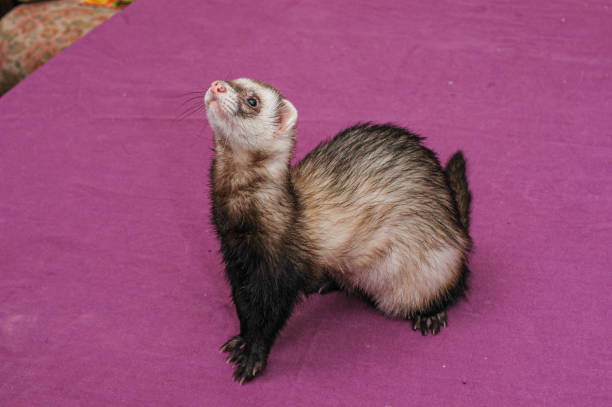
Ferrets (Mustela putorius furo) are playful, intelligent, and increasingly popular as household pets. While generally robust, these small mammals are not immune to health challenges, including immune-related conditions such as allergic reactions and, in severe cases, anaphylaxis. Though rare compared to humans or dogs, allergic reactions in ferrets can be life-threatening if not promptly recognized and treated. This comprehensive guide delves into the causes, signs and symptoms, diagnosis, treatment, prognosis, complications, prevention, dietary considerations, and zoonotic risks associated with anaphylaxis and allergic reactions in ferrets. Additionally, this article includes keyword suggestions and social media hashtags for outreach and awareness.
Understanding Allergic Reactions in Ferrets
An allergic reaction occurs when a ferret’s immune system overreacts to a normally harmless substance (an allergen). The immune system misidentifies the substance as a threat and mounts an inflammatory response. Allergies can range from mild skin irritation to full-blown anaphylactic shock. Anaphylaxis is the most extreme form—a rapid, systemic allergic reaction that can lead to respiratory failure, cardiovascular collapse, and death if untreated.
While ferrets are not as commonly affected by allergies as cats or dogs, their small size and fast metabolism make them particularly vulnerable to adverse reactions, especially if exposed to new foods, medications, or environmental irritants.
Causes of Allergic Reactions and Anaphylaxis in Ferrets
The causes of allergic reactions in ferrets are varied and can involve environmental, dietary, pharmaceutical, and parasitic triggers. Below are the most common causes:
1. Vaccinations
- Rabies and canine distemper vaccines are the most frequently implicated triggers.
- Canine distemper virus (CDV) vaccine, though life-saving, has been associated with anaphylactic reactions in some ferrets, especially on second exposure.
- Reactions are more common with modified-live vaccines but can occur with inactivated types as well.
- Vaccination-induced anaphylaxis is more likely in small animals with no prior history, making pre-vaccination health screening crucial.
2. Medications and Anesthetics
- Antibiotics (e.g., penicillin, cephalosporins), NSAIDs, and anesthetic agents (e.g., propofol, isoflurane) may cause hypersensitivity.
- Local and general anesthetics used during surgeries can provoke immune responses.
- Topical medications, especially those with preservatives or fragrances, may trigger contact dermatitis.
3. Insect Bites and Stings
- Bee stings, wasp stings, mosquito bites, and spider bites can introduce foreign proteins that trigger allergic responses.
- Ferrets may be stung while playing outdoors or escaping through open windows.
- Even a single sting can cause anaphylaxis in sensitized individuals.
4. Foods and Dietary Allergens
- Ferrets are obligate carnivores, requiring high-protein, low-carbohydrate diets.
- Commercial ferret foods containing fillers, grains (e.g., corn, soy), artificial colors, and preservatives may be allergenic.
- Sudden introduction of new foods, especially cat food or treats not formulated for ferrets, can trigger gastrointestinal and systemic reactions.
- Some ferrets may react to specific proteins (e.g., chicken, beef, fish) even in high-quality diets.
5. Environmental Allergens
- Airborne particles like pollen, mold spores, dust mites, and household cleaning chemicals can cause respiratory or skin allergies.
- Scented litter, air fresheners, perfumes, and scented candles are common irritants.
- Cedar and pine bedding release aromatic oils (phenols) that are toxic and irritating to respiratory tracts.
6. Parasites and Their Saliva
- Fleas, ticks, and mites can induce allergic dermatitis via their saliva.
- Repeated exposure increases sensitization over time.
- Even after parasite removal, residual allergens may continue to cause itching and inflammation.
7. Latex or Rubber Materials
- Some ferrets react to rubber toys, latex gloves, or synthetic materials in cages or harnesses.
- Reactions are typically contact dermatitis but can be more severe in rare cases.
Signs and Symptoms of Allergic Reactions and Anaphylaxis
Recognizing the signs of an allergic reaction is critical, as ferrets can deteriorate rapidly. Symptoms vary depending on the type and severity of the reaction.
Mild to Moderate Allergic Reactions
- Pruritus (itching): Scratching, biting at skin, rubbing against objects.
- Skin changes: Redness, rashes, hives (urticaria), swelling (angioedema), especially around the face or limbs.
- Gastrointestinal signs: Vomiting, diarrhea, excessive drooling.
- Respiratory signals: Sneezing, nasal discharge, watery eyes.
- Behavioral changes: Lethargy, irritability, decreased appetite.
Severe Allergic Reaction / Anaphylaxis
Anaphylaxis is a medical emergency and progresses rapidly. Signs typically begin within minutes to hours of exposure.
- Acute collapse: Sudden weakness, inability to stand, or seizures.
- Respiratory distress: Labored breathing, gasping, wheezing, cyanosis (blue gums or skin).
- Cardiovascular signs: Rapid heart rate (tachycardia), weak pulse, low blood pressure (hypotension), collapse.
- Swelling: Facial edema, swollen lips, tongue, or throat, impairing breathing.
- Gastrointestinal: Profuse vomiting, bloody diarrhea.
- Neurological signs: Tremors, disorientation, coma.
- Pale or mottled mucous membranes: Indicating poor perfusion.
Note: Ferrets may not always display classic “itchy skin” symptoms during anaphylaxis. Instead, they may go into shock rapidly with minimal warning signs.
Diagnosis of Allergic Reactions in Ferrets
Diagnosing allergies or anaphylaxis in ferrets requires a combination of history, clinical signs, and supportive diagnostics.
1. History and Physical Examination
- Veterinarians will ask about recent exposures: new food, medication, vaccine, environmental changes, or insect bites.
- Physical exam focuses on skin, mucous membranes, respiratory effort, heart rate, and temperature.
2. Differential Diagnosis
Allergic reactions must be differentiated from:
- Infectious diseases (e.g., Aleutian disease, insulinoma, lymphoma).
- Toxin ingestion (e.g., household cleaners, antifreeze, spoiled food).
- Cardiac failure or respiratory infections.
- Heatstroke or hypoglycemia, which can mimic collapse.
3. Skin Testing
- Rarely used in ferrets due to size and stress sensitivity.
- May be considered in chronic allergy cases under anesthesia.
4. Blood Tests
- Complete blood count (CBC) to check for eosinophilia (elevated eosinophils), which can suggest allergy.
- Serum chemistry panel may reveal organ stress.
- Baseline cortisol levels can help rule out adrenal disease with similar symptoms.
5. Allergen-Specific Testing
- Not routinely available for ferrets.
- In some specialty labs, IgE testing may be attempted, but results are often non-specific.
6. Elimination Diet Trials
- Used to diagnose food allergies.
- Involves feeding a novel protein diet (e.g., rabbit, venison, or insect-based) for 6–8 weeks.
- No treats or flavored medications allowed.
- Improvement suggests a dietary allergy.
7. Biopsy and Histopathology
- For chronic skin lesions, skin biopsy may reveal inflammatory patterns consistent with allergy.
Treatment of Allergic Reactions and Anaphylaxis
Immediate intervention is critical, especially in anaphylactic cases. Delayed treatment increases the risk of death.
Step 1: Emergency Management of Anaphylaxis
If you suspect anaphylaxis, seek emergency veterinary care immediately.
- Remove the allergen: If due to a sting, carefully remove the stinger with a credit card scrape (do not squeeze).
- Administer epinephrine: In severe cases, intramuscular (IM) epinephrine (1:1,000 concentration) at 0.01 mg/kg is the first-line treatment. This constricts blood vessels, opens airways, and stabilizes blood pressure.
- Example: A 1 kg ferret would receive 0.01 mg/kg = 0.01 mg (0.01 mL).
- Caution: Accurate dosing is essential—overdose can cause arrhythmias.
- Ensure airway patency: Intubation or oxygen therapy may be required.
- Intravenous (IV) or intraosseous (IO) fluids: For hypotension and shock. Lactated Ringer’s or 0.9% saline are commonly used to support circulation.
- Antihistamines: Diphenhydramine (Benadryl) at 1–2 mg/kg, IM or SC, may be given but is not a substitute for epinephrine in anaphylaxis.
- Corticosteroids: Dexamethasone (0.1–0.5 mg/kg, IV) or prednisolone may reduce inflammation and prevent biphasic reactions (recurrence of symptoms hours later).
- Bronchodilators: Terbutaline or aminophylline may be used for persistent respiratory distress.
Step 2: Supportive Care
- Oxygen supplementation via mask or chamber.
- Monitoring of heart rate, respiratory rate, temperature, and mucous membrane color.
- Warming support (ferrets are prone to hypothermia when in shock).
- Gastroprotectants (e.g., omeprazole) if vomiting is present.
Step 3: Long-Term Management of Allergies
For non-anaphylactic allergic conditions:
- Avoidance: Identify and remove the allergen (e.g., change food, discontinue medication, switch litter).
- Topical therapy: Antipruritic shampoos or sprays for skin lesions.
- Immunosuppressants: In chronic cases, low-dose cyclosporine may be used under veterinary supervision.
- Allergy shots (immunotherapy): Not commonly practiced in ferrets due to lack of research and practical challenges.
Step 4: Post-Reaction Monitoring
- Observe for biphasic anaphylaxis (symptoms returning 8–12 hours later).
- Keep ferret hospitalized for 12–24 hours after anaphylaxis for stability.
Prognosis and Complications
Prognosis
- Mild reactions: Excellent with timely treatment and allergen avoidance.
- Anaphylaxis: Guarded to poor if treatment is delayed. Ferrets that receive prompt epinephrine and supportive care have a good chance of recovery.
- Recurrence: Animals that have experienced one anaphylactic event are more likely to react upon re-exposure.
Complications
- Respiratory failure: Due to laryngeal edema or bronchospasm.
- Cardiovascular collapse: Shock leading to organ damage.
- Neurological damage: Hypoxia during anaphylaxis may cause seizures or brain injury.
- Multi-organ failure: From prolonged hypoperfusion.
- Secondary infections: Skin lesions from scratching may become infected.
- Chronic skin disease: Untreated allergies can lead to alopecia, hyperpigmentation, and thickened skin.
Prevention of Allergic Reactions and Anaphylaxis
Prevention is far more effective than treatment, especially given the rapid progression of anaphylaxis.
1. Vaccination Protocol
- Use ferret-specific or low-reactogenicity vaccines.
- Administer vaccines one at a time with at least 2–3 weeks apart.
- Observe ferret for 30–60 minutes post-vaccination.
- Keep epinephrine and emergency supplies at home if ferret has a history of reaction.
- Consider titer testing to assess immunity and reduce unnecessary vaccinations.
2. Medication Caution
- Always perform a test dose when introducing new drugs.
- Use single-ingredient medications when possible.
- Avoid known allergens (e.g., if allergic to penicillin, avoid all beta-lactams).
3. Insect Bite Prevention
- Use ferret-safe flea preventative (e.g., selamectin).
- Keep ferrets indoors or supervise outdoor play.
- Avoid areas with high bee or wasp activity.
4. Dietary Management
- Feed high-quality, ferret-specific diets with animal-based proteins.
- Avoid foods with grains, sugars, or artificial additives.
- Introduce new foods gradually over 7–10 days.
- Maintain a food diary to track reactions.
5. Environmental Control
- Use unscented, dust-free litter (e.g., paper-based or recycled pellet litter).
- Avoid air fresheners, candles, and plug-ins.
- Clean living area regularly with non-toxic cleaners (e.g., diluted vinegar or pet-safe disinfectants).
- Use HEPA filters to reduce airborne allergens.
- Replace plastic or rubber toys with durable, non-toxic alternatives (e.g., leather, nylon).
6. Regular Health Checkups
- Annual vet exams to monitor overall health.
- Discuss any prior reactions with your veterinarian before any procedures.
Diet and Nutrition in Allergic Ferrets
Diet plays a critical role in both preventing and managing allergic conditions in ferrets.
Ideal Ferret Diet
- Protein: 30–40%, from animal sources (chicken, turkey, lamb).
- Fat: 15–20%, for energy and skin health.
- Fiber: <3%, as ferrets cannot digest plant fiber.
- Carbohydrates: Minimal; no more than 5–10%.
- Taurine: Essential amino acid; must be present in diet.
Foods to Avoid
- Grains and fillers: Corn, wheat, soy, rice—common allergens and indigestible.
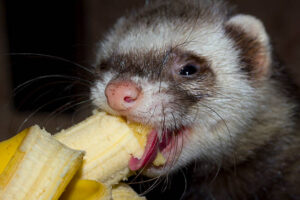
- Sugars and fruits: Can cause insulinoma and disrupt gut flora.
- Milk and dairy: Ferrets are lactose intolerant.
- Human processed foods: Salty, fatty, or seasoned items.
Hypoallergenic Diets
- Novel protein sources: Rabbit, duck, venison, or insect-based proteins (e.g., black soldier fly larvae).
- Homemade diets: Should only be used under veterinary nutritionist guidance to ensure balance.
- Commercial hypoallergenic ferret foods: Brands like Wysong Epigen or Zupreem Ferret Naturals may be suitable.
Feeding Tips
- Feed small meals 4–6 times daily due to short digestive tract.
- Always provide fresh water.
- Avoid free-feeding if prone to overeating.
- Use stainless steel bowls (plastic can leach chemicals and harbor bacteria).
Supplements
- Omega-3 fatty acids (fish oil) may reduce skin inflammation.
- Probiotics can support gut health, especially after antibiotic use.
Zoonotic Risk of Allergic Reactions in Ferrets
Allergic reactions themselves are not zoonotic—you cannot “catch” an allergy from a ferret. However, certain factors associated with ferret allergies may pose indirect zoonotic or health risks:
1. Cross-Species Allergens
- Protein allergens in ferret food (e.g., chicken, fish) may affect human family members with similar food allergies.
- Handling raw diets increases risk of bacterial contamination (e.g., Salmonella, Listeria), which are zoonotic.
2. Environmental Contaminants
- Poor litter hygiene can lead to ammonia buildup, causing respiratory irritation in humans.
- Mold in damp bedding or housing can trigger human asthma or allergies.
3. Parasites
- Fleas and ticks from ferrets may bite humans.
- While rare, some mites (e.g., Sarcoptes) can cause temporary skin irritation in people.
4. Immunocompromised Individuals
- Persons with weakened immune systems should avoid exposure to fecal matter or saliva, especially if ferret is on medication or recovering from illness.
Bottom Line: The allergic reaction in the ferret does not transmit to humans, but good hygiene, safe handling, and proper husbandry reduce any indirect risks.
Conclusion
Allergic reactions and anaphylaxis in ferrets, though uncommon, are potentially fatal conditions requiring prompt recognition and immediate veterinary intervention. Understanding the causes—such as vaccines, foods, medications, and environmental factors—enables owners to minimize risks. Recognizing early signs like scratching, swelling, or respiratory distress can save a life. Treatment hinges on rapid epinephrine administration and supportive care, while long-term management relies on allergen avoidance and proper nutrition.
Preventive care, from diet to vaccination protocols, is essential. Ferrets thrive on simple, natural diets and clean, allergen-free environments. While allergic conditions are not transmissible to humans, responsible pet ownership ensures a safe and healthy home for both ferrets and their human families.
By staying informed and vigilant, ferret owners can provide their pets with long, healthy lives. Always consult an exotic veterinarian familiar with ferrets for any concerns related to allergies or immune responses. Early action and prevention are the cornerstones of successful management.
#FerretAllergies, #AnaphylaxisInFerrets, #FerretHealth, #FerretCare, #FerretVaccines, #FerretEmergency, #FerretOwnerTips, #FerretNutrition, #FerretDiet, #FerretFoodAllergy, #FerretSkinProblems, #FerretRescue, #FerretMedicine, #ExoticPets, #FerretLovers, #FerretLife, #PetAllergies, #FerretVet, #FerretSafety, #FerretFirstAid, #FerretMom, #FerretDad, #SmallPets, #FerretHacks, #FerretTraining, #FerretCute, #FerretZoonosis, #FerretHygiene, #FerretHabitat, #FerretToys, #FerretBedding, #FerretGrooming, #FerretDermatitis, #FerretSkinCare, #VaccinationRisks, #FerretEpinephrine, #FerretCollapse, #FerretBreathingProblems, #FerretVomiting, #FerretItching, #FerretPrevention, #FerretAwareness, #FerretEducation, #FerretCommunity, #FerretInsta, #FerretYouTube, #FerretFacebook, #ExoticPetCare, #FerretHealthTips, #FerretSymptoms, #FerretOwnerGuide, #FerretExpert, #FerretDoctor, #FerretAllergyTest, #FerretSafeProducts, #FerretFoodReview, #FerretProbiotics


Add comment