
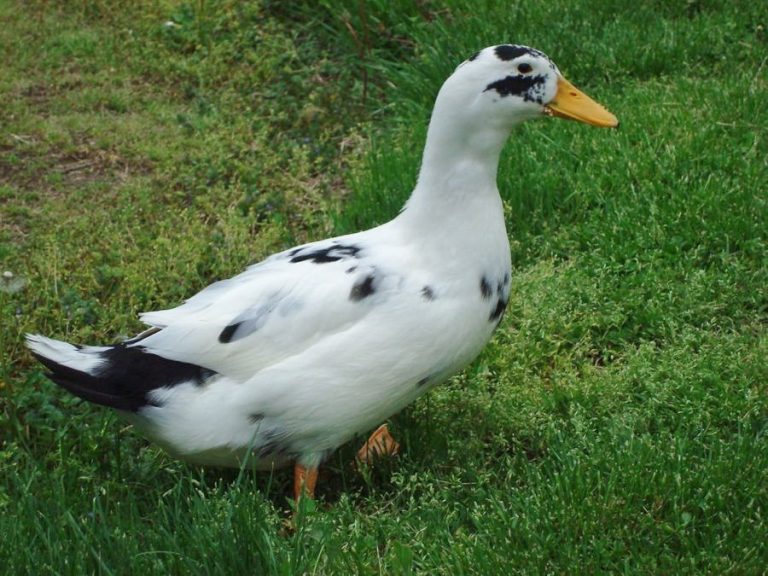
The Ancona Duck, a striking and versatile breed, is celebrated for its unique appearance and productivity in poultry farming. Originating from the coastal town of Ancona, Italy, this breed has earned global recognition for its exceptional qualities. Known for its adaptability, the Ancona is a dual-purpose breed, though it is primarily valued for its high egg production. Its striking black-and-white plumage and vibrant orange legs make it a favorite among ornithologists and poultry enthusiasts alike.
The Ancona Duck’s history traces back to the 19th century when it was selectively bred for improved traits, such as egg-laying capacity and disease resistance. While it initially thrived in Italy, breeding efforts expanded to countries like Australia and the United Kingdom, where the breed was further refined. Today, the Ancona is a staple in commercial and backyard farms, prized for its resilience and efficiency in converting feed to eggs or meat.
This breed plays a critical role in sustainable agriculture due to its high productivity and low maintenance requirements. Its ability to thrive in diverse climates and adapt to various housing conditions makes it an excellent choice for farmers seeking a reliable poultry option. Beyond agriculture, the Ancona is a symbol of biodiversity, with conservation efforts ensuring its preservation as a heritage breed.
This guide will explore every aspect of the Ancona Duck, from its physical traits to its economic value. Readers will gain insights into its breeding, care, and management, whether for agricultural or personal purposes. With its rich history and multifaceted utility, the Ancona Duck remains a cornerstone of modern poultry farming and a testament to centuries of selective breeding.
Other Names & Synonyms
The Ancona Duck is commonly referred to by several names, reflecting its regional usage and historical evolution. In colloquial settings, it is often called the “Ancona,” a shortened version of its full name. Within poultry circles, the term “Anconas” is frequently used to denote flocks or groups of these ducks.
The breed has no direct synonyms in other languages, though its Italian origins have led to some regional terms, such as Anconina in Italian literature. In the United Kingdom and Australia, where the breed is most prevalent, it is strictly called the Ancona Duck to avoid confusion with other similar breeds like the Khaki Campbell or Pekin Duck.
While the Ancona shares some traits with other duck breeds, it is distinct in its genetics and appearance. Its black-and-white plumage and vibrant orange legs are unique markers. The breed’s name is derived from its place of origin, Ancona, and there are no significant cultural or linguistic variations in its title.
To avoid misidentification, it is essential to note that the Ancona is not interchangeable with the Italian Grey Duck or the Rouen Duck, despite their coastal Italian origins. The Ancona’s standardized characteristics, including its size and plumage, ensure its identity remains distinct in both commercial and educational contexts.
Primary Breed Purpose
The Ancona Duck is primarily raised for egg production, though it is also utilized for meat in certain regions. Its reputation as an egg-layer is unparalleled, with hens laying up to 200–220 white or creamy white eggs annually under optimal conditions. This productivity makes it a cornerstone of commercial poultry farming, particularly in small to medium-scale operations.
The breed’s secondary purpose lies in meat production, though it is less emphasized due to its lean, light body. Unlike heavy breeds such as the Pekin Duck, the Ancona’s meat is more delicate, with a mild flavor that appeals to premium markets. Its meat is often harvested at around six months of age, when the bird reaches maturity and remains tender.
The Ancona’s versatility stems from its dual-purpose nature. Farmers value its ability to convert feed efficiently into both eggs and meat, reducing the need for specialized breeds. Its compact size also allows for space-efficient housing, lowering operational costs.
Additionally, the Ancona plays a role in educational and conservational agriculture. Its distinct plumage and vibrant appearance make it a popular subject in poultry genetics and breeding programs. As a heritage breed, it contributes to biodiversity by maintaining genetic diversity in domestic ducks.
In backyard settings, the Ancona is favored for its temperament and adaptability, making it a low-maintenance option for hobbyists. Its productivity and resilience ensure it remains a top choice for egg production, while its meat provides a sustainable alternative to commercial poultry.
Physical Characteristics
The Ancona Duck is a medium-sized breed with a distinctive black-and-white plumage that sets it apart from other duck breeds. Adult males and females are similar in size, though males are slightly larger and may develop a curved tail feather. The bird’s body is compact and well-proportioned, with a broad chest and a short, rounded tail.
The breed’s feather pattern is a hallmark of its identity. The body is predominantly white, with irregular black markings covering the back, wings, and rump. These markings create a dappled, elegant appearance. The neck is often marked with greenish iridescent feathers, adding a subtle sheen under light. Some specimens may also have a small crest on the head, further enhancing their visual appeal.
The Ancona’s legs and beak are bright orange, a vibrant contrast to its plumage. Its webbed feet are medium-sized, suited for both swimming and foraging. The bill is straight and pointed, typical of dabbling ducks.
Age and sex influence physical appearance. Juveniles lack the full black-and-white pattern and may have a more mottled appearance. As they mature, their plumage becomes more defined. Males develop a prominent saddle feather behind the tail, a feature absent in females.
The Ancona’s compact build and defined musculature reflect its efficiency in both egg production and foraging. Its flight capability, though not as robust as waterfowl like mallards, allows it to short-distance flight for evasion or nesting.
These physical traits, from its striking plumage to its functional anatomy, define the Ancona as a breed of both utility and aesthetic value.
Weight & Growth Curve
The Ancona Duck exhibits a moderate growth rate, reaching maturity within 4–6 months. Hatchlings weigh approximately 30–40 grams at birth, with daily growth averaging around 20–25 grams. By 8 weeks, young ducks (pullets) weigh 1.5–2 kg, and by 12 weeks, they reach 2.5–3 kg.
The breed’s weight range is 2.5–4 kg for females and 3.5–5 kg for males at maturity. Under commercial conditions, hens typically weigh 3–3.5 kg, while males reach 4–5 kg. Growth is most rapid during the first 12 weeks, with weight gains tapering as birds approach maturity.
Nutrition and environment significantly impact growth. High-quality feed with 16–18% protein supports optimal development, while inadequate nutrition slows gains. Access to clean water and space for exercise promotes healthy musculature and plumage.
The growth curve follows a standard pattern for dual-purpose breeds: rapid initial growth, followed by a plateau at 5–6 months. Hens begin laying eggs around 5–6 months of age, with egg production peaking after 6–8 months.
Proper management ensures consistent growth and productivity, making the Ancona a reliable choice for farmers prioritizing balanced growth and output.
Climatic Tolerances
The Ancona Duck is adaptable to temperate and warm climates, thriving in regions with moderate temperatures ranging from 15°C to 30°C. Its dense plumage provides insulation against mild cold, but it struggles in extreme weather. In hotter climates, the breed relies on access to water and shade to regulate body temperature.
During winter, Anconas require shelter and bedding to prevent frostbite on feet and combs. Indoor housing or insulated coops with straw or wood shavings are essential in colder regions. Draft control is critical, as cold stress reduces egg production and increases disease susceptibility.
Humid climates pose challenges, as the breed is prone to moisture-related conditions like bumblefoot. Proper ventilation and dry bedding mitigate these risks. In arid environments, supplemental watering and misting systems support hydration and thermoregulation.
The Ancona’s foraging behavior allows it to adapt to seasonal food availability. It can thrive in mixed farming systems, where it scavenges insects and plants. However, in harsh climates, supplemental feed is necessary to maintain productivity.
Overall, the Ancona’s climate tolerance makes it suitable for diverse regions, but strategic housing and management are required to optimize health and performance.
Reproduction & Egg Production
The Ancona Duck is one of the most productive egg-laying breeds, making it a cornerstone of commercial and backyard farming. Under ideal conditions, hens lay 180–220 eggs annually, making them highly efficient compared to many other duck breeds. Their consistent laying patterns and minimal broodiness ensure a steady supply of eggs for both human consumption and hatchlings.
Anconas typically begin laying at 5–6 months of age, with peak production occurring between 10 and 24 months. Egg size averages 70–80 grams, slightly smaller than that of Pekin Ducks but more numerous and easier to manage. The eggs are usually white or creamy white, occasionally with faint speckling. Their high yolk-to-white ratio enhances flavor, making them a favorite in gourmet markets.
Reproduction in Anconas is tightly regulated by photoperiod and nutrition. Increased daylight and a diet rich in calcium and protein boost hatchability. Males (drakes) play a minimal role in incubation but are crucial for fertility, with a typical hatch rate of 70–80% when eggs are fertilized and incubated properly.
Broodiness is rare in Anconas, a trait that benefits commercial operations, as hens do not pause egg-laying to incubate clutches naturally. This makes them ideal for artificial incubation and hatchery systems. However, some Anconas may exhibit mild broodiness, allowing for small-scale hatching if the farmer prefers natural methods.
The Ancona’s reproductive health is influenced by genetic and environmental factors. Inbreeding can reduce fertility and hatchability, so breeders must maintain genetic diversity. Clean housing, proper ventilation, and parasite control are essential to prevent diseases like salmonella and avian influenza, which can compromise reproductive performance.
Egg production declines with age, but hens remain productive for 5–7 years with proper care. Feed quality, access to clean water, and stress reduction (via low-density housing) prolong laying cycles. The Ancona’s resilience makes it a low-maintenance option for egg production, though it requires attention to detail in management to maximize output.
Flying Ability
The Ancona Duck is a capable yet short-distance flyer, with flight behavior primarily observed in young or wild-like conditions. Unlike strong fliers like the Mallard, the Ancona’s lightweight body enables quick takeoffs but limits sustained flight. It can flap its wings with moderate power, reaching heights of 1–2 meters and covering distances of 10–30 meters before landing.
Flight is most commonly used for escape or exploration, such as evading predators or reaching open water. During mating season, males may perform short flights to attract females or establish dominance. Juvenile Anconas exhibit more frequent flight attempts as they develop strength and coordination.
The breed’s flight capability is a double-edged sword for farmers. While it allows ducks to access nesting sites or forage, it necessitates secure housing to prevent escapes or predation. Flight nets or high fencing (1.5–2 meters) are recommended, especially in open-range settings.
Overall, the Ancona’s flight ability is functional rather than ornamental, supporting its survival and adaptability. With proper management, farmers can harness this trait for enrichment while ensuring flocks remain contained.
Breed History & Origin
The Ancona Duck’s origins are rooted in Ancona, Italy, a coastal town on the Adriatic Sea. Historically, it was bred by local fishermen for its dual-purpose utility in egg and meat production. The breed’s development gained momentum in the 19th century, with selective breeding aimed at enhancing egg yield and improving plumage distinctiveness.
The Ancona’s introduction to the United Kingdom in the 1870s marked a pivotal shift in its global prominence. British poultry fanciers refined the breed for standardized traits, including its black-and-white pattern and streamlined body. By the early 20th century, the Ancona had become a staple in British and Australian agriculture, where it was further optimized for commercial egg production.
In the United States, the Ancona was briefly popular in the 1920s but fell out of favor with the rise of the Pekin Duck. However, it has seen a resurgence in recent years due to its heritage status and sustainability credentials. Conservationists and small-scale farmers now champion the breed for its biodiversity value and resilience.
Today, the Ancona is recognized by poultry organizations worldwide, including the American Poultry Association. Its name remains tied to its Italian roots, even as its cultivation has expanded globally. This rich history underscores the Ancona’s role as a versatile and enduring breed in poultry farming.
Life Expectancy
The Ancona Duck typically lives 8–10 years with proper care, though commercial operations often prioritize productivity over longevity. Lifespan is influenced by genetics, diet, and disease management. Birds raised in low-stress environments with balanced nutrition and regular veterinary care frequently exceed the decade mark.
Egg-laying hens remain productive for 5–7 years, after which output declines. Meat birds, raised for shorter periods, may not live past 6 months. Mortality rates are low in well-managed flocks, with predation and disease being the primary threats.
Factors like climate, housing, and health determine longevity. Ducks in harsh conditions with limited access to feed or water face shorter lifespans. Regular health checks, vaccinations, and parasite control prolong life expectancy.
Anconas raised in backyard and conservation settings often live longer than those in industrial farms, where selective breeding for rapid growth can compromise lifespan. With appropriate management, the Ancona thrives as a long-term investment in sustainable agriculture.
Common Health Issues
Anconas are generally resilient but are prone to specific health challenges that require preventive care. Respiratory infections, often caused by poor ventilation or pathogens like Mycoplasma, are common in overcrowded housing. Symptoms include wheezing, nasal discharge, and reduced appetite.
Bumblefoot, a bacterial infection of the footpad, affects Anconas in dirty or humid environments. Prevention involves clean bedding and dry, smooth flooring. Prompt treatment with antiseptics and antibiotics is crucial to avoid lameness.
Parasitic infestations, such as mites, roundworms, and tapeworms, are prevalent, particularly in outdoor flocks. Regular deworming and mite control using diatomaceous earth or approved pesticides are essential.
Vitamin and mineral deficiencies, especially vitamin A and calcium, can lead to weakened immunity, poor eggshell quality, or bone fragility. A balanced diet with supplemental grit and leafy greens mitigates these risks.
Beak and feather dystrophy, a viral condition causing deformed plumage, is rare but possible in genetically predisposed birds. Quarantining new ducks and maintaining hygiene reduce transmission.
Proactive measures—biosecurity, clean housing, and routine health checks—ensure Anconas remain healthy and productive, minimizing the impact of these common issues.
Breeding & Genetics
Breeding Ancona Ducks successfully requires attention to genetic health, flock structure, and management practices. As a dual-purpose breed, breeders must balance traits for both egg and meat production. Selecting vibrant plumage, strong musculature, and consistent egg-laying ensures superior offspring.
Line breeding enhances desirable traits while avoiding inbreeding depression. Pairing hens with the highest egg output to drakes with the strongest fertility improves genetic vigor. Crossbreeding with other breeds like Khaki Campbells or Pekins can introduce resilience and meat qualities but may dilute the Ancona’s distinctive appearance.
Sexing at hatch is critical for efficient breeding. Vent sexing or DNA testing identifies males early, as drakes are not typically used in egg-focused operations. Maintaining a ratio of 1:4 (drake to hens) minimizes competition and ensures fertilization without overstocking.
The breeding season for Anconas runs from spring to fall, aligned with natural photoperiod cycles. Artificial lighting can extend this period, encouraging year-round egg production. Incubation requires careful attention: eggs should be set at 37.5°C (99.5°F) with 60–70% humidity and turned manually four times daily.
Genetic factors influence hatchability and chick viability. Strong fertility indicators include uniform shell color and proper development of internal membranes. Post-hatch, monitoring for congenital defects or weaklings ensures quality stock.
Modern breeders use performance records to track lineage, egg yield, and health records. Genetic diversity is preserved by sourcing stock from multiple bloodlines. Farmers must also consider biosecurity, isolating new birds to prevent disease introduction.
In advanced systems, artificial insemination is employed for large-scale operations, optimizing fertilization rates. Overall, a combination of genetic knowledge and selective breeding ensures the Ancona’s productivity and sustainability in both commercial and heritage settings.
Nutritional Requirements
Ancona Ducks require a balanced diet to support egg production, growth, and health. Young ducks should be fed a starter feed (20–24% protein) for the first 6 weeks, followed by a grower diet (16–18% protein) until maturity. Layer hens need 16% protein feed supplemented with 2–3% calcium for strong eggshells.
Commercial feed is ideal, but fresh greens, kitchen scraps, and insects provide vital vitamins and fiber. Ducks love lettuce, kale, and peas, but avoid toxic foods like onions and rhubarb. Grains such as oats and barley can be used as treats but should not exceed 10–15% of their diet.
Access to clean, non-chlorinated water is essential, as ducks consume large amounts daily. Overhydration or dehydration can lead to health issues. Waterfowl-specific feed is recommended for balanced nutrient profiles, with added lysine and methionine for feather development.
Supplements like vitamin D, calcium, and grit support skeletal and digestive health. Farmers should rotate feed types to prevent nutritional deficiencies. By prioritizing high-quality, varied nutrition, Anconas remain productive and healthy over their lifespan.
Housing & Environmental Design
Proper housing is essential for the Ancona Duck’s health and productivity. A well-designed environment includes indoor housing, outdoor access, and enrichment tailored to the breed’s needs.
Indoor housing should be spacious, with 2.5–3 square feet of floor space per duck. Coops or sheds must be dry, well-ventilated, and predator-proof. Nesting boxes are critical for hens, as Anconas prefer to lay eggs in secluded areas. Each nesting box should be 18–24 inches wide and lined with straw or shavings for comfort.
Outdoor access is vital for natural foraging and exercise. Secure fencing (2.5–3 meters tall) prevents predation and escape. A shaded, dust-bathing area with sand or dirt allows ducks to regulate plumage and skin health. Access to clean, shallow water for swimming and drinking is non-negotiable, as ducks require frequent bathing.
Environmental enrichment enhances well-being. Perches for roosting and hanging toys or puzzle feeders stimulate mental activity. Varying terrain with grass, gravel, and mulch encourages foraging and natural behaviors.
Bedding materials like straw, pine shavings, or wood chips absorb moisture and reduce ammonia. Regular cleaning prevents disease spread. A hybrid system combining free-range and enclosed housing optimizes productivity while ensuring biosecurity.
Designing for the Ancona’s needs balances practicality, comfort, and health, creating a sustainable environment for long-term success.
Behavioral Traits & Enrichment
Ancona Ducks are social, inquisitive, and active, forming cohesive flocks with strong hierarchical structures. Their behavior is shaped by instinct, environment, and human interaction. Understanding these traits is key to successful management.
Communication is vital in Ancona flocks. Hens use soft quacks to signal contentment, while loud嘎嘎声 warns of danger. Body language, such as arching the neck or fluffing plumage, conveys dominance, submission, or stress. Farmers should observe these cues to maintain flock harmony and detect disturbances.
Foraging is a core behavior, with Anconas spending hours scratching, swimming, and diving for food. Providing grassy pastures, water sources, and leafy vegetation satisfies this natural instinct and reduces stress. Lack of foraging opportunities can lead to feather pecking or destructive behavior.
Social dynamics are complex, with a clear pecking order among males and females. Introducing new ducks gradually prevents fights. Anconas are friendly with humans when raised from hatching, responding to bonding and training.
Enrichment is critical for mental stimulation. Hiding feed in shallow containers or using puzzle feeders encourages problem-solving. Rotating perches, hanging paper rolls, or introducing novel objects (e.g., old boots) prevents boredom.
Outdoor access is non-negotiable for behavioral health. Shallow water pools or ponds for swimming and bathing fulfill their aquatic instincts. Secure enclosures with shade and dust-bathing areas support thermoregulation and plumage care.
Stress reduction techniques include regular interaction, consistent routines, and maintaining small flock sizes (5–10 birds). Overstocking or sudden changes in environment provoke anxiety.
By catering to the Ancona’s natural behaviors and needs, farmers foster a content, productive flock. This holistic approach ensures longevity and enhances the enjoyment of raising these remarkable ducks.
Economic Considerations
Raising Ancona Ducks is economically viable for both small-scale farms and commercial operations. Their high egg production, low feed conversion, and adaptability make them a cost-effective choice. Farmers can generate income through egg sales, meat production, or showing.
Egg production is the primary revenue source. A single Ancona hen can yield $150–$200 annually from eggs, depending on market prices. Eggs can be sold fresh, processed, or incubated for hatchlings. Marketing strategies include farm stands, online platforms, and wholesale to restaurants.
Meat production is secondary but valuable. Anconas reach slaughter weight at 6–8 months, with a yield of 2.5–4 kg per bird. Their lean meat appeals to health-conscious consumers and gourmet markets. Selling ducks direct to butchers or farmers’ markets maximizes profits.
Breeding stock commands a premium. Show-quality Anconas are sought after in poultry exhibitions, with top specimens fetching $50–$150 apiece. Breeding pairs for backyard flocks or small farms can generate steady income for heritage breeders.
Feed costs are manageable due to the Ancona’s efficient metabolism. Layer feed for hens and starter/grower feed for pullets and drakes are standard expenses. Foraging and kitchen scraps reduce costs by 20–30% in mixed farming systems.
Initial investment includes housing, equipment, and birds. A basic coop with nesting boxes costs $500–$1,500, while starter ducks cost $5–$15 each. Returns are typically seen within 6–12 months, depending on management and market access.
Sustainability is a key economic benefit. Anconas are hardy, requiring fewer veterinary interventions than industrially bred ducks. Their low maintenance and dual-purpose utility ensure long-term profitability, making them ideal for mixed-crop or agroecological farms.
By leveraging their productivity, heritage value, and consumer demand, Anconas offer a reliable source of income for farmers committed to sustainable practices.
Environmental Impact
The Ancona Duck contributes to sustainable agriculture through its efficient feed conversion and minimal environmental footprint. Compared to other poultry, their low water and feed requirements reduce resource use. A single Ancona consumes 1.5–2 kg of feed per egg, lower than broiler chickens or turkeys.
Duck waste is nutrient-rich, serving as an excellent organic fertilizer. When integrated into crop systems, it reduces the need for synthetic fertilizers, enhancing soil fertility. However, overstocking can lead to nutrient runoff, contaminating water bodies. Rotational grazing and controlled manure application mitigate this risk.
The Ancona’s role in biodiversity conservation is significant. As a heritage breed, it preserves genetic diversity, countering the homogenization caused by industrial poultry. Farmers and conservation groups advocate for its preservation to safeguard against inbreeding and genetic erosion.
Their foraging behavior benefits ecosystems by controlling insects and invasive plants. Anconas act as natural pest controllers, reducing reliance on chemical pesticides. This makes them ideal for organic farming systems seeking eco-friendly solutions.
However, managing Ancanas requires responsible waste management and habitat design. Proper housing, feed storage, and water systems prevent environmental degradation. By balancing their benefits with sustainable practices, farmers ensure the Ancona remains a low-impact asset to agriculture.
Conclusion
The Ancona Duck is a remarkable breed, combining aesthetic appeal, productivity, and adaptability. From its origins in Italy to its modern role in sustainable agriculture, the Ancona exemplifies the potential of heritage breeds in both commercial and backyard settings. Its high egg yield, dual-purpose utility, and resilience make it a top choice for farmers and hobbyists alike.
Raising Anconas requires attention to their specific needs, including balanced nutrition, secure housing, and disease prevention. With proper care, they thrive in diverse climates, producing eggs and meat while enriching ecosystems through foraging and waste recycling. Their social, inquisitive nature adds value beyond mere utility, making them enjoyable companions.
Sustainability is central to the Ancona’s legacy. As a heritage breed, it supports biodiversity and offers a sustainable alternative to industrial poultry. By preserving genetic diversity and reducing reliance on monocrop systems, Anconas contribute to resilient, ecologically sound farming.
Whether as a source of income or a conservation project, the Ancona Ducks prove that traditional breeds have a vital role in the future of agriculture. With informed management and appreciation for their unique qualities, this breed will continue to prosper, ensuring its place in farms and communities for generations to come.
Frequently Asked Questions (FAQs)
1. What is the ideal habitat for Ancona Ducks?
Anconas thrive in temperate climates with access to both indoor housing and outdoor space. A coop with nesting boxes and a secure, shaded foraging area is essential. They need clean water for bathing and drinking, making ponds or shallow pools ideal.
2. How long do Ancona Ducks lay eggs?
Hens typically lay eggs for 5–7 years, with peak production in the first 2–3 years. Egg-laying declines with age but can be prolonged with optimal nutrition and lighting.
3. Can Ancona Ducks tolerate cold weather?
Anconas can survive mild cold but struggle in below-freezing temperatures. They require heated housing, dry bedding, and windbreaks in winter to prevent frostbite and maintain productivity.
4. How fast do Ancona Ducks grow?
Anconas reach maturity by 4–6 months. Hens begin laying at 5–6 months and achieve full adult weight (3–4 kg) by 8–10 months with proper nutrition.
5. What are common health issues in Anconas?
Anconas are prone to respiratory infections, bumblefoot, and parasitic infestations. Preventative care, including clean housing, regular deworming, and balanced nutrition, minimizes these risks.
6. How to identify male and female Anconas?
Males (6 months+) develop a curved tail feather, larger musculature, and vocal calls. Vent sexing or DNA testing is needed for younger ducks.
7. Can Anconas coexist with other ducks?
Yes, but mixing with aggressive breeds like Muscovies requires supervised integration. Anconas are generally social and adapt well to flocks.
8. How much do Ancona Ducks eat daily?
Hens consume 160–180g of feed daily, while males eat 200–250g. Access to fresh greens and grit supports digestion and egg production.
By addressing these FAQs, farmers and enthusiasts can optimize their Ancona Ducks’ health, productivity, and longevity.
Add comment