
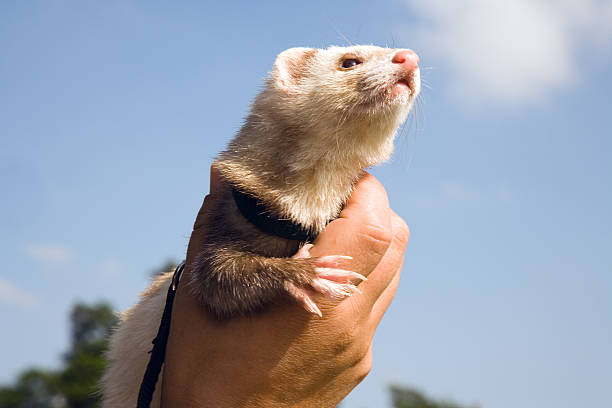
Ferrets, beloved for their playful, inquisitive nature and affectionate personalities, require attentive care to maintain their health. Among the significant medical conditions affecting ferrets, anemia stands out as a critical and potentially life-threatening issue. Anemia in ferrets is not a disease itself but rather a clinical sign indicating an underlying pathology, characterized by a reduction in red blood cells (RBCs), hemoglobin, or hematocrit levels in the bloodstream. Left undiagnosed or untreated, anemia can deteriorate a ferret’s quality of life and lead to organ failure, severe weakness, or even death.
This comprehensive guide delves into all aspects of anemia in ferrets, exploring its numerous causes—from aplastic anemia to blood loss—detailing the signs and symptoms, diagnostic procedures, treatment strategies, prognosis, potential complications, prevention tactics, dietary management, and addressing any zoonotic risks. Whether you are a ferret owner, veterinarian, or animal care professional, this guide aims to equip you with in-depth knowledge to better understand, manage, and prevent anemia in ferrets.
Understanding Anemia in Ferrets
Anemia occurs when the body cannot produce or maintain enough healthy red blood cells to carry oxygen to tissues. Red blood cells contain hemoglobin, an iron-rich protein essential for oxygen transport. In ferrets, normal hematocrit (packed cell volume, or PCV) ranges between 35% and 58%, with hemoglobin levels between 11–16 g/dL. Anemia is typically diagnosed when PCV drops below 30%.
Anemia can be classified based on origin into three main types:
- Blood Loss Anemia: Resulting from acute or chronic bleeding.
- Hemolytic Anemia: Caused by destruction of red blood cells.
- Non-Regenerative Anemia: Occurring when bone marrow fails to produce adequate RBCs (e.g., aplastic anemia).
Each type has distinct causes, pathophysiological mechanisms, and management strategies.
Causes of Anemia in Ferrets
Anemia in ferrets can arise from a wide array of underlying causes. Identifying the root is critical for effective treatment.
1. Blood Loss Anemia
Blood loss can be either acute or chronic, internal or external.
- Traumatic Injury: Physical trauma such as bite wounds, lacerations, or accidents can cause external bleeding.
- Gastrointestinal (GI) Bleeding: One of the most common causes of internal blood loss. Ulcers, especially from Helicobacter mustelae infection or gastric ulcers associated with insulinomas or lymphoma, often lead to slow, insidious bleeding.
- Parasitic Infestations: Intestinal parasites like hookworms (rare but possible if ferrets are outdoors) can cause chronic blood loss.
- Coagulopathies: Conditions affecting blood clotting can result in uncontrolled bleeding. Vitamin K deficiency (from rodenticide ingestion) or inherited clotting disorders can contribute.
- Surgical Complications: Post-operative hemorrhage, though rare, can occur.
2. Hemolytic Anemia
This form involves the premature destruction of red blood cells, either intravascularly or extravascularly.
- Immune-Mediated Hemolytic Anemia (IMHA): The ferret’s immune system attacks its own RBCs. While rare in ferrets, it can occur secondary to infections, tumors (especially lymphoma), or adverse drug reactions.
- Infections:
- Eperythrozoonosis (now classified as Mycoplasma haemofelis): A blood parasite that attaches to RBCs, causing hemolysis. Ferrets can sometimes become infected via flea bites.
- Viral infections such as Aleutian Disease Virus (ADV) – though more commonly affecting mink, may impact ferrets and cause immune-mediated complications.
- Toxins:
- Zinc toxicity (from ingestion of coins, zippers, or galvanized metal) leads to oxidative damage and hemolysis.
- Acetaminophen (Tylenol), even in minute amounts, can be fatal due to methemoglobinemia and hemolysis.
- Onions or garlic (though ferrets rarely consume these) are highly toxic to their RBCs.
- Hemoglobinopathies: Genetic abnormalities in hemoglobin structure (rarely documented in ferrets).
- Neoplasia: Certain cancers like lymphoma release substances that trigger RBC destruction.
3. Non-Regenerative Anemia
This type arises from inadequate RBC production, usually due to bone marrow suppression.
- Aplastic Anemia: A severe condition where the bone marrow fails to produce all blood cell lines (RBCs, WBCs, platelets). Causes include:
- Idiopathic: Unknown cause.
- Toxins: Exposure to benzene, chemotherapeutic agents, or heavy metals.
- Radiation: Accidental or therapeutic exposure.
- Chronic Diseases: Long-term illness such as chronic renal disease or advanced cancer can suppress marrow function.
- Viral Infections: ADV has been associated with bone marrow suppression in rare cases.
- Chronic Disease Anemia (Anemia of Inflammation):
- Persistent infections, autoimmune diseases, or tumors trigger inflammatory cytokines that impair iron utilization and RBC production.
- Often seen in ferrets with insulinomas, adrenal disease, or lymphoma.
- Nutritional Deficiencies:
- Iron Deficiency: Though uncommon due to ferrets’ carnivorous diet, chronic blood loss can deplete iron stores.
- Vitamin B12 (Cobalamin) Deficiency: Impairs DNA synthesis and RBC maturation.
- Folate Deficiency: Similar effect to B12 deficiency.
- Renal Anemia:
- Chronic kidney disease reduces erythropoietin production, the hormone that stimulates RBC formation in the bone marrow.
Signs and Symptoms of Anemia in Ferrets
Clinical signs vary depending on the severity, type, and underlying cause of anemia. Early signs may be subtle.
General Clinical Signs:
- Lethargy or fatigue (very common)
- Weakness and decreased activity
- Cool extremities (paws, ears)
- Rapid breathing (tachypnea) or labored breathing
- Increased heart rate (tachycardia)
- Pale or white gums, conjunctiva, or inner eyelids
- Exercise intolerance
Signs Specific to Cause:
- GI Bleeding: Melena (black, tarry stool), vomiting (sometimes with blood), weight loss
- Hemolysis: Jaundice (yellowing of gums, skin, sclera), dark urine (hemoglobinuria)
- Chronic Anemia: Poor coat quality, prolonged recovery from stress or illness
- Severe Anemia: Collapse, seizures, coma
Behavioral Changes:
Ferrets are naturally active animals. A sudden decrease in playfulness or exploration should raise concern. They may spend more time sleeping or hiding.
Note: Mild anemia may not show symptoms, emphasizing the importance of regular wellness exams.
Diagnosis of Anemia in Ferrets
Diagnosis involves a thorough clinical evaluation, history-taking, and laboratory testing.
1. History and Physical Examination
Veterinarians will ask about:
- Diet and supplements
- Access to toxins or metals
- Recent trauma or surgery
- Chronic illnesses
- Exposure to other animals or outdoor environments
- Medications
Physical exam focuses on mucous membrane color, heart and lung sounds, abdominal palpation (for masses or organomegaly), and lymph node evaluation.
2. Complete Blood Count (CBC)
The foundational diagnostic tool. Evaluates:
- Packed Cell Volume (PCV): Primary indicator of anemia. Values <30% suggest anemia.
- Hemoglobin (Hb): Low levels confirm anemia.
- Red Blood Cell Count (RBC): Correlates with PCV.
- Reticulocyte Count: Assesses bone marrow response.
- High reticulocytes = regenerative anemia (e.g., blood loss, hemolysis).
- Low reticulocytes = non-regenerative anemia (e.g., aplastic anemia, chronic disease).
- White Blood Cell Count (WBC) and Platelets: Helps identify infection, inflammation, or bone marrow suppression.
3. Blood Smear Examination
Microscopic evaluation of RBCs to detect:
- Abnormal shapes (e.g., spherocytes in IMHA)
- Parasites (e.g., Mycoplasma haemofelis)
- Inclusions
- Agglutination (clumping of RBCs, suggestive of immune-mediated destruction)
4. Biochemical Profile
Evaluates organ function:
- Liver enzymes: Elevated in hemolysis or hepatic disease.
- Kidney values (BUN, creatinine): To rule out renal anemia.
- Protein levels: Chronic inflammation may lower albumin.
- Lactate Dehydrogenase (LDH): Elevated in hemolysis.
5. Urinalysis
Checks for hemoglobinuria (indicating intravascular hemolysis), proteinuria, or signs of kidney disease.
6. Imaging Studies
- Abdominal Ultrasound: To detect abdominal masses (e.g., tumors, adrenal enlargement), organomegaly, or GI abnormalities.
- Radiographs (X-rays): May reveal masses, foreign bodies, or signs of trauma.
7. Advanced Diagnostics
- PCR Testing: For detection of blood parasites (e.g., Mycoplasma spp.).
- Bone Marrow Aspiration or Biopsy: Gold standard for diagnosing aplastic anemia or bone marrow infiltration (e.g., lymphoma). Performed under sedation.
- Endoscopy or Biopsy: If GI bleeding is suspected.
- Serology for ADV: If immune-mediated disease is suspected.
Treatment of Anemia in Ferrets
Treatment depends on the underlying cause, severity, and acuity of the condition.
1. Supportive Care
- Fluid Therapy: Correct dehydration and improve circulation.
- Oxygen Supplementation: Critical in severe anemia to support tissue oxygenation.
- Thermoregulation: Use heating pads (low setting) to maintain body temperature, as anemic ferrets struggle to stay warm.
2. Blood Transfusion
Required in life-threatening anemia (PCV <15–20%).
- Cross-matching is ideal, but often not available.
- Whole blood or packed RBCs from a healthy donor ferret (ideally type-matched) is administered slowly.
- Monitor for transfusion reactions (fever, tremors, dyspnea).
3. Treating Blood Loss
- Stop the Bleeding Source: Surgical or endoscopic intervention if GI ulcers or trauma.
- Iron Supplementation: Oral or injectable iron (e.g., ferrous sulfate, iron dextran) if iron deficiency is confirmed.
- Vitamin K1 (Phytonadione): If coagulopathy is due to rodenticide exposure (administer promptly).
- Antibiotics: For Helicobacter-induced ulcers, use amoxicillin or metronidazole-based triple therapy.
4. Managing Hemolytic Anemia
- Discontinue Offending Agents: Remove toxins or discontinue suspect medications.
- Immunosuppressive Therapy: For IMHA, use corticosteroids (prednisolone) to suppress immune attack.
- Antibiotics: Doxycycline for Mycoplasma infection.
- Antioxidants: Vitamin E and selenium may help reduce oxidative damage.
- Avoid Zinc Sources: Prevent access to coins, galvanized cages, etc.
5. Non-Regenerative Anemia Management
- Treat Underlying Disease: Address tumors, chronic infections, or organ failure.
- Erythropoietin (EPO) Therapy: Synthetic EPO injections may be used in renal anemia (human recombinant EPO, off-label use). Monitor for antibody development.
- Bone Marrow Stimulants: Rarely used; anabolic steroids (e.g., stanozolol) may be tried in some cases.
- Nutritional Correction: B12 or folate supplementation if deficiency is identified.
6. Specific Therapies
- Zinc Toxicity: Chelation therapy (e.g., Ca-EDTA) and surgical removal of metal source.
- Renal Disease: Supportive care, low-phosphorus diet, fluid therapy.
- Advanced Neoplasia: Palliative care or chemotherapy under veterinary oncology guidance.
Prognosis and Complications
Prognosis varies significantly based on the type and cause of anemia.
Favorable Prognosis:
- Acute blood loss (if source controlled and transfused)
- Mild hemolytic anemia (e.g., treatable infection)
- Iron deficiency corrected with supplementation
- Early-stage disease with prompt treatment
Guarded to Poor Prognosis:
- Aplastic anemia (especially idiopathic)
- Advanced cancer (lymphoma, insulinoma)
- Severe IMHA
- Chronic renal failure
- Multi-organ failure
Potential Complications:
- Cardiac Failure: Due to prolonged high-output anemia straining the heart.
- Organ Damage: Hypoxia can harm kidneys, liver, and brain.
- Infection: Low WBCs in non-regenerative anemia increase susceptibility.
- Iron Overload: From repeated transfusions or excessive supplementation.
- Thromboembolism: Rare, but possible in severe IMHA.
Regular monitoring (CBC every 2–4 weeks) is essential during recovery.
Prevention of Anemia in Ferrets
While not all causes are preventable, several strategies reduce risk.
1. Safe Environment
- Ferret-proof homes to prevent access to small metal objects (zippers, coins, batteries).
- Avoid galvanized cages or hardware; use powder-coated or stainless steel.
- Supervise outdoor time to prevent trauma or parasite exposure.
2. Parasite Control
- Use vet-approved flea prevention (e.g., selamectin, fipronil—only if labeled safe for ferrets).
- Avoid broad-spectrum dewormers unless prescribed.
3. Avoid Toxins
- Never administer human medications (especially NSAIDs, acetaminophen).
- Keep household cleaners, pesticides, and rodenticides out of reach.
- Prevent ingestion of onions, garlic, or chocolate.
4. Regular Veterinary Checkups
- Annual wellness exams with blood work (CBC, biochemistry) to detect early changes.
- Early diagnosis of insulinoma, adrenal disease, or kidney issues.
5. Dental Care
- Schedule regular dental cleaning to prevent periodontal disease, which can lead to bacteremia and systemic inflammation.
6. Nutritional Management
Feed a high-quality, ferret-specific diet consistently.
Diet and Nutrition for Anemic Ferrets
Ferrets are obligate carnivores. Their digestive system is short and designed for high-protein, moderate-fat, low-fiber intake.
Key Nutritional Needs:
- High Protein (30–40%): Animal-based (e.g., chicken, turkey, egg) for RBC synthesis.
- Moderate Fat (15–20%): Energy source, aids in absorption of fat-soluble vitamins.
- Low Carbohydrates (<4%): Prevent insulin spikes (critical in insulinoma-prone ferrets).
- Taurine: An essential amino acid for cardiac and eye health, found in meat.
Supplements for Anemia:
- Iron: Oral supplements (ferrous sulfate) only if deficiency is confirmed. Do not supplement blindly — excess iron is toxic.
- Vitamin B12 (Cobalamin): Injectable or oral form; beneficial in GI disease or malabsorption.
- Folate: Often used with B12.
- Vitamin E: Antioxidant that protects RBC membranes.
- Multivitamin Formulations: Ferret-specific supplements (e.g., Ferretvite) may be used cautiously.
Feeding Tips for Anemic Ferrets:
- Offer high-calorie, nutrient-dense foods.
- Hand-feed if appetite is low (e.g., chicken baby food, blended raw meat).
- Warm food slightly to enhance aroma and stimulate appetite.
- Frequent small meals (6–8 times daily).
Avoid:
- Grains, fruits, vegetables—cannot be digested properly.
- Milk or dairy—ferrets are lactose intolerant.
Zoonotic Risk of Anemia in Ferrets
Anemia itself is not zoonotic—it cannot be transmitted from ferrets to humans. However, certain underlying causes may pose indirect human health concerns.
Low or No Direct Risk:
- Most anemia causes (e.g., aplastic, blood loss, nutritional) are not transmissible.
- Ferrets do not carry human blood-borne pathogens like HIV or hepatitis.
Potential Indirect Concerns:
- Mycoplasma haemofelis: While primarily affecting cats, rare zoonotic potential in immunocompromised individuals cannot be entirely ruled out. Good hygiene (handwashing after handling) minimizes risk.
- Helicobacter mustelae: Ferret-specific and not known to infect humans.
- Parasites: Hookworms or roundworms (if ferrets are outdoor) may pose minimal zoonotic risk (e.g., larva migrans). Proper fecal testing and hygiene prevent transmission.
General Hygiene Recommendations:
- Wash hands after handling ferrets or cleaning cages.
- Wear gloves when treating wounds or handling blood.
- Regularly disinfect cages and bedding.
- Keep ferrets away from immunocompromised individuals if actively ill.
Overall, the zoonotic risk associated with anemia in ferrets is negligible with proper biosecurity.
Conclusion
Anemia in ferrets is a complex and multifaceted condition requiring vigilance, prompt diagnosis, and targeted treatment. From aplastic anemia and immune-mediated destruction to chronic blood loss from ulcers or tumors, the range of causes underscores the necessity of thorough diagnostic evaluation. Recognizing the signs—such as lethargy, pale gums, and weakness—can make the difference between recovery and fatality. Diagnostic tools like CBC, blood smears, and imaging are invaluable in determining the anemia’s origin.
Treatment must be tailored: transfusions for acute cases, immune suppression for IMHA, nutritional support for deficiencies, and environmental changes to prevent toxin exposure. Prognosis depends heavily on the root cause, with early intervention offering the best outcomes. Preventive strategies—safe housing, quality diet, regular veterinary care—play a crucial role in reducing the incidence of anemia.
While anemia poses no direct threat to human health, responsible pet care ensures both ferret and owner safety. By understanding this condition comprehensively, ferret caregivers can provide better, longer, and healthier lives for these delightful companions.
#FerretAnemia, #FerretHealth, #FerretCare, #AnemiaInFerrets, #FerretDiseases, #FerretNutrition, #FerretOwner, #FerretVet, #SickFerret, #FerretBloodLoss, #AplasticAnemiaFerret, #HemolyticAnemia, #FerretTreatment, #FerretMedicine, #FerretLife, #PetHealth, #FerretParasites, #FerretToxins, #FerretVitamins, #FerretDiet, #FerretCareTips, #FerretWellness, #ZoonoticRisk, #FerretSafety, #FerretRecovery, #FerretCBC, #FerretTransfusion, #BoneMarrowFerret, #FerretCancer, #FerretUlcers





Add comment