
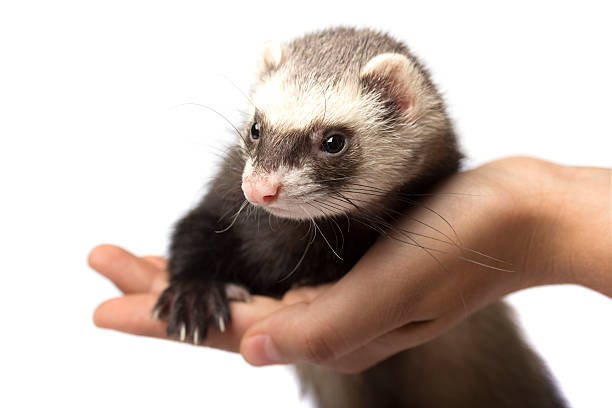
Ferrets, with their slinky bodies, mischievous personalities, and distinctive “war dance,” have captivated human hearts for millennia. Once valued for their utility in hunting and pest control, these fascinating mustelids have increasingly found their place as cherished companion animals. Their playful antics, surprising intelligence, and capacity for affection make them incredibly appealing pets. However, the decision to welcome a ferret into your home is not one to be taken lightly. Beneath their undeniable charm lies a complex creature with highly specific needs, potential health challenges, and behaviors that require significant commitment and understanding from their owners.
This comprehensive guide aims to provide an honest, in-depth assessment of ferret ownership. We will delve into their unique biology, explore the joys and challenges they present, uncover the financial and time commitments involved, and equip you with the knowledge necessary to determine if these enchanting, albeit demanding, creatures are truly the right pet for you. Prepare to move beyond superficial impressions and gain a realistic perspective on what it means to share your life with a ferret.
Understanding the Ferret: Species, History, and Biology
Before diving into the practicalities of ownership, it’s crucial to understand the ferret on a fundamental level – what they are, where they come from, and the biological traits that define their existence.
A. What is a Ferret?
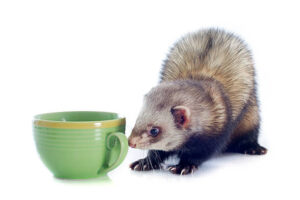
Ferrets are often mistakenly thought of as rodents, but they are, in fact, members of the Mustelidae family, which also includes weasels, stoats, badgers, and otters. Their scientific name is Mustela putorius furo, meaning “stinky weasel thief” – a name that, as we’ll see, hints at some of their characteristics. They are the domesticated form of the European polecat, a wild mustelid native to western Eurasia and Morocco.
Unlike most pets, which are extensively bred for appearance, ferrets have largely retained many of the physical and behavioral traits of their wild ancestors. They possess long, slender, muscular bodies, short legs, and sharp teeth adapted for a predatory lifestyle. Their average lifespan ranges from 5 to 10 years, though some can live longer with exceptional care. They typically weigh between 1.5 to 4 pounds, with males (hobs) generally larger than females (jills).
B. A Brief History of Domestication
The domestication of ferrets is believed to have occurred over 2,500 years ago, originating somewhere in ancient Europe or North Africa. Their primary purpose for centuries was undoubtedly practical: hunting. Ferreting, the practice of using ferrets to flush out rabbits and other burrowing animals from their dens, was a widespread and effective method of pest control and food acquisition. Roman and Greek texts allude to their use, and they were introduced to various parts of the world, including the Americas, for these purposes.
Over time, their utility evolved. They were employed to run cables through difficult spaces and even as unlikely mascots. It is only relatively recently, within the last few decades, that ferrets have primarily transitioned from working animals to beloved companion pets. This recent shift means that, unlike dogs and cats, their instinctual behaviors and physiological needs are still very much tied to their wild origins, presenting unique challenges and rewards for modern owners.
C. Unique Biological Traits
Several biological traits set ferrets apart and dictate much of their care:
- Scent Glands and Body Odor: Ferrets possess anal glands, much like skunks, which they can musk when frightened or excited. This is not their primary source of odor in a clean, healthy ferret. The characteristic “ferrety” smell comes from sebaceous glands in their skin, which produce oils that coat their fur. This natural scent is often described as musky or earthy; it’s not inherently unpleasant to all, but it is distinct and persistent. Desexing ferrets helps reduce the intensity of this natural body odor, and regular cage cleaning is essential for managing it.
- Sleep Patterns: Ferrets are polyphasic sleepers, meaning they sleep multiple times throughout the day, often for long stretches (18-20 hours). When they sleep, they sleep soundly. New ferret owners often experience panic, believing their pet has died, only to find the ferret unresponsive and limp. This is normal behavior for a deeply sleeping ferret. They can be difficult to rouse, but a little nudge or a sniff of food usually brings them around.
- Dietary Needs (Obligate Carnivores): This is perhaps one of the most critical aspects of ferret care. Ferrets are obligate carnivores, meaning their digestive system is designed to process animal protein and fat exclusively. Their short digestive tracts mean food passes through quickly, requiring highly digestible, nutrient-dense meals. They cannot properly digest plant matter, fiber, or carbohydrates. This strict dietary requirement has profound implications for their health and the type of food they must be fed.
- Body Structure: Their long, flexible bodies are perfectly adapted for navigating tight spaces, burrowing, and hunting in tunnels. This physical agility translates into a natural inclination to explore cracks, crevices, and any opening they can squeeze through, making their environment challenging to ferret-proof.
The Pros: Why Ferrets Make Wonderful Pets
For the right individual or family, the rewards of ferret ownership are immeasurable. They offer a unique blend of characteristics that make them truly special companions.
A. Playfulness and Entertainment
Ferrets are celebrated for their boundless energy and hilarious antics. They are perpetual toddlers in furry suits, finding joy and mischief in almost everything.
- The “War Dance”: This iconic ferret behavior involves frenzied hopping, head shaking, and sometimes backward leaps, often accompanied by a soft chortle known as “dooking.” It signifies extreme excitement and playfulness. Witnessing a ferret in a full-blown war dance is a pure delight.
- Interactive Play: Ferrets adore toys – crinkly balls, tunnels, crinkle tubes, and anything they can pounce on, hide in, or drag around. They love chasing, wrestling, and playing hide-and-seek. Engaging with them during their waking hours is incredibly rewarding and a great stress reliever for owners.
- Constant Amusement: Even when not directly interacting, their natural curiosity leads them into comical situations. Watching them “ferret out” lost items, stash treasures, or simply explore their environment with intense focus provides endless entertainment. Their playful nature can brighten even the dreariest of days.
B. Affectionate and Social Nature
While often portrayed as aloof, ferrets are surprisingly affectionate and form strong bonds with their human companions.
- Bonding with Owners: With consistent handling and positive reinforcement, ferrets learn to trust and bond deeply with their owners. They often seek out human contact, whether it’s for a cuddle, a gentle scratch, or simply to be near you.
- Enjoying Cuddles (on their terms): Not all ferrets are lap pets, but many enjoy being held, petted, and even snuggling up for a nap. They often “groom” their owners with gentle licks, a sign of affection. The key is to respect their boundaries and allow them to initiate contact.
- Living in Groups: Ferrets are social animals and often thrive in pairs or small groups (a “business” of ferrets). Having multiple ferrets can provide them with companionship, enhance their playtime, and enrich their lives, though it naturally doubles or triples the commitment.
C. Intelligence and Trainability
Don’t let their goofy playfulness fool you; ferrets are intelligent creatures capable of learning and adapting.
- Litter Training: With consistency and patience, most ferrets can be litter trained. They naturally choose corners to relieve themselves, making the process somewhat intuitive. Having several litter boxes, especially in corners of their cage and play areas, is key.
- Responding to Names and Basic Commands: Many ferrets learn to respond to their names and can be taught simple commands like “no,” “come,” or “drop it.” Positive reinforcement, such as treats and praise, is highly effective.
- Problem-Solving Skills: Their innate curiosity and drive to explore mean they are excellent problem-solvers. They can figure out how to open cabinets, escape enclosures, and outsmart their owners in pursuit of adventure. This intelligence, while sometimes challenging, makes them engaging and dynamic pets.
D. Compact Size and Adaptability (Relative to Other Pets)
Compared to dogs or even some larger cat breeds, ferrets are relatively small, making them adaptable to various living situations, provided their specific needs are met.
- Space Requirements: While they need a large cage and plenty of out-of-cage play time, their physical footprint is smaller than a large canine. This can make them suitable for apartment living, as long as owners commit to daily exercise sessions.
- Containment: Unlike dogs and cats that roam free, ferrets can be safely housed in a large, secure cage when unsupervised, which can be a benefit for owners with busy schedules, though it’s never a substitute for adequate free-roam time.
E. Relatively Quiet
For those who prefer a quieter home environment, ferrets can be an attractive option.
- Minimal Vocalization: Ferrets are not constant barkers, meowers, or squawkers. Their primary vocalizations include the soft “dooking” during play, occasional hissing when frightened or annoyed, and a high-pitched cry if in pain. They are generally discreet pets, emitting sounds that are rarely disruptive.
The Cons & Challenges: The Realities of Ferret Ownership
While the pros are enticing, neglecting the challenges would be a disservice to both potential owners and the ferrets themselves. These are the aspects that often lead to rehoming if not fully understood beforehand.
A. The “Ferrety” Smell
This is arguably the most common concern and misconception surrounding ferret ownership.
- Misconceptions vs. Reality: Many associate ferrets with an overwhelming, unpleasant odor. While they do have a distinct scent, it is often exaggerated. The strong, “skunky” smell usually comes from un-desexed males or from the musking of anal glands when extremely stressed or frightened.
- Anal Glands vs. Sebaceous Glands: All ferrets have anal glands, but they typically only express them in extreme fear or pain. Routinely “descenting” (removing these glands) has become less common and is often deemed medically unnecessary, as it does not eliminate the overall body odor and can cause complications. The primary source of the “ferrety” smell is from their sebaceous glands, which produce oils on their skin and coat.
- Management:
- Desexing: All pet ferrets should be desexed (spayed/neutered) to prevent reproductive health issues and significantly reduce the intensity of their sebaceous gland odor.
- Diet: A high-quality diet specifically formulated for ferrets can help minimize odors, as poor diets can exacerbate skin oil production.
- Cleaning: Frequent cage cleaning (daily litter box scooping, weekly bedding changes, monthly full cage scrub) is paramount. A clean cage means a cleaner ferret.
- Bedding: Use absorbent, washable bedding (old T-shirts, towels, blankets, hammocks) and wash it regularly.
- Bathing (Sparingingly): Over-bathing a ferret strips their skin of natural oils, causing their sebaceous glands to overproduce, actually making the smell worse. Bathe only when absolutely necessary (e.g., once every few months with ferret-safe shampoo).
- Impact on Home Environment: Even with meticulous care, a ferret home will have a faint, distinct scent. Some people are more sensitive to it than others. It’s crucial for potential owners to spend time around ferrets to gauge their tolerance for this natural odor.
B. High Maintenance & Specific Needs
Ferrets are not “starter pets” and require a specialized approach to their care, demanding significant time, attention, and financial resources.
- 1. Diet: Obligate Carnivores
- Specific Ferret Kibble: This is non-negotiable. Ferrets require a diet very high in animal protein (30-40%), high in fat (at least 18%), and very low in fiber/carbohydrates (less than 3%). Avoid cat or dog food, as even “high quality” varieties rarely meet the specific amino acid and nutrient profiles ferrets need. Research reputable ferret-specific kibble brands (e.g., Wysong, Totally Ferret, Marshall Premium).
- Raw Feeding (BARF): Some owners opt for a balanced raw food diet (Bone and Raw Food), which mimics a ferret’s natural diet. This can be highly beneficial but requires extensive research, careful sourcing, and strict hygiene practices to prevent bacterial contamination and ensure nutritional completeness. It is not for beginners.
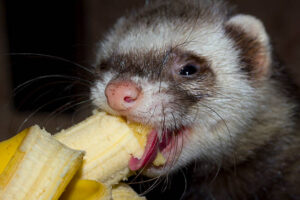
- Treats: Acceptable treats include small pieces of cooked meat, meat baby food (without onion/garlic), or specific ferret treats high in meat protein. Avoid sugary, dairy, or plant-based treats entirely.
- 2. Housing
- Large, Multi-Level Cage: Ferrets need a spacious, multi-level cage with wire bars (not mesh that can catch toes) and solid bottom pans for cleanliness and comfort. The bigger, the better. Reputable brands like Ferret Nation or Critter Nation are often recommended.
- Bedding, Hammocks, Tunnels: Provide soft bedding for sleeping (old shirts, blankets), at least one or two hammocks, and plenty of tunnels and hideaways to satisfy their natural instincts.
- Litter Boxes: Strategic placement of triangular litter boxes in cage corners is essential. Use dust-free, unscented paper pellet litter or recycled newspaper pellets. Never use clumping cat litter, which can cause respiratory or digestive issues.
- Cage Cleaning Frequency: Daily spot cleaning of litter boxes and food/water dishes. Bedding should be washed every few days, and a thorough cage scrub should be done at least weekly. A dirty cage leads to unhealthy ferrets and a strong odor.
- 3. Enrichment & Exercise
- Out-of-Cage Time: Ferrets are not meant to live solely in a cage. They require a minimum of 2-4 hours of supervised out-of-cage playtime daily. Without this, they become bored, depressed, and potentially destructive. This time allows them to explore, burn energy, and interact with their owners.
- Stimulation: Provide a variety of toys, rotate them frequently, create obstacle courses with tunnels and boxes, and engage in interactive play.
- Supervision is Key: Ferrets are incredibly curious and can get into trouble quickly. They will chew on anything, climb everywhere, and attempt to escape. Constant supervision during free-roam time is non-negotiable.
- 4. Veterinary Care
- Exotic Vets Only: This is a crucial distinction. Most general practice veterinarians are not sufficiently experienced with ferret medicine. You must locate a veterinarian specializing in exotic animals (specifically ferrets) before acquiring a ferret.
- High Susceptibility to Certain Diseases: Ferrets are prone to several chronic and serious health conditions as they age, including:
- Adrenal Gland Disease: A common endocrine disorder causing hair loss, itchy skin, lethargy, muscle wasting, and sometimes hind leg weakness. Treatment can involve surgical removal of the affected gland, hormone therapy implants (e.g., Lupron or Deslorelin implant), or medication.
- Insulinoma: A pancreatic tumor causing low blood sugar (hypoglycemia), leading to lethargy, disorientation, drooling, pawing at the mouth, and seizures. Management involves medication and dietary changes, or sometimes surgery.
- Lymphoma: A type of cancer that can affect various organs. Symptoms vary widely but often include lethargy, weight loss, and difficulty eating. Treatment can involve chemotherapy.
- Dental Disease: Common in ferrets, requiring dental cleanings or extractions.
- Heart Disease: Dilated cardiomyopathy is not uncommon.
- Aleutian Disease Virus (ADV): A parvovirus that can cause progressive multi-systemic illness.
- Gastrointestinal Foreign Bodies: Due to their chewing habits, ferrets commonly swallow foreign objects which can cause life-threatening blockages.
- Vaccinations: Ferrets require annual vaccinations for Canine Distemper (a highly fatal disease in ferrets) and Rabies (if required by law in your area). Always ensure they are vaccinated by a ferret-savvy vet using appropriate vaccines.
- Annual Check-ups: Regular veterinary visits are essential for early detection and prevention of these common diseases.
- Cost of Vet Care: Due to their specialized needs and susceptibility to complex diseases, ferret vet care can be very expensive. Diagnosis, medication, surgery, and long-term management can run into thousands of dollars. An emergency fund or pet insurance is highly recommended.
- Desexing and Descenting: Most ferrets purchased from pet stores are already desexed and descented (anal glands removed). If acquiring from a breeder or rescue, inquire about their policy. Desexing is crucial for health and odor management. Descenting, as mentioned, is less critical and often avoided.
C. Destructive Tendencies and Curiosity
Ferrets are hard-wired to explore, dig, and stash – behaviors that can be incredibly destructive in a human home.
- Nipping, Chewing, Digging: Young ferrets often nip as a way to explore or play. Consistent, gentle training is needed to redirect this. They will chew on anything that interests them, including shoes, furniture, and potentially dangerous items. Their digging instincts mean they will try to “redecorate” carpets, potted plants, and even couch cushions.
- Ingesting Foreign Objects: This is a major hazard. Ferrets are notorious for chewing and swallowing small, soft, rubbery, or spongy items (e.g., shoe insoles, erasers, remote control buttons, rubber bands, foam earplugs). These can cause life-threatening intestinal blockages requiring expensive emergency surgery.
- Exploration of Every Nook and Cranny: If a ferret’s head can fit, the rest of its body will follow. This means they can disappear into wall crevices, under appliances, behind cabinets, into recliners, and inside laundry machines.
- Ferreting Out Small Items: Keys, wallets, remote controls, jewelry, small toys – anything left within reach is a potential “treasure” to be stashed away in one of their many secret hidey-holes.
- Ferreting Out Cables and Wires: Exposed electrical cords are a major danger, as ferrets may chew on them, risking electrocution or fire.
- Ferreting Out Houseplants: Many common houseplants are toxic to ferrets, and their digging instincts make them a prime target for destruction.
D. Time Commitment
Ferrets are not low-maintenance pets. They require consistent daily attention.
- Daily Feeding, Cleaning, Playtime: This isn’t just a few minutes here and there. Daily litter box scooping, fresh food and water, substantial out-of-cage playtime, and interactive engagement are essential.
- Long Lifespan: A 5-10 year commitment is significant. Are you prepared to care for them through life changes, moves, and potentially expensive senior care?
- Not “Set and Forget” Pets: You cannot simply leave a ferret in its cage for extended periods. They need interaction, stimulation, and attention to thrive.
E. Legalities and Regulations
This is a critical, often overlooked aspect.
- Local, State, National Laws: Ferret ownership is illegal in some areas, or requires special permits. For example, ferrets are banned in California, Hawaii, and some cities like New York City. They may also be restricted in apartments or HOAs. It is imperative to research and confirm the legality of ferret ownership in your specific location before acquiring one. Ignorance of the law is not an excuse, and illegal ownership can result in fines and confiscation.
F. Coexistence with Other Pets/Children
Introducing ferrets to other members of the household requires careful consideration.
- Caution with Prey Animals: Ferrets are instinctual predators. They absolutely cannot be kept unsupervised with smaller prey animals like rabbits, hamsters, guinea pigs, or birds. Even supervised interaction is risky and generally advised against.
- Supervision with Cats and Dogs: Many ferrets coexist peacefully with ferret-friendly cats and dogs, especially with slow, supervised introductions. However, a ferret’s mischievous nipping can annoy some cats, and the prey drive of some dog breeds (terriers, sighthounds) can be a danger. Never leave them unsupervised until you are absolutely certain they are compatible and safe.
- Educating Children: Children need to be taught how to handle ferrets gently, respect their boundaries, and understand they are not toys. Young children might not have the coordination or understanding to interact safely with a ferret, and adult supervision is always necessary.
G. The “Deep Sleep” Factor
As mentioned earlier, ferrets can sleep so profoundly that they appear lifeless. This can be alarming for new owners. While this is a normal ferret trait, it’s a challenge to your nervous system until you get used to it!
Financial Commitment: Budgeting for a Ferret
Ferrets are not cheap pets. The initial setup and ongoing care, especially veterinary costs, can be substantial. A realistic budget is essential.
A. Initial Costs (Approximate Ranges, highly variable):
- Ferrets Themselves:
- Pet store: $150 – $400 (often already spayed/neutered and descented).
- Reputable Breeder: $250 – $600+ (may include initial vaccinations, health guarantee).
- Rescue/Shelter: $75 – $200 (often includes vet check, desexing, and sometimes initial supplies).
- Cage: $150 – $400+ (large, multi-level cage like Ferret Nation/Critter Nation).
- Food: $30 – $50 for a large bag of high-quality kibble.
- Bowls & Water Bottle/Crock: $15 – $40.
- Litter Boxes (multiple): $20 – $50.
- Bedding/Hammocks: $30 – $100 (initial set of washable items).
- Toys/Tunnels: $20 – $75.
- Initial Vet Visit: $50 – $150 (for a healthy animal, just a check-up).
- Vaccinations (Distemper & Rabies): $50 – $100 per vaccine series.
- Desexing/Descenting (if not already done): $200 – $600+ (depending on vet and procedure).
- Total Initial Cost: $700 – $2,000+
B. Ongoing Monthly Costs:
- Food: $20 – $40 (for one ferret, quality kibble).
- Litter: $10 – $20.
- Replacement Toys/Bedding: $10 – $30 (can be higher initially).
- Monthly Parasite Prevention (if recommended by vet): $10 – $25.
- Total Monthly Cost: $50 – $100+
C. Emergency/Annual Costs:
- Annual Vet Check-ups: $100 – $250 (includes exam, possible bloodwork).
- Emergency Vet Fund: This is crucial. Due to their susceptibility to diseases like adrenal disease, insulinoma, and foreign body obstructions, a ferret can easily incur vet bills of $500 – $5,000+ for diagnostics, medication, or surgery in a single incident. It is highly advisable to have at least $1,000 – $2,000 put aside specifically for ferret medical emergencies.
- Pet Insurance: Worth exploring, as it can help mitigate the high costs of chronic conditions or emergencies. Plans vary but can range from $20 – $50 per month.
- Estimated Total Cost Over a Lifetime: Over 5-10 years, considering initial costs, ongoing care, and potential major vet bills, a single ferret can cost at least $5,000 – $15,000, and potentially much more.
Are You Ready? A Self-Assessment Checklist
Now that you have a comprehensive understanding of ferret ownership, take a moment to honestly assess your readiness.
- Can you commit 5-10 years to an animal’s care? Ferrets are a long-term commitment.
- Are you prepared for potentially high veterinary costs, including emergencies and chronic illness management? Have you located a qualified exotic vet?
- Is your home truly ferret-proofed, with all gaps, wires, and dangerous items secured or removed? Are you ready to constantly monitor during playtime?
- Are you genuinely okay with the “ferrety” smell, even with diligent cleaning? Have you spent time around ferrets to confirm this?
- Do you have at least 2-4 hours daily to dedicate to supervised interaction, playtime, and cage maintenance?
- Are you willing to continuously learn about their unique dietary, housing, and enrichment needs?
- Is it legal to own a ferret where you live, and have you confirmed this with local authorities?
- Do you have the patience to manage their mischievous, curious, and sometimes destructive nature?
- Are you prepared for the potential challenges of integrating them with children or other pets?
- Can you provide a high-quality, ferret-specific diet for their entire lives?
- Are you comfortable with the concept of an obligate carnivore and potentially handling raw meat if considering that diet?
- Are you emotionally prepared for their deep sleep cycles and the occasional scare?
- Are you financially stable enough to provide for their needs without sacrificing your own?
If you answered “no” or “maybe” to several of these questions, it’s wise to reconsider or do further research before making a commitment.
Conclusion: Making an Informed Decision
Ferrets are not for everyone. They are complex, high-maintenance animals with specialized needs that can be challenging to meet. They require significant financial resources, a substantial time commitment, and a deep understanding of their unique biology and behavior. The “ferrety” smell, their propensity for illness, and their destructive curiosity are all factors that can overwhelm an unprepared owner.
However, for those who are truly ready and willing to embrace these challenges, the rewards of ferret ownership are profound. Their playful zest for life, their endearing intelligence, and their capacity for genuine affection can bring immense joy and laughter into your home. They are truly unique companions, offering a connection unlike any other pet.
If, after this honest assessment, you still feel drawn to these fascinating creatures, we encourage you to consider adopting from a reputable ferret rescue organization. Rescues are often filled with ferrets needing loving homes, and their staff can provide invaluable advice and support to new owners.
Ultimately, the decision to bring a ferret into your life should be an informed one, made with open eyes and a full understanding of the responsibilities involved. Ferrets deserve nothing less than a devoted owner who can provide them with a lifetime of proper care, enrichment, and love. If you are that person, prepare for an adventure filled with endless entertainment, surprising affection, and the unique delight of living with a truly extraordinary animal.
#FerretsAsPets #FerretsOfInstagram #FerretLife #PetFerrets #FerretsAreAwesome #FerretCare #ExoticPets #MustelidLove #FerretsRule #FerretHealth #FerretDiet #FerretsDaily #PetParent #BeforeYouBuy #Ferrets #FerretsWorldwide #DoYouFerret #FerretingOutFacts #FerretsMakeMeHappy #FerretCommunity



Add comment