
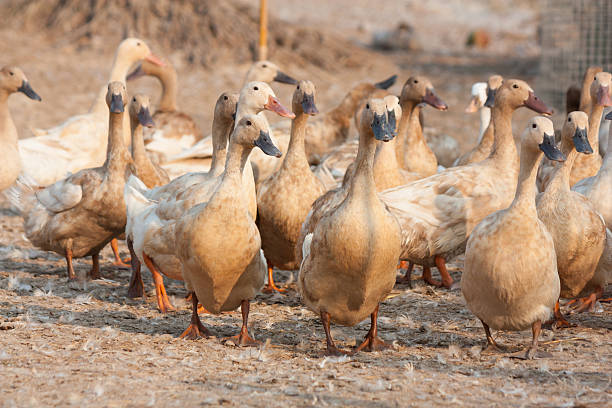
Arsenic (As) is a naturally occurring metalloid that has been employed for centuries in agriculture, industry, and medicine. While low concentrations are tolerated by many organisms, even modest acute exposure can be lethal, and chronic exposure may cause insidious organ damage. In waterfowl, especially domestic and semi‑domestic ducks kept for meat, eggs, or ornamental purposes, arsenic poisoning is an under‑recognized but serious health problem. This guide consolidates current scientific knowledge (peer‑reviewed literature, veterinary toxicology manuals, and field reports) into a single, practical reference for veterinarians, duck keepers, wildlife rehabilitators, and researchers.
2. What Is Arsenic?
Arsenic exists in two major oxidation states relevant to biology:
| Form | Chemical Species | Solubility | Typical Sources |
|---|---|---|---|
| Inorganic arsenic | Arsenite (As³⁺, H₃AsO₃) & Arsenate (As⁵⁺, H₂AsO₄⁻) | Highly soluble in water | Pesticides, herbicides, industrial effluents, contaminated groundwater |
| Organic arsenic | Arsenobetaine, arsenocholine, dimethylarsinic acid | Less toxic, often found in seafood | Marine organisms, some feed additives |
In ducks, inorganic arsenic is the principal toxicant because it readily crosses gastrointestinal (GI) membranes and accumulates in liver, kidney, and feathers. The toxic potency follows the order: arsenite > arsenate > organic forms.
3. Sources of Arsenic in the Avian Environment
3.1 Natural Sources
- Geological deposits: Certain soil and sediment strata contain elevated arsenic concentrations (e.g., volcanic ash, granitic regions).
- Groundwater: In many parts of the world, especially the Indian subcontinent, Bangladesh, Vietnam, and parts of the U.S. (e.g., Arizona, Nevada), groundwater arsenic can exceed 10 µg L⁻¹, the WHO drinking‑water guideline.
3.2 Anthropogenic Sources
| Source | Mechanism of Contamination | Relevance to Ducks |
|---|---|---|
| Pesticides & herbicides | Formerly, arsenic‑based compounds (e.g., lead arsenate) were widely used in rice and cotton fields. Residues persist in soil for decades. | Ducks foraging in treated fields ingest contaminated insects, seeds, or mud. |
| Livestock feed additives | Some historic feed formulations included arsenic compounds (e.g., roxarsone) to promote growth and parasite control. | Although largely phased out in many countries, residues remain in feed mills and stored grain. |
| Industrial effluents | Mining (gold, copper), smelting, and wood‑preserving facilities discharge arsenic‑laden water. | Surface water bodies receiving effluent become toxic for dabbling and diving ducks. |
| Aquaculture | Use of arsenic‑based algaecides in ponds can lead to bioaccumulation in aquatic invertebrates. | Ducks feeding on pond fauna acquire arsenic through the food chain. |
| Fertilizers & manure | Phosphate fertilizers can contain trace arsenic; manure from animals fed arsenic‑containing feed can re‑introduce the metal to the environment. | Ducks that graze on pasture fertilized with such products are at risk. |
3.3 Seasonal & Geographic Hotspots
- Spring thaw: Flooded paddy fields release arsenic from anaerobic soils into surface water.
- Wet‑season wetlands: Increased water flow can mobilize arsenic from upstream sources.
- Urban waterways: Runoff from roads, landfills, and industrial zones can concentrate arsenic in stagnant ponds used by urban waterfowl.
4. Duck Breeds Most Susceptible
While any duck can be poisoned by arsenic, certain breeds and types exhibit heightened vulnerability due to genetics, husbandry practices, or foraging behavior.
4.1 Pekin (American) Ducks
The Pekin is the most common commercial meat duck worldwide. Their rapid growth rate and high feed intake mean they ingest larger absolute doses of contaminated feed or water than slower‑growing breeds. Moreover, intensive indoor systems often rely on municipal water supplies; if the source is contaminated, the entire flock can be exposed simultaneously.
4.2 Mallard‑Derived Domestic Ducks
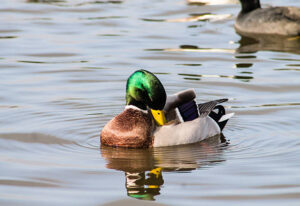
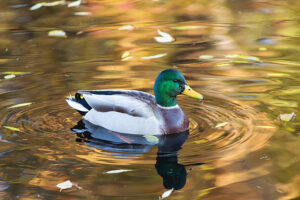
Domestic Mallards (and their hybrids) retain strong dabbling behavior, frequently submerging their heads to filter water and mud. This feeding style greatly elevates ingestion of arsenic‑laden sediments. Their seasonal migrations also expose them to varied water bodies, increasing the probability of encountering contaminated sites.
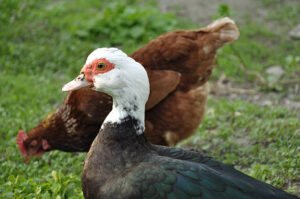
4.3 Muscovy Ducks (Cairina moschata)
Muscovies are ground‑foragers that scratch the surface of ponds and rice paddies. They tend to consume more invertebrates and plant material than water, exposing them to arsenic that bio‑accumulates in aquatic insects and snails. Additionally, Muscovy ducks are often kept in semi‑extensive free‑range systems where they have direct access to natural water sources.
4.4 High‑Altitude Breeds (e.g., Tibetan Ducks)
Although not as common in commercial production, high‑altitude ducks are often raised in mineral‑rich soils where arsenic can be abundant. Their lower metabolic rates can lead to slower detoxification, extending the duration of toxic exposure.
Bottom‑Line Paragraph
Overall, the combination of foraging style, growth kinetics, and management system determines susceptibility. Pekins are most at risk in intensive farms relying on contaminated water; Mallard‑type ducks are at risk in wetland and rice‑field environments; Muscovies face danger when feeding on invertebrate‐rich sediments; and high‑altitude breeds may experience chronic low‑level exposure from mineral soils. Understanding breed‑specific behavior is essential for targeted monitoring and prevention.
5. Life‑Stage Vulnerability
| Life Stage | Why It Is Susceptible | Typical Exposure Scenarios |
|---|---|---|
| Embryo (egg) | Arsenic readily crosses the eggshell and can accumulate in yolk and albumen. | Breeder hens fed contaminated feed produce arsenic‑laden eggs. |
| Hatchling (0‑4 weeks) | Immature renal and hepatic systems lack fully developed detoxification pathways (glutathione, methyltransferases). | Chicks given contaminated starter water or feed; exposure to contaminated brooder litter. |
| Juvenile (4‑12 weeks) | Rapid growth increases feed and water consumption per kg body weight; the skin and feather follicles are still developing, allowing arsenic deposition in feathers. | Free‑range juveniles foraging in wet fields; exposure to contaminated puddles. |
| Adult (≥12 weeks) | Accumulated arsenic can be re‑released during molting; reproductive organs become a secondary target, affecting egg production. | Adult layers drinking from polluted ponds; breeding stock on contaminated pastures. |
| Senescent (≥2 years) | Declining hepatic and renal function reduces clearance, leading to cumulative toxicity. | Older breeding ducks repeatedly exposed to low‑level arsenic. |
Key Insight: The youngest ducklings (embryo to 4 weeks) are the most acutely vulnerable to acute lethal doses due to under‑developed detox pathways, whereas adults are more prone to chronic sub‑clinical effects that impair reproduction, feather quality, and longevity.
6. Pathophysiology of Arsenic Toxicity in Ducks
- Absorption – Inorganic arsenic is absorbed efficiently (≈80 % of ingested dose) through the gastrointestinal tract.
- Distribution – Once in the bloodstream, arsenic binds to plasma proteins (especially albumin) and circulates to the liver, kidney, heart, bone marrow, and feather follicles.
- Cellular Entry – Arsenite mimics phosphate, entering cells via phosphate transporters (Pi transporters). Arsenate interferes with oxidative phosphorylation by substituting for phosphate in ATP synthesis.
- Metabolic Activation – The liver methylates arsenic using the arsenic (+3 oxidation state) methyltransferase (AS3MT) pathway, generating monomethylarsonic acid (MMA) and dimethylarsinic acid (DMA). These metabolites are more readily excreted but also more toxic at intermediate stages.
- Oxidative Stress – Both arsenite and MMA generate reactive oxygen species (ROS), depleting glutathione and damaging lipid membranes, proteins, and DNA.
- Enzyme Inhibition – Arsenic binds sulfhydryl groups, inhibiting key enzymes such as pyruvate dehydrogenase, leading to impaired aerobic metabolism and lactic acidosis.
- Apoptosis & Necrosis – Persistent ROS and mitochondrial dysfunction trigger apoptosis in hepatocytes, renal tubular cells, and endothelial cells, manifesting clinically as organ failure.
- Feather Deposition – As arsenic circulates, it is sequestered in keratinized feather tissue, producing the classic “rain‑drop” discoloration seen in chronic cases.
7. Clinical Signs & Symptoms
Arsenic toxicity presents as a spectrum ranging from acute rapidly lethal to chronic sub‑clinical. The following signs are organized by system and severity.
7.1 Acute (within minutes to 24 h)
| System | Signs | Typical Dose (approx.) |
|---|---|---|
| Gastrointestinal | Profuse watery diarrhea, sometimes bloody; vomiting (rare in birds) | >10 mg kg⁻¹ As³⁺ |
| Neurologic | Tremors, ataxia, opisthotonus, seizures, wing‑flapping convulsions | 5–10 mg kg⁻¹ |
| Cardiovascular | Tachycardia, arrhythmias, hypotension, sudden death | >15 mg kg⁻¹ |
| Respiratory | Labored breathing, cyanosis | 10–12 mg kg⁻¹ |
| Dermal | Cutaneous erythema, edema around the eyes and beak | — |
| Behavioral | Lethargy, reduced feed intake, isolation from flock | — |
7.2 Sub‑Acute (24 h–2 weeks)
- Weakness and progressive weight loss despite adequate feed.
- Poor feather quality: brittle, discolored feathers (grey‑blue or brownish spots).
- Anorexia leading to fatty liver (hepatic lipidosis).
- Mild icterus (yellowish sclerae) from hepatic dysfunction.
7.3 Chronic (weeks to months)
- Reduced egg production (decreased clutch size, thin shells).
- Reproductive failure: infertility, embryonic mortality.
- Growth retardation in juveniles.
- Peripheral neuropathy: chronic ataxia, foot pad lesions from impaired sensation.
- Kidney disease: polyuria, polydipsia, uric acid crystals in the cloaca.
- Immune suppression: increased susceptibility to secondary bacterial or fungal infections.
Note: Because many signs are non‑specific, a high index of suspicion is required, especially when a flock is exposed to known arsenic sources.
8. Differential Diagnosis
| Condition | Overlapping Signs | Distinguishing Features |
|---|---|---|
| Botulism | Sudden paralysis, drooping wings | Presence of Clostridium botulinum toxin; flaccid paralysis, no GI hemorrhage. |
| Avian Influenza | Respiratory distress, lethargy | Rapid viral PCR positive; high mortality, hemorrhagic lesions on internal organs. |
| Lead poisoning | Neurologic deficits, anorexia | Lead lines on beak, radiopaque lead particles on X‑ray; elevated blood lead. |
| Mycotoxicosis (e.g., aflatoxin) | Hepatomegaly, decreased egg production | Presence of moldy feed, elevated liver enzymes, characteristic histopathology. |
| Salmonellosis | Diarrhea, septicemia | Positive bacterial culture from cloacal swab; inflammatory lesions. |
| Vitamin A deficiency | Poor feather quality, eye lesions | Low serum retinol, typical squamous metaplasia of respiratory epithelium. |
A systematic approach that includes history taking, environmental sampling, and targeted laboratory tests will reduce misdiagnosis.
9. Diagnostic Work‑up
9.1 History & Environmental Survey
- Water source analysis – test for total arsenic (ICP‑MS or AAS).
- Feed analysis – especially if sourced from local mills or stored for long periods.
- Soil and sediment sampling from foraging sites.
- Timeline – correlate onset of signs with recent changes (e.g., new pond, flood, feed batch).
9.2 Physical Examination
- Cloacal swab for uric acid crystals (indicative of renal involvement).
- Feather sampling – arsenic concentrates in newly grown feathers; collect for laboratory quantification.
9.3 Laboratory Tests
| Test | Sample | Typical Findings in Poisoned Ducks |
|---|---|---|
| Blood arsenic concentration | Whole blood (EDTA) | >0.1 mg L⁻¹ (acute) or >0.05 mg L⁻¹ (chronic); reference <0.02 mg L⁻¹ |
| Serum biochemistry | Plasma | Elevated AST, ALT, GGT; increased uric acid; metabolic acidosis (low HCO₃⁻). |
| Complete blood count (CBC) | Whole blood | Regenerative anemia, leukocytosis (stress/secondary infection). |
| Urine / Cloacal swab arsenic | Urine or swab | Detectable inorganic arsenic; useful for confirming renal excretion. |
| Histopathology | Liver, kidney (post‑mortem) | Hepatocellular vacuolation, biliary hyperplasia, tubular necrosis. |
| Feather arsenic | Molted feather | High arsenic content (often >10 µg g⁻¹). |
| Methylation profile | Blood or urine | Presence of MMA, DMA indicating metabolic processing. |
Interpretation Tips:
- Acute poisoning often shows markedly elevated blood arsenic with relatively normal organ enzymes (owing to rapid death).
- Chronic exposure yields moderately raised blood arsenic coupled with elevated liver enzymes and renal dysfunction.
9.4 Imaging
- Radiographs – can reveal soft‑tissue swelling around the beak, beak deformities, or lead particles (if co‑contamination suspected).
- Ultrasound – assess liver echogenicity; chronic arsenic may cause diffuse hepatic hyperechogenicity.
10. Treatment Protocols
Time is of the essence. Early intervention improves survival dramatically.
10.1 Immediate Measures
- Remove the source – switch to clean water and arsenic‑free feed.
- Isolation – keep affected birds separate to limit stress and secondary infections.
- Supportive care – maintain ambient temperature, provide easy access to clean water.
10.2 Pharmacologic Antidotes
| Antidote | Mechanism | Dosage (Duck) | Administration |
|---|---|---|---|
| Dimercaprol (British anti‑Lewisite, BAL) | Chelates As³⁺ via sulfhydryl groups; forms stable complexes excreted renally. | 0.5 mL kg⁻¹ (≈ 0.25 mg kg⁻¹) intramuscular (IM) every 12 h for 3–5 days. | IM injection; monitor for pain at injection site. |
| D-penicillamine | Oral chelator; binds both As³⁺ and As⁵⁺; improves urinary excretion. | 30 mg kg⁻¹ PO q12h for 5–7 days. | Gavage or mixed into mash; ensure full consumption. |
| N-acetylcysteine (NAC) | Replenishes glutathione, mitigating oxidative stress. | 100 mg kg⁻¹ PO q8h for 5 days. | Oral solution; can be added to drinking water. |
| Methylene blue (for severe methemoglobinemia) | Reduces methemoglobin back to hemoglobin. | 1 mg kg⁻¹ IV q12h until methemoglobin <10 %. | Intravenous (slow infusion). |
Choosing an Antidote:
- For acute high‑dose exposure, BAL is preferred because of rapid chelation.
- For sub‑acute or chronic cases, D‑penicillamine combined with NAC is more practical and less painful.
10.3 Supportive Therapies
- Fluid therapy – Lactated Ringer’s solution 30 mL kg⁻¹ subcutaneously (SC) or intravenously (IV) to correct dehydration and acidosis.
- Electrolyte supplementation – especially potassium and sodium bicarbonate to address metabolic acidosis.
- Antibiotics – broad‑spectrum (e.g., enrofloxacin 10 mg kg⁻¹ SC q24h) if secondary bacterial infection suspected.
- Vitamin B12 & folic acid – support erythropoiesis and mitigate anemia.
- Nutritional support – high‑protein, easily digestible feed (e.g., boiled egg yolk, soaked commercial starter).
10.4 Monitoring
| Parameter | Frequency | Target Range |
|---|---|---|
| Blood arsenic | Day 0, Day 2, Day 5, then weekly until <0.02 mg L⁻¹ | <0.02 mg L⁻¹ |
| Serum biochemistry | Baseline, then every 48 h | AST/ALT <2× normal, uric acid within species range |
| Body weight | Daily | No loss >5 % of initial weight |
| Clinical score | Twice daily | Resolution of diarrhea, normal activity, normal plumage |
10.5 Prognosis
| Category | Expected Outcome | Key Influencing Factors |
|---|---|---|
| Mild acute (<5 mg kg⁻¹) | 80‑95 % survival with prompt chelation | Time to treatment, age, overall health |
| Severe acute (>10 mg kg⁻¹) | <30 % survival, rapid progression | Dose, concurrent infections, organ failure |
| Chronic exposure | Variable; many survive but develop reproductive/renal sequelae | Duration of exposure, cumulative dose, nutrition |
| Late‑stage renal/ hepatic failure | Poor prognosis; euthanasia often humane | Irreversible organ damage, inability to correct metabolic derangements |
11. Prognosis & Potential Complications
11.1 Short‑Term Complications
- Septicemia due to gut translocation of bacteria from compromised intestinal mucosa.
- Methemoglobinemia (especially with high arsenite) leading to tissue hypoxia.
11.2 Long‑Term Complications
| Complication | Pathogenesis | Clinical Manifestation |
|---|---|---|
| Chronic nephropathy | Persistent tubular necrosis & interstitial fibrosis | Polyuria, polydipsia, urate crystals in cloaca, reduced weight gain. |
| Hepatic cirrhosis | Ongoing oxidative damage → fibrosis | Ascites, jaundice, poor feather quality. |
| Reproductive failure | Arsenic accumulation in ovary/testes; hormonal disruption | Decreased clutch size, thin shells, embryonic death. |
| Peripheral neuropathy | Demyelination of peripheral nerves due to oxidative stress | Ataxia, footpad ulcerations, “saucer” stance. |
| Secondary malignancies (rare) | DNA damage from ROS | Tumors in liver, skin, or bone. |
Management of Complications:
- Renal support: low‑protein diet, diuretics (e.g., furosemide 1 mg kg⁻¹ SC q24h) if fluid overload.
- Hepatic support: hepatoprotective agents (e.g., silymarin 30 mg kg⁻¹ PO q12h).
- Reproductive support: supplement with calcium and vitamin D₃ during laying cycles.
12. Prevention Strategies
12.1 Water Management
- Regular testing – at least quarterly for arsenic concentrations >10 µg L⁻¹ (WHO limit).
- Filtration – activated alumina or reverse‑osmosis units effectively remove inorganic arsenic.
- Alternative sources – rainwater harvesting or deep‑well water (if proven arsenic‑free).
12.2 Feed Control
- Certified feed – purchase from manufacturers with documented heavy‑metal testing.
- Storage – keep feed in sealed, dry facilities to avoid soil contamination.
- Batch testing – random feed samples should be analyzed annually.
12.3 Habitat Management
- Avoid grazing in known arsenic hot‑spots (e.g., old mining tailings, flooded rice paddies with high background levels).
- Create clean foraging zones – line paddocks with clean sand or gravel to prevent ingestion of contaminated sediment.
12.4 Biosecurity
- Quarantine new birds for at least 14 days, testing water and feed they will use.
- Rotational grazing – limit time spent on a single waterbody to reduce cumulative exposure.
12.5 Genetic & Breed Considerations
- Favor breeds with lower foraging depth if operating in high‑risk zones (e.g., limit use of deep‑dabbling Mallards).
- Implement selective breeding for individuals showing higher hepatic detoxification enzyme activity (research ongoing).
12.6 Education & Record‑Keeping
- Keep logbooks of water source changes, feed lot numbers, and any environmental events (e.g., floods).
- Train farm workers to recognize early signs of arsenic toxicity.
13. Nutrition & Dietary Management During Recovery
13.1 Macronutrient Adjustments
| Nutrient | Rationale | Recommended Level |
|---|---|---|
| Protein | Supports hepatic regeneration & immune function. | 22‑24 % of diet (higher than maintenance 18 %). |
| Energy | Counteracts catabolism from illness. | 3000‑3400 kcal kg⁻¹ (elevated for recovering ducks). |
| Fat | Energy‑dense, improves palatability. | 5‑8 % (preferably unsaturated such as flaxseed oil). |
| Fiber | Gentle bulking to aid gut motility without excessive fermentation. | 3‑4 % (avoid high‑roughage feeds that can trap arsenic). |
13.2 Micronutrient Supplementation
- Vitamin E (α‑tocopherol) – 100 IU kg⁻¹ PO daily to protect membranes from oxidative damage.
- Selenium – 0.2 ppm in feed; works synergistically with glutathione peroxidase.
- Vitamin C – 150 mg kg⁻¹ PO daily; scavenges free radicals.
- B‑complex (particularly B12, folic acid) – 0.5 mg kg⁻¹ PO to aid hematopoiesis.
13.3 Phytochemicals & Natural Chelators
- Green tea extract (epigallocatechin gallate) – modest chelating effect; 0.2 % of diet.
- Coriander (Coriandrum sativum) – reported to enhance arsenic excretion; fresh foliage added to feed.
13.4 Feeding Strategies
- Frequent small meals – reduces GI overload and allows better absorption of supplements.
- Warm, liquid feed – e.g., diluted boiled egg yolk, soy milk, or commercial starter mash softened with clean water.
- Electrolyte‑enhanced water – add potassium chloride (0.5 %) and sodium bicarbonate (0.3 %) to encourage fluid intake.
13.5 Post‑Recovery Monitoring
- Conduct monthly feather arsenic analyses for 6 months to ensure clearance.
- Track egg quality (shell thickness, hatchability) for laying ducks; expect improvement within 2–3 months if arsenic levels fall below detectable limits.
14. Zoonotic Considerations
Arsenic is a non‑infectious environmental toxin; it does not transmit directly from ducks to humans. However, indirect risks exist:
- Food‑chain contamination – Duck meat or eggs harvested from arsenic‑exposed birds may contain residual arsenic, especially in the liver and kidneys. Chronic consumption can contribute to human arsenic load.
- Water safety – If a duck pond serves both wildlife and domestic water users, contaminated water poses a direct public‑health hazard.
- Occupational exposure – Farm workers handling contaminated feed or water without protective equipment might unintentionally ingest arsenic (e.g., via hand‑to‑mouth contact).
Mitigation Measures:
- Testing of duck meat and eggs before commercial distribution.
- Providing PPE (gloves, masks) to personnel handling suspect materials.
- Educating consumers about proper cooking (though heat does not destroy inorganic arsenic).
Regulatory bodies (e.g., FDA, EFSA) set maximum permissible arsenic levels in poultry products (typically <0.1 mg kg⁻¹ fresh weight). Regular compliance testing is essential for market access.
15. Summary & Key Take‑aways
| Aspect | Core Message |
|---|---|
| Etiology | Inorganic arsenic from water, feed, soil, or industrial runoff is the primary culprit. |
| High‑risk breeds | Pekin (intensive farms), Mallard‑type (wetlands), Muscovy (ground‑foragers), and high‑altitude breeds (mineral soils). |
| Life‑stage sensitivity | Embryos and hatchlings are most vulnerable to acute toxicity; adults accumulate arsenic leading to chronic effects. |
| Clinical picture | Ranges from sudden death, GI distress, neurologic signs, to chronic feather discoloration, reproductive failure, and renal disease. |
| Diagnosis | Combines environmental testing, blood/feather arsenic quantification, biochemistry, and histopathology. |
| Treatment | Immediate source removal, chelation (BAL, D‑penicillamine), antioxidants (NAC), supportive fluid/electrolyte therapy. |
| Prognosis | Dependent on dose, timing of intervention, and organ involvement; chronic cases often survive with lingering sequelae. |
| Prevention | Clean water, certified feed, habitat management, regular testing, and education. |
| Nutrition | High‑protein, antioxidant‑rich diet with specific vitamin/mineral supplementation accelerates recovery. |
| Zoonosis | No direct transmission, but contaminated edible tissues present a human health risk. |
By adopting a holistic, evidence‑based approach—integrating environmental surveillance, prompt clinical management, and targeted nutrition—duck owners and veterinarians can substantially reduce morbidity and mortality associated with arsenic poisoning.
#ArsenicPoisoning, #DuckHealth, #WaterfowlSafety, #AvianToxicology, #PekinDuck, #Mallard, #MuscovyDuck, #WildlifeVeterinary, #HeavyMetalAwareness, #CleanWaterForDucks, #DuckNutrition, #ChelationTherapy, #EggSafety, #MeatSafety, #ZoonoticRisk, #EcoVeterinary, #EnvironmentalHealth, #DuckFarmManagement, #ArsenicAwareness, #FeatherHealth, #DuckRehabilitation, #PetDuckCare, #BackyardPoultry, #SustainableFarming, #VeterinaryEducation, #AnimalWelfare, #OrganicFarming, #ArsenicTesting, #WaterQuality, #FeedSafety, #DuckRescue, #PoultryScience, #AvianMedicine, #BirdLovers, #FarmLife, #ConservationMedicine, #BirdHealthTips, #ArsenicFree, #HealthyDucks, #PreventionFirst, #VeterinaryTips, #DucksOfInstagram, #DucksOfYouTube, #DuckBreeds, #ArsenicRisk, #EnvironmentalToxins, #AnimalNutrition, #PetBirdHealth
Add comment