
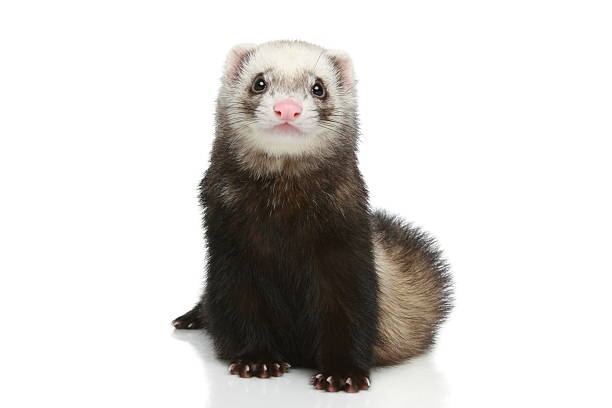
The domestic ferret (Mustela putorius furo) has become a beloved companion in many households across North America, Europe, and increasingly in Asia. While ferrets are celebrated for their playful, inquisitive nature and high metabolic rate, they share with other mammals a susceptibility to age‑related musculoskeletal decline. Arthritis and degenerative joint disease (DJD) represent the most common locomotor disorders in ferrets older than three years, impairing mobility, reducing the ability to forage (or “hunt” toys), and ultimately decreasing the animal’s quality of life (QoL).
Because ferrets are small, have a rapid heart rate, and are obligate carnivores, the clinical presentation of joint disease may be subtle, and owners often mistake early signs for “shyness” or “temperament change.” Early detection, accurate diagnosis, and a multimodal treatment plan are therefore critical to sustain a ferret’s active lifestyle well into senior years.
2. Anatomy & Physiology of the Ferret Stifle, Hip, and Shoulder
Understanding joint anatomy is essential when interpreting clinical signs and choosing appropriate interventions.
| Structure | Key Features in Ferrets | Clinical Relevance |
|---|---|---|
| Stifle (knee) | Compound joint (femur‑tibia‑patella), reinforced by the cranial cruciate ligament (CCL) and medial collateral ligament (MCL). Patella is relatively small and mobile, allowing a greater range of motion for rapid sprinting. | CCL rupture and patellar luxation are common traumatic contributors to secondary OA. |
| Hip (coxofemoral) | Deep acetabular socket with a robust ligament of the head of the femur. The femoral neck is short, providing increased stability but limiting flexibility. | Dysplasia is rare; however, chronic overload from obesity precipitates cartilage loss. |
| Shoulder (scapulohumeral) | Articulates via a shallow glenoid cavity; the humeral head is spherical. The joint is heavily supported by the supraspinatus and infraspinatus muscles. | Overuse injuries (e.g., from climbing or jumping) can cause tendinopathy that progresses to DJD. |
Cartilage in ferrets is thin but highly cellular. The synovial membrane produces lubricating hyaluronic acid (HA) and lubricin, both of which decline with age, predisposing the joint to frictional wear.
3. Definitions & Classification
| Term | Definition | Typical Onset in Ferrets |
|---|---|---|
| Osteoarthritis (OA) | A chronic, progressive loss of articular cartilage, subchondral bone remodeling, osteophyte formation, and synovial inflammation. | 3–5 years, with prevalence rising sharply after 6 years. |
| Degenerative Joint Disease (DJD) | An umbrella term encompassing OA, osteochondrosis, and age‑related joint degeneration not necessarily associated with inflammation. | 2–4 years; may be subclinical. |
| Inflammatory Arthritis | Joint disease driven primarily by immune-mediated inflammation (e.g., immune‑mediated polyarthritis, septic arthritis). | Rare in ferrets, usually secondary to infection or systemic disease. |
In practice, the term “arthritis” often refers to OA/DJD unless laboratory testing indicates an infectious or immune‑mediated component.
4. Epidemiology & Risk Factors
| Risk Factor | Evidence & Mechanism |
|---|---|
| Age | Incidence of radiographic OA climbs from <10 % in ferrets <2 years to >70 % in those >7 years. Age‑related reduction in chondrocyte anabolic activity is the primary driver. |
| Obesity | Ferrets with a body condition score (BCS) ≥ 6/9 have a 2–3‑fold increase in OA prevalence. Excess adipose tissue releases leptin and pro‑inflammatory cytokines (IL‑1β, TNF‑α) that accelerate cartilage catabolism. |
| Genetics | Certain breeding lines (e.g., “Standard English” vs. “Color‑point”) display subtle variations in joint conformation. While no definitive gene has been identified, pedigree analysis suggests a hereditary component. |
| Trauma | Early‑life injuries (e.g., CCL rupture, patellar luxation) precipitate secondary OA. Ferrets are agile but prone to fractures from falls or rough play with conspecifics. |
| Dietary Imbalance | High‑carbohydrate, low‑protein diets (common in “ferret treats”) can lead to metabolic dysregulation and obesity, indirectly fostering joint degeneration. |
| Concurrent Diseases | Chronic adrenal disease (hyperadrenocorticism) and insulinoma can cause muscle wasting and altered gait, increasing joint stress. |
| Environmental Factors | Hard, unforgiving flooring (e.g., concrete) and lack of enrichment (no climbing structures) limit natural joint mobilization, encouraging stiffness. |
5. Pathophysiology – Cellular & Molecular Mechanisms
- Cartilage Homeostasis Disruption
- Chondrocyte Senescence: With age, chondrocytes enter a state of replicative senescence, reducing synthesis of type II collagen and proteoglycans.
- Matrix Metalloproteinases (MMPs): Up‑regulation of MMP‑13 and ADAMTS‑5 leads to collagen and aggrecan degradation.
- Inflammatory Cascade
- Cytokine Surge: IL‑1β, TNF‑α, and IL‑6 stimulate synovial fibroblasts to release prostaglandin E₂ (PGE₂), causing pain and swelling.
- Neurogenic Inflammation: Substance P and calcitonin gene‑related peptide (CGRP) increase nociceptor sensitivity.
- Subchondral Bone Remodeling
- Sclerosis & Microfractures: Mechanical overload triggers osteoblast activation, leading to bone sclerosis and formation of micro‑cracks that exacerbate cartilage wear.
- Synovial Fluid Alterations
- Decreased HA & Lubricin: Lower concentrations reduce lubrication, increasing shear stress.
- Increased Viscosity: Inflammatory exudate thickens fluid, impairing nutrient diffusion to chondrocytes.
Overall, OA/DJD in ferrets is a multifactorial disease where mechanical, biochemical, and inflammatory components intersect, creating a self‑perpetuating cycle of joint degeneration.
6. Clinical Presentation – Recognizable Signs & Symptoms
| Category | Specific Observation | Practical Tips for Owners |
|---|---|---|
| Locomotor Changes | – Reluctance to jump onto elevated platforms (e.g., hammocks, shelves). – “Shuffling” gait, especially on hard surfaces. – Intermittent limping (often unilateral). |
Observe ferret during playtime; note any hesitation before climbing. |
| Pain‑Related Behaviors | – Vocalization (soft squeaks) when handled near a joint. – Guarding the affected limb. – Aggression or biting when the area is touched. |
Use gentle palpation; look for flinching or withdrawal. |
| Postural Adjustments | – Sitting with one leg tucked under the body. – “Hunched” posture to reduce joint load. |
Photograph the ferret’s resting posture for longitudinal comparison. |
| Activity Level | – Decreased nightly foraging or play. – Preference for low‑energy activities (e.g., lying in a tube). |
Track daily activity using a simple log or motion‑sensing camera. |
| Secondary Signs | – Weight gain due to reduced exercise. – Muscle atrophy (especially quadriceps) evident on palpation. – Increased water consumption if NSAIDs cause renal stress. |
Regularly weigh and condition score; feel for muscle bulk. |
Because ferrets are naturally stoic, early detection often hinges on meticulous observation of subtle changes in behavior and movement.
7. Diagnostic Approach
7.1. Comprehensive Physical Examination
- Lameness Scoring: Use the 0–5 “Ferret Lameness Scale” (0 = normal, 5 = non‑weight‑bearing).
- Palpation: Assess joint swelling, heat, crepitus, and range of motion (ROM).
- Neurological Check: Rule out peripheral nerve injury that may mimic joint pain.
7‑2. Imaging
| Modality | Indications | Typical Findings in OA/DJD |
|---|---|---|
| Plain Radiography (latero‑lateral & ventrodorsal) | First‑line screening, especially for the stifle and hip. | – Joint space narrowing. – Osteophyte formation. – Subchondral sclerosis/ sclerosis. |
| Computed Tomography (CT) | Detailed bone architecture, pre‑surgical planning. | Precise delineation of osteophytes, cystic lesions, and fracture lines. |
| Magnetic Resonance Imaging (MRI) | Soft‑tissue evaluation, early cartilage changes. | – Cartilage thinning, subchondral edema. – Synovial effusion. |
| Ultrasound | Real‑time assessment of synovial fluid, tendon integrity. | Effusion thickness, fibrin strands, tendon thickening. |
Radiographic scoring systems (e.g., the “Ferret Osteoarthritis Radiographic Index”) provide a baseline for monitoring disease progression.
7‑3. Laboratory Testing
- Complete Blood Count (CBC) & Serum Chemistry: Identify systemic inflammation or NSAID‑related organ dysfunction.
- Synovial Fluid Analysis (if effusion present):
- Cytology: Look for neutrophilic inflammation (suggests septic arthritis).
- Viscosity & HA Concentration: Low HA indicates degenerative changes.
- Biomarkers (research‑level): Serum C‑telopeptide of type II collagen (CTX‑II) and cartilage oligomeric matrix protein (COMP) correlate with cartilage breakdown.
7‑4. Advanced Diagnostics
- Arthroscopy: Direct visualization of cartilage surfaces; can be therapeutic (debridement, lavage).
- Joint Scoring Systems: Combine imaging, clinical, and biomarker data into a composite “Joint Health Score” to guide treatment intensity.
A multimodal diagnostic protocol (clinical exam + radiography + synovial fluid analysis) is recommended for any ferret over 3 years presenting with mobility concerns.
8. Therapeutic Strategies
8‑1. Pharmacologic Options
| Drug Class | Representative Agents (dose & route) | Mechanism | Key Considerations in Ferrets |
|---|---|---|---|
| Non‑steroidal anti‑inflammatory drugs (NSAIDs) | Carprofen 2 mg/kg PO q24h; Meloxicam 0.1 mg/kg PO q24h (off‑label) | COX‑2 inhibition → ↓ prostaglandins, analgesia | Monitor BUN/creatinine, gastric ulceration; avoid chronic >4 weeks without re‑evaluation. |
| Cox‑2 selective NSAIDs | Firocoxib 5 mg/kg PO q24h (human formulation) | Targeted COX‑2 → fewer GI side effects | Limited ferret data; start at low dose and titrate. |
| Opioids | Buprenorphine 0.01 mg/kg SC q12h; Tramadol 2 mg/kg PO q8–12h | μ‑receptor agonism | Useful for breakthrough pain; monitor for sedation. |
| Disease‑Modifying Osteoarthritis Drugs (DMOADs) | Pentosan polysulfate sodium 3 mg/kg SC q48h (4‑week course) | Inhibits MMPs, stimulates HA synthesis | Shown to improve joint ROM in pilot ferret studies. |
| Glucosamine/Chondroitin Sulfate | Glucosamine 500 mg/kg PO q24h (combined) | Substrate for cartilage matrix | Bioavailability modest; best as adjunct. |
| Hyaluronic Acid (HA) Injections | 0.5–1 mg intra‑articular (stifle) under anesthesia | Restores synovial viscosity, anti‑inflammatory | Requires sterile technique; repeat every 4–6 weeks. |
| Corticosteroids (short‑term) | Dexamethasone 0.1 mg/kg IM single dose for acute flare | Potent anti‑inflammatory | Use sparingly; risk of immunosuppression, adrenal suppression. |
Therapeutic guideline: Start with a NSAID (carprofen) after baseline organ function evaluation, add an opioid for severe pain, and consider DMOADs or HA injections for chronic cases. Rotate or taper NSAIDs if GI toxicity emerges.
8‑2. Nutraceuticals & Supplements
- Omega‑3 Fatty Acids (EPA/DHA) – 50–100 mg/kg PO q24h (fish‑oil concentrate). Reduce inflammatory cytokines.
- Antioxidants – Vitamin E (10 IU/kg PO q24h) and N‑acetylcysteine (NAC) 10 mg/kg PO q12h to combat oxidative cartilage damage.
- Vitamin C – 20 mg/kg PO q24h (supports collagen synthesis).
- Boswellia serrata Extract – 5 mg/kg PO q12h; modest COX‑2 inhibition with minimal GI effects.
These agents are adjunctive; they should not replace NSAIDs but can lower required doses.
8‑3. Physical Therapy & Rehabilitation
- Passive Range‑of‑Motion (PROM) – 2–3 min per joint daily; gentle flexion/extension to maintain cartilage nutrition.
- Therapeutic Exercise – Low‑impact “tunnel running” on a soft track; underwater treadmill (if available) reduces joint load while improving muscle tone.
- Heat and Cold Therapy – Warm compress (38 °C) for 5 min to relax muscles; cold pack (10 °C) for acute inflammation (≤15 min).
- Electro‑stimulation – Neuromuscular electrical stimulation (NMES) encourages quadriceps activation and improves gait.
A rehab program should be individualized; start with short sessions (5 min) and gradually increase as tolerance improves.
8‑4. Surgical Interventions
| Procedure | Indications | Success Rate & Expected Outcomes |
|---|---|---|
| Arthroscopic Joint Debridement | Advanced OA with loose cartilage fragments or meniscal tears. | 70–80 % improvement in ROM; minimal invasiveness. |
| Total Joint Replacement (TJR) – Stifle or hip | End‑stage OA refractory to medical management; severe pain. | Emerging technique; 1‑year survival ≈ 85 % in limited case series. |
| Corrective Osteotomy (e.g., tibial plateau leveling) | Malalignment after trauma (e.g., CCL rupture). | Restores normal biomechanics; reduces secondary OA progression. |
| Joint Fusion (Arthrodesis) | Unreconstructable joint, severe pain, little weight‑bearing needed (e.g., distal limb). | Provides pain relief; permanent loss of joint motion. |
Pre‑operative considerations: Comprehensive blood work, cardiac evaluation, and optimal body condition (BCS 5/9) are mandatory. Post‑operative analgesia (multimodal) and a strict rehabilitation schedule are critical for functional recovery.
8‑5. Integrative & Complementary Modalities
- Acupuncture (dry needle, 0.20 mm, 2–3 mm insertion depth) – 1–2 × week for 4–6 weeks reduces nociceptive signaling.
- Low‑Level Laser Therapy (LLLT) – 808 nm wavelength, 4 J/cm² per joint; promotes tissue repair and reduces inflammation.
- Pulsed Electromagnetic Field (PEMF) – 15 Hz, 1 mT for 30 min daily; stimulates chondrocyte metabolism.
Clinical anecdotes suggest these modalities can lower NSAID requirements and enhance owner satisfaction, though robust controlled trials in ferrets are still lacking.
9. Prognosis, Complications & Long‑Term Management
| Aspect | Details |
|---|---|
| Prognosis | – Early‑stage OA (radiographic grade I‑II) → good to excellent with multimodal therapy. – Advanced OA (grade III‑IV) → moderate; goal shifts to pain control and QoL maintenance. – Joint replacement → promising but limited data; long‑term survivorship still under investigation. |
| Complications of Untreated OA | – Chronic pain → behavioral changes, anorexia, weight loss. – Secondary muscle atrophy leading to falls and fractures. – Development of chronic renal disease from prolonged NSAID use if dosing is not monitored. |
| Medication‑Related Risks | – NSAID‑induced gastric ulceration, renal insufficiency. – Opioid sedation, respiratory depression (rare). – Corticosteroid‐induced immunosuppression and hyperadrenocorticism. |
| Surgical Risks | – Anesthetic complications (ferrets are highly sensitive to inhalant agents). – Post‑operative infection, especially in joints with prior septic episodes. – Implant failure or loosening in joint replacements. |
| Monitoring Strategy | • Re‑evaluate every 4–6 weeks during the first 3 months of therapy. • Repeat radiographs annually or when clinical deterioration occurs. • Track BCS, activity logs, and pain scores. |
A life‑long partnership between veterinarian and owner, with regular check‑ups and adaptive home modifications, is essential for optimal outcomes.
10. Prevention & Early Intervention
| Preventive Measure | Practical Implementation |
|---|---|
| Weight Management | – Calculate Resting Energy Requirement (RER): 70 × (Body kg)^0.75. – Provide 1.2‑1.4 × RER for active ferrets; adjust downward for sedentary seniors. – Use low‑calorie ferret treats (< 10 % kcal). |
| Regular Low‑Impact Exercise | – Daily “tunnel chase” (soft PVC tubes) for 5‑10 min. – Rotate climbing platforms at different heights to encourage joint movement. |
| Joint‑Friendly Flooring | – Provide soft bedding (e.g., fleece, carpet squares) in high‑traffic areas. – Use rubber gym mats under food bowls and water bottles to reduce impact. |
| Nutritional Support | – Feed high‑protein, low‑carbohydrate diets (minimum 30 % protein, < 20 % carbohydrate). – Add glucosamine/chondroitin supplements from the age of 2 years. |
| Routine Screening | – Baseline radiographs at 3 years, then bi‑annual visual exams. – Early lameness scoring during annual wellness exams. |
| Environmental Enrichment | – Rotate toys to stimulate movement. – Provide puzzle feeders that require manipulation and reaching. |
By addressing modifiable risk factors early, owners can delay the onset of clinically significant arthritis by several years.
11. Diet & Nutrition – Building a Joint‑Friendly Feeding Plan
11‑1. Macronutrient Profile
| Nutrient | Ideal Range for Senior Ferrets | Rationale |
|---|---|---|
| Protein | 35–45 % of metabolizable energy (ME) | Supports muscle mass, provides essential amino acids for collagen synthesis. |
| Fat | 15–20 % ME (primarily animal‑derived) | High caloric density; essential fatty acids (EPA/DHA) aid anti‑inflammatory pathways. |
| Carbohydrate | ≤ 15 % ME (preferably low‑glycemic) | Ferrets lack functional amylase; excess carbs predispose to obesity and insulin dysregulation. |
| Fiber | Minimal (≤ 2 % ME) | Excess fiber can cause loose stools; however, small amounts of beet pulp aid gut motility. |
11‑2. Micronutrients & Functional Additives
| Micronutrient | Daily Target | Food Source / Supplement | Joint‑Support Role |
|---|---|---|---|
| Vitamin C | 30 mg/kg body weight | Fresh bell pepper, fortified kibble | Collagen cross‑linking, antioxidant. |
| Vitamin E | 10 IU/kg | Wheat germ oil, supplement capsules | Protects membrane lipids from oxidation. |
| Copper | 4 mg/kg | Liver, copper‑sulfate supplement | Cofactor for lysyl oxidase (collagen maturation). |
| Manganese | 0.5 mg/kg | Whole grains (in small amounts), supplement | Enzyme for proteoglycan synthesis. |
| Selenium | 0.05 mg/kg | Selenium‑yeast supplement | Antioxidant selenoproteins. |
| Glucosamine | 500 mg/kg | Commercial glucosamine powder | Substrate for glycosaminoglycan synthesis. |
| Chondroitin Sulfate | 400 mg/kg | Cartilage‑derived supplements | Inhibits cartilage degradation. |
| Omega‑3 (EPA/DHA) | 1 % of diet (by weight) | Fish oil, krill oil | Reduces cytokine production, improves synovial fluid viscosity. |
11‑3. Sample Daily Meal Plan (2‑kg senior ferret)
| Meal | Food Items | Approx. Nutrient Contribution |
|---|---|---|
| Breakfast (70 % of daily kcal) | • 20 g high‑protein ferret kibble (35 % protein, 15 % fat). • 2 g fish‑oil capsule (provides EPA/DHA). • 1 g glucosamine/chondroitin powder mixed in water. |
5 g protein, 2 g fat, 0.8 g EPA/DHA, 500 mg glucosamine. |
| Mid‑day Snack | • 5 g cooked chicken breast (skin removed). • 0.5 g beet pulp (optional). |
1 g protein, negligible carbs. |
| Dinner (30 % of daily kcal) | • 10 g canned ferret diet (higher moisture). • 1 g vitamin C powder (dissolved in water). |
1.5 g protein, 0.5 g fat, 30 mg vitamin C. |
| Water | Fresh, filtered water ad libitum. | Hydration supports synovial fluid production. |
Adjust portions based on body condition scoring every 2 weeks.
11‑4. Feeding Tips
- Meal Frequency: Two meals per day (morning and early evening) mimic natural foraging cycles and aid digestion.
- Avoid “Free‑Feeding” – continuous access encourages overeating and weight gain.
- Monitor Treat Intake: Treats should not exceed 5 % of total caloric intake. Choose low‑fat, high‑protein options (e.g., freeze‑dried chicken).
- Transition Slowly: When changing diet, phase over 7–10 days to avoid gastrointestinal upset.
12. Zoonotic Considerations – When Joint Disease Intersects with Infectious Agents
Although arthritis in ferrets is primarily degenerative, infectious etiologies must be excluded, particularly in immunocompromised or exotic‑pet households.
| Zoonotic Pathogen | Potential Joint Involvement | Human Health Relevance |
|---|---|---|
| Salmonella spp. | Can cause septic arthritis via bacteremia after ingestion of contaminated raw meat diets. | Salmonellosis in humans (gastroenteritis) – especially dangerous for immunocompromised, elderly, pregnant women. |
| Streptococcus zooepidemicus | Rarely leads to septic polyarthritis; reported in outbreak clusters among ferret breeders. | Can cause severe invasive disease in humans (e.g., meningitis). |
| Mycobacterium avium complex | Chronic granulomatous arthritis; more common in ferrets with AIDS‑like immunodeficiency. | Opportunistic infection in humans with AIDS or chronic lung disease. |
| Fungal agents (e.g., Candida spp.) | Fungal arthritis after systemic candidemia; often secondary to broad‑spectrum antibiotic use. | Candidemia can be life‑threatening in humans; requires strict hygiene. |
Preventive Measures for Owners
- Hand Hygiene – Wash hands with soap and water for at least 20 seconds after handling ferret bedding, litter, or any joint‑related medication (e.g., injectable HA).
- Food Safety – Avoid feeding raw meat unless it has been frozen at –20 °C for ≥ 7 days (to reduce Salmonella load).
- Veterinary Precautions – Use sterile technique when performing arthrocentesis or intra‑articular injections; wear disposable gloves.
- Environmental Cleaning – Disinfect cages, tunnels, and feeding bowls with a 1 % sodium hypochlorite solution weekly.
While zoonotic transmission is uncommon, vigilant biosecurity reduces risk for both pet and family members.
13. Owner Education & Quality‑of‑Life Assessment
13‑1. Communication Tools
- Joint Health Logbook – Printable sheet for owners to record daily activity, pain scores (0–5), medication administration, and food intake.
- Video Demonstrations – Short clips showing proper PROM techniques, gentle handling for joint palpation, and correct injection sites.
- Mobile Apps – Customizable reminders for medication dosing, weigh‑ins, and veterinary appointments.
13‑2. Quality‑of‑Life (QoL) Scoring System
| Parameter | Scoring (0–5) | Interpretation |
|---|---|---|
| Mobility | 0 = Normal, 5 = Cannot ambulate | Higher score = worsening mobility |
| Appetite | 0 = Normal, 5 = Refuses food | Detects pain‑induced anorexia |
| Behavior | 0 = Playful, 5 = Withdrawn/ aggressive | Captures psychosocial impact |
| Pain (owner perception) | 0 = No pain, 5 = Severe pain on handling | Guides analgesic adjustments |
| Overall QoL | Sum of above (0–25) | ≤ 8 = Good, 9–15 = Moderate, > 15 = Poor; consider treatment escalation. |
Regular (monthly) QoL scoring helps clinicians tailor therapy and provides objective data for research.
14. Future Directions & Research Gaps
| Area | Current Knowledge | Needed Investigation |
|---|---|---|
| Genomics of DJD | Limited data on ferret-specific polymorphisms affecting cartilage metabolism. | Whole‑genome sequencing of high‑risk lines; identification of candidate genes (e.g., COL2A1, MMP13). |
| Biomarker Validation | Early studies on serum CTX‑II and COMP show promise. | Large‑scale longitudinal studies correlating biomarkers with radiographic progression. |
| Regenerative Medicine | Preliminary reports of mesenchymal stem cell (MSC) intra‑articular injections. | Controlled trials evaluating MSC efficacy, optimal dose, and safety profile. |
| Joint Replacement Design | Custom 3‑D‑printed titanium implants tested in a few dogs. | Development of ferret‑specific prostheses (size, material) and long‑term survivorship data. |
| Nutrition | High‑protein, low‑carb diets are standard, but the effect of specific fatty‑acid ratios on OA is unknown. | Randomized feeding trials comparing omega‑3 vs. omega‑6 enriched diets on joint biomarkers. |
| Pain Assessment | Owner‑based scales dominate; objective gait analysis is rare. | Validation of pressure‑sensing walkways or wearable accelerometers for ferrets. |
Encouraging collaboration between veterinary schools, ferret specialty practices, and ferret‑owner communities will accelerate progress.
15. Key Take‑Home Points
- Arthritis/DJD is common in ferrets > 3 years; early detection hinges on vigilant observation of subtle gait changes.
- Multimodal therapy (NSAIDs + nutraceuticals + rehab) yields the best pain control while preserving joint function.
- Weight management and joint‑friendly environment are primary preventive strategies.
- Dietary composition—high protein, low carbohydrate, supplemented with omega‑3s, glucosamine, and antioxidants—supports cartilage health.
- Regular diagnostic monitoring (clinical exam, radiographs, synovial fluid analysis) guides treatment adjustments and identifies complications early.
- Zoonotic risk is low but present; strict hygiene and safe feeding practices protect both ferret and human household members.
- Owner education and QoL scoring empower caregivers to make timely decisions, improving long‑term outcomes.
By integrating these evidence‑based principles, veterinarians and ferret owners can collaboratively extend the active, playful years of these charismatic companions well into senior life.
#FerretArthritisGuide, #FerretJointHealth, #SeniorFerretCare, #VeterinaryEducation, #FerretNutritionTips, #PetPainRelief, #FerretRehab, #FerretHealthFAQ, #PreventiveVetCare, #FerretWellbeing

Add comment