
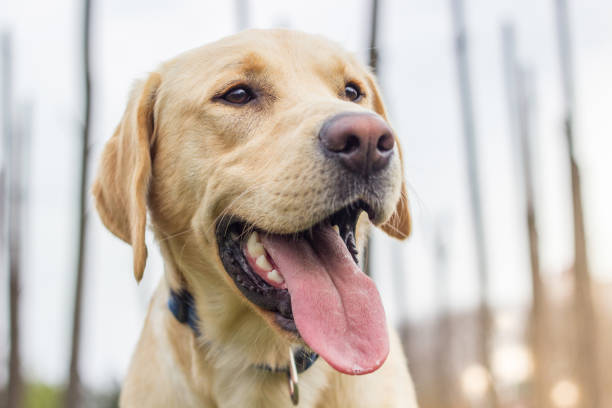
Arthritis, a term that strikes fear into the hearts of many dog owners, is a degenerative joint disease that affects millions of our beloved canine companions. Far from being a simple ailment, it’s a complex condition that can significantly impact a dog’s mobility, comfort, and overall well-being. This guide aims to provide a deep and thorough understanding of arthritis in dogs, covering everything from its underlying causes and diagnostic approaches to the multifaceted strategies for management and enrichment that can help your furry friend live a happy, active, and pain-free life.
Understanding Arthritis: The Silent Thief of Mobility
Arthritis, also known as osteoarthritis or degenerative joint disease (DJD), is a progressive and irreversible condition characterized by the breakdown of cartilage within the joints. Cartilage is a smooth, resilient tissue that acts as a cushion between bones, allowing for effortless movement. When this cartilage deteriorates, bones begin to rub directly against each other, leading to inflammation, pain, stiffness, and ultimately, a loss of joint function.
While the term “arthritis” is often used interchangeably with osteoarthritis, it’s important to note that there are various types of arthritis that can affect dogs. However, osteoarthritis is by far the most common form and is the primary focus of this guide.
The Mechanics of Joint Breakdown:
In a healthy joint, the surfaces of the bones are covered with articular cartilage. This cartilage is nourished by synovial fluid, which also lubricates the joint, reducing friction. Surrounding the joint is a capsule lined with a synovial membrane, which produces the synovial fluid. Ligaments and tendons provide stability and support.
In an arthritic joint, this delicate balance is disrupted:
- Cartilage Degeneration: The smooth articular cartilage begins to wear down, becoming rough, thinning, and eventually disappearing in some areas. This exposes the underlying bone.
- Bone Changes: The exposed bone surfaces undergo changes. Osteophytes, or bone spurs, can form along the edges of the joint. These spurs can further restrict movement and cause pain.
- Synovial Inflammation: The synovial membrane becomes inflamed (synovitis), leading to increased production of thickened, less lubricating synovial fluid.
- Ligament/Tendon Weakness: Over time, the supporting structures can weaken, making the joint less stable.
This cascade of events results in the characteristic symptoms of arthritis: pain, stiffness, reduced range of motion, and lameness.
The Culprits: Causes and Risk Factors for Canine Arthritis
While arthritis is a natural part of aging for some dogs, several factors can predispose them to developing this condition or accelerate its progression:
1. Age: This is arguably the most significant risk factor. As dogs age, their cartilage naturally wears down over time, making them more susceptible to osteoarthritis. Older dogs are more likely to show clinical signs of arthritis, but it’s important to remember that the underlying degenerative changes can begin much earlier.
2. Genetics and Breed Predisposition: Certain breeds are genetically predisposed to developing joint problems that can lead to arthritis. This often stems from inherited conditions affecting joint development:
- Hip Dysplasia: Common in large breeds like German Shepherds, Labrador Retrievers, Golden Retrievers, and Rottweilers. This condition is characterized by an improperly formed hip joint, leading to instability and premature cartilage wear.
- Elbow Dysplasia: Prevalent in breeds like German Shepherds, Rottweilers, Doberman Pinschers, and Great Danes. It involves abnormal development of the elbow joint, causing pain and lameness.
- Osteochondritis Dissecans (OCD): A condition where a piece of cartilage within a joint separates from the underlying bone, leading to inflammation and pain. Commonly seen in shoulder, elbow, and hock joints of large, fast-growing breeds like Great Danes, Labrador Retrievers, and Bernese Mountain Dogs.
3. Trauma and Injury: Previous injuries, such as ligament tears (e.g., cruciate ligament rupture in the knee), fractures that heal improperly, or dislocations, can significantly increase the risk of developing arthritis in the affected joint. Even minor traumas can contribute to cartilage damage over time.
4. Obesity and Overweight: Excess weight puts an enormous amount of stress on a dog’s joints, particularly the hips, knees, and spine. This constant pressure accelerates cartilage wear and tear, making overweight dogs much more prone to developing or exacerbating arthritis. It’s a vicious cycle: arthritis causes pain, leading to reduced activity, which in turn can lead to weight gain, further worsening the arthritis.
5. Nutritional Factors: * Rapid Growth and Imbalanced Nutrition: Puppies of large breeds fed diets with an incorrect calcium-to-phosphorus ratio or grown too rapidly can develop skeletal abnormalities that predispose them to joint issues and later arthritis. * Lack of Joint-Supportive Nutrients: While not a direct cause, a deficiency in certain nutrients like omega-3 fatty acids may play a role in joint health and inflammation.
6. Lifestyle and Activity Level: * Over-exertion in Young Dogs: Excessive strenuous activity or high-impact exercises in young, still-developing dogs, especially large breeds, can contribute to joint damage. * Under-activity: Conversely, a sedentary lifestyle can lead to muscle weakness, reducing the support provided to the joints and increasing reliance on the cartilage itself.
7. Underlying Medical Conditions: Certain systemic diseases can also contribute to arthritis, although these are less common than the primary causes. Examples include: * Infectious Arthritis: Caused by bacteria, viruses, or fungi directly infecting the joint. * Immune-Mediated Arthritis: Where the dog’s own immune system attacks the joint tissues. This can be a primary condition or secondary to other autoimmune diseases. * Metabolic Disorders: Conditions affecting bone and joint metabolism.
Recognizing the Signs: Symptoms of Arthritis in Dogs
Arthritis often develops gradually, and early signs can be subtle and easily mistaken for normal aging. It’s crucial to be observant of your dog’s behavior and physical changes. The primary symptoms revolve around pain, stiffness, and reduced mobility:
1. Lameness and Limping: This is often the most obvious sign. It may be intermittent at first, appearing after rest or exercise, and gradually becoming more constant. The dog might favor one leg or show lameness in multiple limbs.
2. Stiffness: Dogs with arthritis often appear stiff, especially when getting up from a resting position. They may move slowly, hesitate to jump, or have difficulty navigating stairs. This stiffness is typically worse after rest and may improve with gentle movement.
3. Reluctance to Move or Play: A noticeable decrease in enthusiasm for activities they once enjoyed, such as playing fetch, going for walks, or greeting you at the door. They might seem tired or lethargic.
4. Difficulty with Normal Activities: * Jumping: Hesitation or inability to jump onto furniture, into the car, or over obstacles. * Stairs: Difficulty climbing or descending stairs, or avoiding them altogether. * Getting Up/Lying Down: Struggling to rise or position themselves comfortably to lie down. * Gait Changes: A shorter stride, a bobbing of the head as they bear weight on a sore leg, or a “bunny hopping” gait, particularly if hind limbs are affected.
5. Changes in Behavior: * Irritability or Aggression: Pain can make dogs more sensitive and less tolerant. They might snap or growl when touched, especially around sore joints. * Withdrawal: Some dogs may become withdrawn, preferring to be left alone. * Licking or Chewing: Excessive licking or chewing at a specific joint can indicate localized pain or discomfort. * Vocalization: Whining, yelping, or groaning, especially when moving or being touched.
6. Physical Changes: * Muscle Atrophy: Muscles around the affected joint may shrink (atrophy) due to disuse. * Swollen Joints: In some cases, particularly with inflammation or fluid buildup, the affected joint may appear visibly swollen. * Clicking or Grinding Sounds: Sometimes, you might hear a clicking or grinding sound during movement, indicating bone-on-bone friction.
Crucial Note: These symptoms can also be indicative of other health issues. A veterinary diagnosis is essential.
The Diagnostic Journey: How Arthritis is Identified
Diagnosing arthritis involves a combination of thorough history taking, physical examination, and diagnostic imaging.
1. Veterinary History: Your veterinarian will ask detailed questions about your dog’s symptoms, including: * When did the symptoms start? * What activities seem to trigger or worsen the pain? * What is your dog’s diet and activity level? * Has your dog had any previous injuries? * What medications or supplements are you currently giving?
2. Physical Examination: The veterinarian will perform a comprehensive physical exam, focusing on: * Gait Analysis: Observing your dog walk, trot, and stand to identify lameness, stiffness, and abnormalities in movement. * Palpation of Joints: Gently feeling each joint for signs of pain, swelling, instability, crepitus (grinding sounds), and reduced range of motion. He/she may flex and extend the joints to assess their mobility. * Orthopedic Tests: Specific maneuvers designed to evaluate the stability and integrity of certain joints (e.g., hip extension test, drawer test for the knee). * Neurological Assessment: To rule out other causes of lameness, such as nerve impingement or spinal problems.
3. Diagnostic Imaging: This is crucial for confirming the diagnosis and assessing the severity of arthritis. * Radiographs (X-rays): This is the cornerstone of diagnosing osteoarthritis. X-rays allow visualization of: * Joint Space Narrowing: Indicating cartilage loss. * Osteophytes (Bone Spurs): Abnormal bony growths around the joint margins. * Sclerosis: Increased bone density in the subchondral bone (bone beneath the cartilage). * Deformities: Evidence of previous fractures or developmental abnormalities. * Effusion: Fluid accumulation within the joint capsule (swelling). X-rays are typically taken of the affected joints, and often of the contralateral (opposite) limb for comparison. Sedation or anesthesia may be required for proper positioning and to minimize stress for the dog. * Computed Tomography (CT) Scan and Magnetic Resonance Imaging (MRI): These advanced imaging techniques provide more detailed cross-sectional views of the joints and surrounding soft tissues. They are particularly useful for diagnosing conditions that may mimic or contribute to arthritis, such as subtle ligament tears, early cartilage damage, or nerve compression. They are typically used when X-rays are inconclusive or when a specific soft tissue injury is suspected.
4. Blood Tests (Less Common for Diagnosis, More for Ruling Out): While blood tests are not typically used to diagnose osteoarthritis directly, they may be recommended to rule out other conditions that can cause joint pain or inflammation, such as: * Infections * Immune-mediated diseases * Other systemic inflammatory conditions
The Multifaceted Approach to Management: Healing and Hope
Unfortunately, there is currently no cure for arthritis in dogs. However, a comprehensive and proactive management plan can significantly alleviate pain, slow the progression of the disease, and dramatically improve a dog’s quality of life. The goal is to manage pain, reduce inflammation, support joint health, and maintain mobility. This multifaceted approach typically involves a combination of the following strategies:
1. Weight Management: The Foundation of Joint Health
- Why it’s Crucial: As mentioned earlier, excess weight is a major contributor to arthritis and a significant burden on already compromised joints. Even a modest weight loss can make a profound difference in a dog’s comfort and mobility.
- How to Achieve It:
- Dietary Adjustments: This involves a calorie-controlled diet. Your veterinarian can help you determine the ideal calorie intake and recommend appropriate prescription diets formulated for weight loss or weight management that are also beneficial for joint health.
- Portion Control: Accurately measuring food is essential. Avoid “free-feeding.”
- Limit Treats: Treats should be healthy and accounted for in the daily calorie intake. Consider using pieces of kibble or low-calorie dog treats.
- Increased, Gentle Exercise: Gradually increasing exercise, as tolerated by the dog, helps burn calories and build muscle, which supports the joints. Consult your vet before starting any new exercise program.
2. Pain Management and Anti-inflammatory Medications
This is a cornerstone of arthritis management, focusing on reducing pain and inflammation.
- Non-Steroidal Anti-Inflammatory Drugs (NSAIDs): These are the most commonly prescribed medications for arthritis pain in dogs. They work by inhibiting enzymes that produce inflammatory substances.
- Types: Veterinarians have a range of NSAIDs specifically approved for dogs (e.g., carprofen, meloxicam, firocoxib, robenacoxib). NEVER give human NSAIDs (like ibuprofen or aspirin) to dogs, as they can be toxic and even fatal.
- Dosage and Monitoring: NSAIDs are prescribed at specific doses and must be given regularly as directed. Regular veterinary check-ups and blood work are crucial to monitor for potential side effects, such as gastrointestinal upset, liver or kidney issues.
- Important Note: NSAIDs should be initiated and monitored by a veterinarian. Never self-medicate your dog.
- Other Pain Relievers:
- Gabapentin: Often used as an adjunct to NSAIDs, particularly for neuropathic pain or when NSAIDs are not sufficient. It’s also generally well-tolerated.
- Tramadol: A synthetic opioid that can be used for moderate pain, often in combination with other medications. Its effectiveness in dogs is sometimes debated.
- Amantadine: An NMDA receptor antagonist that can help manage chronic pain and reduce the development of central sensitization (where the nervous system becomes hypersensitive to pain).
3. Joint Supplements and Nutraceuticals
These are designed to support joint health, slow cartilage degradation, and provide anti-inflammatory benefits. While not a substitute for veterinary-prescribed medications, they can be valuable additions to a management plan.
- Glucosamine and Chondroitin Sulfate: These are naturally occurring compounds that are components of cartilage. They are believed to help slow cartilage breakdown and support cartilage repair.
- Omega-3 Fatty Acids (EPA and DHA): Found in fish oil, these fatty acids have potent anti-inflammatory properties that can help reduce joint inflammation and pain. Look for supplements specifically formulated for dogs.
- Green-Lipped Mussel (GLM): A New Zealand mussel that is rich in omega-3 fatty acids, glucosamine, chondroitin, and other beneficial compounds.
- Hyaluronic Acid (HA): A component of synovial fluid, HA can help lubricate joints and reduce friction.
- MSM (Methylsulfonylmethane): An organic sulfur compound that may have anti-inflammatory and antioxidant properties.
- Antioxidants: Vitamins E and C, and selenium can help combat oxidative stress associated with inflammation.
Important Considerations for Supplements: * Quality Matters: Choose reputable brands that are specifically formulated for dogs. * Consistency: Supplements often take several weeks to show noticeable effects. * Veterinary Guidance: Discuss any supplements with your veterinarian, as they can advise on appropriate choices and dosages and ensure they don’t interfere with other medications.
4. Physical Rehabilitation and Exercise Modification
Exercise is crucial for maintaining muscle mass, joint mobility, and overall health, but it needs to be tailored to the dog’s condition.
- Controlled Exercise:
- Leash Walks: Short, frequent leash walks are generally better than one long, strenuous walk. Focus on a steady, moderate pace.
- Low-Impact Activities: Swimming, hydrotherapy (underwater treadmill), and gentle leash walking are excellent for building muscle and maintaining joint flexibility without placing excessive stress on the joints.
- Avoid High-Impact Activities: Discourage jumping, rough play, and activities that involve sudden stops or turns, especially during flare-ups.
- Physical Therapy Modalities:
- Therapeutic Exercise: Specific exercises prescribed by a certified canine rehabilitation therapist to strengthen muscles supporting the joints, improve range of motion, and enhance balance.
- Hydrotherapy: Using a water treadmill or pool to provide resistance and buoyancy, allowing for exercise with reduced impact.
- Therapeutic Ultrasound: Can help reduce inflammation and promote tissue healing.
- Laser Therapy (Cold Laser Therapy): Utilizes light energy to reduce pain and inflammation and promote healing.
- Massage Therapy: Gentle massage can improve circulation, reduce muscle tension, and promote relaxation.
- Stretching: Gentle passive range of motion exercises can help maintain joint flexibility.
5. Environmental Modifications
Making simple changes to your dog’s environment can significantly improve their comfort and safety.
- Orthopedic Beds: Provide soft, supportive beds that are easy for your dog to get up and down from. Avoid beds that are too low to the ground.
- Ramps and Steps: Use ramps or pet steps to help your dog access furniture, cars, or navigate stairs easily.
- Non-Slip Surfaces: Place rugs or runners on slippery floors (hardwood, tile) to provide better traction and prevent falls.
- Raised Food and Water Bowls: Can make it easier for dogs with neck or back arthritis to eat and drink comfortably.
- Easy Access: Ensure your dog’s favorite resting spots and potty areas are easily accessible.
6. Alternative Therapies and Emerging Treatments
- Acupuncture: Traditional Chinese Veterinary Medicine (TCVM) involves inserting fine needles into specific points on the body to stimulate nerves and promote healing. Many dogs respond well to acupuncture for pain relief.
- Stem Cell Therapy and Platelet-Rich Plasma (PRP): These regenerative medicine treatments are gaining traction. Stem cells are collected from the dog (usually fat or bone marrow) and injected into damaged joints to promote tissue regeneration. PRP involves concentrating the dog’s own platelets and injecting them to stimulate healing. These are often more expensive and may not be suitable for all cases.
- Nutraceuticals and Herbal Remedies: Beyond the standard supplements, some owners explore other natural options, always under veterinary guidance.
7. Surgical Interventions (Less Common for Osteoarthritis Itself)
Surgery is generally not the primary treatment for osteoarthritis but may be considered in certain situations:
- Corrective Surgeries in Young Dogs: To address underlying developmental conditions like hip dysplasia or elbow dysplasia before significant arthritis sets in.
- Joint Replacement (Arthroplasty): For severe hip or, less commonly, knee arthritis, this can be a highly effective option for restoring function and eliminating pain, but it is a major procedure.
- Arthrodesis (Joint Fusion): In some cases, fusing a severely damaged and painful joint may be considered to eliminate pain and instability, though it results in a loss of motion in that specific joint.
Living with an Arthritic Dog: Beyond Medical Management
Managing arthritis is a journey that requires patience, consistency, and a deep understanding of your dog’s needs. It’s about proactively managing their pain, supporting their joints, and ensuring they continue to enjoy a good quality of life.
Nurturing the Bond:
- Patience and Understanding: Your dog’s behavior changes are due to pain and discomfort. Be patient, empathetic, and avoid punishing them for behaviors stemming from their condition.
- Gentle Handling: Be mindful when petting or handling your dog, especially around sore areas.
- Observation is Key: Continue to monitor your dog for any changes in their condition, behavior, or appetite. Early detection of flare-ups or new symptoms can lead to prompt intervention.
- Mental Stimulation: Even if physical activity is limited, mental stimulation is vital for your dog’s well-being. Puzzle toys, scent games, and simple training exercises can keep their minds engaged.
- Regular Veterinary Care: Consistent follow-up appointments with your veterinarian are essential for monitoring progress, adjusting medications, and ensuring the overall health of your dog.
Educating Yourself and Your Family:
- Information is Power: The more you understand about arthritis, the better equipped you will be to manage your dog’s condition.
- Involve the Whole Family: Ensure all family members understand the dog’s limitations and the importance of following the management plan.
Prevention: A Proactive Approach to Joint Health
While not all cases of arthritis can be prevented, certain measures can significantly reduce the risk or delay its onset:
- Maintain a Healthy Weight: This is paramount throughout your dog’s life, from puppyhood to old age.
- Provide a Balanced Diet: Especially crucial for puppies of large breeds to ensure proper skeletal development.
- Appropriate Exercise: Avoid over-exercising young dogs and provide consistent, moderate exercise for adult dogs.
- Prevent Injuries: Be mindful of situations that could lead to injuries. Prompt and proper veterinary care for any suspected injuries is vital.
- Consider Joint Support Supplements: Discuss with your veterinarian about starting joint supplements early, especially for breeds predisposed to joint problems.
Conclusion: A Lifetime of Love and Care
Arthritis in dogs is a challenging but manageable condition. By taking a proactive, comprehensive, and compassionate approach, you can significantly alleviate your dog’s pain, preserve their mobility, and ensure they continue to live a fulfilling and happy life by your side. Remember that your veterinarian is your most valuable partner in this journey. Open communication, regular check-ups, and consistent adherence to the treatment plan are the cornerstones of successful arthritis management. With dedicated care, you can help your beloved canine companion navigate the challenges of arthritis and continue to enjoy many more years of companionship, love, and wagging tails.
#ArthritisInDogs, #CanineArthritis, #DogOsteoarthritis, #DogJointPain, #DogMobility, #DogHealth, #SeniorDog, #DogCare, #PetHealth, #CanineHealth, #DogWellness, #ArthritisManagement, #JointSupport, #DogSupplements, #PetPainRelief, #DogRehab, #HydrotherapyForDogs, #DogTips, #PetOwners, #DogLovers, #FurryFriend, #HealthyDog, #DogLife, #DogAdvice, #VeterinaryCare, #DogNutrition, #WeightManagementForDogs, #PreventArthritis, #DogInjury, #PuppyHealth (for prevention aspect), #CanineExercise, #DogTherapy, #ACupuntureForDogs, #RegenerativeMedicineDogs, #LoveYourDog.







Add comment