
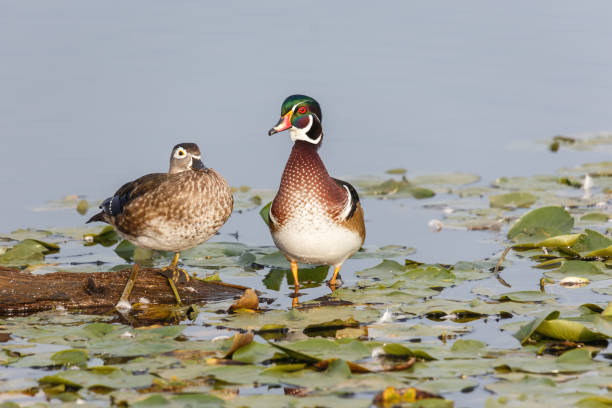
Aspergillosis, commonly referred to as “brooder pneumonia” in poultry, is a significant fungal disease that affects a wide range of bird species, including ducks. This condition is caused primarily by the inhalation of spores from molds of the genus Aspergillus, with Aspergillus fumigatus being the most common causative agent. While ducks are generally hardy birds, their susceptibility to respiratory challenges makes them particularly vulnerable to this disease, especially during the early stages of life. Aspergillosis is not contagious from bird to bird but results from exposure to contaminated environments, particularly damp and poorly ventilated brooding areas. Its impact on duck production—especially in commercial farms and backyard flocks—can be substantial, leading to high mortality rates, stunted growth, and significant economic losses if not properly managed.
This comprehensive guide explores every facet of aspergillosis in ducks, including its causes, clinical signs, breeds at risk, the life stages affected, diagnosis, treatment protocols, prognosis, complications, prevention strategies, nutritional support, and potential zoonotic risks. With nearly 3,500 words of in-depth analysis, this article aims to serve as an authoritative resource for duck farmers, veterinarians, avian health researchers, and poultry enthusiasts.
Causes of Aspergillosis in Ducks
Aspergillosis is primarily caused by the inhalation of fungal spores from the genus Aspergillus, a ubiquitous mold found in organic matter such as decaying vegetation, compost, moldy litter, hay, straw, feed, and bedding materials. These spores become airborne and are inhaled by ducks, especially during ventilation of contaminated environments like farms, hatcheries, and brooder houses.
While several Aspergillus species can cause infection—including A. fumigatus, A. flavus, A. niger, and A. terreus—A. fumigatus is responsible for the majority of cases due to its small spore size (2–3 µm), which allows it to reach the deepest parts of the avian respiratory system. Once inhaled, these spores can germinate in the lungs and air sacs, forming fungal hyphae that invade tissue and cause inflammation, necrosis, and granuloma formation.
The disease is not transmitted directly from duck to duck, making it non-contagious, but environmental contamination is a major risk factor. High humidity, poor ventilation, overcrowding, and the accumulation of organic waste (such as wet bedding or spilled feed) create ideal conditions for fungal growth. Additionally, prolonged use of the same bedding or failure to clean brooding areas regularly increases the likelihood of spore accumulation.
Young ducklings are most at risk, particularly during the first few weeks of life. Stress factors such as temperature fluctuations, poor nutrition, concurrent infections, or viral diseases can compromise the immune system and make ducks more susceptible. Hatchery-related contamination is also a common source, where spores can infect ducklings even before hatching if the incubation environment is not properly sanitized.
It is important to note that both acute and chronic forms of aspergillosis exist. The acute form often results in sudden death, especially in young birds, while the chronic form develops over time and presents with more subtle clinical signs.
Signs and Symptoms of Aspergillosis in Ducks
The clinical signs of aspergillosis in ducks vary depending on the form of the disease—acute or chronic—and the extent of infection in the respiratory system. Ducklings, especially those under 4 weeks old, are most commonly affected and often show severe symptoms due to their immature immune systems.
In acute aspergillosis, signs appear suddenly and progress rapidly. Affected ducklings may exhibit open-mouth breathing, gasping, wheezing, or labored respiration. They may appear lethargic, huddle together, and show reduced activity. Rapid breathing (tachypnea) and cyanosis (blue discoloration of the beak or feet due to lack of oxygen) are common. In severe cases, ducklings may die suddenly without showing any prolonged symptoms. Mortality rates during an outbreak can reach 100% if the environment remains contaminated.
Chronic aspergillosis develops over days to weeks and presents with more subtle but persistent signs. Ducklings or adult ducks may display weight loss, poor growth, ruffled feathers, and weakness. They may have difficulty flying or moving normally due to respiratory distress. Anorexia (loss of appetite) is frequent, leading to malnutrition. Some ducks make audible clicking or rattling noises when breathing, indicating airway obstruction due to fungal masses in the lungs or air sacs.
Neurological signs, though rare, can occur if the fungal infection spreads beyond the respiratory system or if there is secondary septicemia. These may include head tilting, circling, or loss of coordination.
Other symptoms include increased thirst, decreased egg production in laying ducks, and incoordination. Post-mortem examination often reveals granulomatous lesions, fungal plaques, and nodules in the lungs and air sacs. The trachea may appear inflamed and contain mucus or fungal debris.
It’s important to differentiate aspergillosis from other respiratory diseases such as pasteurellosis, mycoplasmosis, or avian influenza, as symptoms can overlap. However, the absence of fever and lack of contagious spread help distinguish fungal aspergillosis from bacterial or viral infections.
Duck Breats at Risk (with Paragraph Explanation)
While all duck breeds can potentially contract aspergillosis, certain breeds show higher vulnerability due to genetic predispositions, rearing conditions, or management practices. Breeds such as the Pekin duck, Rouen, Muscovy, Khaki Campbell, and Indian Runner are frequently reported in aspergillosis cases, especially in commercial and backyard farming settings.
The Pekin duck is particularly at risk due to its widespread use in commercial meat production. Pekins are often raised in high-density environments, making them more prone to environmental contamination. The fast growth rate of Pekins requires intensive feeding and management, and any lapses in hygiene or ventilation can quickly lead to fungal outbreaks. Additionally, their high metabolic rate and respiratory demands increase susceptibility to respiratory pathogens when the environment is compromised.
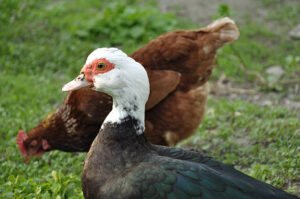
Muscovy ducks, though more disease-resistant than other ducks, are still vulnerable, especially in tropical and humid regions where Aspergillus spores thrive. Their larger body size and deeper respiratory system may allow spores to settle more deeply in the lungs, increasing the risk of chronic infection. Muscovies are also commonly raised in free-range systems where they may encounter moldy vegetation or compost heaps.
Rouen ducks, being large and closely related to Mallards, often require more space and are kept in outdoor ponds. However, stagnant water and wet bedding can promote fungal growth, especially if housing areas are not regularly maintained. Khaki Campbells and Indian Runners, bred primarily for egg production, are managed in layers’ facilities where poor air circulation and accumulated droppings can create ideal conditions for mold proliferation.
Breeds raised in hatcheries or confined brooder setups face the highest risk. Hatchery-transmitted aspergillosis occurs when incubators or hatching eggs are contaminated with fungal spores. Due to their immature immune systems, young ducklings of all breeds are at heightened risk, regardless of breed.
Therefore, while all duck breeds are susceptible, intensive management systems—commonly used for Pekins, Khaki Campbells, and Runners—exacerbate risk due to environmental factors. Proper hygiene and ventilation are critical regardless of breed selection.
Life Stages Affected
Aspergillosis predominantly affects ducks during the early life stages, particularly from hatching up to 4 weeks of age. Ducklings are highly vulnerable due to their underdeveloped immune systems and high respiratory rate, which increases their exposure to airborne spores. The disease can even affect embryos if fungal spores penetrate the eggshell during incubation, leading to death before hatching or weak hatchlings that succumb shortly after.
The perinatal and neonatal stages (0–14 days) are the most critical periods. During this time, ducklings are adapting to external environments, and any stress—such as cold temperatures, poor nutrition, or overcrowding—can suppress immune function and increase susceptibility. Brooder pneumonia is most commonly seen in this age group, hence the name.
However, older ducks are not immune. While less common, chronic aspergillosis can develop in juvenile and adult ducks, especially those with underlying health conditions, nutritional deficiencies, or living in chronically damp or moldy housing. Adult ducks with compromised immunity—due to concurrent infections, long-term stress, or poor management—are also at risk.
Laying ducks may show decreased productivity, and breeding drakes might exhibit reduced fertility due to systemic illness. In aging ducks, aspergillosis may present as a prolonged respiratory illness with gradual weight loss and weakness.
Thus, while the disease is most prevalent and fatal in ducklings, all life stages can be affected under the right environmental and physiological conditions.
Diagnosis of Aspergillosis in Ducks
Diagnosing aspergillosis in ducks requires a combination of clinical signs, history, post-mortem examination, and laboratory testing. Early and accurate diagnosis is essential for effective management and prevention of outbreaks.
- Clinical Examination: Veterinarians assess respiratory distress, abnormal breathing patterns, lethargy, and weight loss. Auscultation (listening with a stethoscope) may reveal abnormal lung sounds, such as crackles or wheezes.
- History and Environmental Assessment: A detailed history of housing conditions, ventilation, bedding material, temperature, and recent flock mortality is crucial. Recent use of antibiotics, moldy feed, or poor hygiene practices may point toward aspergillosis.
- Radiography (X-rays): In live birds, radiographs may show opacities or nodules in the lungs and air sacs, indicating fungal masses or granulomas. While not always accessible in small farms, this tool helps confirm pulmonary involvement.
- Endoscopy: In some cases, a bronchoscope can be used to visualize fungal plaques in the trachea or air sacs. This method allows for direct sampling and reduces the need for euthanasia.
- Post-Mortem Examination (Necropsy): This is often the most definitive diagnostic step. Characteristic findings include yellowish-white nodular lesions in the lungs, air sacs, and sometimes the heart or liver. Fungal plaques resembling cottage cheese may be present. Microscopic examination of tissue samples confirms the presence of fungal hyphae.
- Laboratory Tests:
- Fungal Culture: Samples from respiratory tissues or air sacs are cultured to isolate and identify Aspergillus species. However, Aspergillus is a common environmental contaminant, so positive culture must be interpreted alongside clinical signs.
- Histopathology: Tissue sections stained with special dyes (e.g., Gomori methenamine silver) highlight fungal structures within lesions.
- Serological Tests: Antibody detection (ELISA) or antigen testing (galactomannan assay) may be used but are less common in avian medicine due to limited availability.
- PCR Testing: Molecular methods can identify Aspergillus DNA in tissue samples, offering high specificity and sensitivity.
Due to the non-contagious nature of the disease, diagnosis must differentiate aspergillosis from other respiratory illnesses. Bacterial cultures and viral screening (e.g., for duck plague or avian influenza) are often necessary to rule out concurrent or misdiagnosed conditions.
Treatment of Aspergillosis in Ducks
Treating aspergillosis in ducks is challenging, especially in advanced cases, due to the invasive nature of the fungal infection and the limited availability of avian-approved antifungal drugs. Success depends on early detection, proper medication, supportive care, and environmental correction.
- Antifungal Medications:
- Amphotericin B: Often used in severe cases, administered via nebulization or intratracheal instillation. It is effective but can be nephrotoxic (kidney-damaging) and is expensive.
- Itraconazole: An oral antifungal drug commonly used in birds. It has good tissue penetration and is generally well-tolerated. Dosage must be carefully calculated based on body weight.
- Voriconazole: A newer antifungal with high efficacy against Aspergillus, especially in resistant cases. It is effective via oral or intravenous routes but is costly and not always available for poultry use.
- Fluconazole: Less effective against Aspergillus compared to other antifungals, but sometimes used in mild cases.
- Nebulization Therapy: Direct delivery of antifungal agents (e.g., amphotericin B or clotrimazole) into the respiratory tract via nebulizers helps target lung and air sac lesions. This method improves drug delivery and reduces systemic side effects.
- Supportive Care:
- Oxygen Therapy: For severely dyspneic (labored breathing) ducks, supplemental oxygen in an oxygen chamber can be life-saving.
- Fluid Therapy: Subcutaneous or intravenous fluids prevent dehydration, especially in anorexic ducks.
- Nutritional Support: Force-feeding or tube-feeding may be necessary to maintain body condition and support immune function.
- Isolation: Affected ducks should be isolated to prevent stress on the flock and allow focused treatment.
- Environmental Correction: While treating individual ducks, it is critical to address the root cause—contaminated environment. Remove and replace all bedding, clean feeders and waterers, and disinfect housing.
Despite aggressive treatment, the prognosis for acute aspergillosis is often poor, especially in young ducklings. Chronic cases may respond better if caught early. Treatment duration typically ranges from 2 to 6 weeks, and follow-up monitoring is essential.
It is important to note that many antifungal drugs used in birds are not approved for food-producing animals, so withdrawal periods must be observed in ducks raised for meat or eggs to prevent drug residues.
Prognosis and Complications
The prognosis for ducks with aspergillosis varies significantly based on the form of the disease, stage at diagnosis, age of the bird, and effectiveness of treatment.
- Acute Aspergillosis: Generally carries a very poor prognosis. Ducklings often die within 24–72 hours of symptom onset due to severe respiratory failure. Mortality can reach 80–100% in unmanaged outbreaks.
- Chronic Aspergillosis: The prognosis is guarded to fair if diagnosed early and treated aggressively. Some ducks may recover fully, while others show residual respiratory issues or reduced productivity.
Complications associated with aspergillosis include:
- Respiratory Failure: Progressive damage to lungs and air sacs impairs gas exchange, leading to hypoxia and death.
- Secondary Infections: Damaged respiratory tissue is more prone to bacterial invasion (e.g., E. coli, Pasteurella), leading to pneumonia or septicemia.
- Systemic Spread: In immunocompromised ducks, Aspergillus can disseminate to organs such as the brain, liver, and kidneys, causing multi-organ failure.
- Growth Retardation: Survivors may exhibit stunted growth, poor feathering, and reduced egg production.
- Culling and Economic Loss: High mortality and treatment costs lead to financial losses, especially in commercial operations.
- Recurrent Infections: If the environment remains contaminated, reinfection is likely, leading to recurrent disease cycles.
Long-term survivors may have permanent lung damage, reducing athletic performance and overall fitness, especially in breeding or show birds.
Prevention of Aspergillosis in Ducks
Prevention is the most effective strategy against aspergillosis, as treatment is often expensive and unsuccessful. Key preventive measures focus on environmental hygiene, proper management, and biosecurity.
- Hatchery and Incubator Hygiene:
- Regularly clean and disinfect incubators with antifungal agents.
- Use clean, mold-free hatching eggs.
- Avoid washing eggs with water, as moisture promotes fungal growth.
- Brooder Management:
- Provide clean, dry, and absorbent bedding (e.g., paper towels for first week, then clean straw or wood shavings).
- Change bedding daily or whenever soiled.
- Maintain proper temperature and avoid cold drafts.
- Ensure adequate ventilation without creating chilling winds.
- Housing and Ventilation:
- Keep duck coops dry and well-ventilated.
- Remove droppings regularly to reduce moisture.
- Avoid overcrowding, which increases humidity and stress.
- Use fans or exhaust systems to circulate air in enclosed spaces.
- Feed and Water Management:
- Store feed in dry, cool, and rodent-proof containers.
- Discard moldy or damp feed immediately.
- Clean feeders and waterers daily to prevent biofilm and mold buildup.
- Stress Reduction:
- Minimize handling, transportation, and sudden environmental changes.
- Vaccinate against common diseases to reduce immunosuppression.
- Provide balanced nutrition (see section below).
- Quarantine New Birds: Isolate newly acquired ducks for at least 2–4 weeks to monitor for illness.
- Regular Monitoring and Surveillance:
- Watch for early signs of respiratory distress.
- Perform necropsies on sudden deaths to identify cause.
- Conduct routine environmental swabs to test for Aspergillus in high-risk settings.
- Use of Probiotics and Immune Boosters: Some farmers use probiotics in drinking water to enhance gut health and immunity, potentially reducing susceptibility.
- Disinfection Protocols: Use antifungal disinfectants (e.g., chlorine dioxide, iodine-based solutions, or commercial avian disinfectants) during deep cleaning.
By implementing strict biosecurity and hygiene protocols, duck producers can significantly reduce the incidence of aspergillosis.
Diet and Nutrition for Ducks to Prevent and Support Recovery from Aspergillosis
Nutrition plays a critical role in both preventing aspergillosis and supporting recovery in infected ducks. A well-balanced diet strengthens the immune system, improves respiratory health, and enhances overall resilience to disease.
- Starter Feed (0–3 weeks): Ducklings require high-protein feed (18–22% protein) to support rapid growth. Use medicated starter feed only if recommended and ensure it does not contain ingredients prone to mold. Avoid feeds with high levels of corn, which is susceptible to Aspergillus contamination and aflatoxin production.
- Grower and Finisher Feed (3–8 weeks and beyond): Gradually transition to lower-protein diets (15–16%) for growing ducks. Include essential amino acids like lysine and methionine for tissue repair.
- Layer Feed (for egg-laying ducks): Provide 16–18% protein with added calcium (3–4%) for strong eggshells. Calcium deficiency can lead to metabolic stress and reduced immunity.
- Vitamins and Minerals:
- Vitamin A: Essential for healthy mucous membranes in the respiratory tract; deficiency increases susceptibility to infections.
- Vitamin E and Selenium: Act as antioxidants, protecting cells from damage and supporting immune function.
- Vitamin D: Important for calcium metabolism and bone health, especially in growing ducklings.
- Zinc and Copper: Involved in enzyme systems and immune response.
- Clean Water: Fresh, clean water is vital. Ducks consume large amounts of water, and contaminated water sources can harbor fungi and bacteria. Add vitamin-electrolyte solutions during stress or illness to improve hydration and recovery.
- Supplements:
- Probiotics: Improve gut microbiota, indirectly boosting immunity.
- Prebiotics (e.g., inulin): Support beneficial gut bacteria.
- Garlic and Apple Cider Vinegar: Some evidence suggests these natural additives improve immune function and respiratory health, though research in waterfowl is limited.
- Avoid Moldy Feed: Mold-contaminated grains (especially corn and peanuts) can carry not only Aspergillus spores but also mycotoxins like aflatoxin, which suppress the immune system and damage the liver—further increasing vulnerability to infection.
During recovery, ducks should be offered palatable, nutrient-dense foods. Soft feeds or mash may be easier for dyspneic birds to consume. Nutritional support is especially vital during antifungal treatment, as these drugs can be taxing on the liver and kidneys.
Zoonotic Risk of Aspergillosis in Ducks
Aspergillosis is considered a zoonotic disease, meaning it can potentially be transmitted from animals to humans, although direct transmission from ducks to humans is rare. The primary risk lies in inhalation of Aspergillus spores from contaminated environments, not from direct contact with infected birds.
Humans with compromised immune systems—such as those with HIV/AIDS, cancer, organ transplants, or chronic lung diseases (e.g., asthma, COPD)—are at higher risk of developing aspergillosis, particularly invasive pulmonary aspergillosis or allergic bronchopulmonary aspergillosis (ABPA).
Farmers, veterinarians, and poultry workers who frequently handle bedding, clean brooders, or work in moldy enclosures may inhale large quantities of spores. Symptoms in humans include cough, wheezing, fever, chest pain, and in severe cases, hemoptysis (coughing up blood).
To minimize zoonotic risk:
- Wear N95 masks or respirators when cleaning contaminated areas.
- Use gloves and protective clothing.
- Ensure good ventilation in working areas.
- Avoid working in dusty, moldy environments.
- Practice hand hygiene after handling birds or equipment.
While healthy individuals are unlikely to contract the disease, prolonged exposure to high spore counts should be avoided. Proper farm hygiene protects both ducks and humans.
Conclusion
Aspergillosis, or brooder pneumonia, remains a serious health concern for ducks across all production systems. Caused by Aspergillus spores present in damp, poorly ventilated environments, the disease is particularly deadly in young ducklings but can also affect older birds under stressful conditions. Clinical signs range from acute respiratory failure to chronic weight loss and poor performance.
Diagnosis requires a combination of clinical observation, post-mortem examination, and laboratory testing. Treatment, though available, is often challenging and expensive, with a guarded prognosis in severe cases. Prevention through strict hygiene, proper ventilation, mold-free feed, and biosecurity is paramount.
Nutritional support strengthens immunity and aids recovery. Lastly, while zoonotic transmission is rare, human health risks exist, particularly for immunocompromised individuals exposed to high spore loads.
By understanding the causes, signs, treatment options, and preventive strategies for aspergillosis, duck keepers can safeguard their flocks, improve productivity, and reduce economic losses. Vigilance, education, and proactive management are key to controlling this insidious fungal disease.
#AspergillosisInDucks, #BrooderPneumonia, #DuckHealth, #DuckFarming, #PoultryDiseases, #DuckCare, #BackyardDucks, #Ducklings, #AvianHealth, #FungalInfection, #DuckRespiratory, #DuckVeterinarian, #PekinDucks, #MuscovyDucks, #DuckHatchery, #FarmBiosecurity, #PreventAspergillosis, #DuckNutrition, #ZoonoticDisease, #DuckHygiene, #CleanBedding, #DuckCoop, #DuckVentilation, #DuckTreatment, #AnimalHealth, #PoultryFarm, #DuckOwners, #DuckLovers, #DuckRaising, #DuckTips, #FarmLife, #SustainableFarming, #OrganicDucks, #HealthyDucks, #DuckDiseasePrevention, #VetAdvice, #PoultryScience, #DuckManagement, #RespiratoryDisease, #DuckSymptoms, #DuckRecovery




Add comment