
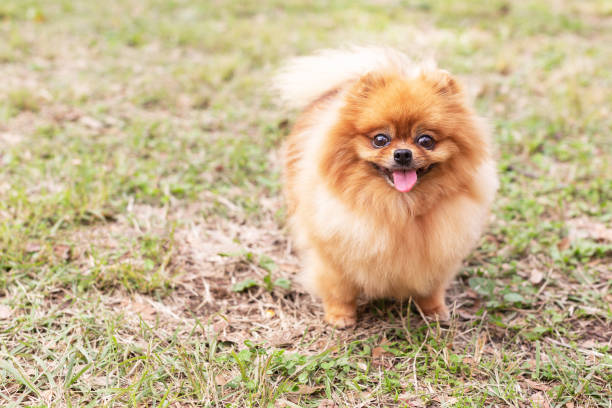
Attrition, commonly referred to as “worn teeth,” is the progressive loss of tooth structure caused primarily by mechanical wear. In dogs, the condition can range from mild flattening of the incisal edges to severe exposure of the dentin and even pulp chambers. While a certain degree of wear is normal as a dog ages, excessive attrition can compromise chewing efficiency, cause chronic pain, predispose to secondary dental disease, and ultimately affect overall health and quality of life.
Understanding attrition requires a multi‑disciplinary view that blends dental anatomy, nutrition, behavior, genetics, and veterinary medicine. This guide consolidates current knowledge into a single, exhaustive resource for veterinarians, veterinary technicians, dog owners, breeders, and anyone interested in canine oral health.
2. Dental Anatomy Refresher (Why Wear Happens)
| Structure | Description | Relevance to Attrition |
|---|---|---|
| Incisors (I1–I3) | Small, chisel‑shaped teeth at the front of the mouth, used for nibbling and grooming. | Their thin enamel crowns make them vulnerable to edge‑to‑edge wear when dogs chew hard objects. |
| Canines (C) | Long, pointed “fangs” that tear meat. | High forces during chewing can cause cusp flattening. |
| Premolars (P1–P4) & Molars (M1–M2) | Broad, occlusal surfaces for grinding. | Primary sites of attrition because they bear the brunt of mastication. |
| Enamel | Hard, highly mineralized outer layer. | Once eroded, it cannot regenerate; loss exposes underlying dentin. |
| Dentin | Softer, less mineralized tissue beneath enamel. | When exposed, it transmits stimuli, creating hypersensitivity. |
| Pulp | Vascular and neural core. | Deep attrition can breach the pulp, leading to pulpitis or necrosis. |
| Periodontium (gingiva, cementum, periodontal ligament, alveolar bone) | Supports and protects the tooth. | Excessive wear can alter occlusal forces, predisposing to periodontal disease. |
3. Causes of Attrition
3.1 Primary (Mechanical) Causes
| Cause | Mechanism | Breeds/Populations Most Affected |
|---|---|---|
| Hard Chew Toys / Bones | Repetitive grinding against high‑density material removes enamel. | Large‑mouth, high‑energy breeds (e.g., Labrador Retriever, German Shepherd). |
| Rawhide and Antler Chews | Abrasive surfaces cause focal wear, especially if the dog bites repeatedly in the same spot. | Working dogs and those with “chew‑addiction.” |
| Dental Malocclusion | Misaligned bite (overbite, underbite, cross‑bite) creates abnormal contact points that accelerate wear. | Brachycephalic breeds (e.g., Pugs, French Bulldogs) often have crowding and malocclusion. |
| Excessive Gnawing on Hard Objects | E.g., chewing on concrete, rocks, metal bowls, or car doors. | Outdoor and farm dogs, stray dogs, or dogs with anxiety‑related compulsive chewing. |
| Improper Dental Restorations | Over‑contoured crowns or prosthetics alter occlusion, leading to accelerated wear of opposing teeth. | Dogs that have undergone extensive dental work. |
3.2 Secondary (Physiological & Pathological) Causes
| Cause | Pathophysiology | Comments |
|---|---|---|
| Acidic Diets | Frequent ingestion of highly acidic foods/drinks (e.g., citrus treats, vinegar‑based diets) softens enamel, making it easier to wear away. | Not a primary factor but accelerates mechanical attrition. |
| Dental Disease | Periodontitis leads to loss of supporting bone, altering tooth position and creating abnormal occlusion. | Often a chicken‑egg problem: attrition may predispose to periodontitis and vice‑versa. |
| Systemic Disorders | Hyperparathyroidism, renal disease, or vitamin D imbalances affect mineralization, rendering enamel brittle. | Rare, but should be ruled out in atypical cases. |
| Age‑Related Tooth Wear | Normal cumulative wear over years; however, when excessive, it indicates an underlying problem. | Seen in senior dogs (>8 years). |
| Congenital Enamel Defects | Enamel hypoplasia or amelogenesis imperfecta results in thin or absent enamel, predisposing to rapid attrition. | Frequently documented in breeds with intense selective breeding (e.g., English Bulldog). |
4. Signs & Symptoms
| Category | Clinical Manifestation | How to Detect |
|---|---|---|
| Visible Tooth Changes | Flattened incisal edges, shortened crowns, exposed dentin (yellowish), black or gray discoloration. | Visual oral exam; use a flashlight and dental probe. |
| Pain & Sensitivity | Reluctance to chew, dropping food, favoring one side, yelping when teeth are touched. | Observe eating behavior; palpate gums gently. |
| Behavioral Indicators | Increased drooling, pawing at the mouth, refusing hard kibble. | Owner reports, video monitoring. |
| Secondary Dental Disease | Gingivitis, periodontal pockets, calculus accumulation (more apparent on worn surfaces). | Periodontal probing and radiographs. |
| Systemic Effects | Weight loss (due to reduced intake), malnutrition, chronic inflammation markers (elevated CRP). | CBC, chemistry panel. |
| Complications | Pulp exposure → pulpitis → periapical abscess → systemic infection (sepsis). | Radiographs, pulp vitality testing. |
Tip for owners: Regularly inspect the dog’s teeth at least once a week. Even subtle changes such as a faint “flattened” edge on a premolar can be the first clue of developing attrition.
5. Dog Breeds at Risk (Paragraph Explanation)
Certain breeds possess anatomical, genetic, or lifestyle predispositions that make them more vulnerable to dental attrition. Brachycephalic breeds—including Pugs, French Bulldogs, and Boston Terriers—have shortened skulls, crowded dentition, and often present with malocclusions that create abnormal bite contacts. Large‑mouth working breeds such as Labrador Retrievers, German Shepherds, and Golden Retrievers typically chew vigorously on hard objects (sticks, bones, toys) and may be given high‑protein raw diets that include raw bones, all of which increase mechanical stress on the occlusal surfaces. Toy and small breeds (e.g., Chihuahuas, Dachshunds) are prone to enamel hypoplasia due to selective breeding, leading to thinner enamel caps that wear away more quickly. Breeds with known hereditary enamel defects, like the English Bulldog and the American Bulldog, often exhibit enamel hypomineralization, making their teeth fragile from the start. Finally, working or performance dogs (e.g., Border Collies, Australian Shepherds) that are frequently fed tough kibble or raw meat may develop attrition faster simply because of the volume and frequency of mastication. Recognizing breed‑related risk factors helps veterinarians tailor preventive advice and early‑screening protocols.
6. Age‑Related Susceptibility
| Life Stage | Typical Attrition Pattern | Clinical Relevance |
|---|---|---|
| Puppy (≤ 6 months) | Rare; usually linked to congenital enamel defects or early malocclusion. | Early detection allows orthodontic or restorative intervention before permanent damage. |
| Juvenile/Young Adult (6 months–3 years) | May develop mild wear if exposed to hard chew items; often reversible with diet/behavior modification. | Good window for owner education; corrective measures highly effective. |
| Adult (3–8 years) | Peak attrition risk when dogs are most active, chewing frequently, and often receive raw or high‑protein diets. | Regular dental exams recommended every 6 months. |
| Senior (> 8 years) | Cumulative wear becomes evident; enamel may be markedly thinned, exposing dentin. Secondary periodontal disease is common. | Management focuses on pain control, restorative dentistry, and diet modification to soft, low‑abrasion foods. |
7. Diagnosis
7.1 Clinical Examination
- Detailed Oral Inspection – Using a speculum, bright light, and a dental explorer, assess each tooth for:
- Flattened or shortened crowns
- Dentin exposure (yellowish hue)
- Cracks or fractures
- Presence of calculus or gingival inflammation
- Periodontal Probing – Measure sulcus depth; pockets > 4 mm may indicate secondary disease.
- Occlusal Evaluation – Observe the bite pattern. Identify premature contacts or malocclusion that could cause focal wear.
7.2 Radiographic Imaging
- Dental Radiographs (Intra‑oral) – Provide insight into root health, alveolar bone support, and any periapical changes suggestive of pulp exposure or abscess formation.
- Full‑mouth Panoramic (if available) – Useful for comprehensive assessment in large dogs.
7.3 Advanced Diagnostics
| Test | Purpose |
|---|---|
| Pulp Vitality Testing (electric pulp tester) | Determines whether the pulp is still alive; essential before restorative procedures. |
| Blood Work (CBC, chemistry) | Rules out systemic conditions affecting mineralization (e.g., renal disease). |
| Saliva pH Measurement | Identifies acidic oral environment that could accelerate enamel erosion. |
| Histopathology (rare) | In cases of suspected congenital enamel defects or unusual lesions. |
7.4 Differential Diagnosis
- Erosive Tooth Wear – Caused by chronic exposure to acidic foods/drinks, leading to enamel loss without mechanical friction.
- Abrasion – Wear from external agents like toothbrushes, grooming brushes, or foreign objects.
- Dental Trauma – Fractures or chip formation may mimic attrition but are usually localized.
- Periodontal Disease – Can cause tooth loss and expose dentin but is primarily a soft‑tissue disease.
8. Treatment
Treatment is tiered based on severity, age, and overall health. The goals are to stop progression, relieve pain, restore function, and prevent secondary complications.
8.1 Conservative Management (Early / Mild Attrition)
| Intervention | Details |
|---|---|
| Dietary Modification | Switch to softer kibble or moistened food; avoid hard raw bones, antlers, and extremely abrasive chew toys. |
| Chew Toy Selection | Provide semi‑soft, veterinary‑approved toys (e.g., rubber “KONG” toys) and rotate toys to prevent repetitive wear on the same teeth. |
| Oral Hygiene | Daily tooth brushing with a canine‑specific, low‑abrasion toothpaste to remove plaque and reduce secondary periodontal disease. |
| Topical Desensitizing Agents | Apply canine‑safe fluoride gels or desensitizing varnishes to exposed dentin to alleviate hypersensitivity. |
| Behavioural Therapy | Address compulsive chewing through enrichment, puzzle feeders, and anxiety‑reduction strategies. |
8.2 Restorative Dentistry (Moderate Attrition)
- Composite Resin Restorations
- Indicated for localized enamel loss where dentin exposure is mild‑to‑moderate.
- Procedure: Etch, bond, place composite layers, polish to occlusal harmony.
- Ceramic or Porcelain Crowns
- Used for severely worn crowns where structural integrity is compromised.
- Requires tooth preparation, impression, and placement of a full‑coverage crown.
- Stainless‑Steel or Nickel‑Titanium “Cap” Restorations
- Economical alternative for large‑breed working dogs.
- Pulp Capping / Partial Pulpectomy
- If dentin exposure has reached the pulp but vitality remains, calcium‑hydroxide or MTA (mineral trioxide aggregate) capping may preserve pulp health.
- Root Canal Therapy (Endodontics)
- Indicated when attrition breaches pulp, causing irreversible pulpitis or necrosis.
- Steps: Access, cleaning/shaping, obturation with gutta‑percha, and restoration.
8.3 Surgical Intervention (Severe / Advanced Attrition)
| Procedure | Indication |
|---|---|
| Extraction | Irreparable teeth, chronic infection, or when restoration is not feasible. |
| Alveolar Bone Grafting | After extraction, to maintain alveolar ridge for future prosthetic placement. |
| Dental Prostheses (Partial Dentures) | Rare, but may be considered for very high‑value working dogs where tooth loss impairs performance. |
| Mandibular/Maxillary Osteotomy | In cases of extreme malocclusion causing attrition; performed by veterinary oral surgeons. |
8.4 Pain Management & Supportive Care
- Analgesics – NSAIDs (e.g., carprofen) or gabapentin for neuropathic pain.
- Anti‑inflammatory diets – Omega‑3 enriched kibble to reduce periodontal inflammation.
- Supplemental Calcium/Vitamin D – Only after ruling out systemic disorders; avoid over‑supplementation.
8.5 Follow‑Up Protocol
| Timeline | Action |
|---|---|
| 1 Week Post‑Treatment | Re‑examine oral cavity, assess pain, check restoration integrity. |
| 1 Month | Full dental cleaning, radiographs if a restoration was placed. |
| Every 6 Months | Comprehensive oral examination, professional cleaning, and prophylactic fluoride application. |
| Annually | Full mouth radiographs and systemic health screening (CBC, chemistry). |
9. Prognosis & Potential Complications
| Severity | Expected Outcome | Common Complications |
|---|---|---|
| Mild (≤ 10 % crown loss) | Excellent; normal function restored with conservative care. | Re‑wear if underlying cause not addressed. |
| Moderate (10‑30 % crown loss) | Good; restorative procedures often successful but may require repeat work. | Secondary pulpitis, marginal leakage of restorations, gingival recession. |
| Severe (> 30 % loss or pulp exposure) | Guarded; may need extractions or extensive prosthetic work. | Chronic infection, mandibular fracture (due to weakened support), systemic sepsis. |
| Advanced (multiple teeth extracted) | Variable; depends on remaining occlusion and nutrition. | Malnutrition, dysphagia, altered bite leading to temporomandibular joint (TMJ) stress. |
Key prognostic factor: Early detection and correction of the underlying cause (malocclusion, inappropriate chewing objects) dramatically improve long‑term outcomes.
10. Prevention
- Routine Dental Checks – At least bi‑annual veterinary examinations with professional cleaning.
- Appropriate Chews – Select toys of suitable hardness; avoid giving raw bones to breeds predisposed to attrition.
- Balanced Diet – Use kibble with appropriate texture; consider adding dental diets that incorporate abrasion‑enhancing fibers (e.g., kibble with added calcium carbonate).
- Oral Hygiene – Daily tooth brushing; use enzymatic dental chews that are non‑abrasive.
- Genetic Screening – For breeds with known enamel defects, breeders should perform dental examinations on breeding stock.
- Behavioral Enrichment – Provide mental stimulation to reduce compulsive chewing.
- Regular Occlusal Assessment – Early orthodontic or corrective procedures (e.g., selective crown reduction) to address malocclusion before wear progresses.
11. Diet & Nutrition
| Nutrient | Role in Dental Health | Dietary Sources (Canine‑Safe) |
|---|---|---|
| Calcium & Phosphorus | Essential for enamel mineralization. | Bone meal (controlled amounts), dairy‑derived supplements, fortified kibble. |
| Vitamin D | Facilitates calcium absorption; deficiency weakens enamel. | Fish oils, egg yolk (small quantities), vitamin D‑fortified foods. |
| Omega‑3 Fatty Acids | Anti‑inflammatory; reduce periodontal inflammation. | Salmon oil, flaxseed oil (in moderated amounts). |
| Zinc | Supports immune function & enamel formation. | Beef liver, zinc‑fortified dental treats. |
| Fiber (Abrasive) | Mildly cleans teeth during mastication; too much can increase wear. | Dental kibble with coarse fibers, carrots (soft when cooked). |
| Low‑pH Foods | High acidity erodes enamel, making teeth more prone to attrition. | Citrus treats, vinegar‑based marinades – avoid or limit. |
Practical Feeding Tips:
- Moisten Hard Kibble for senior dogs to reduce occlusal stress while preserving some abrasive action.
- Rotate Chew Types – Provide a mix of soft (e.g., rubber toys) and moderate‑abrasion (e.g., dental chews) to keep the dentition healthy without over‑wearing.
- Avoid Unsupervised Raw Bones – If a raw diet is chosen, substitute with softened bone broth or pre‑treated, low‑hardness bonelike treats.
12. Zoonotic Risk
Attrition itself is non‑infectious and poses no direct zoonotic threat. However, secondary complications—particularly periodontal infections—can harbor pathogenic bacteria (e.g., Pasteurella, Capnocytophaga, Staphylococcus spp.) that may be transmitted to humans via bite wounds or saliva contact. Good hygiene (hand washing after handling a dog’s mouth, using gloves during dental procedures) mitigates this risk.
Important Note for Immunocompromised Individuals:
If a dog has a severe, untreated dental infection secondary to attrition, the bacterial load in the oral cavity may increase, slightly raising the chance of opportunistic infection following a bite or even through close face‑to‑face contact. Regular dental care thus indirectly protects both canine and human health.
13. Summary Checklist for Dog Owners
- Inspect teeth weekly; look for flattening or discoloration.
- Provide appropriate chew toys; avoid extremely hard objects.
- Feed a balanced diet; limit acidic treats.
- Brush daily using canine‑specific toothpaste.
- Schedule veterinary dental exams every 6 months.
- Address any malocclusion early (consult a veterinary dentist).
- Watch for signs of pain—reluctance to chew, drooling, pawing at mouth.
- Seek professional care promptly if attrition appears rapid or severe.
#DogDentalHealth, #CanineAttrition, #WornTeethInDogs, #VeterinaryDentistry, #DogOwnersGuide, #PetDentalCare, #HealthySmiles, #DogBreedRisks, #DentalPrevention, #DogNutrition, #PetHealthTips, #DogDentalCheck, #DogMouthCare, #PetZoonoses, #DogDentalTreatment, #CanineOralHealth, #DogDentalProblems, #DogDentalPrognosis, #VeterinaryTips, #DogDentalClinic, #ChewToySafety, #DogDentalRestoration, #PetWellbeing, #SeniorDogCare, #PuppyDentalHealth, #DogDentalEducation, #DogDentalAwareness, #DogsAndDentistry, #DogDentalSupport, #DogDentalRecovery





Add comment