
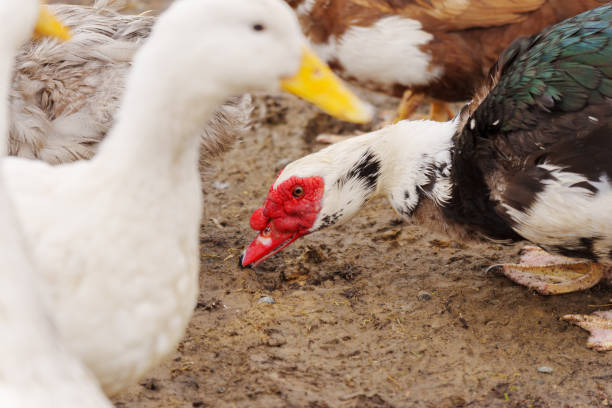
Avian influenza, commonly known as bird flu, is a viral infection caused by orthomyxoviruses of the Influenzavirus A type. These viruses are classified into subtypes based on two surface proteins: hemagglutinin (H) and neuraminidase (N). Ducks serve as natural reservoirs for many avian influenza viruses (AIVs), including low pathogenic avian influenza (LPAI) and high pathogenic avian influenza (HPAI) strains. While ducks often show mild or no symptoms, they can carry and spread the virus to other poultry and wild bird populations, posing significant risks to commercial duck farming, global food security, and public health.
Bird flu outbreaks in ducks can lead to economic losses due to reduced productivity, culling, and trade restrictions. For example, H5N1 HPAI outbreaks have devastated poultry industries worldwide. Additionally, certain strains, such as H5N1 and H7N9, have zoonotic potential, raising concerns about human health. Understanding the causes, symptoms, and preventive measures is critical for mitigating the spread of avian influenza in ducks and protecting both animal and human populations.
Causes of Avian Influenza in Ducks
Avian influenza in ducks is caused by Influenza A viruses with various subtypes, including H5, H7, and H9. The virus resides in the respiratory and gastrointestinal tracts of ducks, where it replicates and is shed in feces and respiratory secretions. Ducks are particularly significant because they can act as “silent carriers” of LPAI, which can mutate into HPAI when transmitted to other bird species, such as chickens.
Key Factors Contributing to Avian Influenza Spread
- Direct Contact: Ducks can contract the virus through contact with infected birds, especially in densely populated farms or migratory habitats.
- Indirect Transmission: Contaminated water, feed, equipment, or clothing can spread the virus. Ducks are often found near waterfowl habitats, increasing their exposure to wild bird carriers.
- Environmental Persistence: Some AIV strains survive in feces for weeks in cold, moist conditions, facilitating long-distance transmission.
- Stressors: Poor biosecurity, overcrowding, and stress weaken ducks’ immune systems, making them more susceptible to infection.
- Migratory Birds: Wild waterfowl, including ducks, act as reservoirs and transport the virus across regions during migrations.
Signs and Symptoms in Ducks
Ducks infected with avian influenza often exhibit mild symptoms, but severity depends on the strain.
Clinical Signs
- Respiratory Symptoms: Sneezing, coughing, nasal discharge, and difficulty breathing.
- Gastrointestinal Issues: Diarrhea (often green or white), decreased feed intake, and weight loss.
- Neurological Symptoms: Tremors, head twisting, or incoordination (common in HPAI cases).
- Reproductive Effects: Decreased egg production, misshapen or soft-shelled eggs.
- Systemic Symptoms: Lethargy, ruffled feathers, and reduced activity.
Subclinical Signs
- Sudden increases in duck mortality without obvious signs (common in HPAI outbreaks).
- Chronic infection in ducks, which may appear healthy but shed the virus.
Duck Breeds at Risk
Certain duck breeds are more susceptible to avian influenza due to their anatomy, behavior, and farming practices.
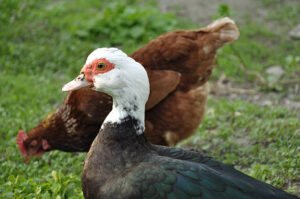
1. Muscovy Ducks
Muscovies are semi-heavy waterfowl with a robust immune system but are prone to HPAI due to their frequent outdoor exposure. Their open nostrils increase the risk of respiratory virus entry.
2. Pekin Ducks
Popular in commercial farming, Pekins are highly sensitive to HPAI. Their compact body structure and flocking behavior in large farms facilitate rapid virus spread. For example, outbreaks in 2014-2015 in the U.S. decimated Peking duck populations.
3. Khaki Campbell Ducks
These high-egg-producing ducks are vulnerable to LPAI, which can lead to egg production drops of 30-50%. Their active foraging behavior increases contact with contaminated environments.
4. Indian Runner Ducks
Known for their upright posture and outdoor activity, Indian Runners are at risk due to their exposure to wild waterfowl and wetland habitats.
5. Call Ducks
Small in size, call ducks have weaker immune systems and are often reared in backyard flocks with poor biosecurity, increasing their susceptibility.
Lifestage Affected by Avian Influenza
All duck lifestages are vulnerable, but severity varies.
1. Ducklings
- Most susceptible to LPAI due to underdeveloped immune systems.
- May show stunted growth, dehydration, and sudden death from septicemia.
2. Juvenile Ducks
- Experience increased respiratory and gastrointestinal symptoms as they mature.
- Outbreaks during this stage often lead to higher mortality in commercial flocks.
3. Adult Ducks
- Generally more resistant to LPAI but can suffer severe HPAI, which causes neurological signs and reproductive failure.
- Brood hens may abandon nests due to illness.
4. Breeding Ducks
- HPAI can lead to infertility, embryo death in eggs, and lower hatchability.
Diagnosis of Avian Influenza in Ducks
Accurate diagnosis is critical for controlling outbreaks.
Diagnostic Methods
- Viral Isolation: Culting the virus in embryonated chicken eggs or cell cultures.
- Polymerase Chain Reaction (PCR): Detects viral RNA in tracheal or cloacal swabs. Real-time RT-PCR is rapid and sensitive.
- Fluorescent Antibody Tests: Rapid field tests using labeled antibodies to identify viral antigens.
- Serology: Blood tests to detect antibodies in recovered or vaccinated ducks.
Role of Veterinary Expertise
Vets perform necropsies to observe lesions (e.g., hemorrhages in the trachea, lungs, or heart) and coordinate lab testing.
Treatment and Management
There is no FDA-approved treatment for avian influenza in ducks.
Supportive Care
- Provide electrolytes, warmth, and clean water.
- Use antidiarrheal agents like kaolin-pectin to manage GI symptoms.
Biosecurity and Culling
- Isolate infected flocks and implement strict hygiene protocols.
- In HPAI outbreaks, culling is often mandated to prevent spread.
Antiviral Drugs
- Human antivirals like oseltamivir (Tamiflu) are being studied but not approved for ducks due to efficacy and safety concerns.
Prognosis and Complications
The outcome depends on the strain and flock management.
- HPAI: Mortality rates of 50-100% in unvaccinated flocks. Survivors may take 2-3 weeks to recover but may carry the virus for days.
- LPAI: Lower mortality (5-20%) but prolonged recovery with residual immune suppression.
- Complications: Secondary bacterial infections (e.g., E. coli), respiratory distress, and egg production loss in layer ducks.
Prevention and Control Measures
Preventing avian influenza in ducks requires multifaceted strategies.
1. Vaccination
- Inactivated vaccines for specific strains (e.g., H5N3 LPAI) are used in some countries but require booster doses.
- Live attenuated vaccines are experimental in ducks.
2. Biosecurity
- Restrict bird movement between farms.
- Disinfect equipment, footwear, and vehicles using quaternary ammonium compounds.
- Implement “all-in, all-out” cleaning for housing units.
3. Surveillance and Monitoring
- Regular testing of flocks for early detection.
- Reporting outbreaks to national veterinary authorities for containment.
4. Environmental Management
- Rotate pastures to avoid contaminated feces accumulation.
- Secure feed and water sources from potential contamination.
5. Education and Training
- Train farmers on identifying symptoms and reporting protocols.
- Promote the use of personal protective equipment (PPE) during outbreaks.
Diet and Nutrition for Immune Support
Nutrition plays a vital role in preventing avian influenza in ducks.
Key Nutrients
- Vitamin A: Supports mucosal immunity. Found in fish meal or synthetic supplements.
- Vitamin D3: Enhances calcium absorption and immune function.
- Vitamin E + Selenium: Acts as antioxidants to reduce oxidative stress.
- Probiotics: Improve gut health and reduce pathogen adherence.
Feed Formulation Tips
- Use oregano oil as a natural antimicrobial in feed.
- Ensure clean water access to prevent secondary infections.
Avoiding Poor Nutrition
- Undernourished ducks are more prone to LPAI. Avoid moldy feed or over-reliance on low-quality grains.
Zoonotic Risk: Protecting Human Health
While avian influenza is not typically transmissible to humans via ducks, certain strains pose risks.
High-Risk Strains
- H5N1: Can cause severe pneumonia in humans.
- H7N9: Transmitted through contact with live poultry markets.
Prevention for Humans
- PPE: Farmers should wear gloves, masks, and disposable gowns during outbreaks.
- Hand Hygiene: Wash hands thoroughly after handling ducks or cleaning coops.
- Avoid Close Contact: Refrain from kissing or sleeping near infected ducks.
Surveillance and Public Awareness
- Governments monitor avian flu in duck populations to prevent spillover to humans.
- Educating the public to avoid consuming uncooked duck meat or viscera.
#BirdFluOutbreak, #DuckHealth, #AvianInfluenzaPrevention, #DuckFarmingTips, #PoultryHealth, #BirdFluVaccine, #DuckBreedsAtRisk, #ZoonoticDiseases #BirdFluAwareness, #DuckCare, #AvianFluSymptoms, #DuckFarmSafety, #HealthyDucks, #BirdFluControl, #DuckNutrition, #PoultryBiosecurity #AvianInfluenzaExplained, #DuckViralDisease, #BirdFluCure, #DuckMedicine, #PoultryVetTips, #BirdFluTreatment, #DuckHealthVideos

Add comment