
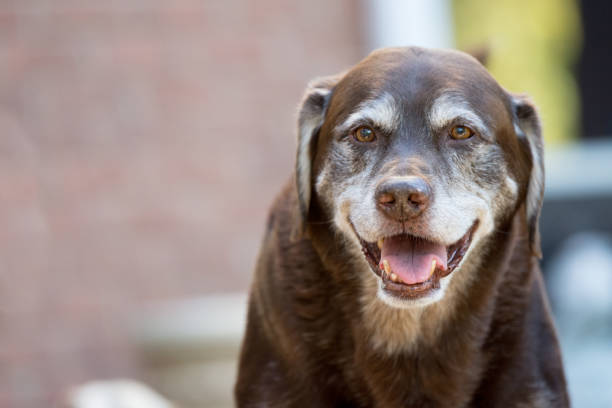
It’s wonderful that you’re being so proactive about your dog’s health, especially when it comes to kidney issues. Dehydration can be particularly dangerous for dogs with compromised kidney function, as their kidneys already struggle to regulate fluid balance. This guide will provide comprehensive and elaborate tips to help you keep your furry friend hydrated and comfortable.
Avoiding Dehydration: Activity Tips for Dogs with Kidney Issues
Kidney disease in dogs often impairs their ability to concentrate urine, leading to increased water loss. This means they need more fluids than a healthy dog, and it’s crucial to ensure they are getting enough, especially when they are more active.
Understanding the Risks: Why Hydration is Paramount for Kidney Patients
- Impaired Water Regulation: Diseased kidneys are less efficient at conserving water. This means more water is lost through urine, even when the dog’s body needs it.
- Toxin Buildup: Water is essential for flushing toxins out of the body. When a dog is dehydrated, toxins can accumulate in their system, further stressing the kidneys.
- Electrolyte Imbalances: Dehydration can disrupt the delicate balance of electrolytes (like sodium, potassium, and chloride) that are vital for bodily functions.
- Increased Workload on Kidneys: The kidneys have to work harder to try and compensate for fluid loss, which can exacerbate the damage.
- Vicious Cycle: Dehydration can worsen kidney disease, and kidney disease can lead to dehydration. Breaking this cycle is key.
Strategic Activity Planning for Hydrated Kidney Dogs
The goal isn’t to stop your dog from enjoying life and physical activity, but to manage it intelligently to support their hydration levels.
1. Timing is Everything: When to Exercise
- Cooler Parts of the Day: Plan walks and playtime during the coolest parts of the day, usually early morning and late evening, especially during warmer months. Avoid strenuous activity during the hottest midday hours.
- Post-Meal Hydration: Ensure your dog has had ample opportunity to drink before and after any significant physical exertion.
- Listen to Your Dog: Pay close attention to your dog’s cues. If they seem tired, panting excessively, or less enthusiastic than usual, it’s time to cut back or stop.
2. Duration and Intensity: Tailoring the Activity
- Shorter, More Frequent Outings: Instead of one long, exhaustive walk, opt for several shorter, gentler walks throughout the day. This allows for more opportunities to drink and reduces the risk of overexertion.
- Low-Impact Activities: Consider activities that are less demanding on their system.
- Gentle Leash Walks: Focus on leisurely strolls where they can sniff and explore at their own pace.
- Slow Swimming (if they enjoy it and it’s safe): Swimming is excellent low-impact exercise. Ensure the water is clean and they have easy access in and out.
- Mental Stimulation Games: Puzzle toys, scent games, and gentle training sessions can be mentally tiring and satisfying without causing physical strain.
- Avoid High-Intensity Activities: Steer clear of activities that cause rapid breathing and significant panting, such as:
- Long-distance running or jogging.
- Intense games of fetch for extended periods.
- Agility training.
- Strenuous hikes on difficult terrain.
3. Hydration During Activity: The Golden Rules
- Constant Access to Fresh Water: This is non-negotiable.
- Carry Water on Walks: Always bring a portable water bottle and a collapsible bowl for your dog. Offer water frequently, even if they don’t seem thirsty. Small, frequent sips are better than large gulps, which can sometimes lead to vomiting.
- Hydration Check-Ins: Stop every 10-15 minutes during a walk to offer water.
- Water Stations: If you’re in a park or area with known water sources (like a clean stream), consider stopping there for a drink, but always have your own backup.
- Electrolyte Solutions (Consult Your Vet First!): In some cases, and strictly under veterinary guidance, your vet might recommend a specialized electrolyte solution designed for dogs. These can help replace fluids and electrolytes lost during activity. Never use human sports drinks, as they contain ingredients that can be harmful to dogs.
- Cooling Techniques:
- Wetting Fur: Dampening your dog’s fur with cool water (not ice-cold) can help them regulate their body temperature, reducing the need for excessive panting and fluid loss. Focus on their belly, chest, and paws.
- Cooling Mats/Vests: For dogs who tolerate them, cooling mats or vests can be beneficial during rest periods.
4. Post-Activity Hydration and Monitoring
- Immediate Water Offer: As soon as you finish a walk or activity, offer your dog water.
- Monitor Urine Output: After activity, pay attention to how much and how often your dog is urinating. Increased frequency of urination can be a sign they are trying to eliminate excess fluid, but a significant decrease can indicate dehydration.
- Check for Signs of Dehydration: Be vigilant for these symptoms:
- Dry Gums and Nose: Gums should be moist and pink. A dry nose is also a sign.
- Lethargy and Weakness: A noticeable drop in energy levels.
- Sunken Eyes: Eyes may appear to recede into their sockets.
- Loss of Skin Elasticity: Gently pinch the skin on their back or shoulders. In a hydrated dog, it will spring back quickly. In a dehydrated dog, it will remain tented for a few seconds.
- Excessive Panting: Panting that continues long after activity has stopped.
- Thick Saliva: Saliva may become stringy or thick.
- Reduced Urination: Less urine than usual.
- Contact Your Vet Immediately: If you notice any signs of dehydration, contact your veterinarian immediately. Dehydration can worsen kidney problems quickly.
Enhancing Overall Fluid Intake: Beyond Just Water
While activity is a focus, remember that consistent hydration is key.
- Wet Food Diet: If your dog is on dry kibble, discuss with your vet about transitioning to or supplementing with a high-quality wet food designed for kidney health. Canned food has a much higher moisture content.
- Adding Water to Food: Mix a few tablespoons of water or low-sodium chicken/beef broth (ensure no onion or garlic) into their dry kibble.
- Multiple Water Bowls: Place several water bowls in different locations around your home. Some dogs are more likely to drink if water is readily available.
- Water Fountains: Many dogs are attracted to the movement and sound of a pet water fountain and drink more from them than from stationary bowls.
- Flavoring Water (Sparingly and with Vet Approval): A tiny amount of unsalted chicken broth or a few drops of tuna water (packed in water, not oil, and no added salt) can make water more appealing. Always check with your vet before adding anything to your dog’s water.
- Ice Cubes: Some dogs enjoy licking ice cubes. This provides slow, steady hydration. You can even freeze small amounts of broth in ice cube trays for an extra incentive.
Special Considerations for Dogs with Kidney Issues:
- Dietary Management is Crucial: Your veterinarian will likely prescribe a specific diet for your dog’s kidney condition. These diets are often formulated to be palatable and support hydration.
- Medications: If your dog is on medications for their kidney condition, ensure you understand their role in fluid balance and any potential side effects.
- Underlying Conditions: Kidney disease can be accompanied by other health issues (like hypertension or nausea) that might affect their desire to drink or exercise. Address these with your vet.
- Regular Veterinary Check-ups: Frequent monitoring by your vet is essential to track kidney function, hydration status, and overall health. They can provide tailored advice based on your dog’s specific condition and stage of kidney disease.
Conclusion: A Partnership in Hydration
Keeping a dog with kidney issues hydrated during activity is a proactive and vital part of their care. It requires careful planning, constant vigilance, and a close partnership with your veterinarian. By understanding the risks, tailoring activity, prioritizing fluid intake during and after exercise, and being observant of your dog’s well-being, you can help your furry companion live a more comfortable and fulfilling life, even with kidney challenges.
Remember, this guide provides general advice. Always consult your veterinarian for personalized recommendations based on your dog’s specific health status, breed, age, and the severity of their kidney disease. They are your best resource for ensuring your dog receives the optimal care they deserve.





Add comment