
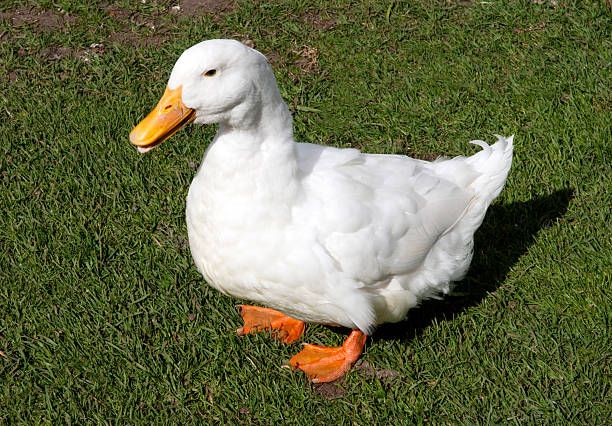
Aylesbury Ducks, named after the English town of Aylesbury, are a distinctive breed renowned for their elegant appearance and historical significance. Originating in the 18th century, they were initially raised for meat production in market towns but later became prized ornamental birds due to their striking white plumage and unique physical traits. Today, Aylesbury Ducks are celebrated for their beauty, making them popular in exhibitions and water gardens. Despite their ornamental role, their agricultural roots remain relevant for niche meat production.
This guide delves into every aspect of Aylesbury Duck care, from their history and physical characteristics to breeding strategies and environmental impact. Whether you’re a beginner or an advanced keeper, this resource equips you with the knowledge to nurture these remarkable ducks.
Other Names & Synonyms
Aylesbury Ducks are also known as:
- Blue Aylesbury Ducks: A rarer variant with slate-blue plumage (though traditional purebreds are white).
- Aylesbury Mallards: A misnomer; they are not related to the Mallard species.
- English White Ducks: Refers to their pure white color and origin in England.
The Blue variant is less common and often considered a separate breed in some regions.
Primary Breed Purpose
- Ornamental Use: Their pristine white feathers, pinkish-red caruncle (fleshy head prominence), and compact structure make them ideal for decorative ponds and water gardens.
- Meat Production (Historical): In the 19th century, their tender meat was a delicacy in markets.
- Show Birds: Their standardized appearance is a key factor in poultry exhibitions.
Physical Characteristics
Aylesbury Ducks are easily identifiable by their unique features:
- Head: Large, rounded head with a prominent caruncle (a pinkish-red fleshy protuberance at the base of the bill).
- Neck: Short and slightly wavy.
- Body: Compact, with a sloping back and rounded rump.
- Feathers: Pure white plumage in standard breeds; Blue Aylesbury has slate-blue feathers with green sheens.
- Eyes: Bright orange-yellow.
- Bill: Orange or yellow with a black spot at the tip (in purebreds).
- Legs/Feet: Orange-yellow, with a straight stance (not splayed like Mallards).
Weight & Growth Curve
- Hatch to Week 4: Rapid growth; young ducks quadruple their initial weight within a month.
- Week 4–8: Steady weight gain, reaching 2–3 pounds (0.9–1.4 kg).
- Maturity (8–16 weeks): Adult males (drakes) reach 6.5–8.5 pounds (3–4 kg), while females (hens) range from 5.5–7.5 pounds (2.5–3.5 kg).
- Growth Rate: Slower than mallards but robust compared to other ornamental breeds.
Climatic Tolerances
Aylesbury Ducks thrive in temperate climates but require specific care in extremes:
- Cold Weather: Moderate tolerance (down feathers provide insulation), but they need dry, draft-free housing.
- Heat Stress: Vulnerable to temperature above 85°F (29°C); access to shade and water is critical.
- Humidity: High humidity increases risk of mites and respiratory issues.
Reproduction & Egg Production
- Egg Laying:
- Annual Production: 100–120 eggs per year, peaking at 18–24 eggs per laying cycle.
- Incubation: 28–30 days. Hens are naturally broody, making them reliable setters.
- Fertility: Optimal if males and females are at least 6 months old.
- Broodiness: High; hens will sit on eggs persistently, which can reduce subsequent egg production.
Flying Ability
Aylesbury Ducks are non-flying due to their heavy body structure and short wings. Their flight muscles are underdeveloped, making them ideal for confined spaces like pens or ponds.
Breed History & Origin
- 18th Century: Developed in Aylesbury, Buckinghamshire, by crossing mallards with gray ducks.
- 19th Century: Dominant meat duck in England, with “Aylesbury” synonymous with quality duck meat.
- 20th Century: Declined in meat production due to faster-growing breeds, becoming ornamental.
- Modern Revival: Conservation efforts (e.g., by the Livestock Conservancy) preserve their genetic diversity.
Life Expectancy
- Average: 8–12 years with proper care.
- Factors Affecting Longevity:
- Nutritional intake (avoid obesity).
- Predator protection.
- Clean water and housing to prevent disease.
Common Health Issues
- Metabolic Disorders: Obesity from excess feed or limited water for exercise.
- Musculoskeletal Issues: Lameness or leg deformities in overfed juveniles.
- Mites: Harsh red mites in warm housing.
- Respiratory Infections: Dust or ammonia in coops.
- Vitamin A Deficiency: Affects beak and feather health.
Breeding & Genetics – Tips for the Advanced Keeper
- Genetic Diversity: Avoid inbreeding by sourcing ducks from unrelated bloodlines.
- Selective Breeding: Prioritize traits like robust legs, even coloration, and good bone structure.
- Record-Keeping: Track lineage and phenotypic traits (e.g., caruncle size).
- Crossbreeding: Blue Aylesburies may blend into muddy environments; white ducks are better for aesthetics.
Nutritional Requirements
- Pullets (Young Ducks): 18–20% protein feed (layer feed for the first 6 weeks).
- Laying Hens: 16–18% protein with added calcium (oyster shell).
- Meat Ducks: High-protein grain (corn, barley) mixed with protein supplements for faster growth.
- Supplements:
- Vitamin A: For feather and beak health.
- Calcium: For strong eggshells.
- Omega-3s: Enhance plumage sheen (from flax or fish oil).
- Treats: Grass clippings, duck-safe fruits, and insects.
Housing & Environmental Design
- Coop Requirements:
- Space: 2–3 sq ft per duck on dry floor space.
- Nesting Boxes: 1 per 3–4 hens, lined with straw.
- Ventilation: Stalls to prevent ammonia buildup.
- Outdoor Area:
- Pond or Water Feature: Minimum 100 sq ft per duck.
- Shade & Shelter: Netting to protect from predators (e.g., raccoons, foxes).
- Foraging Grounds: Allow access to grass for natural pecking.
Behavioral Traits & Enrichment
- Social Behavior: Gregarious and form strong bonds with humans.
- Intelligence: Quick to learn foraging and water routines.
- Enrichment Ideas:
- Floating food toys for water-based play.
- Puzzles with hidden treats.
- Companionship with other docile ducks (avoid rowdy breeds).
Economic Considerations
- Cost to Raise:
- Feed: $2–4 per duck/month (varies with size).
- Coop Construction: $500–1,000 for a 20 sq ft structure.
- Veterinary Care: $100–200 annually for preventatives.
- Revenue Streams:
- Eggs: Sell at $1–2 per dozen (higher for organic).
- Meat: Premium market price due to rarity.
- Shows: Entry fees and prizes in poultry exhibitions.
Environmental Impact
- Sustainability:
- Manure: Nitrogen-rich fertilizer; avoid overapplication to prevent runoff.
- Water Usage: Ponds require regular cleaning to prevent eutrophication.
- Biodiversity: Attract beneficial insects but may compete with native bird species in ponds.
Conclusion
Aylesbury Ducks are a blend of history, beauty, and resilience. Whether you’re raising them for their ornamental value, eggs, or as part of a heritage project, understanding their needs ensures their well-being and longevity. By prioritizing genetic diversity, nutrition, and habitat design, keepers can enjoy the companionship of these remarkable ducks while preserving a living piece of agricultural history.
Frequently Asked Questions (FAQs)
Q1: Are Aylesbury Ducks good for beginners?
A: Yes, though their specific nutritional and housing needs require some knowledge.
Q2: Can Aylesbury Ducks live with chickens?
A: Yes, but monitor for pecking order conflicts and provide separate water access.
Q3: Do they require a pond?
A: Yes; they must have access to water for swimming and feather maintenance.
Q4: How to prevent obesity in Aylesbury Ducks?
A: Limit high-carb treats, ensure water access for exercise, and use layer feed.
Q5: Are they noisy?
A: Quieter than mallards but will vocalize in flocks or when threatened.
#AylesburyDuck, #DuckBreeding, #OrnamentalDucks, #DuckKeeping, #BackyardPets, #PoultryCare, #DuckRaisingTips, #AquaticPoultry, #BreedGuide, #DuckConnoisseur
Add comment