
Ducks are a fantastic addition to any small-scale homestead, offering a blend of utility, charm, and adaptability. Unlike chickens, ducks thrive in wet environments, are less susceptible to certain pests, and provide a steady supply of eggs, meat, and even natural pest control. For hobby farmers, selecting the right duck breed can transform your backyard into a productive and peaceful haven. This guide explores the best duck breeds for small farms, detailing their unique traits, care requirements, and suitability for different climates and goals. Whether you’re after the best egg layers, top meat producers, or hardy pets, we’ve got you covered. Let’s dive into the world of backyard ducks!
1. Overview of Backyard Ducks
Ducks are social, intelligent, and relatively easy to care for, making them perfect for beginners. They require access to fresh water for bathing and swimming, a secure coop to protect against predators, and a balanced diet of commercial feed, kitchen scraps, and forage. Key considerations include climate tolerance, egg-laying frequency, and temperament. Here’s a breakdown of the top 10 breeds for hobby farmers:
2. Top 10 Backyard Duck Breeds for Hobby Farmers
1. Rouen Ducks
- Origin: France
- Temperament: Calm and intelligent; great for children
- Size: Large (5–8 lbs)
- Egg Production: 150–200 eggs/year; white or cream-colored eggs
- Meat Quality: Excellent; prized for its tender flavor
- Climate Tolerance: Cold-hardy with proper shelter
- Space Needs: Ample room for paddling
- Pros and Cons: Docile but noisy; requires a large enclosure
2. Khaki Campbell Ducks
- Origin: United Kingdom
- Temperament: Active and alert
- Size: Medium (5–6 lbs)
- Egg Production: 240–300 eggs/year; large brown eggs
- Meat Quality: Lean and mild
- Climate Tolerance: Thrives in moderate climates
- Space Needs: Moderately sized pond or water source
- Pros and Cons: High egg productivity; less suited for hot weather
3. Pekin Ducks
- Origin: China
- Temperament: Friendly and outgoing
- Size: Very large (8–10 lbs)
- Egg Production: 180–200 eggs/year; white eggs
- Meat Quality: White meat, ideal for roasting
- Climate Tolerance: Sensitive to cold; suitable for warm regions
- Space Needs: Requires a large pond or pool
- Pros and Cons: Excellent for beginners; limited cold tolerance
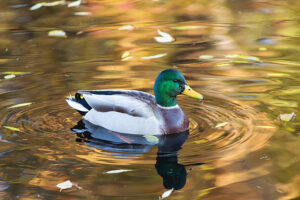
4. Mallard Ducks (Wild) vs. Domestic Mallards
- Temperament: Curious but skittish (wild); tamer (domestic)
- Size: Medium (4–6 lbs)
- Egg Production: 100–150 eggs/year; greenish-gray eggs
- Meat Quality: Lean and gamey
- Climate Tolerance: Hardy; adapts well to most regions
- Space Needs: Open water access
- Pros and Cons: Foragers; less manageable in confined spaces
5. Cayuga Ducks
- Origin: United States (developed in the 19th century)
- Temperament: Gentle and watchful
- Size: Medium-large (5–7 lbs)
- Egg Production: 150–200 eggs/year; dark green eggs
- Meat Quality: Flavorful, often called “black ducks”
- Climate Tolerance: Cold-hardy
- Space Needs: Small pond or water source
- Pros and Cons: Unique appearance; feathers shed in winter
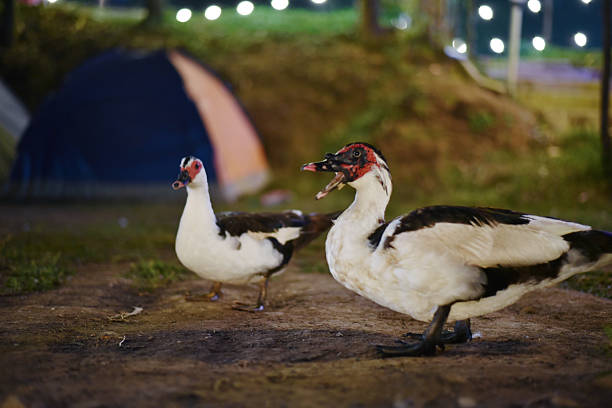
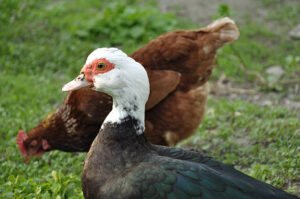
6. Muscovy Ducks
- Origin: South America
- Temperament: Quiet and calm; non-pond ducks
- Size: Huge (10–15 lbs)
- Egg Production: 100–150 eggs/year; large brown eggs
- Meat Quality: Dark meat, rich and gamey
- Climate Tolerance: Thrives in warm weather; vulnerable to cold
- Space Needs: Dry, enclosed area (no need for water)
- Pros and Cons: Silent and low-maintenance; requires warmth
7. Indian Runner Ducks
- Origin: India, Indonesia
- Temperament: Energetic and independent
- Size: Medium (3–5 lbs)
- Egg Production: 180–200 eggs/year; off-white eggs
- Meat Quality: Lean but less tender
- Climate Tolerance: Poor cold tolerance; best for warm climates
- Space Needs: Minimal water (they waddle!)
- Pros and Cons: Efficient foragers; noisy
8. Bantam Ducks
- Breeds: Welsh Harlequin, Call Ducks
- Temperament: Playful and vocal
- Size: Small (2–3 lbs)
- Egg Production: 150–200 eggs/year; tiny eggs
- Meat Quality: Not ideal for meat
- Climate Tolerance: Varies by breed
- Space Needs: Small enclosures
- Pros and Cons: Great for small spaces; not suitable for meat
9. Welsh Harlequin (Dual-Purpose)
- Origin: United States/Europe
- Temperament: Gentle and family-friendly
- Size: Medium (4–6 lbs)
- Egg Production: 200–250 eggs/year; white or cream eggs
- Meat Quality: Tender and flavorful (mule ducks)
- Climate Tolerance: Cold-hardy
- Space Needs: Moderate water access
- Pros and Cons: Balanced egg-meat production
10. Swedish White Ducks
- Origin: Sweden
- Temperament: Calm and inquisitive
- Size: Medium (5–7 lbs)
- Egg Production: 180–220 eggs/year; large white eggs
- Meat Quality: Mild flavor
- Climate Tolerance: Cold-hardy
- Space Needs: Pond or water source
- Pros and Cons: Hardy and friendly
3. Top Egg-Laying Duck Breeds
For maximum egg production, prioritize breeds like Khaki Campbell (300+ eggs/year), Welsh Harlequin (200–250), Swedish White (180–220), and Indian Runner (180–200). These ducks lay large eggs year-round, though they may slow in winter. Provide calcium-rich feed and proper lighting to maintain consistency.
4. Best Duck Breeds for Meat Production
Pekin, Muscovy, and Rouen ducks are top choices for meat. Pekins have white meat, Muscovys provide rich dark meat, and Rouens offer a balanced flavor. For faster growth, feed a high-protein diet and ensure clean living conditions.
5. Dual-Purpose Ducks
Breeds like Welsh Harlequin, Khaki Campbell, and Swedish White excel in both egg and meat production. These are ideal for hobby farmers seeking versatility.
6. Managing Challenges: Water, Health, and Predators
- Water Needs: Ducks require daily access to clean water for bathing (even small basins work for Bantams).
- Feeding: Combine commercial duck feed, kitchen scraps (avoid onions and citrus), and forage.
- Health: Vaccinate against duck viral enteritis and ensure proper ventilation.
- Predators: Use secure coops with hardware cloth and motion sensors.
7. Choosing the Right Breed for Your Farm
Consider your climate, goals (eggs vs. meat), and space. For cold climates: Rouen, Cayuga, Welsh Harlequin. For warmth: Pekin, Muscovy. Beginners: Indian Runner or Swedish White.
Conclusion
Backyard ducks offer a rewarding experience for hobby farmers, combining productivity with low maintenance. Whether you choose egg-laying Khaki Campbells, meaty Pekins, or versatile Welsh Harlequins, the key is selecting a breed that fits your lifestyle. With proper care, your ducks will provide years of satisfaction and fresh eggs or meat.
#BackyardDucks #DuckRaisingTips #HobbyFarming #EggLayingDucks #MeatDucks #SmallFarmLife #DuckFarming #BackyardPets #DuckCare #HomesteadTips #DuckBreeds #BackyardEggs #WaterfowlFarming #DuckKeeping #HobbyFarmer #DuckRearing #FarmLife #DuckEggs #YouTubefarming


Add comment