
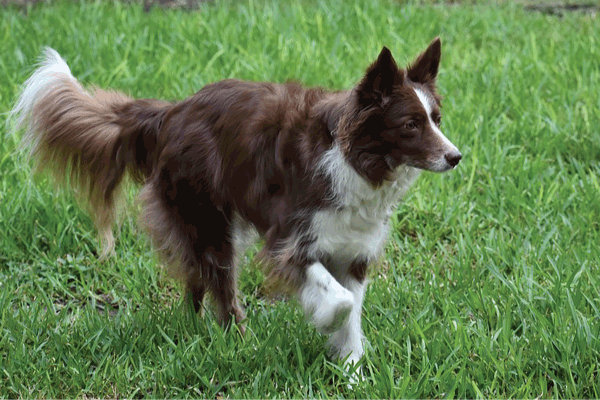
Campylobacteriosis, often simply referred to as “Campy,” is a common bacterial infection caused by Campylobacter species. While it can affect various animals, it’s a significant concern for dog owners due to its zoonotic potential (meaning it can be transmitted to humans) and the discomfort it causes our canine companions. This guide delves into the intricacies of Campylobacteriosis in dogs, covering its causes, symptoms, diagnosis, treatment, prevention, and its implications for public health.
Understanding Campylobacter Bacteria
Campylobacter is a genus of Gram-negative, comma-shaped bacteria. Several species can cause illness in dogs, with Campylobacter jejuni and Campylobacter coli being the most prevalent. These bacteria are commonly found in the intestinal tracts of healthy animals, particularly poultry, cattle, and often, asymptomatic dogs. They thrive in oxygen-limited environments, hence their presence in the gut.
How Dogs Contract Campylobacteriosis
Dogs can contract Campylobacteriosis through various routes of exposure, primarily fecal-oral transmission. This means ingesting the bacteria shed in the feces of an infected animal. Common scenarios include:
- Ingestion of Contaminated Feces: This is the most frequent mode of transmission. Dogs may lick or ingest feces from infected dogs, wildlife, or even from contaminated environments (e.g., parks, kennels, yards where infected animals have defecated).
- Contaminated Food and Water: Raw or undercooked meat, especially poultry, is a significant source of Campylobacter. Dogs can also ingest bacteria from contaminated water sources, such as puddles, stagnant ponds, or communal water bowls shared by infected animals.
- Cross-Contamination: Sharing food bowls, toys, or grooming tools with an infected dog can facilitate the spread of bacteria. People can also become infected by handling contaminated feces and then touching their mouths or preparing food.
- Environmental Contamination: Campylobacter can survive for a period in moist environments, allowing for indirect transmission through contaminated surfaces.
It’s important to note that many dogs can carry and shed Campylobacter without showing any clinical signs of illness. These “asymptomatic carriers” play a crucial role in the spread of the infection within a population of dogs.
Clinical Signs of Campylobacteriosis in Dogs
The severity of symptoms can vary significantly depending on the dog’s age, immune status, and the specific Campylobacter species involved. Young puppies and immunocompromised dogs are generally more susceptible to severe illness. The most common clinical sign is gastrointestinal distress, which can manifest as:
- Diarrhea: This is the hallmark symptom. The diarrhea can range from mild and watery to severe, mucoid, and even bloody. It can be intermittent or persistent.
- Vomiting: While less common than diarrhea, vomiting can also occur, contributing to dehydration.
- Abdominal Pain: Dogs may exhibit signs of discomfort, such as hunching their back, whimpering when touched around the abdomen, or reluctance to move.
- Fever: Some dogs may develop a slight fever.
- Lethargy and Weakness: General malaise, lack of energy, and decreased appetite are common, especially in more severe cases.
- Dehydration: Persistent diarrhea and vomiting can lead to significant dehydration, which can be life-threatening if not addressed.
- Weight Loss: Chronic or severe diarrhea can result in a decline in body weight.
In rare cases, Campylobacter infection can lead to more severe complications, such as:
- Bacteremia: The bacteria can enter the bloodstream, causing a systemic infection.
- Inflammatory Bowel Disease (IBD): In some instances, Campylobacter may trigger or exacerbate IBD.
- Neurological Complications: While extremely rare in dogs, Campylobacter infections in humans have been linked to Guillain-Barré syndrome, an autoimmune disorder affecting the nervous system. The same association in dogs is not well-established but warrants consideration in severe, atypical cases.
Diagnosing Campylobacteriosis
Diagnosing Campylobacteriosis typically involves a combination of clinical signs, physical examination, and laboratory tests.
- History and Physical Examination: Your veterinarian will ask about your dog’s symptoms, diet, potential exposures, and vaccination status. A physical exam will assess hydration, palpate the abdomen for pain or abnormalities, and check for other signs of illness.
- Fecal Examination:
- Fecal Culture: This is the gold standard for diagnosing Campylobacteriosis. A fecal sample is submitted to a veterinary laboratory to isolate and identify Campylobacter species. Special culture media and incubation conditions are required for optimal growth.
- Fecal Smear: In some cases, a direct fecal smear under a microscope might reveal the characteristic comma-shaped bacteria, but this is less sensitive than culture.
- Antigen Detection Tests: Rapid diagnostic tests that detect Campylobacter antigens in fecal samples are becoming more available and can provide quicker results, though they may not be as sensitive as culture.
- Blood Tests:
- Complete Blood Count (CBC): May reveal signs of inflammation or infection, such as an elevated white blood cell count.
- Biochemistry Profile: Can assess organ function, hydration status, and electrolyte imbalances, especially if the dog is severely ill.
- PCR (Polymerase Chain Reaction): PCR tests can detect the DNA of Campylobacter in fecal samples, offering high sensitivity and specificity.
Treatment of Campylobacteriosis
The primary goals of treatment are to alleviate symptoms, prevent dehydration, and eliminate the bacterial infection.
- Fluid Therapy: This is crucial for dehydrated dogs. Intravenous (IV) fluids are administered to restore hydration and electrolyte balance. Oral rehydration solutions may be sufficient for mild cases.
- Antibiotics: Antibiotics are typically prescribed to treat the infection, especially in moderate to severe cases or when the dog is immunocompromised. The choice of antibiotic will depend on the specific Campylobacter species and its susceptibility profile, which is often determined through antibiotic sensitivity testing. Common antibiotics used include erythromycin, azithromycin, ampicillin, and fluoroquinolones. It’s essential to complete the full course of antibiotics as prescribed by your veterinarian.
- Dietary Management: A bland, easily digestible diet is recommended during recovery. This often includes boiled chicken or turkey with white rice or a prescription gastrointestinal diet. Probiotics may also be beneficial in restoring healthy gut flora.
- Supportive Care: This can include anti-nausea medications to reduce vomiting, and medications to help firm up the stool.
- Isolation: Infected dogs should be isolated from other animals to prevent the spread of the infection.
Prevention is Key: Avoiding Campylobacteriosis
Preventing Campylobacteriosis involves implementing good hygiene practices and being mindful of potential exposures.
- Good Fecal Hygiene: Promptly clean up your dog’s feces from your yard, public areas, and kennels. Wash your hands thoroughly with soap and water after handling feces or cleaning up after your dog.
- Safe Food Handling: Avoid feeding your dog raw or undercooked meat, especially poultry. Cook all meats thoroughly to an internal temperature that kills bacteria.
- Clean Water Sources: Ensure your dog has access to clean, fresh drinking water. Discourage them from drinking from stagnant ponds, puddles, or other questionable water sources.
- Avoid Contaminated Environments: Be cautious in areas where there may be a high concentration of animal feces, such as dog parks, boarding facilities, or shelters, especially if your dog is young or immunocompromised.
- Proper Sanitation: Regularly clean and disinfect food and water bowls, toys, and living areas, especially if an outbreak is suspected.
- Minimize Contact with Sick Animals: If you know an animal is sick with diarrhea, limit your dog’s contact with it.
- Regular Veterinary Check-ups: Annual or semi-annual check-ups allow your veterinarian to monitor your dog’s health and address any potential issues early on.
Zoonotic Potential: A Public Health Concern
One of the most significant aspects of Campylobacteriosis is its zoonotic potential. Humans can contract Campylobacter infection from infected dogs, typically through:
- Direct Contact with Infected Dogs: Handling infected dogs, especially those with diarrhea, and then touching your mouth.
- Ingestion of Contaminated Food or Water: Similar to how dogs get infected, humans can get sick from handling contaminated raw meat or drinking contaminated water.
- Contact with Contaminated Feces: Accidental ingestion of Campylobacter passed in the feces of an infected dog.
Symptoms in humans are similar to those in dogs and include diarrhea, abdominal cramps, fever, nausea, and vomiting. While most healthy individuals recover without specific treatment, the infection can be more severe in young children, the elderly, pregnant women, and immunocompromised individuals.
To protect yourself and your family:
- Practice meticulous hand hygiene: Wash hands thoroughly with soap and water after any contact with your dog’s feces, after petting them, and before preparing or eating food.
- Supervise children: Ensure children wash their hands thoroughly after playing with dogs.
- Handle raw meat safely: Cook all meats thoroughly and practice good kitchen hygiene to prevent cross-contamination.
Prognosis
With prompt diagnosis and appropriate treatment, the prognosis for Campylobacteriosis in dogs is generally good. Most dogs recover fully within a week or two. However, severe cases, especially in young puppies or immunocompromised individuals, can be more challenging and may require extended veterinary care. Long-term complications are rare but possible in severe or untreated cases.
Conclusion
Campylobacteriosis is a prevalent bacterial infection in dogs that necessitates awareness and proactive prevention strategies from pet owners. While often presenting as mild gastrointestinal upset, its potential for spreading to humans underscores the importance of good hygiene and responsible pet ownership. By understanding the causes, recognizing the symptoms, and implementing effective preventive measures, dog owners can significantly reduce the risk of their canine companions contracting this common yet impactful illness. Always consult your veterinarian if you suspect your dog may have Campylobacteriosis or any other health concern.
#Campylobacteriosis, #DogHealth, #CanineGastroenteritis, #DogDiarrhea, #PetHealth, #VeterinaryCare, #ZoonoticDisease, #DogInfection, #PuppyHealth, #BacterialInfection, #DogCare, #PetWellness, #PreventativeCare, #HandHygiene, #SafeFoodHandling, #HealthyDog, #DogTips, #PetOwner, #Veterinarian, #AnimalHealth, #DogLife, #FecalHygiene, #CanineHealthTips, #DogVaccination (mentioning the importance of a strong immune system which can be bolstered by vaccinations), #RawFoodDiet (cautionary note for those feeding raw), #GutHealthDogs.






Add comment