
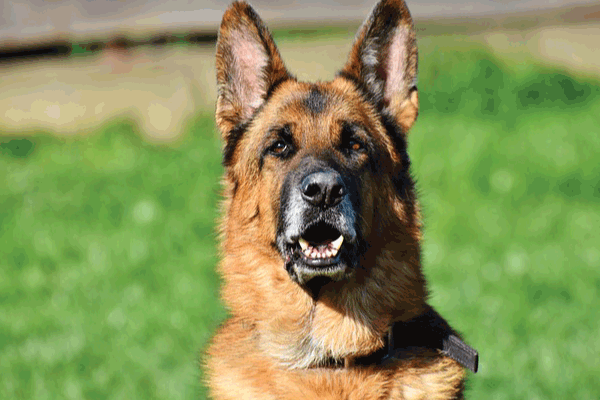
Escherichia coli, commonly known as E. coli, is a bacterium found naturally in the intestines of healthy dogs. While most strains are harmless and even beneficial, certain strains can become pathogenic, leading to a bacterial infection known as colibacillosis. This infection can affect various parts of the body, including the urinary tract, gastrointestinal system, and even the bloodstream, posing a significant health risk to dogs.
Understanding E. coli in Dogs
E. coli is a Gram-negative, facultative anaerobic bacterium. In a healthy dog’s gut, it plays a role in digestion and the synthesis of certain vitamins. However, when the balance of the gut microbiome is disrupted, or when a particularly virulent strain enters the body, E. coli can multiply rapidly and cause disease.
Transmission
E. coli infections in dogs can be transmitted through various routes:
- Fecal-Oral Route: This is the most common mode of transmission. Ingesting contaminated feces, either directly or indirectly through contaminated food, water, or surfaces, can lead to infection.
- Environmental Contamination: E. coli can survive for extended periods in moist environments, making contaminated bedding, kennels, or water bowls a potential source of infection.
- Maternal Transmission: Puppies can contract E. coli from their mother during birth or shortly after through contact with contaminated birth canals or milk.
- Nosocomial Infections: Dogs in veterinary clinics or boarding facilities are at a higher risk of contracting E. coli due to close proximity with other animals and potential contamination.
Risk Factors
Several factors can increase a dog’s susceptibility to E. coli infection:
- Young Age (Puppies): Developing immune systems make puppies more vulnerable, especially during the neonatal period.
- Elderly Dogs: A weakened immune system due to age can predispose older dogs to infection.
- Immunocompromised Dogs: Dogs with underlying health conditions (e.g., viral infections, autoimmune diseases) or those on immunosuppressive medications are at higher risk.
- Stress: Physical or psychological stress can compromise the immune system.
- Poor Hygiene: Inadequate sanitation in living environments can facilitate the spread of bacteria.
- Dietary Changes: Sudden shifts in diet can disrupt the gut microbiome, making the dog more susceptible.
- Underlying Diseases: Conditions like inflammatory bowel disease, kidney disease, or diabetes can weaken the dog’s defenses.
Clinical Signs and Symptoms
The symptoms of E. coli infection in dogs can vary greatly depending on the affected body system and the severity of the infection.
1. Gastrointestinal Form (Colibacillary Diarrhea): This is the most common presentation, particularly in puppies.
- Diarrhea: Watery, foul-smelling stool, sometimes with mucus or blood.
- Vomiting: Can be intermittent.
- Lethargy: Decreased activity and energy.
- Loss of Appetite: Reluctance to eat.
- Dehydration: Due to fluid loss from diarrhea and vomiting.
- Abdominal Pain: Visible discomfort or tenderness when the abdomen is touched.
- Fever: Elevated body temperature.
2. Urinary Tract Infection (UTI): E. coli is the most frequent cause of UTIs in dogs.
- Frequent Urination: Urinating more often than usual, often in small amounts.
- Straining to Urinate: Difficulty or pain during urination.
- Blood in Urine: Hematuria.
- Urinating in Appropriate Places: Accidents in the house.
- Licking Genital Area: Due to irritation or discomfort.
- Fever: In more severe cases.
3. Systemic Infection (Septicemia/Bacteremia): This is a serious and life-threatening condition where E. coli enters the bloodstream.
- High Fever: Significant increase in body temperature.
- Lethargy and Weakness: Profound lack of energy.
- Rapid Heart Rate: Tachycardia.
- Rapid Breathing: Tachypnea.
- Pale Gums: Indicating poor circulation or anemia.
- Cold Extremities: Limbs may feel cold to the touch.
- Shock: Collapse, very low blood pressure.
- Organ Failure: Kidney, liver, or lung dysfunction.
4. Other Potential Infections: E. coli can also cause infections in:
- Wounds: Leading to pus formation and delayed healing.
- Eyes (Conjunctivitis): Redness, discharge, and irritation.
- Respiratory Tract: Though less common.
Diagnosis
Diagnosing E. coli infection typically involves a veterinarian performing a thorough physical examination and recommending specific diagnostic tests:
- History and Physical Examination: The veterinarian will ask about the dog’s symptoms, diet, environment, and any recent changes.
- Fecal Examination: Microscopic examination of stool samples to identify bacteria, parasites, or other abnormalities.
- Urinalysis: Analysis of a urine sample to check for signs of infection, such as white blood cells, bacteria, and protein.
- Urine Culture and Sensitivity Testing: Crucial for confirming a UTI and determining which antibiotics will be most effective against the specific E. coli strain.
- Blood Tests:
- Complete Blood Count (CBC): May reveal an elevated white blood cell count, indicating infection.
- Blood Culture: To detect bacteria in the bloodstream if septicemia is suspected.
- Biochemistry Panel: To assess organ function (kidneys, liver).
- Imaging: X-rays or ultrasound may be used to evaluate internal organs if other complications are suspected.
- Wound Swabs: If a skin or wound infection is present.
Treatment
Treatment for E. coli infection depends on the severity and location of the infection.
- Antibiotics: This is the cornerstone of treatment. The choice of antibiotic will be guided by culture and sensitivity results. It is crucial to complete the entire course of antibiotics as prescribed by the veterinarian, even if the dog appears to be recovering.
- Fluid Therapy: Intravenous or subcutaneous fluids are essential to combat dehydration, especially in cases of severe diarrhea or vomiting.
- Supportive Care:
- Rest: Allowing the dog to rest and recover.
- Dietary Management: Bland, easily digestible food may be recommended for gastrointestinal issues. Probiotics can also be beneficial in restoring gut health.
- Pain Management: If the dog is experiencing pain.
- Anti-emetics: Medications to control vomiting.
- Fever Reducers: If the dog has a high fever.
- Wound Care: For infected wounds, cleaning and topical treatments may be necessary.
- Hospitalization: In severe cases, particularly with septicemia or severe dehydration, hospitalization for intensive care, including intravenous antibiotics and fluids, is required.
Prevention
Preventing E. coli infections in dogs involves a multi-faceted approach:
- Good Hygiene:
- Regularly clean and disinfect your dog’s living areas, food and water bowls, and toys.
- Promptly clean up dog waste.
- Wash your hands thoroughly after handling your dog, their waste, or their belongings.
- Proper Nutrition: Feed your dog a high-quality, balanced diet. Avoid sudden dietary changes.
- Minimize Stress: Provide a calm and stable environment for your dog.
- Vaccination: While there isn’t a specific vaccine for E. coli in dogs, ensuring your dog is up-to-date on core vaccinations can help maintain a strong immune system.
- Isolate Sick Animals: Prevent contact between healthy and sick dogs to avoid transmission.
- Appropriate Food Handling: Ensure your dog’s food is stored correctly and not contaminated.
- Regular Veterinary Check-ups: Promptly address any underlying health issues that could compromise your dog’s immune system.
Prognosis
The prognosis for E. coli infection in dogs varies.
- Mild to Moderate UTIs and Gastrointestinal Infections: With prompt diagnosis and appropriate treatment, most dogs recover fully and without long-term complications.
- Severe Infections (Septicemia): These cases have a more guarded prognosis, and survival depends on the speed of intervention and the dog’s overall health.
- Recurrent Infections: Some dogs, particularly those with underlying anatomical or physiological issues (e.g., bladder stones, compromised immune systems), may be prone to recurrent UTIs.
When to Contact Your Veterinarian
You should contact your veterinarian immediately if you notice any of the following signs in your dog:
- Persistent or severe diarrhea.
- Vomiting that doesn’t resolve.
- Signs of dehydration (lethargy, sunken eyes, dry gums).
- Straining to urinate or infrequent urination.
- Blood in urine.
- Sudden onset of extreme lethargy or weakness.
- High fever.
- Any other concerning behavioral changes or physical symptoms.
Early detection and appropriate veterinary care are crucial for a successful outcome in managing E. coli infections in dogs.
#EcoliInDogs, #Colibacillosis, #DogBacterialInfection, #CanineHealth, #DogIllness, #PuppyHealth, #DogDiarrhea, #DogUTI, #Septicemia, #VeterinaryCare, #DogFacts, #PetHealth, #DogTips, #HealthyDog, #DogLife, #CanineWellness, #DogTreatment, #DogPrevention, #PetCare, #DogCommunity






Add comment