
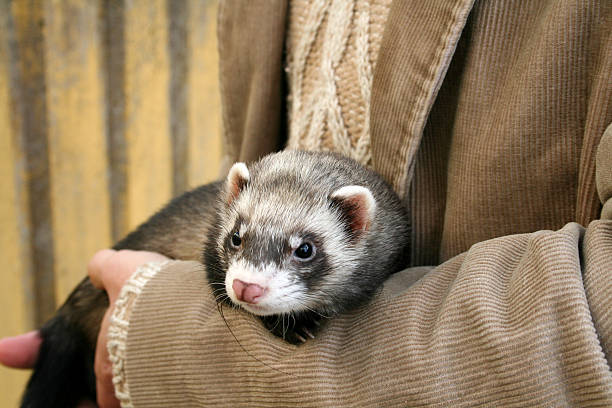
Bacterial pneumonia in ferrets is a serious respiratory infection that can arise from various bacterial pathogens. Among the most common causative agents are Bordetella bronchiseptica, Streptococcus spp., and Mycoplasma spp., which can infiltrate the respiratory tract and lead to severe illness. These bacteria often exploit weakened immune systems or preexisting health complications, making infected ferrets more susceptible to pneumonia. Additionally, environmental stress factors such as poor ventilation, overcrowding, and sudden temperature changes can further predispose ferrets to bacterial infections. Stress from travel, new cage environments, or social housing can also weaken their immune systems, increasing their vulnerability to respiratory pathogens.
The virulence factors of these bacteria play a significant role in the development of pneumonia. For instance, Bordetella bronchiseptica produces toxins that damage the lining of the respiratory tract, impairing the body’s natural defenses and allowing secondary infections to take hold. Streptococcus spp. and Mycoplasma spp. can also cause prolonged inflammation in the airways, leading to respiratory distress and reduced oxygen intake. Ferrets with underlying conditions such as chronic respiratory ailments or compromised immune function are particularly at risk, as their bodies are less capable of fending off bacterial infections.
Bacterial pneumonia can spread through direct contact with infected ferrets, contaminated bedding, or airborne droplets from sneezing and coughing. In multi-ferret households, the risk of transmission is heightened, especially in enclosed spaces where ventilation is poor. Additionally, improper sanitation of cages and feeding areas can contribute to the persistence of bacterial pathogens in the environment. The incubation period for bacterial pneumonia varies depending on the specific organism, but symptoms can appear within 1 to 7 days after exposure. Understanding the causes of bacterial pneumonia in ferrets is essential for implementing preventive measures and early intervention to reduce its impact on their health.
Symptoms and Signs of Bacterial Pneumonia in Ferrets
Bacterial pneumonia in ferrets often presents with a range of respiratory symptoms, the most notable of which is respiratory distress. Affected ferrets may exhibit labored breathing, characterized by rapid or shallow breaths, or may show signs of breathing with their mouths open. In more severe cases, cyanosis—bluish discoloration of the lips, gums, and tongue—can occur due to reduced oxygen intake. Coughing is another common symptom, often accompanied by the production of mucus or a rattling sound in the chest. Sneezing and nasal discharge are also prevalent, with the discharge varying in consistency from clear and watery to thick and discolored, depending on the stage and severity of the infection.
In addition to respiratory distress, infected ferrets may display fever, which is a key indicator of an ongoing bacterial infection. A rise in body temperature can lead to lethargy and a noticeable decrease in activity levels. Ferrets suffering from bacterial pneumonia often refuse to eat or show a marked decline in their appetite, which can contribute to weight loss and further weaken their immune systems. Behavioral changes such as increased irritability, huddling in corners, or reluctance to move are frequently observed in affected animals. In some cases, ferrets may exhibit a runny nose with mucus that may appear yellowish or greenish, which can help differentiate bacterial pneumonia from viral infections.
It is essential to recognize these signs promptly, as bacterial pneumonia can progress rapidly in ferrets. Unlike common viral respiratory infections, bacterial pneumonia tends to worsen over time, leading to more severe symptoms and complications. While some viral infections may resolve on their own or with minimal intervention, bacterial pneumonia requires immediate medical attention and appropriate antibiotic treatment to prevent further deterioration. Early recognition of symptoms such as respiratory distress, fever, and behavioral changes can significantly improve treatment outcomes and increase the chances of a full recovery. Understanding the unique signs and symptoms of bacterial pneumonia in ferrets is crucial for pet owners to seek timely veterinary care and provide the best possible support for their animals.
Diagnostic Methods for Bacterial Pneumonia in Ferrets
Diagnosing bacterial pneumonia in ferrets requires a thorough clinical evaluation, as the symptoms can overlap with other respiratory conditions. Veterinarians typically begin with a comprehensive physical examination, paying close attention to abnormal respiratory patterns, nasal discharge, and signs of fever or lethargy. A detailed history of the ferret’s recent environment, travel, or exposure to other animals can also provide valuable clues regarding potential infections. However, due to the non-specific nature of many symptoms, further diagnostic testing is often necessary to confirm a bacterial infection and determine the most effective treatment.
One of the primary diagnostic tools used in ferret medicine is radiography, or chest X-rays. These images can reveal abnormal changes in the lungs, such as increased opacity, which is commonly associated with pneumonia. However, interpreting chest X-rays in ferrets can be challenging due to their small size and the limited resolution of standard radiographic techniques. For more accurate diagnosis, computed tomography (CT) scans may be recommended in some cases, especially when respiratory distress is severe or complex. Ultrasound can also be used to assess lung fluid accumulation and identify areas of consolidation.
Laboratory tests play a critical role in diagnosing bacterial pneumonia in ferrets. A complete blood count (CBC) may indicate an increased white blood cell count, suggesting an active infection. However, some bacterial infections can cause a decrease in white blood cells, complicating interpretation. Biochemical profiles can also help assess the ferret’s overall health and detect secondary complications such as dehydration or organ dysfunction. Culturing nasal or tracheal secretions can help identify the specific bacteria responsible for the infection, allowing for more targeted antibiotic therapy. When culturing is not feasible, polymerase chain reaction (PCR) testing may be used to detect bacterial DNA in respiratory samples, improving diagnostic accuracy.
Despite the availability of these diagnostic methods, identifying the exact bacterial pathogen remains a challenge in ferrets. Some bacteria can be difficult to culture or may not grow under standard laboratory conditions. Additionally, ferrets can carry bacteria asymptomatically, making it difficult to determine if an infection is clinically significant. In many cases, a combination of clinical signs, imaging, and laboratory findings is required for a definitive diagnosis. Vets may also perform serological testing to detect antibodies against specific bacteria, although this method is less commonly used in ferrets due to limited availability. Early and accurate diagnosis is crucial for initiating appropriate treatment and improving the prognosis for affected ferrets.
Treatment Options for Bacterial Pneumonia in Ferrets
The primary treatment for bacterial pneumonia in ferrets involves the use of effective antibiotics, which must be selected based on the specific bacterial pathogen causing the infection. Common antibiotics prescribed for ferrets include amoxicillin-clavulanate, enrofloxacin, and amikacin, which are known for their broad-spectrum activity against a variety of bacteria, including Bordetella bronchiseptica, Streptococcus spp., and Mycoplasma spp. The choice of antibiotic is often guided by culture and sensitivity results, which determine the most effective drug against the specific bacteria present. In cases where these results are not immediately available, a broad-spectrum antibiotic may be used initially and adjusted as more information becomes available.
In addition to antibiotics, supportive care plays a crucial role in the treatment of bacterial pneumonia. Ferrets suffering from respiratory distress may require supplemental oxygen therapy, which can be administered via an oxygen cage or nasal catheter. Oxygen support helps alleviate the strain on the respiratory system and promotes better oxygen saturation in the blood. Fluid therapy is also essential, particularly for ferrets experiencing dehydration due to fever, reduced appetite, or increased respiratory effort. Administering fluids subcutaneously or intravenously can help maintain proper hydration, which is vital for recovery.
Nebulization therapy is another critical care measure that can aid in the treatment of bacterial pneumonia in ferrets. This process involves using a nebulizer to deliver a mixture of sterile saline and antibiotics directly into the respiratory tract. Nebulization helps loosen mucus, facilitates the removal of pathogens from the airways, and promotes better absorption of medications. It is especially beneficial for ferrets experiencing excessive mucus buildup or difficulty clearing respiratory secretions. Additionally, steam therapy, which involves exposing the ferret to warm, moist air, can help thin mucus and ease breathing.
Monitoring and follow-up are equally important components of treatment. Ferrets undergoing antibiotic therapy should be closely observed for signs of improvement, such as reduced respiratory distress, increased appetite, and better overall activity levels. If symptoms persist or worsen despite treatment, the antibiotic regimen may need to be adjusted. Repeat diagnostic tests, such as chest X-rays or blood work, may be necessary to assess the effectiveness of the treatment and ensure that complications are not developing. It is essential for ferret owners to remain in close communication with a qualified veterinarian throughout the recovery process and to follow all prescribed treatment protocols carefully.
Prognosis and Long-Term Implications of Bacterial Pneumonia in Ferrets
The prognosis for bacterial pneumonia in ferrets is highly dependent on several critical factors, including the timeliness of treatment, the severity of the infection, and the individual ferret’s response to medical intervention. Early diagnosis and aggressive treatment with appropriate antibiotics significantly improve the chances of recovery, as rapid bacterial proliferation can lead to severe complications if left unchecked. Ferrets that receive prompt veterinary care and maintain good overall health before the onset of illness tend to have a better prognosis compared to those with preexisting conditions or compromised immune systems.
Despite effective treatment, bacterial pneumonia can lead to serious complications in some cases. One of the most common sequelae is the development of chronic respiratory issues, particularly if the infection has caused significant lung damage or persistent airway inflammation. Ferrets that experience prolonged or severe pneumonia may develop bronchitis or chronic obstructive pulmonary disease, which can result in lifelong respiratory difficulties. In some instances, repeated episodes of pneumonia can lead to weakened lung function, making the ferret more susceptible to future respiratory infections.
A particularly concerning complication is the progression of bacterial pneumonia to sepsis, a life-threatening condition characterized by widespread systemic infection. Sepsis can occur when bacteria enter the bloodstream, triggering a severe inflammatory response and potentially leading to organ failure. Ferrets with sepsis require immediate and intensive medical intervention, including intravenous antibiotics, fluids, and supportive care to manage systemic complications. Even with aggressive treatment, the risk of mortality increases significantly in these cases, and long-term recovery may involve ongoing monitoring and management of residual health issues.
The long-term implications of bacterial pneumonia extend beyond immediate medical concerns. Ferrets that survive a severe bout of pneumonia may experience reduced quality of life, with lingering respiratory symptoms affecting their mobility and overall well-being. These animals often require ongoing care, including scheduled check-ups, dietary adjustments, and environmental modifications to minimize the risk of future infections. Additionally, repeated exposure to respiratory stressors, such as temperature fluctuations or overcrowding, can exacerbate preexisting conditions and lead to further deterioration of lung health. Understanding these potential complications underscores the importance of early intervention and comprehensive treatment in managing bacterial pneumonia in ferrets, as it directly influences their chances of recovery and long-term health outcomes.
Preventive Measures Against Bacterial Pneumonia in Ferrets
Preventing bacterial pneumonia in ferrets requires a multifaceted approach that addresses key risk factors and promotes overall health. One of the most effective strategies is maintaining a clean and hygienic living environment. Regular cleaning of cages, feeding areas, and water sources is essential to prevent the accumulation of bacteria that can lead to respiratory infections. Ferret cages should be thoroughly disinfected at least once a week, and soiled bedding should be removed and replaced promptly. Using high-quality, absorbent bedding materials, such as kiln-dried wood shavings or paper-based products, can help reduce the risk of bacterial buildup. Additionally, ensuring proper ventilation in the living space is crucial, as stagnant air can contribute to respiratory distress and bacterial proliferation.
Stress reduction is another critical factor in preventing bacterial pneumonia. Ferrets are naturally social animals and can become stressed in environments that are overpopulated, noisy, or lacking in enrichment. Minimizing environmental stressors, such as sudden changes in routine, temperature fluctuations, or loud noises, can strengthen the immune system and reduce susceptibility to infections. Providing ferrets with a consistent daily schedule, comfortable bedding, and interactive toys can help them feel secure and less prone to stress-related illness. When introducing new ferrets into a household, it is essential to quarantine them for a minimum of two weeks to prevent the transmission of potential pathogens to existing pets.
Proper vaccination is also a valuable preventive measure for bacterial pneumonia in ferrets. While there is currently no specific vaccine for bacterial pneumonia in ferrets, the Bordetella vaccine helps reduce the risk of Bordetella bronchiseptica infection, which is a known contributor to respiratory illness. Consultation with a qualified veterinarian is necessary to determine the appropriate vaccination protocol for individual ferrets, as the necessity and frequency of vaccination can vary depending on factors such as age, lifestyle, and previous health history. Regular veterinary check-ups can also aid in early detection of any respiratory concerns, allowing for timely intervention and reducing the likelihood of severe illness. By implementing these preventive strategies, ferret owners can significantly lower their pets’ risk of developing bacterial pneumonia and ensure a healthier, more active lifestyle for their companions.
Diet and Nutrition for Ferrets with Bacterial Pneumonia
Proper nutrition plays a vital role in supporting the immune system and aiding the recovery of ferrets suffering from bacterial pneumonia. A well-balanced diet should include high-quality commercial ferret food formulated to meet their specific dietary needs. Ferrets are obligate carnivores, requiring a diet rich in animal-based proteins to maintain optimal health. When selecting a commercial kibble, it is essential to choose a product with at least 32% protein and no more than 15-18% fat. This ensures that ferrets receive adequate energy while avoiding excessive fat intake, which can contribute to weight gain and other health complications. Additionally, premium ferret foods often contain essential vitamins and minerals that support immune function and tissue repair, which are crucial during recovery from pneumonia.
In addition to commercial ferret food, small amounts of fresh, high-quality protein sources can be offered to enhance nutrient intake. Cooked poultry, such as chicken or turkey, and lean meats like rabbit can be provided in moderation to supplement the diet. Egg yolks, rich in vitamin D and healthy fats, are also beneficial when fed in limited quantities. Organ meats, such as liver, should be given sparingly due to their high vitamin A content, which can be toxic in excessive amounts. It is important to note that raw diets can pose a risk of bacterial contamination, which may worsen respiratory infections in affected ferrets. Therefore, all meats and proteins should be thoroughly cooked before feeding to eliminate potential pathogens.
Hydration is another critical aspect of diet for ferrets with bacterial pneumonia, as dehydration can exacerbate symptoms and hinder recovery. Fresh, clean water should be available at all times, and some ferrets may benefit from the addition of water-rich foods such as sliced apples, pears, or specially formulated hydration gels. In cases of severe illness or when the ferret has a reduced appetite, owners may need to administer fluids subcutaneously or use syringe feeding with a high-calorie recovery formula approved by a veterinarian. Maintaining hydration helps thin respiratory secretions, supports lung function, and improves overall well-being.
For ferrets undergoing antibiotic treatment, it is essential to preserve the balance of beneficial gut bacteria, as antibiotics can disrupt the intestinal microbiome and lead to digestive upset. Probiotic supplements, such as those containing Lactobacillus acidophilus, can help maintain healthy digestion and support immune function. Consulting with a veterinarian is recommended before making any significant changes to a ferret’s diet, especially during illness, to ensure that nutritional adjustments align with the animal’s overall treatment plan.
Zoonotic Risk of Bacterial Pneumonia in Ferrets
Bacterial pneumonia in ferrets can pose zoonotic risks, meaning the disease can be transmitted from animals to humans. While most bacterial infections that cause pneumonia in ferrets are species-specific, some pathogens have been associated with human infections, particularly in individuals with compromised immune systems. Bordetella bronchiseptica, a common bacterial agent in ferrets, can occasionally infect humans, especially those in close contact with infected pets. Although rare, symptoms in humans may include cold-like symptoms, skin infections, or even septicemia in immunocompromised individuals. Similarly, Mycoplasma spp. and certain Streptococcus strains can occasionally affect humans, resulting in mild respiratory symptoms or localized infections. While such cases are uncommon, it is essential for ferret owners to be aware of the potential for zoonotic transmission and take appropriate precautions.
To minimize the risk of bacterial transmission between ferrets and humans, good hygiene practices are crucial. Frequent handwashing with soap and water before and after handling a ferret, especially during or after episodes of illness, can significantly reduce the chance of bacterial transfer. Avoiding direct contact with respiratory secretions, such as those from sneezing or nasal discharge, is also important. Ferret owners should refrain from kissing their pets or allowing them to sleep in their beds, particularly when the ferret is showing signs of illness. After cleaning cages, feeding areas, or handling soiled bedding, it is essential to wash hands thoroughly and, if necessary, use disinfectants to clean surfaces and materials. Wearing gloves during cage cleaning and laundering contaminated materials with hot water can further reduce the risk of bacterial exposure.
If a ferret owner develops symptoms such as fever, cough, or respiratory distress after contact with an infected ferret, they should seek medical attention and inform the healthcare provider of the animal contact. Prompt diagnosis and appropriate treatment are essential, especially for individuals with weakened immune systems, chronic respiratory conditions, or other underlying health issues. Monitoring a ferret’s health and seeking veterinary care at the first signs of illness is equally important, as early diagnosis and treatment can prevent the spread of pathogens and reduce the risk of zoonotic transmission. By following these preventive measures, ferret owners can enjoy a healthy and safe relationship with their pets while minimizing potential health risks for themselves and their families.
Key Takeaways and Recommendations for Ferret Owners
Bacterial pneumonia in ferrets is a serious and potentially life-threatening condition that requires prompt recognition, accurate diagnosis, and appropriate treatment. As a multifaceted illness, it is influenced by a combination of bacterial pathogens, environmental factors, and the ferret’s overall health. Pet owners play a crucial role in monitoring their ferrets for early signs of respiratory distress, such as labored breathing, coughing, or changes in behavior. Early intervention significantly improves recovery outcomes, underscoring the importance of vigilance and timely veterinary care.
Understanding the diagnostic and treatment process is essential for effectively managing bacterial pneumonia in ferrets. Veterinarians utilize a combination of clinical evaluation, diagnostic imaging, and laboratory tests to confirm the infection and identify the causative agent. Treatment typically involves a tailored antibiotic regimen, supportive care, and ongoing monitoring to ensure a full recovery. In addition to medical intervention, preventive measures such as maintaining a clean environment, reducing stress, and providing a balanced diet can enhance a ferret’s immune system and lower the risk of future respiratory infections.
Ferret owners must also be aware of the zoonotic potential associated with certain bacterial agents, particularly Bordetella bronchiseptica, and take appropriate precautions to prevent transmission to humans. Practicing good hygiene, avoiding direct contact with respiratory secretions, and maintaining clean living conditions are key strategies in reducing transmission risks. Regular veterinary check-ups and adherence to recommended vaccinations further contribute to long-term health and disease prevention in ferrets.
By staying informed about the causes, symptoms, and treatment of bacterial pneumonia in ferrets, pet owners can ensure the best possible care for their pets. A proactive approach, combined with a strong partnership with a qualified veterinarian, is critical in managing this condition and promoting the overall well-being of ferrets.
#FerretHealth, #FerretCare, #FerretPneumonia, #BacterialInfections, #FerretRespiratoryHealth, #FerretDisease, #FerretMedicine, #FerretVetCare, #FerretNutrition, #FerretWellness, #PetPneumonia, #SickFerret, #FerretSymptoms, #FerretTreatment, #FerretPrevention, #ZoonoticDisease, #PetHealth, #FerretRecovery, #FerretDiet, #FerretDiagnosis, #FerretAntibiotics, #FerretImmuneSystem, #FerretHygiene, #FerretLungHealth, #FerretPneumoniaTreatment, #FerretCareGuide, #FerretHealthInfo, #FerretFirstAid, #FerretPet, #FerretMedication.




Add comment