
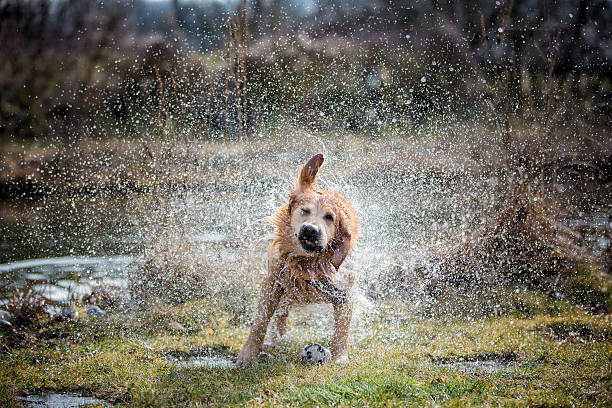
It’s wonderful that you’re looking for ways to help your diabetic dog through exercise! Balancing blood sugar is a crucial aspect of managing diabetes, and you’re right to focus on the “right” kind of activity. This guide will delve into how exercise can be a powerful tool for your canine companion, covering the benefits, types of activities, important considerations, and how to approach it safely and effectively.
Balancing Blood Sugar: The Right Kind of Activity for Diabetic Dogs
Diabetes in dogs, like in humans, occurs when the body doesn’t produce enough insulin or can’t use insulin effectively, leading to elevated blood glucose (sugar) levels. Exercise plays a vital role in managing this by:
- Increasing Insulin Sensitivity: Muscles use glucose for energy during activity. Regular exercise helps your dog’s body become more responsive to insulin, meaning it can more effectively move glucose from the bloodstream into cells.
- Using Stored Glucose: Exercise depletes glycogen stores (stored glucose) in muscles and the liver, which in turn lowers blood glucose levels.
- Promoting Weight Management: Excess weight can exacerbate insulin resistance. Exercise, combined with a proper diet, helps maintain a healthy weight.
- Improving Overall Health and Well-being: Exercise is beneficial for all dogs, but for diabetic dogs, it can also help with circulation, cardiovascular health, and mental stimulation, reducing stress which can sometimes impact blood sugar.
The “Right Kind” of Activity: Consistency, Moderation, and Intensity
The key to successful exercise for diabetic dogs lies in consistency, moderation, and carefully managed intensity. Unlike healthy dogs who might benefit from spontaneous bursts of intense activity, diabetic dogs require a more predictable and controlled approach.
1. Consistency is Paramount:
- Routine, Routine, Routine: Diabetic dogs thrive on predictability. Aim for exercise sessions at roughly the same times each day. This helps your vet fine-tune insulin dosages and meal schedules, as exercise will lower blood sugar at predictable times.
- Daily Activity: Even short, regular walks are more beneficial than infrequent, long excursions.
2. Moderation is Key:
- Avoid Overexertion: Excessive or prolonged exercise can lead to a dangerous drop in blood sugar (hypoglycemia). This is the most significant risk to manage.
- Listen to Your Dog: Pay close attention to signs of fatigue, panting excessively, weakness, or confusion.
- Gradual Progression: If your dog is not used to regular exercise, start with short, gentle sessions and gradually increase the duration and intensity as their fitness improves.
3. Carefully Managed Intensity:
- Steady-State Aerobic Exercise: This is the sweet spot. Think brisk walks, gentle jogging, swimming, or playing fetch at a moderate pace. These activities engage large muscle groups and help burn glucose steadily.
- Avoid Sudden Bursts of High-Intensity Activity: While a healthy dog might enjoy a sudden sprint after a squirrel, for a diabetic dog, this can cause a rapid and potentially dangerous drop in blood sugar. This includes activities like intense agility training, vigorous play with other dogs for extended periods, or long hikes with steep inclines if your dog isn’t conditioned for them.
Recommended Types of Activities for Diabetic Dogs:
- Brish Walks: This is often the cornerstone of exercise for diabetic dogs.
- Frequency: Aim for 2-3 walks per day.
- Duration: Start with 15-20 minutes and gradually increase as tolerated, but avoid excessively long walks that could lead to fatigue or hypoglycemia.
- Pace: A brisk pace where your dog is engaged and panting slightly, but not struggling.
- Terrain: Varying terrain can be good, but be mindful of your dog’s comfort and stamina. Avoid very rough or uneven surfaces that could lead to injury.
- Gentle Jogging/Running (if appropriate for your dog):
- Suitability: This is only for fit and conditioned dogs.
- Pace: Maintain a steady, moderate pace.
- Duration: Shorter durations are generally better than long ones.
- Consult your vet: Always discuss this with your vet before starting.
- Swimming:
- Benefits: Excellent low-impact exercise that is easy on the joints and can be very effective for calorie burning and improving cardiovascular health.
- Safety: Ensure your dog is a confident swimmer and always supervise them closely. Use a life vest if necessary.
- Temperature: Be mindful of water temperature, especially in colder weather. Warm water is ideal.
- Fetch (with moderation):
- How to make it work: Keep sessions relatively short and interspersed with rest periods. Avoid prolonged, frantic fetching.
- Focus: Aim for controlled throws rather than encouraging extreme sprints.
- Play with Gentle Toys: Interactive toys that encourage moderate movement can be beneficial.
- Canicross/Bikejoring (with caution):
- Suitability: Only for highly conditioned dogs and with expert guidance from a trainer experienced with diabetic dogs.
- Intensity Control: This requires precise control over pace and distance.
- Vet Consultation: Absolutely essential before considering these activities.
Crucial Considerations and Safety Precautions:
- Consult Your Veterinarian FIRST: This is the most important step. Your vet will:
- Assess your dog’s overall health and fitness level.
- Advise on the appropriate type, duration, and intensity of exercise.
- Help you understand how exercise will impact insulin needs and timing.
- Recommend blood glucose monitoring before and after exercise.
- Provide guidance on managing potential hypoglycemia.
- Blood Glucose Monitoring:
- Before Exercise: Your vet will advise on target blood glucose levels for safe exercise. Exercising when blood sugar is already low can be dangerous.
- During Exercise (if possible/necessary): For longer or more intense sessions, your vet may recommend monitoring during.
- After Exercise: Crucial for understanding how the activity affected blood sugar and for informing future decisions.
- Hypoglycemia Awareness:
- Signs: Lethargy, weakness, wobbliness, disorientation, confusion, tremors, seizures, pale gums.
- What to do: If you suspect hypoglycemia, immediately stop exercise and give your dog a fast-acting carbohydrate. A common recommendation is corn syrup or honey rubbed on the gums. Contact your vet immediately even if your dog seems to recover.
- Carbohydrate Source: Always have a source of fast-acting carbohydrates readily available when exercising your diabetic dog (e.g., glucose gel, corn syrup, honey).
- Insulin and Meal Timing:
- Coordinate with Exercise: Exercise generally lowers blood sugar. Your vet will likely adjust insulin dosage or timing and meal schedules to avoid conflicts. Often, exercise is performed a few hours after feeding and before the peak action of insulin.
- Consistency is Key: Again, maintaining a consistent routine is vital for this coordination.
- Hydration: Ensure your dog has access to fresh water before, during, and after exercise, especially in warmer weather.
- Foot Care: Check your dog’s paws for any cuts, abrasions, or signs of discomfort, especially after walks on rough terrain. Diabetic dogs can have impaired healing.
- Weather Considerations:
- Heat: Avoid exercising during the hottest parts of the day. Overheating can be dangerous and affect blood sugar.
- Cold: Be mindful of cold weather. Shorter sessions may be necessary, and some dogs may benefit from a dog coat.
- Listen to Your Dog’s Body: This cannot be stressed enough. Never push your dog beyond their limits. Observe their body language and energy levels closely.
- Start Slow and Progress Gradually: If your dog is new to exercise or returning after a period of inactivity, begin with very short, gentle sessions and gradually increase duration and intensity over weeks or months.
- Keep a Log: Record your dog’s exercise sessions, including duration, intensity, and any observations about their energy levels, appetite, and water intake. This information is invaluable for you and your vet.
What to Avoid:
- Spontaneous, Unpredictable Intense Activity: As mentioned, sudden sprints or very vigorous play can be risky.
- Exercising When Blood Sugar is Low: Always check with your vet about safe blood glucose ranges for exercise.
- Overexertion: Pushing your dog to the point of exhaustion.
- Exercising in Extreme Weather: Very hot or very cold conditions can be dangerous.
- Introducing New, Strenuous Activities Without Vet Approval: Always run any new exercise plan by your veterinarian.
- Assuming All Exercise is Equal: The type and intensity of exercise have a significant impact.
When In Doubt, Consult Your Vet!
Managing a diabetic dog requires a partnership between you and your veterinary team. Exercise is a powerful tool, but it must be implemented thoughtfully and with open communication with your vet. By understanding the principles of consistent, moderate, and controlled activity, and by prioritizing safety, you can help your diabetic dog live a happy, healthy, and active life while effectively managing their blood sugar.







Add comment