
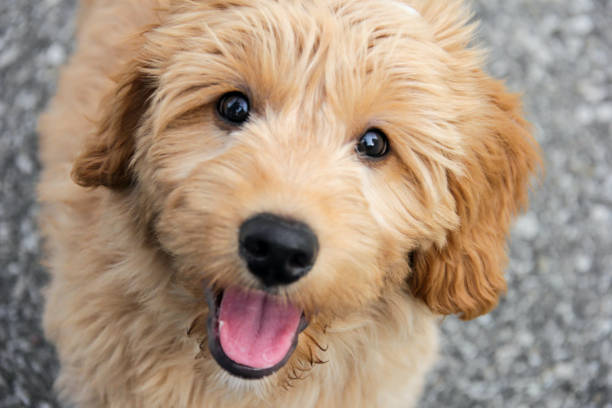
Bath time for a new puppy can be a daunting prospect, for both the puppy and the owner. A positive experience from the start is crucial for ensuring your puppy grows up to see bath time as a normal, even enjoyable, part of their routine, rather than a terrifying ordeal. This guide will walk you through how to make bath time a stress-free and ultimately positive experience for your furry friend.
I. Understanding Puppy Bath Time: The Why and When
- Why Bathe Your Puppy?
- Hygiene: Puppies can get dirty from playing, rolling, and exploring. Regular baths help keep them clean and free of dirt, mud, and potential irritants.
- Odor Control: Some breeds are more prone to “doggy smell” than others. Bathing helps manage this.
- Skin and Coat Health: Bathing can help distribute natural oils, keep their skin moisturized, and wash away loose fur and dander, which can be beneficial for dogs with certain skin conditions.
- Desensitization and Training: As mentioned, positive bath experiences are a vital part of puppy socialization and training. It teaches them to trust you in a vulnerable situation.
- When to Bathe Your Puppy:
- Puppies Under 12 Weeks: Generally, puppies don’t need frequent baths until they are a bit older and their natural oil production is more established. Over-bathing can strip their skin of essential oils. A good rule of thumb is to wait until they have had all their initial vaccinations before introducing them to full baths. If they get particularly messy, a targeted wipe-down with a damp cloth or puppy-safe wipes is often sufficient.
- Frequency for Older Puppies and Adult Dogs: This varies greatly depending on breed, coat type, activity level, and skin condition. For most puppies once they are old enough, once every 4-8 weeks is a good starting point. Some active dogs or those with oily coats might need baths more frequently, while others with dry skin may need them less often.
- Specific Needs: If your puppy rolls in something particularly unpleasant, gets into mud, or has a medical condition requiring medicated baths, you’ll need to adjust the schedule accordingly. Always consult your veterinarian for advice on specific skin or coat issues.
II. Pre-Bath Preparations: Setting the Stage for Success
Preparation is key to a smooth bath time. Gathering everything you need beforehand will prevent you from leaving a wet, unhappy puppy unattended.
- Gather Your Supplies:
- Puppy-Specific Shampoo: Never use human shampoo, as its pH balance is different and can irritate your puppy’s skin. Look for a mild, tear-free, oatmeal-based shampoo designed for puppies. If your puppy has specific skin issues, your vet can recommend a medicated shampoo.
- Towels: Have at least 2-3 large, absorbent towels ready. A microfiber towel is excellent for quickly absorbing water.
- Cotton Balls (Optional): Gently place a couple of cotton balls in your puppy’s ears to help prevent water from getting in. Do not push them in too deeply.
- Brush or Comb: Brush your puppy thoroughly before the bath, especially if they have a long or thick coat. This removes loose hair, mats, and any debris, making the bath more effective and preventing tangles from worsening.
- Non-Slip Mat: This is crucial for safety and confidence. Place a rubber mat or a towel in the tub or sink to provide traction.
- Treats: High-value, training treats that your puppy loves are essential for positive reinforcement.
- A Helper (Optional but Recommended): Especially for the first few baths, having another person to help hold, reassure, and reward your puppy can make a huge difference.
- Choose the Right Location:
- Sink: For very small puppies, a clean kitchen or bathroom sink can be a good option due to its manageable size and height. Ensure it’s free of any cleaning product residue.
- Bathtub: A walk-in shower or bathtub is ideal for larger puppies.
- Outdoor Tub (Weather Permitting): If you have a suitable setup and the weather is warm, an outdoor tub can be a fun alternative, especially for messy pups.
- Familiarize Your Puppy with the Area:
- Before the first bath, simply bring your puppy into the bathroom (or wherever you plan to bathe them) and let them explore. Offer treats and praise for calm behavior.
- Place them in the empty tub or sink for short periods, offering treats. This helps them associate the location with positive experiences.
III. The Bathing Process: Step-by-Step to a Clean and Happy Pup
The actual bathing process should be gentle, calm, and rewarding.
- Brush Your Puppy Thoroughly: As mentioned, this is a pre-bath step but crucial.
- Gently Introduce Them to the Water:
- Start by getting them used to the feel of water. Use a handheld showerhead on a gentle setting or a cup to slowly wet their fur, starting from their neck down to their tail. Avoid their head and face initially.
- Keep the water lukewarm. Test it on your wrist – it should feel comfortably warm, not hot or cold.
- Speak in a calm, reassuring tone throughout the process.
- Apply Shampoo:
- Dilute the puppy shampoo with water in a separate container (optional but can make it easier to lather).
- Lather the shampoo into their coat, working from neck to tail. Gently massage their skin.
- Avoid the eyes and ears. Use a washcloth or sponge to carefully clean their face, being very mindful of their eyes and inside their ears.
- Rinse Thoroughly:
- This is a critical step. Incomplete rinsing can leave shampoo residue that irritates the skin and dulls the coat.
- Use the showerhead or cup to rinse all the shampoo out. Start from the head and work your way down, ensuring no suds are left behind. Pay attention to areas like the legs, belly, and underarms.
- Wash the Face (Last):
- Use a damp washcloth, free of shampoo, to gently wipe your puppy’s face. If needed, very carefully use a tiny amount of diluted, tear-free shampoo around the muzzle and under the eyes, rinsing immediately with a clean, damp cloth.
- Towel Dry:
- Once rinsed, gently squeeze excess water from their fur.
- Wrap your puppy in a large towel and pat them dry. Be thorough but gentle. You may need to switch to a second or third towel.
- Blow Dryer (Optional and with Caution):
- If your puppy tolerates it, a hairdryer on the lowest heat and speed setting can speed up drying. Hold it at a distance and move it constantly to avoid overheating their skin. Introduce it gradually, associating the sound with treats. Many puppies find the noise frightening. Air drying in a warm room is often the best option.
- Final Brush:
- Once mostly dry, give your puppy a final brush to detangle any hairs and ensure their coat is smooth.
IV. Positive Reinforcement and Desensitization Techniques
The key to stress-free bath time is to make it a positive experience from the very beginning.
- Start Early: Introduce your puppy to water and bathing routines as soon as they are old enough and have had their necessary vaccinations.
- Short and Sweet: For the first few “baths” (or even just introductions to water in the tub), keep them very short. You might not even use shampoo initially. The goal is just to get them comfortable.
- High-Value Treats: Use treats that your puppy absolutely loves and only gets during bath time. This creates a strong positive association.
- Praise, Praise, Praise: Offer constant verbal praise in a happy, encouraging tone throughout the entire process.
- Never Force: If your puppy is showing extreme signs of fear or distress, don’t force them. Back off, end the session on a positive note (even if it’s just a treat for being in the bathroom), and try again another day with simpler steps.
- Playful Approach: Make it fun! You can even use waterproof toys in the tub.
- Calm Demeanor: Your puppy will pick up on your stress. Stay calm, relaxed, and confident, even if your puppy is struggling.
- “Happy Ending”: Always end the bath on a positive note. A great treat, a favorite toy, or a fun play session afterward can reinforce that bath time leads to good things.
V. Troubleshooting Common Puppy Bath Time Challenges
- Fear of Water:
- Start with just getting their paws wet.
- Gradually increase the amount of water.
- Use a cup to pour water instead of a showerhead if the sound is frightening.
- Ensure the water temperature is perfect.
- Fear of Slipping:
- A non-slip mat is essential.
- Speak calmly and offer reassurance.
- Hating the Sound of the Faucet/Shower:
- Use a cup to pour water.
- Try to get them used to the sound outside of bath time by playing it at a low volume while giving treats.
- Trying to Escape:
- Ensure you have a good grip or a helper.
- A grooming harness that attaches to the tub can be a lifesaver for some.
- Make sure the water isn’t too hot or cold, as this can be uncomfortable.
- Shaking Off Water Everywhere:
- This is natural dog behavior! Prepare for it.
- Gently cover them with a towel as soon as you’re done rinsing.
- Keep them in a contained area (like the bathroom) until they’re mostly dry.
- Eye Irritation:
- Use a tear-free shampoo.
- Be extremely careful around the face.
- Rinse thoroughly and immediately if any shampoo gets into their eyes.
VI. Beyond the Bath: Maintaining Cleanliness
- Regular Brushing: This is your first line of defense against dirt and tangles.
- Paw Wipes: Keep pet-safe grooming wipes or a damp cloth by the door for quick paw clean-ups after walks.
- Spot Cleaning: For minor messes, a damp cloth or puppy-safe grooming spray can often do the trick without a full bath.
- Dental Hygiene: While not related to bathing, maintaining good oral hygiene is crucial for your puppy’s overall health.
Conclusion:
Bath time, when approached with patience, preparation, and positive reinforcement, can transform from a dreaded chore into a bonding experience for you and your puppy. By making it a predictable, gentle, and rewarding routine, you’ll help your puppy develop confidence and see bath time as just another pleasant part of their day. Remember, consistency and a calm attitude are your greatest allies in this training endeavor. Happy bathing!





Add comment