
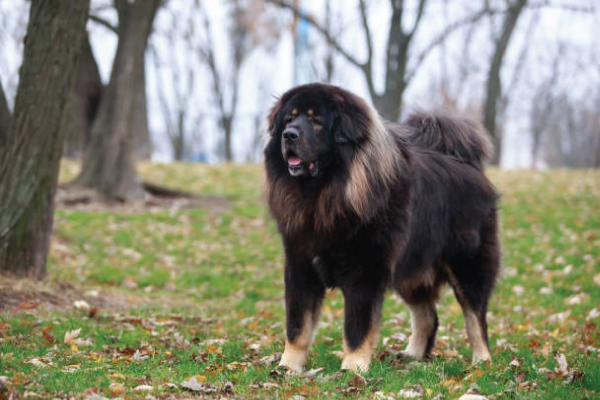
Bathing a long-haired dog, such as a Shih Tzu, Golden Retriever, Afghan Hound, or Maltese, is fundamentally different from bathing a short-haired dog. The process is not about simply getting the dog wet; it is a careful ritual designed to protect the coat from the greatest enemy: the mat.
A mat is a tight knot of hair, dirt, and oil that, when wet and scrubbed, tightens into a cement-like plug, often causing pain, skin irritation, and eventual necessity for shaving. This guide provides step-by-step instructions to ensure a stress-free, tangle-free bath.
PHASE I: Preparation – The Foundation of Mat Prevention
The most critical stage of mat prevention happens before a single drop of water touches the dog.
1. The Pre-Bath Brush-Out (Non-Negotiable)
If a dog has a mat that you cannot brush out dry, bathing will only make it worse and tighter.
- Tools Required:
- Slicker Brush: Used for general brushing and removing the bulk of dead coat.
- Metal Grooming Comb (or Greyhound Comb): The ultimate tool for finding hidden knots. It must be able to glide smoothly from the skin out.
- Detangling Spray (Optional but Recommended): Helps lubricate the hair shaft during the brush-out.
- Technique:
- Work through the coat in small sections, ensuring the brush reaches the skin.
- Pay special attention to friction areas: behind the ears, armpits, hocks (ankles), tail base, and the ‘pantaloon’ area.
- The Comb Check: After brushing a section with the slicker, run the metal comb through it. If the comb stops, you have missed a mat. Continue brushing/combing until the metal comb slides through the entire coat with zero resistance.
2. Gather All Supplies
Once the dog is wet, you cannot leave the room. Have everything staged and ready.
| Category | Essential Item | Rationale |
|---|---|---|
| Products | Dog-Specific Shampoo | Must be pH balanced for dogs. Dilute it 10:1 (or as instructions recommend) in a bottle before the bath. |
| Products | Deep Conditioner/Cream Rinse | Non-negotiable for long hair. Lubricates the coat for rinsing and drying, actively preventing tangles. |
| Tools | Cotton Balls | Place gently in the ears to prevent water from entering the ear canal (a major cause of ear infections). |
| Tools | Non-Slip Mat | Necessary for the tub/shower to prevent slips and anxiety. |
| Drying | Absorbent Towels | Several large, thirsty towels. |
| Drying | Forced-Air/High-Velocity Dryer | Mandatory for long-haired dogs. Air drying guarantees mats. |
| Drying | Slicker Brush | Needed during the drying process. |
3. Safety and Environment
Ensure the water temperature is comfortably lukewarm—never hot. Keep the products within arm’s reach.
PHASE II: The Bathing Process – Gentle, Directed Motion
The key rule during the bath is this: NEVER SCRUB THE COAT IN A CIRCULAR MOTION. Circular scrubbing (the way humans wash their hair) instantly braids and twists the dog’s delicate long coat, causing immediate matting.
1. Initial Wetting
- Use a spray nozzle attached to the faucet for maximum control.
- Start at the neck and work backward, fully saturating the hair all the way down to the skin. Focus on making sure the undercoat is soaked.
- Keep the head and face dry initially.
2. Shampoo Application
- Apply the pre-diluted shampoo directly onto the dog’s coat, focusing first on the areas that get the dirtiest (paws, belly, tail).
- The Squeezing Technique: Instead of scrubbing, use your fingers to squeeze the suds along the length of the coat in a downward, vertical motion. This cleans the hair shafts without twisting them.
- Do the head and face last. Use a damp washcloth for the muzzle area, avoiding the eyes and nose.
3. Thorough Rinsing (The Endurance Test)
- Rinsing must be exhaustive. Soap residue left on the skin attracts dirt faster and can cause severe skin irritation, leading the dog to scratch and create new mats.
- Rinse until you can squeeze a handful of hair and see only clear water. This usually takes two to three times longer than you think it should.
4. Conditioning
- After rinsing the shampoo, apply the deep conditioner. Long hair requires deep moisturizing to keep it slick and manageable.
- Work the conditioner through the coat using the same downward squeezing motion.
- Let the conditioner sit for the recommended time (usually 3–5 minutes) before rinsing. A good conditioning process allows the rinse water to run off the coat easily.
PHASE III: Drying – The Mat Monster Strikes
The final step is arguably the most critical. Allowing a long-haired dog to air dry is a guarantee of matting, as the coat curls and tangles as moisture evaporates.
1. Initial Towel Blotting
- Use thick towels to soak up excess water.
- BLOT, DO NOT RUB. Gently squeeze and pat the coat with the towels. Vigorously rubbing the coat creates friction, leading to immediate tangles and knots.
2. The High-Velocity Dryer (The Groomer’s Secret Weapon)
A high-velocity dryer (blower) blows water out of the coat rather than evaporating it with heat. This is essential for:
- Speed.
- Straightening the coat.
- Separating the individual hair shafts.
- Set the dryer on a low or medium heat setting if applicable (many human hair dryers are too hot and should be avoided unless they have a cold setting).
- Start blowing the dog from the rear, holding the nozzle close to the skin.
- Move the dryer continuously. Never hold the air in one spot for too long.
- Protect the Dog’s Ears: Since these dryers are loud, use the cotton balls and hold your hand over the dog’s closest ear for extra protection.
3. Line Drying and Brushing Simultaneously
This is the professional technique for a straight, mat-free finish.
- While using the dryer with one hand, continually brush the drying section with the slicker brush with the other hand.
- Technique: Part the hair horizontally. Hold the hair above the part up, and dry/brush the small section below the part until it is completely dry. Then drop another small section and repeat. This is known as line drying.
4. The Final Comb Check
When the dog appears fully dry, perform another thorough comb-check over the entire body with the metal comb. If the comb glides smoothly from root to tip in every section, the job is complete. If you hit resistance, dry and brush that spot again.
PHASE IV: Maintenance and Troubleshooting
Common Mistakes to Avoid
| Mistake | Consequence | Prevention |
|---|---|---|
| Skipping The Pre-Bath Brush | Any existent tangle tightens permanently. | Always perform a full comb-check before the bath. |
| Circular Scrubbing | Instantly creates mats and braids long hair. | Use the downward squeezing/massaging technique only. |
| Air Drying | Causes the coat to curl and felt together, leading to massive matting. | Use a high-velocity dryer for 100% of the drying process. |
| Skipping Conditioner | Leaves the hair dry, coarse, and prone to static and tangles. | Use a deep conditioning rinse every time. |
Ongoing Maintenance
- Brush Regularly: Long-haired dogs need brushing 3–5 times a week, paying special attention to friction zones.
- Use Detangling Spray: A light spritz of detangling or conditioning spray before brushing helps hair breakage.
- Schedule Regular Professional Grooming: Even if you bathe at home, skilled professional groomers can handle deep de-shedding and trimming every 4-8 weeks to keep the coat in peak condition.
============================
#LongHairedDogs, #DogGrooming, #BathingDogs, #PreventingMats, #DogTangles, #PetCare, #GroomingTips, #DogHealth, #CanineGrooming, #CoatCare





Add comment