
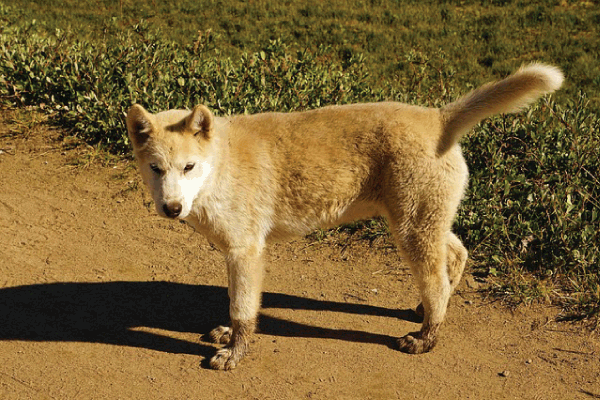
The buzzing of bees, a ubiquitous sound of summer, can bring a mixture of joy and apprehension to dog owners. While most dogs will experience only mild discomfort from a bee sting, a significant minority can develop severe, life-threatening allergic reactions. Understanding bee sting allergies in dogs is crucial for prompt recognition, effective management, and ultimately, the well-being of our canine companions. This guide delves deep into the intricacies of bee sting allergies in dogs, covering everything from the initial sting to long-term management and prevention.
Understanding Bee Stings and Allergic Reactions in Dogs
The Anatomy of a Sting: When a bee stings, its barbed stinger remains embedded in the skin, continuing to pump venom into the victim. This venom contains a complex cocktail of proteins and enzymes, including hyaluronidase, phospholipase A2, and melittin, which trigger pain, inflammation, and itching.
The Immune System’s Role: In most dogs, the immune system mounts a localized, manageable response to the venom. However, in some individuals, a hypersensitivity develops. This means their immune system overreacts to specific components of the bee venom. Upon subsequent exposure, the body releases a surge of histamine and other inflammatory mediators, leading to a cascade of allergic symptoms.
Anaphylaxis: The Silent Killer: The most severe form of allergic reaction is anaphylaxis, a systemic and rapid-onset hypersensitivity. This is a medical emergency that requires immediate veterinary attention. Anaphylaxis occurs when the immune system releases a massive amount of histamine throughout the body, causing widespread blood vessel dilation, bronchoconstriction (tightening of airways), and a drop in blood pressure.
Recognizing the Signs and Symptoms of Bee Sting Reactions in Dogs
The presentation of a bee sting reaction in dogs can range from mild and localized to severe and life-threatening. It’s vital to be able to distinguish between these different levels of severity.
Mild Reactions (Localized):
- Pain and Discomfort: The dog may yelp, whine, or appear distressed immediately after the sting.
- Swelling at the Sting Site: This is the most common sign. A raised, red, and often warm lump will appear where the stinger entered. The swelling can vary in size, from a small bump to a larger, more noticeable area.
- Licking or Scratching at the Sting Site: The dog will likely focus its attention on the affected area due to pain and itching.
- Limping (if stung on paw or leg): If the sting is on a limb, the swelling and pain can cause the dog to favor that leg.
Moderate Reactions:
- More Widespread Swelling: Beyond the immediate sting site, swelling can spread to adjacent areas, such as the muzzle, face, eyelids, or even the entire limb.
- Increased Itching (Pruritus): The dog may be more restless, scratch more aggressively, or rub against objects.
- Mild Vomiting or Diarrhea: Gastrointestinal upset can occur as the body’s inflammatory response escalates.
- Panting or Restlessness: The dog may appear anxious or uncomfortable.
Severe Reactions (Anaphylaxis):
- Rapid and Widespread Swelling: This is a hallmark of anaphylaxis. Swelling can affect the face, muzzle, throat, or even the entire body, leading to a characteristic “puffy” appearance. Swelling of the airways is particularly dangerous.
- Difficulty Breathing (Dyspnea) or Wheezing: The tight airways make it hard for the dog to inhale, leading to labored breathing, gasping, or wheezing sounds. This is a critical sign.
- Pale Gums (Mucous Membranes): This indicates poor oxygenation or shock. The gums, normally pink, may appear white, blue, or dusky.
- Weakness and Lethargy: The dog may become suddenly weak, collapse, or appear extremely tired.
- Vomiting and Diarrhea: Severe gastrointestinal distress can occur.
- Increased Heart Rate and Weak Pulse: The cardiovascular system struggles to cope with the anaphylactic shock.
- Collapse and Loss of Consciousness: In the most severe cases, the dog may become unresponsive.
Important Considerations Regarding Symptom Onset:
- Timing: Symptoms can appear within minutes of the sting, or they may take several hours to develop, particularly for less severe reactions or if the dog has a slower metabolism.
- Location of Sting: A sting to the face or throat is far more dangerous due to the potential for airway obstruction. Stings on the paws or legs are generally less immediately life-threatening but can still cause significant discomfort and swelling.
- Multiple Stings: If a dog is stung by multiple bees, the venom load is higher, increasing the risk of a severe reaction, even in dogs that have previously only had mild responses.
Diagnosing Bee Sting Allergies in Dogs
Diagnosing a bee sting allergy in dogs typically involves a combination of history, physical examination, and sometimes diagnostic tests.
1. Veterinary History and Physical Examination:
The veterinarian will begin by asking you detailed questions about the incident:
- When and where did the incident occur?
- Did you witness the sting or see bees around your dog?
- What symptoms did you observe, and when did they start?
- Has your dog had similar reactions in the past?
- What is your dog’s general health status and medical history?
The veterinarian will then perform a thorough physical examination, looking for:
- The Sting Site: Identifying the location of the sting and assessing the degree of local swelling and redness. They will also check for the presence of the stinger.
- Signs of Anaphylaxis: Checking gum color, listening to the lungs for wheezing or abnormal sounds, assessing the dog’s heart rate and pulse, and evaluating for widespread swelling.
2. Identifying the Stinger:
The veterinarian will carefully search for the bee stinger. If found, it will be removed promptly to prevent further venom injection. This can be done by gently scraping it away with a credit card or a similar flat object, avoiding squeezing the venom sac.
3. Ruling Out Other Conditions:
It’s important for the veterinarian to differentiate a bee sting reaction from other conditions that can cause similar symptoms, such as:
- Insect Bites (other than bees): Mosquito bites, ant bites, or spider bites can cause localized swelling and irritation.
- Other Allergic Reactions: Food allergies, environmental allergies, or reactions to contact irritants can manifest with skin inflammation and itching.
- Infections: Bacterial or fungal infections can cause localized redness, swelling, and pain.
- Trauma: A bruise or sprain can cause swelling and lameness.
- Foreign Body Reaction: A splinter or other foreign object embedded in the skin can cause inflammation.
4. Diagnostic Tests (Less Common for Initial Sting, More for Recurrent Allergies):
- Allergy Testing: In cases of recurrent or suspected severe bee sting allergies, an veterinary allergist may recommend intradermal skin testing or serum allergy testing (blood tests). These tests can help identify specific allergens, including bee venom components, to which the dog is hypersensitive. However, these tests are not typically performed immediately after a single sting and are more useful for long-term allergy management.
- Blood Work: In severe cases, blood work might be done to assess organ function, check for signs of inflammation or infection, and monitor overall health, especially if the dog is in shock.
Treatment of Bee Sting Reactions in Dogs
The treatment of a bee sting reaction depends entirely on its severity. Prompt and appropriate action is crucial, especially in cases of suspected anaphylaxis.
Immediate First Aid (If You Suspect a Sting):
- Remove the Stinger: Carefully scrape the stinger out with a credit card or fingernail. Do not squeeze the venom sac.
- Clean the Area: Gently wash the sting site with mild soap and water.
- Apply a Cold Compress: A cool, damp cloth or ice pack (wrapped in a towel) can help reduce swelling and numb the pain. Apply for 10-15 minutes at a time.
- Monitor Closely: Observe your dog for any signs of worsening symptoms, especially difficulty breathing or widespread swelling.
Veterinary Treatment:
For Mild to Moderate Reactions:
- Antihistamines: Over-the-counter or prescription antihistamines (e.g., diphenhydramine – Benadryl, cetirizine – Zyrtec, loratadine – Claritin) are often prescribed to counteract the effects of histamine and reduce itching and swelling. Always consult your veterinarian for the correct dosage for your dog, as human medications can be toxic in inappropriate amounts.
- Topical Steroids: In some cases, a mild topical corticosteroid cream or ointment may be recommended to reduce inflammation and itching at the sting site.
- Pain Relief: If the dog is in significant pain, your veterinarian may prescribe a mild pain reliever.
- Observation: The veterinarian will monitor the dog for a period to ensure symptoms are improving and not escalating.
For Severe Reactions (Anaphylaxis):
Anaphylaxis is a life-threatening emergency requiring immediate veterinary intervention.
- Epinephrine (Adrenaline): This is the cornerstone of anaphylaxis treatment. Epinephrine is a potent medication that rapidly constricts blood vessels, raises blood pressure, dilates airways, and reduces swelling. It is usually administered via injection.
- Intravenous (IV) Fluids: IV fluids are given to maintain blood pressure and combat shock.
- Oxygen Therapy: If the dog is struggling to breathe, oxygen therapy will be administered.
- Corticosteroids: While their action is slower than epinephrine, corticosteroids (e.g., prednisone) are administered to reduce inflammation and prevent a secondary, delayed allergic reaction.
- Antihistamines: Injectable antihistamines may also be given.
- Bronchodilators: If airway constriction is severe, medications to open the airways may be used.
- Hospitalization and Monitoring: Dogs experiencing anaphylaxis will require hospitalization and intensive monitoring to ensure they stabilize and recover.
Important Note on Emergency Preparedness:
For dogs with a known history of severe bee sting allergies, veterinarians may:
- Prescribe an Epinephrine Auto-Injector: Similar to the EpiPen used in humans, these can be prescribed for owners to administer at home in case of a suspected anaphylactic reaction. Proper training on how and when to administer this is crucial.
- Provide a written emergency action plan.
- Advise on carrying antihistamines and how to administer them.
Prevention Strategies for Bee Sting Allergies in Dogs
While it’s impossible to eliminate all bee encounters, certain strategies can significantly reduce the risk of your dog being stung and developing an allergic reaction.
1. Environmental Awareness and Modification:
- Be Vigilant in High-Risk Areas: Be extra cautious when walking your dog in areas where bees are prevalent, such as flower gardens, meadows, orchards, and near flowering bushes or trees.
- Avoid Disturbing Nests: Teach your dog to avoid disturbing bee nests or swarms. If you discover a nest, consider professional removal.
- Keep Outdoor Areas Clean: Clean up fallen fruit and other potential attractants for bees in your yard.
- Discourage Chasing: Prevent your dog from chasing bees or other flying insects. This is a common way for dogs to get stung.
- Supervise Outdoor Play: Always supervise your dog when they are playing outdoors, especially during warmer months.
2. Dietary Considerations:
- Avoid Sweet Smells: Bees are attracted to sweet scents. Avoid using sweet-smelling treats or perfumes on your dog before heading outdoors. Ensure your dog hasn’t eaten anything sweet shortly before outdoor activities.
- Clean Up After Meals: Ensure there are no spilled sweet drinks or food remnants left outdoors that could attract bees.
3. Protective Measures:
- Leash Control: Keep your dog on a leash, especially in areas where bee activity is high. This gives you better control to steer them away from potential hazards.
- Grooming: Regularly groom your dog to remove any debris or burrs that might attract insects.
- Consider Protective Gear (for specific situations): While not practical for everyday use, for dogs with extreme allergies or those who frequent high-risk areas, specialized protective dog vests or suits might be considered, although these are rare.
4. Allergy Management and Desensitization:
- Know Your Dog’s History: If your dog has a known bee sting allergy, discuss long-term management strategies with your veterinarian.
- Allergy Shots (Immunotherapy): Similar to humans, dogs with diagnosed bee sting allergies may benefit from allergy shots. This involves gradually exposing the dog to small, controlled amounts of the allergen over time to desensitize their immune system. This is a long-term commitment but can significantly reduce the severity of reactions.
- Emergency Preparedness: Ensure you have emergency medications (as prescribed by your vet):
- Epinephrine auto-injector: If your vet prescribes one, ensure you know how to use it, where it’s stored (cool, accessible place), and its expiration date.
- Antihistamines: Have a supply of your dog’s prescribed antihistamines and know the correct dosage.
5. Educating Yourself and Your Family:
- Recognize Symptoms: Ensure all members of your household know the signs of a bee sting reaction, especially the warning signs of anaphylaxis.
- Emergency Plan: Have a clear emergency plan in place, including knowing the quickest route to your veterinarian or nearest emergency animal hospital. Keep their phone numbers readily accessible.
Long-Term Outlook and Prognosis
The long-term outlook for a dog with bee sting allergies depends heavily on the severity of their reactions and how well their allergies are managed.
- Mild to Moderate Reactions: Dogs that experience only localized swelling and discomfort typically have a good prognosis. With appropriate first aid and veterinary care, they recover fully. The main concern is preventing future stings and recognizing if a subsequent sting causes a more severe reaction.
- Severe Reactions (Anaphylaxis): Anaphylaxis is a life-threatening event. While prompt and aggressive veterinary treatment can save a dog’s life, it often requires hospitalization and intensive care. Dogs that survive anaphylaxis are at a higher risk of experiencing severe reactions to future stings. This necessitates vigilant prevention and a well-defined emergency plan.
- Allergy Management: For dogs with a history of severe reactions, long-term allergy management through immunotherapy (allergy shots) can be highly effective in reducing the frequency and severity of allergic responses. This requires a significant commitment from the owner but can greatly improve the dog’s quality of life and reduce emergency situations.
- Recurrence: It’s important to understand that a dog’s sensitivity can change over time. A dog that has only had mild reactions in the past could develop a severe systemic reaction to a future sting. Conversely, consistent immunotherapy can make severe reactions less likely.
When to Seek Veterinary Care: A Critical Checklist
It is always best to err on the side of caution when you suspect your dog has been stung by a bee. Contact your veterinarian immediately if you observe any of the following:
- Any signs of difficulty breathing: Gasping, wheezing, rapid or labored breathing.
- Significant and rapid swelling: Especially if it involves the face, muzzle, or throat.
- Pale or bluish gums.
- Sudden weakness, lethargy, or collapse.
- Vomiting or diarrhea that is severe or persistent.
- If you know your dog has a history of severe bee sting allergies.
- If your dog has been stung multiple times.
- If you are unsure about the severity of the reaction or how to proceed.
Even for seemingly mild reactions, it’s a good idea to call your veterinarian for advice on home care and to discuss potential risks. They can guide you on appropriate dosages of antihistamines and when to seek further medical attention.
Conclusion: Empowering Owners for a Safer Summer
Bee sting allergies in dogs, while potentially alarming, are manageable with knowledge, vigilance, and prompt action. By understanding the signs of allergic reactions, knowing how to provide immediate first aid, and working closely with your veterinarian for treatment and prevention strategies, you can significantly safeguard your canine companion. Empowering yourself with this comprehensive understanding allows you to enjoy the outdoors with your dog with greater confidence, ensuring that the buzz of summer remains a pleasant soundtrack to your adventures, rather than a cause for concern. Remember, early recognition and decisive action are key to ensuring the best possible outcome for your furry family member.
#dogbeestings, #caninebeestings, #dogallergy, #dogallergyawareness, #doghealth, #dogcare, #dogwellness, #anaphylaxisindogs, #dogfirstaid, #dogemergency, #vetadvice, #dogtips, #pethealth, #petcare, #summervibes, #dogsofinstagram, #doglovers, #doglife, #preventbeestings, #doganaphylaxis, #insectallergiesindogs, #doghealthtips, #dogowner, #safedogsummer, #dogemergencyplan.







Add comment