
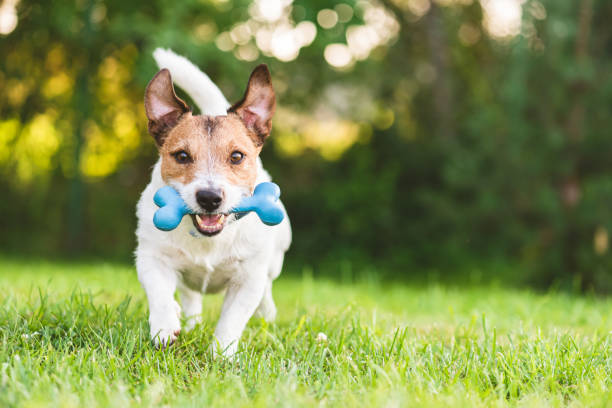
Puppy kindergarten and basic obedience classes are invaluable for any new dog owner, offering a structured environment for puppies to learn crucial life skills and for owners to build a strong bond with their furry companions. These classes go far beyond simply teaching “sit” and “stay”; they are foundational to raising a well-adjusted, confident, and well-behaved dog.
Here’s a comprehensive and elaborate guide to the benefits of puppy kindergarten and basic obedience classes:
I. Benefits of Puppy Kindergarten (Typically for puppies 8-16 weeks old):
Puppy kindergarten is specifically designed for very young puppies and focuses on early socialization and foundational learning. The benefits here are immense and can set the stage for a lifetime of good behavior.
A. Crucial Socialization Period:
- Exposure to a Variety of Stimuli: This is arguably the most critical benefit of puppy kindergarten. Puppies are in a sensitive window for socialization between 3 and 16 weeks old. During this time, they are like sponges, absorbing information about the world. Kindergarten provides a safe and controlled environment to introduce them to:
- Other Puppies: Learning appropriate play behavior, bite inhibition (learning how hard they can mouth without causing pain), and understanding canine body language are vital for future interactions with other dogs.
- Different People: Exposure to various ages, heights, genders, ethnicities, and even people wearing hats or using canes helps prevent fear and reactivity later in life.
- New Environments: Experiencing different sights, sounds (vacuum cleaners, doorbells, traffic noises), and textures (different flooring, grass, gravel) desensitizes them to common household and outdoor stimuli.
- Gentle Handling: Getting used to being touched by different people, having their paws, ears, and mouth examined, lays the groundwork for stress-free vet visits and grooming.
- Preventing Future Behavioral Problems: Inadequate socialization is a leading cause of fear-based aggression, anxiety, and phobias in adult dogs. Early positive experiences in a controlled setting can significantly mitigate these risks.
B. Early Learning and Foundation Building:
- Positive Association with Learning: Kindergarten classes are designed to be fun and rewarding. This helps puppies develop a positive outlook on training and learning, making them more receptive to future lessons.
- Introduction to Basic Cues: While not the primary focus, puppies can begin to learn simple cues like “sit,” “come,” and “down” using positive reinforcement methods. This provides an early start on obedience.
- House Training Support: While parents are often doing the bulk of house training, instructors can offer advice and strategies to reinforce good habits and address challenges.
- Bite Inhibition: Puppies learn to control the pressure of their bites through play with other puppies. If a puppy bites too hard, the other puppy yelps and disengages, teaching the biting puppy to be gentler.
C. Owner Education and Support:
- Guidance from Professionals: Experienced trainers provide invaluable advice on puppy behavior, common challenges (chewing, nipping, leash pulling), and appropriate management strategies.
- Learning Proper Training Techniques: Owners learn how to communicate effectively with their puppies using positive reinforcement, clicker training, and other humane methods.
- Building Confidence: Gaining knowledge and seeing their puppy succeed in class boosts owners’ confidence in their ability to raise a well-behaved dog.
- Community and Support Network: Connecting with other new puppy owners provides a support system to share experiences, ask questions, and celebrate successes.
II. Benefits of Basic Obedience Classes (Typically for puppies and adolescent dogs, building upon kindergarten or starting fresh):
Basic obedience classes aim to solidify foundational manners and introduce more advanced commands and concepts.
A. Solidifying Core Obedience Skills:
- Reliable Recall (“Come”): A strong recall is a lifesaver. Classes teach owners how to train a dog to come when called, even with distractions, which is crucial for safety and freedom.
- Leash Manners (“Loose-Leash Walking”): Teaching a dog to walk calmly on a leash without pulling is essential for enjoyable walks and prevents potential injuries to both dog and owner.
- Impulse Control: Dogs learn to resist immediate gratification, which is vital for preventing jumping, counter-surfing, and other undesirable behaviors. Exercises like “leave it” and “wait” are key here.
- Polite Greetings: Dogs learn to greet people and other dogs appropriately, without overwhelming excitement or aggression.
- “Sit,” “Stay,” and “Down” Reliability: These foundational commands are reinforced and taught with increasing duration, distance, and distractions, making them useful in real-world scenarios.
B. Addressing Common Behavioral Challenges:
- Nuisance Barking: Trainers can offer strategies to manage and reduce excessive barking.
- Jumping on People: Classes teach techniques to discourage jumping and encourage polite requesting of attention.
- Chewing and Destructive Behavior: While often rooted in boredom or anxiety, obedience classes can help redirect chewing behavior and address underlying needs.
- Potty Training Issues (for older puppies/adolescents): Reinforce good habits and address accidents with appropriate strategies.
C. Strengthening the Human-Animal Bond:
- Improved Communication: Consistent training and clear communication foster a deeper understanding between owner and dog.
- Increased Trust and Respect: When dogs understand expectations and are rewarded for meeting them, they develop trust and respect for their owners.
- Shared Activity and Quality Time: Training sessions are dedicated, focused time together, strengthening the emotional connection.
- Problem-Solving Together: Tackling training challenges as a team builds a sense of partnership.
D. Enhancing Safety and Control:
- Preventing Escapes: A reliable recall and understanding of boundaries can prevent a dog from running off.
- Managing Interactions: Knowing how to control your dog in various situations, like at the park or vet’s office, ensures everyone’s safety.
- Deeper Understanding of Dog Body Language: Trainers often teach owners to better recognize and interpret their dog’s signals, allowing for proactive intervention before problems escalate.
E. Preparing for Future Training and Activities:
- Foundation for Advanced Training: Basic obedience is the stepping stone to more specialized training like agility, nose work, or therapy dog work.
- Increased Confidence for Both Dog and Owner: A well-trained dog is a more confident dog, and owners who feel in control are more likely to explore new activities with their pets.
- Better Canine Citizen: Dogs that have gone through obedience training are more integrated into society, making them welcome in more places.
III. Key Elements of Effective Puppy Kindergarten and Obedience Classes:
To reap the full benefits, it’s important to choose a class that employs modern, humane training methods. Look for:
- Positive Reinforcement: Utilizing rewards such as treats, praise, and toys to encourage desired behaviors. This builds a positive association with training.
- Qualified and Experienced Instructors: Certified trainers with a strong understanding of canine behavior and learning theory.
- Small Class Sizes: Allows for more individualized attention and less overwhelming environments for puppies.
- Focus on Socialization (for puppy classes): A safe and controlled environment for puppies to interact with peers.
- Clear Communication and Structure: Classes should be well-organized with clear instructions for owners.
- Emphasis on Management: Trainers should provide practical advice on how to manage your puppy’s environment and prevent unwanted behaviors between sessions.
- Owner Education: The class should empower owners with knowledge and skills to continue training at home.
Conclusion:
Investing in puppy kindergarten and basic obedience classes is one of the most important investments a dog owner can make. These programs offer a structured, supportive, and educational environment that fosters crucial socialization, builds essential life skills, strengthens the bond between dog and owner, and ultimately leads to a well-behaved, confident, and happy canine companion for years to come. The benefits extend far beyond the classroom, impacting the dog’s entire life and contributing to a more harmonious relationship with their human family and the wider community.







Add comment