
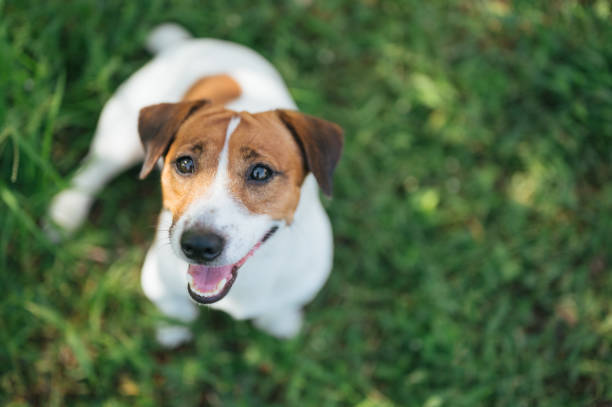
It’s wonderful that you’re looking for engaging ways to enrich your dog’s life beyond traditional fetch! Many dogs, due to age, health conditions, or even just personality, can’t or don’t enjoy high-Impact activities like jumping and running. But that absolutely doesn’t mean they can’t have a blast and stay mentally and physically stimulated.
This guide is all about uncovering those “beyond fetch” activities, ensuring every dog, regardless of their physical limitations, can experience joy, build confidence, and strengthen their bond with you.
Understanding Your Dog’s Needs
Before diving into specific activities, it’s crucial to understand your dog’s individual capabilities and limitations.
- Consult Your Veterinarian: This is paramount. Discuss your dog’s health status, any diagnosed conditions (arthritis, hip dysplasia, heart conditions, respiratory issues, etc.), and what activities they can safely participate in. Your vet can provide specific recommendations and limitations.
- Observe Your Dog: Pay attention to their body language. Do they show signs of pain, fatigue, or discomfort during certain movements? Are they more interested in sniffing than chasing? Do they prefer gentle interaction?
- Consider Age: Puppies have different energy levels and developmental needs than senior dogs.
- Breed Predispositions: While not a strict rule, some breeds are more prone to certain joint issues.
- Personality: Some dogs are naturally more reserved, while others are boisterous. Tailor activities to their temperament.
The Pillars of Enrichment: Beyond Physical Exertion
Enrichment isn’t just about burning energy; it’s about stimulating your dog’s senses, intellect, and emotional well-being. The best “beyond fetch” activities often engage multiple of these pillars:
- Mental Stimulation: Engaging their brains is incredibly rewarding and tiring for dogs.
- Sensory Exploration: Tapping into their powerful sense of smell and hearing.
- Gentle Physical Activity: Maintaining muscle mass and flexibility without high impact.
- Social Interaction: Positive experiences with you and (if appropriate) other calm dogs or people.
- Building Confidence: Successfully completing tasks and experiencing new things.
Fun Alternatives for Dogs Who Can’t Jump or Run: A Comprehensive Guide
Here’s an in-depth look at fantastic activities, categorized for clarity:
1. The Power of the Nose: Scent Work & Nose Games
This is arguably the ultimate “beyond fetch” activity for dogs of all ages and abilities. Dogs have an incredible sense of smell, and engaging it is deeply satisfying and mentally exhausting.
- Scent Games Around the House:
- “Find It” (Treat Toss): Start simple. Show your dog a treat, then toss it a short distance while they watch. Say “Find it!” Let them gobble it up. Gradually increase the distance or toss it behind furniture.
- Muffin Tin Game: Place treats in a few cups of a muffin tin and cover all the cups with tennis balls (or other safe objects). Let your dog figure out how to get the treats. This is great for problem-solving.
- Snuffle Mats: These fabric mats have various nooks and crannies where you can hide kibble or treats. Dogs use their noses to forage for their food, mimicking natural behavior.
- Towel/Blanket Hide: Lay a towel or blanket flat and scatter treats or kibble on it. Then, scrunch it up loosely. Your dog has to use their nose to untangle and find the goodies.
- Scent Boxes (Advanced): Use small, opaque containers (like takeaway boxes) with holes poked in them. Hide a single, high-value treat in one box and present them. Once they understand, hide more boxes with and without treats, varying the difficulty of location.
- Formal Scent Work (Canine Nose Work/N.D.A. /AKC Scent Work):
- These structured programs teach dogs to find specific target odors (like birch, anise, or clove) in various environments (containers, rooms, outdoor areas).
- Benefits: Highly rewarding, builds confidence, excellent for shy or anxious dogs, can be done at your dog’s pace, and offers a strong bond between handler and dog. You can often participate in classes or even DIY at home with proper guidance.
2. Brain Games & Puzzle Toys
These are designed to make your dog think and problem-solve.
- Interactive Treat Dispensing Toys: Kongs (stuffed with kibble, peanut butter, yogurt, or wet food and frozen for a longer challenge), West Paw Zogoflex Bumi or Tux, Nina Ottosson puzzles are excellent examples.
- DIY Puzzles:
- Water Bottle Flip: Clean an empty plastic bottle, poke a few large holes in it, and fill it with kibble. Your dog has to roll and nudge it to get the food out.
- Cardboard Box Excavation: Place a few treats or a toy inside a cardboard box, then stuff it loosely with crumpled paper. Your dog gets to “destroy” the box to get the prize.
- “Shell Game” with Treats: Place three opaque cups or bowls on the floor. Show your dog a treat and place it under one cup. Shuffle the cups slowly and let your dog indicate which one has the treat.
3. Gentle Physical Activities & Mindful Movement
While running might be out, controlled movement is still important.
- Leash Walking with a Purpose:
- Focus on Sniffing: Let your dog lead the way and explore with their nose. Stop frequently to allow them to investigate interesting smells. This is incredibly enriching.
- Vary Routes: Explore new neighborhoods, parks (on leash), or even just different areas of your own yard. New sights and smells are stimulating.
- “Slow” Walks: Intentionally walk at your dog’s pace, allowing them to take it all in.
- Controlled Carting or Pulling (for suitable breeds and conditions): If your dog has good spinal health and enjoys pulling, a harness and a very light cart can be a fun, low-impact activity for walks. Consult your vet and a professional trainer.
- Swimming: If your dog enjoys water and has no contraindications (ear infections, skin issues, fear), swimming is an excellent, low-impact exercise. Always supervise closely and use a doggy life vest for safety.
- Gentle Grooming Sessions: Beyond cleanliness, grooming can be a bonding experience. Use it as an opportunity for gentle massage and to check for any sore spots.
- “Go Find” with Favorite Toys (Not Chasing): Hide a favorite, non-squeaky (to avoid encouraging prey drive) plush toy around a room or yard. Encourage your dog to go find it. This is a less intense version of a treasure hunt.
4. Trick Training & Obedience with a Twist
Training sharpens the mind and builds confidence. Focus on positive reinforcement and exercises that don’t involve jumping.
- Basic Obedience Refresher: Practice sit, stay, down, come, leave it, etc., in different locations to keep it interesting.
- Novel Tricks:
- “Paw” or “Shake”: A classic that requires minimal physical exertion.
- “Spin” or “Twirl”: Can be taught with subtle body cues.
- “Bow”: A gentle, full-body stretch.
- “Targeting”: Teaching your dog to touch your hand or a target stick with their nose. Great for luring into positions.
- “Weave” (Low Object): You can teach a “weave” through your legs or low objects, no jumping required.
- Agility for Less Mobile Dogs: Some agility instructors offer modified courses or focus on “rally obedience” type exercises that encourage precise movement and listening without high jumps or tight turns.
5. Social Interaction & Calm Companionship
For some dogs, simply being present and engaged with their humans is the most important enrichment.
- Cuddle Sessions: Dedicated time for petting, massage, and just being close.
- “People Watching” from a Window or Porch: Let your dog observe the world go by at their own pace.
- Calm Doggy Playdates (if applicable): If your dog enjoys the company of other calm, well-behaved dogs, arrange short, supervised playdates in a neutral, safe space. Focus on polite greetings and gentle interaction.
- Therapy Dog Work (if appropriate): If your dog has a calm temperament and enjoys meeting people, training for therapy dog visits can be incredibly rewarding for them and those they visit.
6. Musical Enrichment & Relaxation
- Calming Music: There are specific playlists of music designed to relax dogs. Play this during quiet times or stressful periods.
- Singing/Talking to Your Dog: Your voice can be a source of comfort and engagement.
Important Considerations for Safety and Success
- Gradual Introduction: Introduce new activities slowly and observe your dog’s response.
- Positive Reinforcement is Key: Use praise, treats, and toys to reward desired behaviors. Never punish or force your dog.
- High-Value Treats: For training and games, use extra-special treats your dog absolutely loves.
- Short Sessions: Keep training and play sessions short and fun, especially at first (5-15 minutes). End on a positive note.
- Monitor for Fatigue and Discomfort: Always be attuned to your dog’s signals. If they seem tired, bored, or uncomfortable, stop the activity.
- Hydration: Ensure your dog has access to fresh water, especially during warmer weather or after any physical exertion.
- Environment: Choose safe, predictable environments for activities. Avoid slippery surfaces or areas with hazards.
- Consistency: Regular engagement in these activities will yield the best results.
Embracing the Journey
Life beyond fetch is rich with possibilities. By understanding your dog’s unique needs and embracing a variety of mentally and gently physically stimulating activities, you can ensure they live a happy, healthy, and fulfilled life. The greatest reward is seeing your dog’s tail wag, their ears perk up, and their eyes shine with joy, knowing they are loved, understood, and having a fantastic time – no jumping or running required!







Add comment