
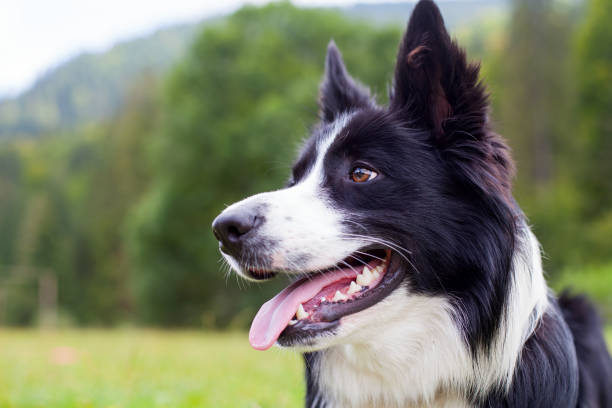
The scene is familiar to almost every dog owner: your beloved canine companion is doing something they shouldn’t. Maybe they’re chewing on your favorite slipper, counter surfing for scraps, or enthusiastically greeting a guest with a full-body jump. Your immediate, almost instinctive reaction? A sharp, often frustrated, “NO!”
For generations, this “No!” – accompanied by scolding, leash corrections, or even more forceful methods – has been the go-to response for unwanted dog behaviors. It stems from a traditional, often dominance-based, understanding of dog training, where the goal was to suppress undesirable actions through intimidation or discomfort. While a quick “No!” might momentarily interrupt a behavior, it rarely teaches a dog what you do want them to do. More often than not, it creates confusion, fear, and can even damage the precious bond you share.
But what if there was a better way? A way that not only effectively teaches your dog desirable behaviors but also strengthens your relationship, builds their confidence, and makes training a joyful experience for both of you? Enter positive reinforcement – a scientifically proven, humane, and incredibly powerful approach to dog training that moves far beyond the limitations of “No!”
This comprehensive guide will delve deep into the world of positive reinforcement, unraveling its principles, techniques, and far-reaching benefits. We will explore why it works, how to implement it effectively, and how it can transform your relationship with your canine companion, empowering them to become a happy, confident, and well-behaved member of your family. Prepare to discover a training philosophy that celebrates success, clarifies communication, and fosters a partnership built on trust and mutual understanding.
The Problem with “No!” (And the Pitfalls of Aversive Methods)
Before we fully embrace the power of positive reinforcement, it’s crucial to understand why its traditional counterpart, the ubiquitous “No!” and other aversive methods, often fall short and can even be detrimental.
The Ineffectiveness of “No!” for Teaching
At its core, “No!” is a stopper. It tells your dog to stop doing that thing. But what does it tell them to do instead? Absolutely nothing.
Imagine you’re learning a new language. Every time you make a mistake, someone shouts “No!” at you. You’d quickly become anxious and hesitant, but you still wouldn’t know the correct way to form the sentence. Dogs learn in a similar fashion. When they jump on a guest and you shout “No!”, they might stop jumping in that moment, but they haven’t learned how to greet politely. They’ve simply learned that jumping when you’re present (or looking) might lead to an unpleasant sound. They might still jump when you’re not looking, or they might become hesitant to greet anyone, unsure of what the “right” behavior is.
“No!” is a form of positive punishment (adding something aversive to decrease a behavior). While punishment can suppress behavior, it doesn’t teach an alternative. It leaves a void in the dog’s understanding, often leading to:
- Confusion: The dog doesn’t understand what you want. They might associate the unpleasantness with the guest, or with your presence, rather than specifically with the act of jumping.
- Suppression, not resolution: The dog might stop the unwanted behavior in your presence, but it doesn’t mean they’ve learned not to do it. They might simply learn to do it when you’re not watching, or when they feel they can get away with it.
- Emotional shut-down: Constant corrections and negative feedback can lead to a dog who is hesitant, anxious, and unwilling to try new things for fear of making a mistake. This stifles their natural curiosity and desire to engage.
The Emotional Impact on the Dog
Beyond simply being ineffective, punishment-based training (which includes not just “No!” but also leash jerks, choke chains, prong collars, shock collars, and alpha rolls) carries a heavy emotional toll for your dog:
- Fear and Anxiety: When training involves discomfort or pain, dogs learn to associate the presence of their owner, the training environment, or even specific commands with those negative feelings. This can lead to general anxiety, fear of handling, or even aggression as a defensive mechanism.
- Damage to the Human-Animal Bond: The relationship between a dog and their human should be built on trust, safety, and positive experiences. When the primary interaction during training is one of correction and punishment, this trust erodes. The dog begins to see their owner not as a benevolent guide, but as a source of unpredictable discomfort, leading to a strained and often fearful relationship.
- Learned Helplessness: In extreme cases, dogs subjected to constant punishment may enter a state of “learned helplessness,” where they give up trying altogether because their efforts consistently lead to negative outcomes. They become passive, unengaged, and their spirit is effectively broken. This is often mistaken for “obedience” when it is, in fact, a sign of severe psychological distress.
- Increased Reactivity and Aggression: Aversive methods can actively create or escalate behavioral problems. A dog that is constantly corrected or intimidated may become reactive out of fear, lashing out at what they perceive as threats, including other dogs, strangers, or even their owners. Instead of solving aggression, punishment often makes it worse by increasing stress and reactivity.
Lack of Clarity and Specificity
Punishment is inherently imprecise. A harsh “No!” for jumping up doesn’t distinguish between a dog who is happy to see you and one who is being overly boisterous. Moreover, it doesn’t offer a viable alternative.
Consider a dog who barks excessively at the mail carrier. A “No!” might stop the barking for a moment, but it doesn’t teach the dog to be calm when the mail carrier approaches. It doesn’t teach them an incompatible behavior like “go to your mat” or “look at me.” Without a clear, positive instruction, the dog is left to guess, often resorting to the same unwanted behavior later.
In summary, reliance on “No!” and other aversive techniques:
- Is inefficient: It requires constant intervention and doesn’t build lasting, internal motivation.
- Is damaging: It harms the dog’s emotional well-being and the human-animal bond.
- Is unclear: It fails to communicate desired behaviors, leaving the dog confused.
Understanding these limitations is the first critical step toward appreciating the profound advantages of positive reinforcement.
What is Positive Reinforcement? Defining the Core Concept
Having examined the shortcomings of punishment-based approaches, let’s now turn our attention to the powerful alternative: positive reinforcement. Far from being a permissive “anything goes” method, positive reinforcement is a precise, scientific, and profoundly effective approach to shaping animal behavior.
At its heart, positive reinforcement is about making a desired behavior more likely to happen again by adding something good immediately after the behavior occurs.
Let’s break this down using the foundational principles of Operant Conditioning, a concept developed by B.F. Skinner, which explains how animals (and humans!) learn through consequences. Operant conditioning describes four quadrants, but we will focus primarily on positive reinforcement:
- Positive Reinforcement (R+):
- “Positive” means adding something.
- “Reinforcement” means the behavior increases.
- Definition: You add something desirable to the environment after a behavior, resulting in the behavior being more likely to occur again in the future.
- Example: Your dog sits when asked (behavior). You immediately give them a treat (add something desirable). Your dog is now more likely to sit when asked in the future.
- Our Focus: This is the cornerstone of effective, humane, and joyful dog training.
- Negative Reinforcement (R-):
- “Negative” means removing something.
- “Reinforcement” means the behavior increases.
- Definition: You remove something undesirable from the environment after a behavior, resulting in the behavior being more likely to occur again in the future.
- Example: You apply pressure to a dog’s flank (undesirable stimulus) until they lie down (behavior), at which point you release the pressure (remove something undesirable). The dog is more likely to lie down to avoid or remove that pressure in the future.
- Note: While it increases behavior, negative reinforcement often involves discomfort or pressure, making it less desirable than positive reinforcement. Many traditional methods, like collar corrections, fall into this category.
- Positive Punishment (P+):
- “Positive” means adding something.
- “Punishment” means the behavior decreases.
- Definition: You add something undesirable to the environment after a behavior, resulting in the behavior being less likely to occur again in the future.
- Example: Your dog jumps on a guest (behavior). You immediately give a sharp “No!” or knee them in the chest (add something undesirable). The dog is less likely to jump on guests in the future (at least when you’re present).
- Note: As discussed, this is what “No!” and other aversive methods do. It can stop behavior but at the cost of clarity and trust.
- Negative Punishment (P-):
- “Negative” means removing something.
- “Punishment” means the behavior decreases.
- Definition: You remove something desirable from the environment after a behavior, resulting in the behavior being less likely to occur again in the future.
- Example: Your dog barks for attention (behavior). You immediately turn your back and walk away, removing your attention (remove something desirable). The dog is less likely to bark for attention in the future.
- Note: This can be an effective and humane method for decreasing unwanted behaviors, often used in conjunction with positive reinforcement (e.g., ignoring a dog who jumps, then rewarding them when they put all four paws on the floor).
The Core Principles of Positive Reinforcement Training
Based on the understanding of R+, positive reinforcement training operates on several key principles:
- Motivation-Based Learning: Instead of operating out of fear of punishment, dogs learn because they are motivated to earn good things. This makes learning enjoyable and engaging for them. They want to participate.
- Focus on Desired Behaviors: The emphasis is always on teaching the dog what to do, rather than punishing them for what not to do. This provides clear, actionable information for the dog.
- Builds Confidence and Willingness: When a dog is consistently rewarded for their efforts, they become more confident, eager to try new things, and willing to offer behaviors. They learn that engaging with their handler leads to positive outcomes.
- Strengthens the Human-Animal Bond: By becoming the provider of all good things (food, play, praise, attention), the handler becomes a positive, trusted figure in the dog’s life. Training sessions become opportunities for joyful interaction, deepening the bond.
- Empowers Choice: Positive reinforcement encourages dogs to make good choices because they understand the positive consequences. They learn to think rather than just react out of fear.
In essence, positive reinforcement training transforms the learning process from a chore or a source of anxiety into a game where both dog and owner are collaborators, working together towards a common goal of clear communication and mutual happiness. It’s about saying, “Yes! That’s it! Do more of that!”
The Science Behind the Smile: Why Positive Reinforcement Works
Positive reinforcement isn’t just a “nicer” way to train; it’s a profoundly effective method backed by robust scientific understanding of animal learning and neurobiology. When we use positive reinforcement, we’re tapping into the very mechanisms that drive learning, motivation, and well-being in all sentient beings.
The Role of Brain Chemistry
At the heart of why positive reinforcement works so well are the brain’s neurochemical responses:
- Dopamine – The “Reward Chemical”: When a dog performs a desired behavior and immediately receives a reward (like a high-value treat), their brain releases dopamine. Dopamine is associated with pleasure, motivation, and learning. It tells the brain, “This was good! Do it again!” This creates a strong positive association between the behavior and the feeling of reward. Over time, the anticipation of the reward itself can trigger dopamine release, making the act of performing the behavior intrinsically pleasurable.
- Oxytocin – The “Bonding Hormone”: Positive interactions, especially those involving praise, gentle touch, and shared activity (like training), stimulate the release of oxytocin in both dogs and humans. Oxytocin is crucial for social bonding, trust, and feelings of affection. When training is a positive, rewarding experience, it floods both your and your dog’s systems with this hormone, strengthening your emotional connection and solidifying the trust between you.
- Reduced Stress Hormones (Cortisol): Conversely, aversive methods trigger the release of stress hormones like cortisol. High levels of cortisol impair learning, damage memory, and can lead to anxiety, fear, and aggression. Positive reinforcement, by minimizing stress and maximizing positive emotional states, creates an optimal environment for learning, memory retention, and overall psychological health.
Learning Theory: Associative Learning and Cognitive Engagement
Positive reinforcement leverages fundamental principles of learning:
- Associative Learning: Dogs learn by forming associations. When a behavior is consistently followed by a positive consequence, they associate that behavior with good things. This is a powerful learning mechanism that builds strong, lasting behavioral patterns.
- Classical vs. Operant Conditioning: While operant conditioning (the focus of positive reinforcement) is about learning through consequences, classical conditioning (Pavlov’s dogs) plays a crucial supporting role. When you use a clicker or a verbal marker (“Yes!”), these become classically conditioned to predict a reward. The clicker itself becomes a “secondary reinforcer,” creating a positive emotional response and bridging the gap between the exact moment of the behavior and the delivery of the primary reinforcer (the treat).
- Enhanced Cognitive Processing: When a dog is relaxed, happy, and motivated, their brain is literally more open to learning. They are able to focus better, process information more effectively, and make conscious choices. Punishment, on the other hand, puts the brain into “fight, flight, or freeze” mode, where complex learning is severely inhibited. Positive reinforcement encourages creative problem-solving and engagement from the dog, rather than simply demanding compliance.
Building Resilience and Reducing Reactivity
A significant advantage of positive reinforcement is its ability to build a dog’s emotional resilience and reduce problem behaviors like fear and reactivity:
- Positive Emotional State for Learning: A happy dog is a learning dog. By associating training with joyful outcomes, dogs approach new challenges with enthusiasm rather than apprehension. This positive emotional state makes them more adaptable and resilient to new experiences.
- Counter-conditioning and Desensitization: Positive reinforcement is the cornerstone of effective behavior modification techniques like counter-conditioning and desensitization. These strategies systematically change a dog’s emotional response to a feared or trigger stimulus (e.g., other dogs, strangers, loud noises) by repeatedly pairing that stimulus with something highly positive. Instead of reacting with fear or aggression, the dog learns to associate the trigger with good things, gradually changing their emotional response from negative to positive.
- Empowering Choice and Confidence: When a dog learns that they can perform a specific action to earn a reward, it gives them a sense of control and agency. This empowerment builds confidence, reducing anxiety and making them less likely to react impulsively or defensively. A confident dog is a calmer dog.
In essence, positive reinforcement aligns with how dogs naturally learn and thrive. It taps into their intrinsic motivation, fosters a positive emotional landscape, and strengthens the neural pathways associated with pleasure and learning. This scientific foundation explains why it’s not just a kind method, but also the most effective and sustainable path to a well-behaved, happy, and confident canine companion.
The Pillars of Positive Reinforcement Training: How to Implement It Effectively
Now that we understand the ‘why’ behind positive reinforcement, let’s explore the critical ‘how.’ Implementing positive reinforcement effectively involves understanding several key components and techniques that form the bedrock of successful positive training.
A. Reinforcers: What Drives Your Dog?
The success of positive reinforcement hinges on identifying what motivates your individual dog. A reinforcer is anything your dog wants and is willing to work for.
- Types of Reinforcers:
- Primary Reinforcers: These are things intrinsically desired by all dogs, fulfilling a basic biological need.
- Food: Treats (soft, smelly, small!), kibble, bits of cheese, cooked chicken, hot dogs. The higher the value, the more motivating.
- Water: Especially after exercise.
- Play: Toys (balls, tug ropes), chasing.
- Secondary Reinforcers (Conditioned Reinforcers): These are things that have become associated with primary reinforcers through classical conditioning.
- Verbal Praise: “Good dog!”, “Yes!”, “Super!” (needs to be paired with primary reinforcers initially).
- Affection: Pats, scratches, belly rubs (ensure your dog enjoys physical contact as a reward).
- Clicker: A distinct sound that precisely marks the desired behavior, bridging the gap to the primary reinforcer.
- Primary Reinforcers: These are things intrinsically desired by all dogs, fulfilling a basic biological need.
- High-Value vs. Low-Value Reinforcers:
- Low-Value: Everyday kibble, standard dog biscuits, general praise. Good for maintenance or easy tasks in low-distraction environments.
- High-Value: Cooked meat, cheese, favorite squeaky toy, a short game of fetch. Essential for new behaviors, difficult tasks, or high-distraction environments.
- Your Dog’s Reinforcer Hierarchy: Every dog is an individual. What’s high-value for one might be low-value for another. Experiment to find out what your dog loves most. Observe what they choose when given options. A chart of “Good, Better, Best” treats can be helpful.
- Environmental Rewards (Life Rewards): Don’t forget that the world itself offers a wealth of reinforcers! The Premack Principle states that a high-probability behavior can reinforce a low-probability behavior.
- Examples:
- “Sit” to get the leash put on for a walk.
- “Sit” to get the door opened to go outside.
- “Wait” at the curb to be released to sniff a particularly interesting bush.
- “Down” for a belly rub.
- These are powerful because they are natural and integrate seamlessly into daily life, helping to fade reliance on food treats over time.
- Examples:
B. Timing is Everything (Precision and Clarity)
The single most critical element in effective positive reinforcement is timing. Your dog needs to understand exactly what behavior earned the reward.
- The Critical Window: The reward must be delivered within 1 to 3 seconds of the desired behavior occurring. Any longer, and your dog might associate the reward with whatever they were doing after the desired behavior (e.g., turning their head, scratching an ear).
- Marking the Behavior: This is where a clicker or a brief, consistent verbal marker (like “Yes!” or “Good!”) becomes invaluable.
- Clicker Training: The clicker is a precise auditory marker. You “charge” the clicker by pairing the sound with a treat repeatedly until the click itself predicts a treat and elicits a positive emotional response. Once charged, the click precisely pinpoints the exact moment the dog performs the desired action, and then the treat follows.
- Verbal Marker: If not using a clicker, choose a short, distinct word like “Yes!” or “Good!” and use it consistently in the same way you would a clicker – precisely at the moment of the desired behavior, followed immediately by the treat.
- Delivering the Reward Immediately: After the click/marker, the reinforcer must follow quickly. Practice your mechanics so you can deliver the treat smoothly and efficiently.
C. Consistency is Key (Building Reliable Behaviors)
Dogs thrive on consistency. Inconsistency leads to confusion and slow learning.
- Everyone on Board: All members of the household must use the same cues, the same methods, and the same expectations. If one person rewards jumping while another punishes it, the dog will be utterly confused.
- Consistent Cues: Use the same verbal commands (e.g., “sit” not “sit down” or “sit-sit”) and hand signals every time.
- Consistent Reward Delivery: Reinforce the desired behavior every single time in the initial learning phase. As the dog reliably performs the behavior, you’ll shift to an intermittent schedule (see Fading Reinforcers).
- Practice in Various Environments: Don’t expect a behavior learned in your quiet living room to generalize immediately to a busy park. Practice in different locations, with different levels of distraction, gradually increasing the difficulty.
D. Luring, Shaping, and Capturing (Techniques for Teaching)
These are the primary methods for guiding your dog to perform new behaviors:
- Luring:
- Concept: Using a treat to physically guide your dog into the desired position.
- Example (Sit): Hold a treat near your dog’s nose, move it up and back over their head. As their nose follows, their rear end will naturally lower into a sit. As soon as their bum touches the floor, click/mark and give them the treat.
- Pros: Quick way to introduce simple behaviors.
- Cons: Dogs can become dependent on the lure. You must fade the lure quickly by making the hand motion smaller and smaller, eventually pairing it with a verbal cue, and then removing the physical lure entirely. If you don’t fade, your dog learns to follow the treat, not the cue.
- Shaping:
- Concept: Rewarding successive approximations toward a final desired behavior. You break down complex behaviors into tiny, achievable steps and reward each step that moves in the right direction.
- Example (Roll Over):
- Reward lying down.
- Reward lying down and turning head slightly.
- Reward lying down and turning more.
- Reward lying on side.
- Reward lying completely on side, then starting to roll.
- Reward rolling completely over.
- Pros: Builds confidence, encourages problem-solving, creates strong, internally motivated behaviors. Excellent for complex tricks or behaviors your dog wouldn’t naturally offer.
- Cons: Requires patience and keen observation from the trainer. Can be slower initially than luring.
- Capturing:
- Concept: Rewarding naturally occurring desired behaviors. You “catch” your dog doing something right on their own accord.
- Example: Your dog voluntarily lies down calmly at your feet. Click/mark and reward. Your dog makes eye contact with you during a walk. Click/mark and reward. Your dog goes to their mat without being told. Click/mark and reward.
- Pros: Reinforces natural good behaviors, builds confidence, encourages the dog to offer more good behaviors, strengthens the observation skills of the owner.
- Cons: Can’t be used to teach complex, unnatural behaviors. Requires you to always have treats/clicker ready.
E. Generalization (From Living Room to Real World)
A behavior isn’t truly learned until it can be performed reliably in various contexts.
- Vary the 3 Ds:
- Distance: Ask for a sit when you’re close, then farther away.
- Duration: Ask for a sit for 1 second, then 3, then 10.
- Distraction: Start in a quiet room, then a slightly busier room, then outside in the yard, then a park with other dogs.
- Practice in Different Locations: Your dog needs to understand that “sit” means “put your butt on the ground” regardless of whether they are in the kitchen, the park, or the vet’s office.
- Vary People and Objects: Have different family members give cues. Practice with different types of leashes or collars. This helps the dog generalize the behavior beyond specific cues or environments.
F. Fading Reinforcers (Moving Beyond Constant Treats)
A common misconception is that positive reinforcement means you’ll always have to carry treats. While treats are crucial during the initial learning phase, the goal is to fade reliance on them.
- Intermittent Reinforcement Schedule: Once a behavior is reliably learned, switch from rewarding every single time (continuous reinforcement) to an intermittent schedule. A variable ratio schedule is the most powerful. This means the dog doesn’t know when the reward will come, but they know it will come eventually if they keep trying.
- Example: For a known “sit,” reward every 2nd sit, then every 3rd, then maybe every 5th, then back to every 2nd. This unpredictability makes the behavior very resilient to extinction (like a slot machine!).
- Use Life Rewards: Integrate environmental rewards. A “sit” leads to going outside, a “down” leads to a belly rub, a loose leash walk leads to sniffing. These are natural and sustainable.
- Vary Reinforcers: Don’t just use treats. Incorporate praise, affection, a quick game of tug, or access to a favorite toy.
- The “Slot Machine” Effect: The unpredictability of intermittent reinforcement keeps the dog motivated to try, because this time might be the time they hit the jackpot. This makes the behavior incredibly strong and resilient. Remember, you can always go back to continuous reinforcement for a refresher or if a behavior starts to break down.
By diligently applying these pillars, you empower your dog with clear communication, build their confidence, and create a strong, lasting foundation for a joyful life together.
Practical Applications: Beyond Basic Obedience
The beauty of positive reinforcement is its versatility. It’s not just for teaching “sit” and “stay”; it’s a powerful tool for addressing complex behavioral challenges, enriching your dog’s daily life, and even excelling in advanced dog sports.
A. Addressing Common Behavioral Challenges
Many common “problem” behaviors are simply normal dog behaviors that don’t fit into our human world. Positive reinforcement provides humane and effective solutions:
- Jumping Up: Instead of yelling “OFF!”, ignore the jump (negative punishment – remove attention). The moment all four paws are on the floor, mark and reward (positive reinforcement for desired behavior). Teach an incompatible behavior like “Sit” for greeting guests.
- Leash Pulling: Reward a loose leash. As your dog walks nicely beside you with a slack leash, mark and reward frequently. If they pull, stop walking until the leash loosens, then immediately start walking again, marking and rewarding the loose leash. This teaches them that a loose leash gets them where they want to go.
- Excessive Barking: This depends on the cause.
- Attention Seeking: Ignore barking (negative punishment). Reward silence or “Quiet” on cue.
- Alarm Barking: Teach “Speak” on cue, then immediately “Quiet” on cue, rewarding silence. Pair triggers (like the doorbell) with calm behavior and high-value treats (counter-conditioning).
- Frustration/Boredom: Address the underlying cause with increased exercise, mental stimulation, and enrichment.
- Nipping/Mouthing (especially puppies): Redirect to appropriate chew toys aggressively. If nipping continues, disengage with a yelp or “ouch,” creating a brief time-out for yourself (“negative punishment” – remove the fun human). Return and reward gentle interaction. Teach “Leave It” and “Gentle.”
- Potty Training: Take your puppy out frequently. Supervise indoors. When they potty outside, mark and reward immediately with high value treats and praise – make it a party! Clean indoor accidents thoroughly without punishment.
- Separation Anxiety: This is complex and requires professional guidance, but positive reinforcement is central. Build positive associations with alone time (e.g., leaving high-value chew toys when you leave), desensitize to departure cues, and gradually increase alone time, always ending before anxiety sets in.
- Reactivity (Barking/Lunging at other dogs/people): This is a fear or frustration response. Use counter-conditioning and desensitization. Identify the dog’s threshold (distance at which they notice the trigger but don’t react). At that distance, continually mark and reward with high-value treats every time they see the trigger. The goal is to change their emotional response from negative to positive. Never put them over threshold. This process requires patience and often professional help.
B. Enhancing Everyday Life
Positive reinforcement extends far beyond “solving problems.” It builds a confident, adaptable dog who enjoys navigating the world with you.
- Cooperative Care: Teach your dog to consent to handling for grooming, vet visits, and medication.
- Example (Nail Trims): Touch a paw, mark, treat. Pick up a paw, mark, treat. Touch clippers to a nail, mark, treat. Clip one nail, mark, jackpot treat. Allow your dog to “opt out” by moving away, and respect it. This builds immense trust and reduces stress for everyone.
- Enrichment and Mental Stimulation: Use positive reinforcement to teach puzzle toys, scent games (K9 Nose Work at home), and new tricks. Mental exercise is just as important as physical exercise for a well-balanced dog.
- Building Confidence in Shy/Fearful Dogs: Every tiny step a fearful dog takes towards bravery should be celebrated with positive reinforcement. Reward looking at a new object, taking a step closer, or tolerating a sound. This helps them learn that the world isn’t so scary and that they can navigate it successfully.
- Socialization: Positive reinforcement is crucial for creating positive associations with new people, dogs, and environments during a dog’s critical socialization periods (and beyond). Reward calm, polite interactions.
C. Advanced Training and Dog Sports
Positive reinforcement is the method of choice for elite dog trainers in virtually every dog sport because it builds enthusiastic, precise, and resilient performers.
- Agility: Dogs learn to navigate complex courses at high speed, driven by toys, praise, and the thrill of the game.
- K9 Nose Work/Detection: Dogs learn to focus intently on scent, meticulously searching for their target with immense self-motivation, all powered by the reward of finding the “hide.”
- Competitive Obedience/Rally: While precision is key, the dog’s joyful willingness to perform, often called “drive,” is built through positive reinforcement, making them stand out in the ring.
- Freestyle/Trick Training: These sports showcase the ultimate partnership, with dogs performing incredible feats learned entirely through shaping and positive reinforcement, often to music.
In all these applications, positive reinforcement fosters a dog who wants to learn and wants to work with you. It creates a motivated partner, not just an obedient follower, allowing both of you to reach your full potential and enjoy a richer, more fulfilling life together.
Dispelling Myths and Addressing Concerns
Despite its scientific backing and widespread success, positive reinforcement still faces common misconceptions. Let’s tackle them head-on, providing clarity and reassurance.
Myth 1: “You’ll always need treats, and my dog will only work for food.”
Reality: This is perhaps the most persistent myth. While treats are indispensable during the initial learning phases, the goal of positive reinforcement is to fade treats, not to use them forever. As discussed in “Fading Reinforcers,” the process involves:
- Intermittent Reinforcement: Once a behavior is learned, you transition to rewarding unpredictably. This actually makes the behavior stronger and more resistant to extinction than continuous reinforcement. Think of a slot machine – you don’t win every time, but you keep playing because you might win.
- Using Life Rewards: We naturally integrate “life rewards” (the Premack Principle). Sitting politely earns freedom to go outside, staying calm earns greeting a favorite person, walking nicely earns sniffing a tree. These natural consequences become powerful motivators.
- Varying Reinforcers: Praise, affection, a quick game of fetch, access to a favorite toy, or even just the opportunity to perform a desired behavior (e.g., running to retrieve a ball) all become powerful reinforcers.
- Internal Motivation: Over time, the successful execution of the behavior itself, the positive interaction with you, and the feeling of accomplishment can become intrinsically rewarding. The behavior becomes a habit, driven by internal satisfaction.
- Bridging to Real World: Treats are like training wheels. They help your dog learn the mechanics of riding (the behavior). Once they’ve mastered it, you remove the training wheels and they can ride on their own, finding the act of riding itself rewarding.
Myth 2: “My dog will become manipulative or spoiled if I always give them treats.”
Reality: Dogs don’t “manipulate” in the human sense. They are intelligent creatures who learn through consequences. If they perform a behavior and it consistently leads to something good, they learn to offer that behavior. This isn’t manipulation; it’s learning.
- Teaching Choice: Positive reinforcement actually empowers dogs to make good choices. They learn that performing a “sit” at the door earns them the privilege of going outside. They are not demanding; they are earning. This builds a dog who thinks and offers desirable actions, rather than one who waits to be corrected.
- Setting Boundaries: Positive reinforcement doesn’t mean a lack of boundaries. It means communicating those boundaries clearly and teaching appropriate alternatives. Instead of “Don’t jump!”, it’s “Four paws on the floor earns attention.”
Myth 3: “It’s too soft, permissive, or doesn’t establish leadership.”
Reality: This stems from outdated “alpha” or dominance theories which have been largely debunked by modern animal behavior science. Positive reinforcement is not permissive; it’s about clear communication and effective leadership.
- Clear Expectations: Positive reinforcement requires the trainer to be extremely clear about what is expected. It’s precise, not vague.
- Effective Leadership: A true leader guides, teaches, and inspires confidence, rather than intimidating. When you are the source of all good things, your dog eagerly looks to you for guidance and direction, strengthening your leadership and their respect for you.
- Stronger Bonds: A relationship built on trust, respect, and positive interaction is far stronger and more resilient than one built on fear or intimidation. Dogs freely choose to interact and cooperate when they feel safe and rewarded.
Myth 4: “It doesn’t work for stubborn dogs, aggressive dogs, or dogs with severe issues.”
Reality: Positive reinforcement is the most effective and often the only humane way to address severe behavioral issues, including aggression and intense fear.
- Working with Motivation: There’s no such thing as a truly “stubborn” dog, only a dog whose motivation hasn’t been found or for whom the task isn’t clear enough. Positive reinforcement tailors the reinforcer to the individual dog, ensuring motivation.
- Addressing the Root Cause: Aversive methods often suppress outward symptoms of fear or aggression without addressing the underlying emotional state. This can make the problem worse. Positive reinforcement techniques like counter-conditioning and desensitization directly work to change the dog’s emotional response, leading to genuine, lasting behavioral change.
- Building Confidence: Many behavioral issues stem from fear or anxiety. Positive reinforcement builds confidence and empowers the dog to make better choices, which is crucial for overcoming these challenges.
Myth 5: “It takes too long compared to punishment-based methods.”
Reality: While initial setup (charging a clicker, finding high-value treats) might seem like an extra step, positive reinforcement often leads to faster and more reliable learning in the long run.
- Faster, Clearer Learning: Dogs learn more quickly when they are not stressed or confused. Positive reinforcement provides immediate, unambiguous feedback, allowing dogs to learn with fewer repetitions.
- Stronger Retention: Behaviors learned through positive reinforcement are more resilient and less likely to break down under pressure because they are built on a foundation of positive association and internal motivation, not fear-based compliance.
- Enjoyable Process: The process itself is enjoyable for both dog and human, making you more likely to train consistently, which is the ultimate factor in speed and success. While a quick “correction” might stop a behavior immediately, it rarely teaches a long-term solution. Positive reinforcement builds solutions from the ground up, leading to enduring success.
By understanding and refuting these myths, we can fully appreciate the true power, efficacy, and ethical superiority of positive reinforcement in dog training.
Common Pitfalls and How to Avoid Them
While positive reinforcement is incredibly effective, mistakes in application can hinder progress. Being aware of these common pitfalls can help you avoid frustration and ensure your training remains on track.
1. Inconsistent Timing
Pitfall: Delivering the reward too late. If the treat comes more than 3 seconds after the desired behavior, your dog won’t associate it correctly. They might be rewarded for scratching an itch, looking away, or taking a step, rather than the intended action.
How to Avoid:
- Practice Your Mechanics: Before you train your dog, practice clicking and delivering a treat quickly. Have treats ready and accessible.
- Use a Marker (Clicker or Verbal): A clicker or a sharp “Yes!” precisely bridges the gap between the behavior and the treat. It marks the exact moment so your dog knows what they did right.
- Start Simple: Don’t try complex behaviors until your timing is sharp.
2. Using Low-Value Rewards for High-Value Behaviors (or in High-Distraction Environments)
Pitfall: Expecting your dog to perform a difficult behavior, or pay attention in a distracting environment, for a boring piece of kibble.
How to Avoid:
- Know Your Dog’s Reinforcer Hierarchy: Understand what your dog considers high-value vs. low-value.
- Match Reward Value to Task Difficulty/Environment: For new behaviors, proofing in distracting environments, or addressing challenging issues (like reactivity), use the highest value rewards your dog tolerates. For known behaviors in a quiet environment, lower value treats are fine.
- Variety is the Spice of Life: Don’t always use the same treat. Keep your dog guessing and excited by rotating different high-value treats.
3. Not Fading the Lure/Prompt Soon Enough
Pitfall: Your dog becomes dependent on your physical lure (the treat guiding their nose) or a hand gesture and won’t respond to a verbal cue alone.
How to Avoid:
- Phase Out the Lure: As soon as your dog understands the motion, start making the lure smaller and less obvious.
- Add the Verbal Cue Before the Lure: Say “Sit,” then immediately present the lure. Over time, the dog associates the verbal cue with the desired action.
- Remove the Lure: Gradually reduce the lure to a slight hand motion, then just a finger twitch, and eventually to just the verbal cue. If the dog struggles, go back a step.
4. Over-Reliance on Verbal Commands Without Teaching
Pitfall: Repeatedly saying “Sit, sit, sit, SIT!” without physically guiding or otherwise helping the dog understand the command first. This teaches the dog to ignore the first few repetitions and only respond when you’re frustrated.
How to Avoid:
- Teach, Then Cue: Ensure your dog understands the behavior through luring, shaping, or capturing before you add the verbal cue.
- One Cue, One Action: Present the verbal cue once. If the dog doesn’t respond, don’t repeat it immediately. Instead, help them perform the action (e.g., re-lure), then reward.
- Avoid “Nagging”: Repeated commands become background noise. Make your cues clear, concise, and followed by immediate feedback (reward or guidance).
5. Getting Frustrated (and Showing It)
Pitfall: Dogs are highly attuned to our emotions. If you get frustrated, angry, or discouraged, it can create anxiety in your dog and make them less willing to engage.
How to Avoid:
- Keep Sessions Short and Fun: Aim for 3-5 minute training sessions, several times a day. End on a high note, even if it’s just a simple, well-performed behavior.
- Set Your Dog Up for Success: Always start with tasks your dog can easily accomplish. If they’re struggling, make the task easier, decrease distractions, or use higher-value rewards.
- Take a Break: If you feel frustration creeping in, stop the session. Take a deep breath, walk away, and come back later with a fresh perspective. Your dog will thank you for it.
- Remember Your Dog is Always Trying: They are doing the best they can with the information they have. If they’re not getting it, it’s often a communication issue on our part, not a malicious choice on theirs.
6. Not Understanding Your Dog’s Body Language
Pitfall: Missing subtle signs of stress, discomfort, or confusion, or misinterpreting a dog’s signals.
How to Avoid:
- Learn Canine Body Language: Educate yourself on stress signals (lip licking, yawning, head turns, whale eye, lowered posture, tail tucked), signs of discomfort, and engagement. Resources like books and online guides are invaluable.
- Observe Your Dog Closely: Pay attention to their ears, tail, mouth, eyes, and overall posture during training. Are they happy and engaged, or stressed and shutting down?
- Adjust Based on Feedback: If your dog shows signs of stress or disengagement, ease up. Make the task easier, move to a quieter environment, or end the session.
By being mindful of these common pitfalls and actively working to avoid them, you can create a smoother, more effective, and more enjoyable positive reinforcement training journey for both you and your dog.
The Long-Term Benefits: A Partnership Built on Trust
Adopting positive reinforcement training is more than just choosing a method; it’s embracing a philosophy that fundamentally transforms your relationship with your dog. The benefits extend far beyond simply having a “well-behaved” pet; they cultivate a profound partnership built on mutual respect, trust, and understanding.
1. Deeper Bond and Mutual Respect
When training is a consistent source of positive interaction, your dog begins to view you as a benevolent leader, the provider of good things, and a trusted guide. They don’t obey out of fear, but out of a desire to cooperate and earn your approval and the rewards that follow. This fosters a relationship where:
- Trust Flourishes: Your dog learns that you are a safe and predictable presence in their life, not a source of arbitrary punishment.
- Mutual Enjoyment: Training sessions become cherished moments of connection and fun, reinforcing the idea that being with you is a rewarding experience.
- Enhanced Communication: You learn to understand your dog’s subtle cues and needs, and they learn that communicating with you leads to positive outcomes.
2. A Confident, Happy, and Well-Adjusted Dog
Positive reinforcement builds a dog’s confidence from the inside out. Every successful attempt, no matter how small, is acknowledged and rewarded, teaching them that they can navigate challenges and make good choices.
- Self-Assured: Confident dogs are less likely to be fearful, anxious, or reactive. They approach new situations with curiosity rather than apprehension.
- Resilient: Dogs trained with positive reinforcement are often more resilient to everyday stressors because they’ve learned that effort leads to positive results.
- Joyful Learners: A dog who enjoys learning is perpetually engaged and open to new experiences, leading to a richer, more stimulating life.
3. A Joy to Live With
A dog trained with positive reinforcement is often a pleasure to live with, integrating seamlessly into your family life.
- Reliable Behaviors: Behaviors learned through positive reinforcement are typically more robust and reliable because they are intrinsically motivated rather than fear-driven.
- Proactive Choices: Your dog will be more likely to offer desired behaviors (e.g., sitting when a guest arrives) because they’ve learned these actions are rewarding.
- Reduced Stress for Both: Less behavioral frustration from your dog means less stress for you. A calm, well-mannered companion contributes significantly to a peaceful household.
4. Less Stress and Frustration for the Owner
For you, the owner, positive reinforcement transforms training from a potential battleground into a rewarding collaboration.
- Empowerment: You gain effective tools to shape behavior without resorting to force or intimidation, which often leaves owners feeling guilty or ineffective.
- Clarity: The principles are clear and actionable, making it easier to understand why certain behaviors occur and how to change them.
- Enjoyable Journey: The process becomes enjoyable, reinforcing your desire to continue training and deepening your understanding of your dog.
5. Empowering the Dog to Make Good Choices
The most significant long-term benefit is fostering a dog who thinks for themselves and makes good choices. Instead of being a robotic follower, your dog becomes an active participant in their own learning and life.
- Internal Locus of Control: They learn that their actions have consequences and that they can influence their environment in positive ways.
- Problem Solvers: Positive reinforcement encourages dogs to experiment and try different behaviors to achieve a desired outcome, making them better problem-solvers.
- True Companionship: This autonomy, guided by positive reinforcement, ultimately leads to a more genuine and fulfilling companionship, where your dog is not just an obedient pet, but a thinking, feeling individual who actively chooses to be your partner.
In conclusion, moving “Beyond No!” and embracing positive reinforcement is an investment in a richer, more harmonious future with your dog. It’s a journey that prioritizes their emotional well-being, celebrates their intelligence, and cultivates a bond built on the strongest foundation of all: trust, understanding, and unwavering positive regard.
Conclusion: Embrace the Power to Transform Your Partnership
We’ve journeyed from the limitations of the instinctive “No!” to the profound depths of positive reinforcement, exploring its scientific underpinnings, practical applications, and the transformative impact it can have on your relationship with your dog. We’ve seen why relying on punishment creates confusion, fear, and a fractured bond, while positive reinforcement fosters clarity, confidence, and an unbreakable partnership.
Positive reinforcement is not just a training technique; it’s a philosophy built on empathy, respect, and a deep understanding of how dogs learn and thrive. It empowers you to become your dog’s most trusted guide, the source of all good things, and the architect of their success. Through clear communication, precise timing, and the power of well-chosen rewards, you can teach your dog virtually anything, from basic manners to complex tricks, all while strengthening the emotional tapestry that binds you together.
Forget the outdated notions of dominance and correction. Embrace a future where your dog eagerly looks to you for direction, not out of fear, but out of anticipation and joy. Witness the blossoming of a confident, happy, and well-adjusted companion who actively chooses to engage with you because they know good things await.
The journey of positive reinforcement is a continuous one, filled with learning, patience, and countless moments of shared delight. It requires observation, adaptability, and a willingness to understand your dog as an individual. But the rewards – a deeper bond, a more joyful daily life, and a truly harmonious partnership – are immeasurable.
So, take that first step, or recommit to the path. Arm yourself with high-value treats, a clicker (or a cheerful “Yes!”), and an open heart. Start today, celebrating every tiny success, and watch as the power of positive reinforcement transforms not just your dog’s behavior, but the very essence of your shared life. Go forth, train with joy, and build a partnership that thrives “Beyond No!”
#PositiveReinforcement #DogTraining #ForceFree #RewardBasedTraining #ClickerTraining #DogBehavior #PuppyTraining #HappyDog #WellBehavedDog #DogLife #DogLove #DogTips #TrainingGoals #NoMoreNo #DogPsychology #HumanCanineBond #DogConfidence #PositiveDogTraining #BeyondNo #DogTrainer #DogParent #LoveYourDog #LearningDogs #DogObedience #EthicalDogTraining







Add comment