
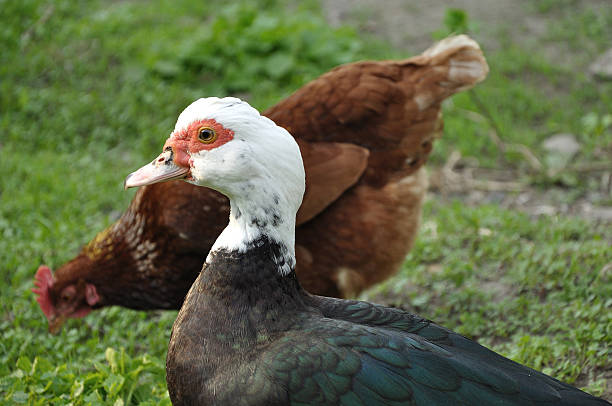
While Mallards, Pekins, and Khaki Campbells dominate backyard flocks and poultry markets, the world of ducks hides a treasure trove of rare, unique, and often overlooked breeds. These lesser-known duck breeds offer distinct advantages, from exceptional egg-laying capabilities and striking physical traits to specialized roles in ecosystem conservation and homesteading. This guide delves into 15+ under-the-radar duck breeds, their historical significance, practical uses, and how to care for them. Whether you’re a homesteader, conservationist, or poultry enthusiast, this article will expand your knowledge and inspire you to explore duck diversity beyond the basics.
1. Historical Significance of Rare Duck Breeds
Many rare duck breeds have deep-rooted connections to cultural, agricultural, or ecological histories. For example:
- *Mexican Duck (Anas diazi)*: Native to Mexico and parts of the U.S., this endangered species is a hybrid of the Mallard and the Black Duck. Its conservation is critical to preserving North American biodiversity.
- Rouen Duck: Originating from France, this breed has been crossed with Mallards to create the popular Pekin duck, highlighting its role in shaping modern poultry.
- Call Ducks: Bred in China and later refined in Europe, these small ducks are valued for their loud, attention-grabbing quacks, which were historically used to call waterfowl during hunting.
Understanding the history of these breeds underscores their importance in agriculture, culture, and conservation. Today, organizations like the Livestock Conservancy and Ark of Taste protect endangered duck breeds, ensuring their survival for future generations.
2. Unique Traits of Lesser-Known Duck Breeds
Beyond looks, rare duck breeds often possess remarkable physical, behavioral, or ecological traits. Here are a few standout examples:
A. Physical Characteristics
- Magpie Duck: With its stark black-and-white plumage resembling a magpie bird, this Australian breed is a visual spectacle.
- Saxon Duck: Known for its compact size and rich mahogany coloration, the Saxon is both a show duck and a hardy forager.
- Highland Duck: Native to Scotland, this breed thrives in cold climates and sports a dense, water-resistant coat of curly feathers.
B. Temperament and Behavior
- Welsh Harlequin: Combining the plumage of the Aylesbury with the productivity of the Pekin, this breed is calm and sociable, making it ideal for families.
- Indian Runner Duck: Its upright posture and inquisitive nature make it easy to train (e.g., walking on a harness).
- Emulous Duck: Often mistaken for the Pekin, this breed is quieter and more docile, with a gentle disposition.
3. Practical Uses of Rare Duck Breeds
A. Homesteading and Farming
Certain rare breeds excel in homesteading due to their resilience, foraging skills, or productivity:
- Cherry Valley Duck: A close relative of the Pekin, it lays up to 250 eggs annually and adapts well to free-range living.
- Bourbon Red Duck: Known for its robust build and ability to thrive in warm climates, this breed is favored by small-scale farmers in the southern U.S.
- Cayuga Duck: With its dark green-black plumage and long tail, the Cayuga is excellent for ponds and wetlands, as its waterproof feathers require minimal maintenance.
B. Conservation and Ecosystem Roles
Some duck breeds play crucial roles in preserving ecosystems:
- **Tundra Swan (Cygnus columbianus): Though not a duck, this migratory bird shares similarities and is vital for wetland health.
- **New Zealand Duck (Anas chlorotis): Native to New Zealand, this flightless bird is a key species for island sanctuaries.
- Green-winged Teal: Small and agile, these ducks help control insect populations in marshes and flooded fields.
C. Ornamental and Show Poultry
Rare breeds with striking appearances are popular in poultry shows and gardens:
- German Purity Duck: A vibrant breed with a mix of colors, bred to preserve the original Mallard’s beauty.
- White Pomeranian Duck: Known for its all-white plumage and upright stance, it’s a favorite in competitive exhibitions.
- Golden Pekin Duck: A rare variant of the Pekin with a golden hue, prized for its aesthetics and egg production.
4. Caring for Lesser-Known Duck Breeds
Raising rare duck breeds requires tailored care, as their needs often differ from common breeds. Key considerations include:
A. Housing Requirements
- Clayton Duck: Requires dry, draft-free shelter due to its lack of waterproof feathers.
- Blue Swedish Duck: Thrives in coops with ample space to move, as it is slightly larger than Pekins.
- Muscovy Duck: Prefers cooler climates and does not need a separate water source for swimming, unlike waterfowl.
B. Feeding and Nutrition
- Jumbo Duck (Giant Pekin): High-calorie diet with added protein to support rapid weight gain.
- Welsh Harlequin: Balanced mix of commercial feed and natural forage, including aquatic plants and insects.
- Cairn Duck: Hardy and efficient, requiring minimal supplemental feed when free-ranging.
C. Breeding and Egg Incubation
- Highland Duck: Lays medium-sized eggs with a darker yolk; incubation lasts 28 days.
- Mexican Duck: Requires careful monitoring, as hybridization with Mallards can threaten genetic purity.
- Cherry Valley Duck: Highly fertile and broody, this breed is easy to hatch in a incubator.
5. Conservation Efforts for Endangered Duck Breeds
Many rare duck breeds are at risk of extinction due to industrial farming trends. Conservation initiatives include:
- Rouen Duck: Once nearly extinct, this breed is now revived by heritage breed enthusiasts.
- Fife Duck: A Scottish breed in the “watch list” category; conservation groups promote their breeding through homesteading programs.
- Japanese Spot Duck: Known for its piebald plumage, this breed is protected by Japanese agricultural societies.
Supporting local hatcheries and joining organizations like the Rare Breeds Survival Trust can help preserve these birds.
6. Top 10 Lesser-Known Duck Breeds to Consider
- Welsh Harlequin – Dual-purpose (meat and eggs), low-maintenance.
- Highland Duck – Cold-hardy, unique curly feathers.
- Mexican Duck – Conservation-focused, hybrid species.
- Cherry Valley Duck – High egg production, adaptable.
- Cayuga Duck – Waterproof feathers, pond-friendly.
- Saxon Duck – Compact size, mahogany coloration.
- Emulous Duck – Quiet and docile, Pekin lookalike.
- German Purity Duck – Vibrant colors, show-quality.
- Bourbon Red Duck – Heat-tolerant, robust build.
- White Pomeranian Duck – Ornamental appeal, exhibition favorite.
7. FAQs About Lesser-Known Duck Breeds
- Q: Are rare duck breeds harder to care for?
A: Some require specialized care, but many are hardy and adaptable to backyard environments. - Q: Which breed is best for beginners?
A: Welsh Harlequin or Emulous ducks are excellent for first-time duck keepers. - Q: Can I mix rare duck breeds with common ones?
A: Yes, but avoid crosses that could dilute rare genetic lines (e.g., Mexican Duck with Mallard).
8. Conclusion: Embracing Duck Diversity
Exploring lesser-known duck breeds opens doors to a richer understanding of poultry diversity, sustainability, and conservation. Whether you’re drawn to their beauty, productivity, or ecological roles, these breeds offer something unique for every enthusiast. By supporting their preservation and integrating them into homesteads, we honor their legacy and ensure their survival for generations to come.
#DuckBreeds, #BackyardDucks, #HeritagePoultry, #RareDuckBreeds, #HomesteadLife, #DuckCare, #WaterfowlFarming, #ConservationDucks, #PoultryEnthusiast, #EggLayingDucks, #DualPurposeDucks, #OrnamentalDucks, #SustainableFarming, #BackyardFarming, #DuckKeepers, #PoultryLovers, #WelshHarlequin, #CayugaDuck, #MexicanDuck, #DuckFacts

Add comment