
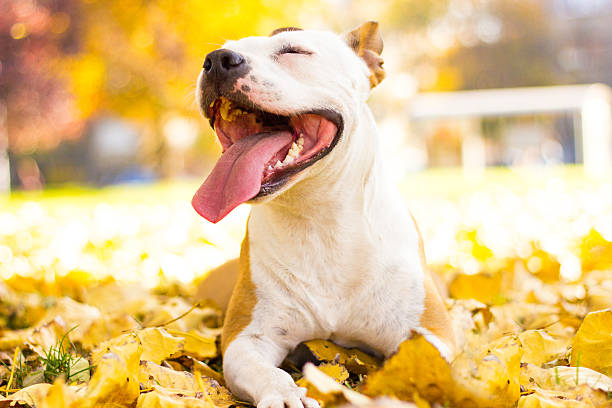
The wagging tail of a dog is often misconstrued as a universal symbol of happiness. While a happy dog might indeed wag its tail, the way it wags – its position, speed, and amplitude – communicates a far more complex spectrum of emotions and intentions. To truly understand our canine companions, we must move beyond the simplistic association of “wag equals happy” and delve into the nuanced language of tail positions. The tail, a highly sensitive and communicative appendage, acts as a powerful barometer of a dog’s internal state, ranging from confident excitement to anxious submission, and even fear.
This comprehensive guide will explore the multifaceted meanings behind three primary tail positions: high, low, and tucked. We will dissect the subtle variations within each, discuss the underlying emotional states they represent, and provide practical advice on how to interpret these signals in various social contexts, ultimately fostering deeper understanding and more harmonious relationships with our dogs.
The Tail as a Communicative Tool: A Biological Perspective
Before diving into specific positions, it’s crucial to understand why the tail is such a potent communication tool for dogs. The tail is an extension of the spine and is controlled by a complex network of muscles and nerves. This allows for a wide range of movement, from subtle twitches to vigorous windmills.
Evolutionary Roots: In their wild ancestors, wolves, the tail played a vital role in pack dynamics. Tail position and movement communicated social status, intent, and emotional state, facilitating coordinated hunting, conflict resolution, and social bonding. These ingrained communication patterns have carried over to our domestic dogs.
Visibility and Reach: The tail’s position, especially when elevated or lowered, makes it highly visible, allowing other dogs and even humans to quickly assess a dog’s mood from a distance. This pre-emptive communication can help avoid misunderstandings and potential conflicts.
Balance and Agility: Beyond communication, the tail also serves a practical purpose in balance and agility, particularly during fast turns, jumps, and navigating uneven terrain. However, its communicative function is arguably its most significant role in social interactions.
Decoding the Tail’s Language: High, Low, and Tucked
The general direction of a dog’s tail – whether held high, neutral, low, or tucked – provides a foundational understanding of their emotional state. However, it’s essential to remember that context, the dog’s breed (some breeds have naturally high or low-set tails), and other body language cues are equally important for accurate interpretation.
1. The High Tail: Confidence, Alertness, and Dominance
A tail held high, often above the level of the dog’s back, is a strong indicator of a dog’s engagement with their environment and their emotional state. This position signals alertness, confidence, and often, a desire to interact.
High and Still/Slightly Quivering:
- Meaning: This is often seen when a dog is excited, curious, or assessing a new situation. It signifies confidence and a readiness to engage. Think of a dog spotting a familiar person or a favorite toy. They are taking it all in, feeling secure in their surroundings.
- Possible Emotions: Excitement, curiosity, confidence, anticipation, awareness.
- Contextual Cues: Ears might be pricked forward, body might be leaning slightly forward, eyes might be wide and focused.
High and Wagging (Fast and Broad):
- Meaning: This is the quintessential “happy wag” but amplified. It indicates high levels of excitement, joy, and often a friendly greeting. The tail might sweep from side to side in large, energetic arcs. This is a dog that is thrilled to see you, ready to play, or experiencing peak positive emotion.
- Possible Emotions: Extreme happiness, enthusiasm, exhilaration, energetic friendliness.
- Contextual Cues: Play bows, happy vocalizations (whines, yips), loose and bouncy body, smiling facial expression.
High and Stiff, Trembling/Vibrating:
- Meaning: This is where the interpretation becomes more nuanced and can lean towards a state of arousal that is not purely positive. A stiff, high tail that vibrates or trembles can indicate an aroused state that could be either highly excited or on the verge of feeling threatened or dominant. It suggests the dog is highly focused and potentially feeling challenged or preparing for a more intense interaction.
- Possible Emotions: High arousal, intense focus, potential dominance display, feeling challenged, “on edge.”
- Contextual Cues: Stiff body, intense stare, raised hackles (piloerection), growling, teeth bared. This is a sign to proceed with caution and assess the situation carefully.
High and Wagging (Slow and Stiff):
- Meaning: A slow, stiff wag with the tail held high is a warning signal. It indicates that the dog is feeling uncertain, overstimulated, or is issuing a “back off” signal without intending to escalate immediately. It’s like a caution light before a potential red light. The dog is trying to de-escalate by communicating their discomfort, but is prepared to defend themselves if necessary.
- Possible Emotions: Uncertainty, anxiety, feeling pressured, mild threat perception.
- Contextual Cues: Lip licking, yawning, turning head away, tense body, avoiding eye contact while still looking sideways, subtle growl. This is a critical cue to give the dog space.
Dominance and High Tails: In some instances, a high tail can be a sign of dominance, especially when combined with other assertive body language. A dog feeling confident and in control of their environment might carry their tail high as a statement of their status. However, it’s crucial not to confuse confidence with aggression. Many confident dogs are gentle and friendly.
2. The Neutral/Relaxed Tail: Contentment and Calmness
A neutral tail position, typically held in a relaxed, natural position that aligns with the dog’s back, signifies a state of contentment, relaxation, and a general feeling of being at ease. This is the baseline for a comfortable dog.
Relaxed and Hanging Naturally:
- Meaning: This is the tail of a dog that is comfortable, calm, and not feeling threatened or overly excited. They are in a neutral or relaxed state, observing their surroundings without immediate concern.
- Possible Emotions: Calmness, contentment, relaxation, neutrality.
- Contextual Cues: Soft eyes, relaxed ears, loose body posture, slow breathing.
Gentle, Slow Wag from Neutral:
- Meaning: A gentle, slow wag from a neutral position often indicates mild interest or a friendly acknowledgment. It’s a subtle sign of positive engagement, perhaps noticing someone or something mildly interesting but not exciting enough to warrant a high tail.
- Possible Emotions: Mild interest, polite acknowledgment, gentle curiosity.
- Contextual Cues: May be accompanied by soft eye contact, a slight ear perk.
Breed Variations: It’s vital to consider breed. For breeds like Basset Hounds or Saint Bernards, a naturally low tail might be their “neutral.” For breeds like Greyhounds, a naturally lower-set tail can also be a default. Understanding your dog’s breed-specific tail carriage is essential.
3. The Low Tail: Apprehension, Submission, and Deference
A tail held low, below the level of the dog’s back, generally signifies a dog feeling less confident, more apprehensive, or exhibiting submissive behaviors. This position is often an attempt to make themselves appear smaller and less threatening.
Low and Still/Slightly Drooping:
- Meaning: This indicates a dog that is feeling unsure, hesitant, or mildly anxious. They are not completely fearful, but they are not feeling confident either. They might be in an unfamiliar environment or unsure about a social interaction.
- Possible Emotions: Apprehension, uncertainty, hesitation, mild anxiety.
- Contextual Cues: Ears might be held back or slightly lowered, body might be slightly lowered, eyes might dart around.
Low and Slow Wag:
- Meaning: A slow, low wag is a sign of appeasement and deference. The dog is trying to signal their non-threatening intentions and is acknowledging another dog or person’s higher social status. This is a submissive gesture aimed at avoiding conflict.
- Possible Emotions: Appeasement, submission, deference, acknowledging social hierarchy.
- Contextual Cues: Soft eyes, sometimes accompanied by lip licks, lowering of the body, avoiding direct eye contact.
Low and Fast Wag:
- Meaning: A fast, low wag, particularly when accompanied by other appeasement signals, can indicate a dog that is trying very hard to be friendly and non-threatening but is still feeling anxious about the interaction. They are trying to smooth things over and ensure a positive outcome.
- Possible Emotions: Anxious friendliness, strong appeasement, desire to be accepted while still feeling uneasy.
- Contextual Cues: May involve head bowing, leaning away slightly, or a general tenseness despite the wag.
4. The Tucked Tail: Fear, Anxiety, and Extreme Submission
A tail tucked tightly between the dog’s legs is the most extreme indicator of fear, anxiety, and profound submission. This is a sign that the dog feels genuinely threatened and is attempting to make themselves as small and inconspicuous as possible.
Tucked Tightly:
- Meaning: This is a clear signal of significant fear, distress, or extreme submission. The dog perceives the situation as potentially dangerous and is trying to hide their most vulnerable areas. This is a dog that feels overwhelmed and is seeking to escape the perceived threat.
- Possible Emotions: Intense fear, panic, extreme anxiety, profound submission, feeling threatened.
- Contextual Cues: Trembling, shaking, cowering, flattened ears, wide eyes (whale eye), avoiding all contact, potentially urinating or defecating. This is a dog that needs immediate space and reassurance, or removal from the stressful situation.
Tucked and Wagging (Very Fast and Small Wags):
- Meaning: While counterintuitive, a tucked tail can sometimes be accompanied by very rapid, small flicks or wags. This can indicate extreme anxiety and a frantic attempt to appease or signal “please don’t hurt me.” It’s a sign of a dog that is on the verge of shutting down or panicking.
- Possible Emotions: Extreme anxiety, frantic appeasement, panic.
- Contextual Cues: Trembling, panting, wide eyes, potentially hypervigilance.
Beyond the Top Three: Nuances and Variations
While high, low, and tucked are the fundamental categories, the language of the tail is even more nuanced.
- Tail Speed: A fast wag generally indicates higher arousal than a slow wag.
- Tail Amplitude: Wide, sweeping wags suggest more exuberance than small, tight wags.
- Tail Stiffness: A stiff tail, regardless of its height, often indicates tension and heightened alertness, which can be a precursor to aggression or a strong defensive posture.
- Tail Twitching: A subtle twitch of the tail tip can indicate curiosity or mild interest, while a full-body tail tremor can signify intense excitement or fear.
- The “Full Body Wag”: Sometimes, a dog’s entire hindquarters will wiggle along with their tail wag. This is a clear sign of extreme joy and excitement, often seen when greeting beloved humans.
Breed Specific Considerations
It’s impossible to discuss tail language without acknowledging breed differences. Breeds with naturally curled tails (e.g., Shiba Inu, Akita) or very short tails (e.g., Corgi, Bulldog) have different baseline “neutral” positions. What might appear as a high tail on a Basenji could be a neutral carriage on a German Shepherd. Always consider your dog’s breed characteristics and typical tail carriage when interpreting their signals. Similarly, breeds with docked tails lose a significant communicative tool, making it even more important to observe their other body language cues.
The Importance of Context and Other Body Language Cues
Interpreting tail positions in isolation is like trying to understand a sentence with only one word. The tail’s message is always amplified or modified by the rest of the dog’s body. Always consider:
- Ears: Are they pricked forward (alert, interested), relaxed (neutral), or pinned back (fearful, appeasing)?
- Eyes: Are they soft and relaxed, wide and staring (fear/arousal), or showing the whites (whale eye – stress/fear)?
- Mouth: Is it relaxed and slightly open (panting good), tightly closed (tension), or showing teeth (warning)?
- Body Posture: Is the body loose and relaxed, stiff and tense, or lowered and cowering?
- Vocalizations: Growls, barks, whines, or silence all add layers to the interpretation.
- The Environment: Is the dog in a familiar, safe place or a new, potentially overwhelming environment? Who else is present?
Example Scenario: Imagine a dog approaching another dog.
- Scenario A: Tail held high and wagging rapidly and broadly, ears forward, relaxed body, soft eyes, happy panting. This dog is likely friendly and eager to greet.
- Scenario B: Tail held high and stiff, slightly vibrating, ears forward, hackles raised, intense stare, taut body, possible low growl. This dog is aroused, possibly feeling challenged, and issuing a strong warning.
- Scenario C: Tail held low and wagging slowly, ears slightly back, body lowered, avoiding direct eye contact. This dog is appeasing, trying to show they are not a threat.
- Scenario D: Tail tucked tightly, body cowering, ears flat, trembling, wide eyes. This dog is extremely fearful and needs to be left alone.
Common Misinterpretations and Why They Matter
The most common misinterpretation is assuming any wag equals happiness. This can lead to dangerous situations if a person or another dog misreads a hesitant or warning wag as an invitation to interact.
- The “Friendly” Stiff Wag: A dog that is stiff-tailed and wagging slowly might be uncomfortable with a stranger’s advances. Pushing for interaction can lead to a bite.
- The “Happy” Tucked Tail: A tucked tail, even with a small wag, is a sign of fear. Petting or approaching such a dog can be perceived as an additional threat, exacerbating their anxiety.
- Dominance vs. Confidence: A high tail can indicate confidence, not necessarily dominance. Confident dogs can be very friendly. However, a stiff, high tail with other assertive cues can be a sign of dominance that needs to be respected.
Understanding these nuances is crucial for responsible dog ownership, dog-human interactions, and fostering positive relationships between dogs. It allows us to respond appropriately, prevent misunderstandings, and ensure the safety and well-being of both dogs and people.
Practical Applications: How to Use This Knowledge
- Observe Your Own Dog: Pay close attention to your dog’s tail in various situations. What does their tail do when you come home? When they see a squirrel? When a stranger approaches? When they are at the vet?
- Observe Other Dogs: When you’re out and about, practice reading the tail language of other dogs. See if you can correlate tail positions with their other body language and the context of the interaction.
- Respect Their Signals: If you see a low or tucked tail, give the dog space. If you see a stiff, high tail with a slow wag, be cautious and avoid direct interaction.
- Advocate for Your Dog: If your dog is showing signs of discomfort associated with their tail position, step in and remove them from the situation or create distance.
- Educate Others: Share your knowledge with friends, family, and fellow dog owners. The more people understand dog body language, the safer and more harmonious our interactions will be.
Conclusion: The Tail Tells the Tale
The wag of a dog’s tail is far more than a simple indicator of joy. It is a sophisticated and dynamic communication tool that, when understood correctly, unlocks a deeper level of connection with our canine companions. By moving beyond the simplistic “wag equals happy” myth and delving into the nuances of high, low, and tucked tail positions, we gain invaluable insight into their emotional states, intentions, and needs.
Remember that the tail is just one piece of the puzzle. Always observe the entire dog – their ears, eyes, mouth, posture, and the context of the situation. By becoming fluent in the language of tail positions, supported by a holistic understanding of canine body language, we can build stronger, safer, and more fulfilling relationships with the dogs who enrich our lives. The tail truly tells the tale, and learning to read it is a gift we can give ourselves and our beloved pets.
#DogBehavior #DogTailLanguage #CanineCommunication #DogBodyLanguage #UnderstandingDogs #DogTrainingTips #DogPsychology #HappyDog #FearfulDog #AnxiousDog #DogSignals #PetBehavior #DogWaggingTail #LearnAboutDogs #DogLove #ResponsibleDogOwner #DogCommunication #CanineBehavior #DogInsights #DecodeYourDog #DogTails #DogEmotions #DogLovers #PetCare







Add comment