
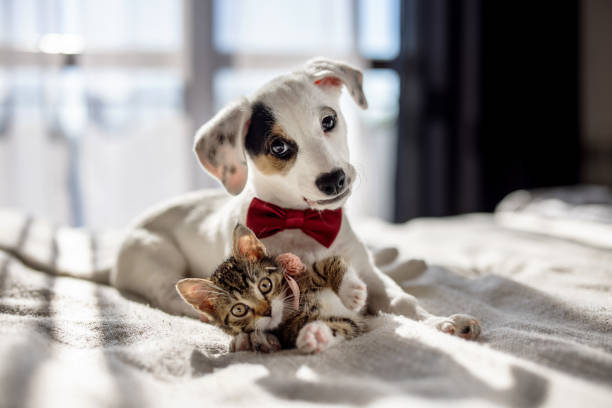
Teaching a puppy “soft mouths” or bite inhibition is one of the most crucial lessons you can impart, not just for your own comfort, but for their safety and their ability to interact appropriately with the world around them. This comprehensive guide will walk you through the why, the how, and the common pitfalls, ensuring you raise a dog that understands the power of their mouth.
Bite Inhibition: Teaching Your Puppy Soft Mouths
Introduction: What is Bite Inhibition and Why Is It So Important?
Bite inhibition is a puppy’s ability to control the force of their bite. It’s not about stopping them from biting entirely (biting is a natural dog behavior, especially during play and exploration), but rather teaching them that a playful nip should never cause harm.
Why is it paramount?
- Safety: A dog with good bite inhibition is far less likely to accidentally injure a human or another animal, even if startled or stressed. If they ever do bite in a serious situation, the damage will be minimal.
- Social Grace: It’s a fundamental part of canine communication. Dogs learn this from their littermates and mother. It allows them to play safely and avoid escalating conflicts.
- Future Reliability: A dog that understands bite inhibition is a more reliable and trustworthy family member, especially around children or vulnerable individuals.
- Foundation for Training: It builds trust between you and your puppy, making other training easier.
Understanding Puppy Biting: It’s Normal (Mostly!)
Puppies bite for several reasons:
- Exploration: Their mouth is how they explore their world, much like human toddlers use their hands.
- Play: Biting and wrestling are natural forms of play for puppies.
- Teething: As their baby teeth fall out and adult teeth come in (roughly 3-6 months), their gums can be sore, and chewing provides relief.
- Building Strength: Play biting helps develop jaw muscles and coordination.
- Seeking Attention: Sometimes, a puppy might nip to get your attention, especially if they’ve learned it works.
It’s important to distinguish normal puppy nipping from true aggression. Most puppy nipping is playful and doesn’t involve growling, snarling, stiff body language, or a deliberate attempt to harm. If you suspect true aggression, consult a professional immediately.
The Natural Classroom: How Puppies Learn from Littermates and Mom
Before humans get involved, puppies learn bite inhibition naturally:
- The “Yelp!”: When one puppy bites another too hard during play, the bitten puppy will often yelp loudly. This sudden sound usually causes the biting puppy to stop, startled. They learn that too much pressure ends the fun.
- Withdrawal of Play: If the bite was particularly painful, the bitten puppy might also stop playing or move away. This teaches the biter that hard bites result in the loss of a playmate.
- Maternal Correction: The mother dog will often correct puppies that are too rough or don’t respond to their littermates’ cues. This might involve a growl, a snip, or temporarily separating the offending puppy.
Our goal is to mimic these natural lessons in a way our puppies understand.
Your Role: Becoming the Best “Teacher”
Your approach needs to be:
- Consistent: Every family member must use the same methods, every time.
- Patience: This takes time and repetition. Puppies don’t learn overnight.
- Positive Reinforcement-Based: Reward good behavior; avoid punishment.
- Calm and Clear: Your reactions should be predictable and easy for your puppy to understand.
The Step-by-Step Guide to Teaching Bite Inhibition
This process typically involves two main phases:
Phase 1: Inhibiting Hard Bites (Reducing Pressure)
This phase focuses on teaching your puppy that their jaws are powerful and they need to control the force of their bite.
Method 1: The “Ouch!”/Yelp Method (Mimicking Littermates)
- React Immediately: The instant your puppy’s teeth touch your skin with too much pressure (enough to cause discomfort, not necessarily pain), let out a high-pitched, sudden “Ouch!” or “Yelp!”
- Key: Your sound should mimic a surprised, hurt littermate – not an angry shout.
- Withdraw Attention: Immediately remove your hand or body part from their mouth.
- Ignore Briefly: Turn your back, cross your arms, or even step out of the playpen/room for 10-20 seconds. This teaches them that hard bites end the fun.
- Resume Play (If Appropriate): After the brief “time-out,” if your puppy is calm, you can re-engage with them. If they bite hard again, repeat the process.
- Be Consistent: Do this every single time they bite too hard.
Method 2: The “Mismatch” Method (for Persistent Nippers or Those who get MORE excited by your “Yelp!”)
Some puppies get more excited or bite harder when you yelp. For these puppies, the physical withdrawal of play is more effective.
- Immediate Disengagement: The moment your puppy bites too hard, immediately and calmly remove yourself from the situation. Stand up, turn your back, or if you’re in a contained area, step over a baby gate or leave the room for 10-20 seconds.
- No Eye Contact, No Talking: During this brief “time-out,” completely ignore your puppy. They learn that hard bites result in the immediate loss of all attention and fun.
- Reward Calmness: When you return, if your puppy is calm, you can gently initiate play again. If they immediately bite hard, repeat the “time-out.”
Important Considerations for Phase 1:
- Don’t Punish: Never hit, scold angrily, or forcefully hold your puppy’s mouth shut. This can make them fearful, aggressive, or teach them to hide their bites.
- Redirect to Appropriate Toys: Always have plenty of appropriate chew toys available. When your puppy is playing nicely with a toy, praise them. If they go for your hand, offer a toy instead.
- Manage Excitement: Puppies often bite harder when they’re over-tired or over-stimulated. Ensure your puppy is getting enough naps and isn’t over-exercised or over-socialized. Implement “power naps” if they get too wound up.
Phase 2: Teaching “Soft Mouths” (Gentle Bites)
Once your puppy is consistently biting with less pressure, you can start refining their bite inhibition to be even gentler. The goal is for them to understand that even light pressure on human skin is not acceptable.
- Gradual Reduction in Tolerance: As your puppy progresses, lower your “bite pressure threshold.” What once elicited an “Ouch!” might now get a milder “yelp” or a simple withdrawal if the bite is still too firm, even if it doesn’t hurt you.
- Encourage Gentle Interaction:
- Hand-Feeding: Gently hand-feed your puppy their kibble. If their teeth touch you, pause, then try again. They learn to be soft to get the reward.
- Petting Games: Practice petting your puppy. If they nip, immediately stop petting and withdraw your hand. Re-engage once they’re calm. Reward gentle licking or soft touches with praise and more petting.
- The “Trade Game”: When playing with a toy, occasionally offer a high-value treat in exchange for the toy. This teaches them to release objects gently from their mouth.
- “Leave It” and “Take It”: Start teaching these commands with toys. “Leave It” teaches them to ignore something, and “Take It” teaches a gentle retrieve.
Essential Principles for Success
- Consistency is KING: Every person who interacts with the puppy must apply these rules consistently. Children should be supervised closely and taught how to react.
- Provide Chew Outlets: Always have appropriate chew toys available (Kongs, Nylabones, safe rubber toys). Rotate them to keep interest high.
- Manage Play Sessions: Keep play sessions short and positive. End them before your puppy gets over-excited and starts nipping uncontrollably.
- Socialization (Supervised!): Well-supervised play with other vaccinated, gentle puppies and adult dogs can be invaluable. Other dogs teach bite inhibition even better than humans can. Look for puppy classes that emphasize safe play.
- Avoid Hand-Wrestling: While it might seem fun, hand-wrestling and encouraging your puppy to bite your hands can reinforce the idea that hands are toys to be bitten. Use toys for interactive play.
- Enforced Naps: An overtired puppy is a bitey puppy. Ensure your puppy gets 18-20 hours of sleep per day, often in a crate or puppy-proofed area.
- Exercise Wisely: A tired puppy is a good puppy, but mental exercise (puzzle toys, training short sessions) is often more effective than just physical exercise in reducing nipping.
Common Challenges & Troubleshooting
- “My puppy ignores my ‘Ouch!'”: Your “Ouch!” might not be high-pitched or sudden enough, or your puppy might be one that gets more excited by sound. Switch to the immediate, silent withdrawal of attention (Method 2).
- “My puppy bites harder when I pull away”: This is a predatory response. Instead of pulling your hand away quickly, try to push your hand into their mouth slightly (just for a second) as you say “Ouch!”, then immediately remove it. This sometimes disorients them long enough to release, then disengage. Or, again, rely on the “Mismatch” method of withdrawing yourself completely.
- “My puppy gets too excited during play”: End the play session immediately. Enforce a time-out. Try shorter, calmer play sessions with more structure. Focus on impulse control games.
- “My puppy only bites me, not my partner/kids”: This is a consistency issue. Everyone needs to be on the same page and use the same methods. Children need explicit instruction and close supervision.
- “My puppy bites my feet/ankles when I walk”: This is often a herding behavior or attention-seeking. Immediately stop moving, turn your back, and ignore. Only resume walking when they stop. You can also carry a toy to redirect them to before they nip.
- “My puppy is teething like crazy!”: Provide plenty of appropriate, varied chew toys – some soft, some firm, some that can be frozen (like a frozen Kong with peanut butter). Provide safe outlets like bully sticks (supervised) or appropriate dental chews.
When to Seek Professional Help
Most puppy nipping is normal and can be managed with consistent training. However, you should consult a certified professional dog trainer or veterinary behaviorist if:
- Your puppy regularly growls, snarls, snaps with intent to harm, or shows stiff, aggressive body language.
- The biting draws blood frequently, despite consistent training efforts.
- Your puppy shows signs of resource guarding (aggressively protecting food, toys, or spaces) alongside biting.
- You feel fearful of your puppy.
- There is no improvement after several weeks of dedicated, consistent effort.
Conclusion
Teaching bite inhibition is an act of love and responsible pet ownership. It requires patience, consistency, and a deep understanding of how your puppy learns. By mimicking the lessons of their natural world and patiently guiding them, you’ll help your puppy develop into a well-mannered, safe, and beloved companion who understands the true meaning of a “soft mouth.” Enjoy the journey – it’s one of the most rewarding aspects of raising a puppy!





Add comment