
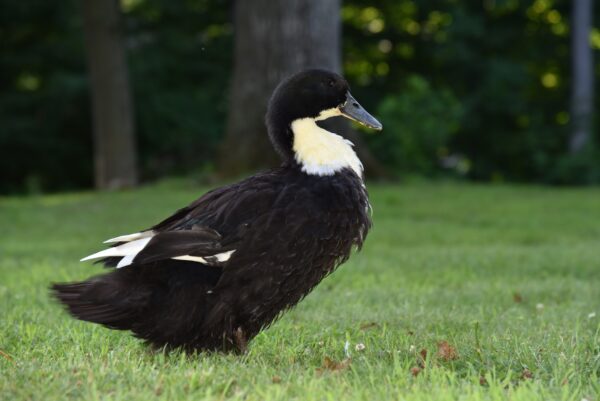
The Black & Blue Swedish Duck (often abbreviated B&B Swedish) is a striking ornamental waterfowl prized by hobbyists, small‑scale farmers, and exhibition‑oriented breeders alike. Recognizable at a glance for its metallic‑blue iridescence, deep black head and neck, and a rich chestnut‑brown body, the breed combines aesthetic appeal with a solid set of productive traits. While not a commercial meat or egg powerhouse, the B&B Swedish offers a balanced mix of moderate egg output, a calm disposition, and impressive winter hardiness—making it an excellent choice for diversified small‑holding operations or backyard flocks where visual impact matters as much as utility.
2. Other Names & Synonyms
| Common Name | Synonyms / Alternate Spellings |
|---|---|
| Black & Blue Swedish Duck | Black‑Blue Swedish, B&B Swedish, Swedish Black‑Blue, Swedish Black‑Blue Duck, Blå & Svart Sätting (Swedish) |
| Breed Code (APA) | AB‑100 (American Poultry Association) |
| EU Breed Register | SB‑B (Swedish Board) |
3. Primary Breed Purpose
| Historical Purpose | Contemporary Use |
|---|---|
| Ornamental & Exhibition – The breed was originally developed for its spectacular plumage and entered European shows in the early 20th century. | Backyard & Hobby Farming – Egg production (moderate), meat for home use, and ornamental value. |
| Genetic Reservoir – Provides a source of the blue dilution gene (B) for colour‑breeding projects. | Breeding Program Base – Used to introduce hardiness and colour into other Swedish lines. |
4. Physical Characteristics
| Feature | Description |
|---|---|
| Size | Medium‑large; drakes weigh 5.5–7 lb (2.5–3.2 kg), hens 4.5–6 lb (2.0–2.7 kg). |
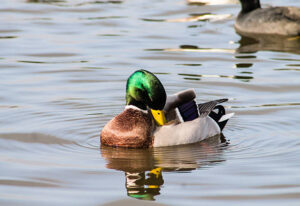
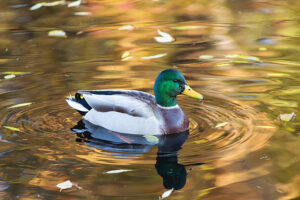
| Plumage | Drakes: Black head, neck, and back with a metallic blue sheen; chestnut‑brown breast and flank; white tail with black barring. Hens: Dark brown with bluish iridescence on the back, a muted chestnut breast, and a slightly lighter tail. |
| Head & Bill | Broad, flat head; orange‑yellow bill with a darker tip. |
| Eyes | Dark brown, deep‑set. |
| Legs & Feet | Dark gray‑black, strong webbed feet. |
| Body Shape | Compact, rounded body; well‑arched back; deep breast. |
| Molt Pattern | Annual full‑body molt in late summer; retains iridescent quality throughout. |
| Sexual Dimorphism | Drakes markedly darker with richer blue; hens lighter and more brown‑toned. |
5. Weight & Growth Curve
| Age | Approx. Weight (drake) | Approx. Weight (hen) |
|---|---|---|
| Hatch | 0.09 lb (40 g) | 0.09 lb (40 g) |
| 2 weeks | 0.5 lb (225 g) | 0.45 lb (205 g) |
| 4 weeks | 1.2 lb (540 g) | 1.0 lb (455 g) |
| 8 weeks | 2.8 lb (1.27 kg) | 2.3 lb (1.04 kg) |
| 12 weeks | 4.0 lb (1.8 kg) | 3.5 lb (1.6 kg) |
| 20 weeks (adult) | 5.5–7 lb (2.5–3.2 kg) | 4.5–6 lb (2.0–2.7 kg) |
Growth notes: Fastest gain occurs between weeks 4‑12. Adequate protein (18–20 % for starters, 16 % for growers) and clean water are critical. Over‑feeding leads to excess fat, which can diminish flight ability and increase leg‑joint stress.
6. Climatic Tolerances
- Cold: Excellent winter resilience. Dense plumage, a well‑developed oil gland, and a high metabolic rate allow the B&B Swedish to tolerate temperatures down to –20 °C (–4 °F) when provided with dry bedding and wind‑breaks.
- Heat: Moderately heat‑tolerant but can suffer heat stress above 30 °C (86 °F). Ensure shade, shallow water for bathing, and ventilation.
- Humidity: Performs well in moist environments because its waterproof feathers keep it dry; however, good coop drainage is essential to prevent foot dermatitis.
7. Reproduction & Egg Production
| Parameter | Typical Value |
|---|---|
| Age of Sexual Maturity | 5–6 months (drakes slightly earlier). |
| Egg Size | Large; 70–78 g (2.5–2.75 oz). |
| Egg Colour | Cream to light ivory, sometimes with a faint blue‑green tint. |
| Annual Production | 120–150 eggs per hen under optimal conditions (good feed, lighting 14–16 h/day). |
| Incubation Period | 28 days (standard duck). |
| Broodiness | Moderate; hens may sit on a clutch of 10–13 eggs. Broodiness can be encouraged by providing a dark, insulated nest box and limiting disturbance. |
| Fertility Rate | 85‑90 % when paired with a healthy drake and proper mating ratios (1 drake : 4–5 hens). |
| Hatchability | 80‑85 % under controlled incubation (temperature 37.5 °C, humidity 55 % decreasing to 65 % during hatching). |
Recommendations for Maximizing Egg Output
- Lighting – Provide 14–16 h of light daily in winter using low‑heat LED fixtures.
- Nutrition – Supplement layers with 2–3 % calcium (e.g., cuttlebone, oyster shell) and a commercial layer mash (18–20 % protein).
- Nest Management – Use deep‑litter nests (≈ 2 inches of straw) to keep eggs clean and warm.
- Health Monitoring – Routine fecal exams for parasites; cull any birds with chronic egg‑binding or shell abnormalities.
8. Flying Ability
- Capability: Strong short‑range flyers; capable of taking off from water or ground and reaching heights of 10–15 ft to evade predators.
- Limiting Factors: Heavy weight after 20 weeks, especially in well‑fed birds, reduces sustained flight.
- Management: Secure outdoor runs with overhead netting or an enclosed duck house to prevent escape while still allowing flight exercise.
9. Breed History & Origin
- Early 20th Century: Swedish breeder Gustav H. Lodin (Göteborg) crossed the native Swedish Blue with Black Aylesbury and Pekin lines to intensify colour contrast and improve body conformation.
- 1934: The first official breed standard was drafted by the Swedish Poultry Association (Svenska Fågeluppfödareföreningen).
- Post‑World War II: Exported to the United Kingdom and the United States, where it quickly entered exhibition circles due to its “show‑stopper” plumage.
- 1971: Recognized by the American Poultry Association (APA) under the Standard of Perfection as Black & Blue Swedish Duck (Class: Waterfowl, Group: Swedish).
- Modern Day: Maintained by a small network of dedicated breeders in Scandinavia, the UK, the US, and Australia; used as a genetic donor for new colour varieties (e.g., “Chocolate‑Blue Swedish”).
10. Life Expectancy
- Average: 6–8 years with proper care.
- Maximum Recorded: 10 years (observed in a protected indoor flock with veterinary oversight).
- Factors Influencing Longevity: Nutrition, parasite control, environmental stress, and genetics.
11. Common Health Issues
| Issue | Clinical Signs | Prevention / Treatment |
|---|---|---|
| Foot Pad Dermatitis (bacterial or fungal) | Swollen, scaly pads; reluctance to walk. | Keep coop dry; use sand or fine grit bedding; foot baths with diluted iodine. |
| Duck Viral Enteritis (DVE) / Duck Plague | Sudden death, hemorrhagic lesions, watery diarrhea. | Vaccination (where available), strict biosecurity, quarantine new arrivals for 30 days. |
| Parasites (cestodes, nematodes, lice) | Weight loss, ruffled feathers, reduced egg production. | Quarterly fecal exams; deworming with fenbendazole or levamisole; regular dust baths. |
| Egg‑Binding | Straining, swollen abdomen, absence of egg laying. | Ensure adequate calcium; provide warm water; assist with gentle massage; veterinary intervention if severe. |
| Marek’s Disease (Rare in Ducks) | Neurological signs, paralysis. | Use Marek‑free breeding stock; maintain sanitation. |
| Obesity | Fatty liver, reduced mobility, breeding problems. | Monitor feed; provide foraging opportunities; limit high‑calorie treats. |
12. Breeding & Genetics – Tips for the Advanced Keeper
- Colour Genetics – The blue dilution (B) is incomplete dominant.
- B/B → Blue (typical B&B phenotype).
- b/b → Black (if combined with eumelanin).
- B/b → Darker blue or “steel”; can be used to produce “dark blue” variants.
- Crossing with Brown (E) or Lavender (lav) alleles yields interesting “chocolate‑blue” or “lavender‑blue” offspring.
- Inbreeding Management
- Aim for an inbreeding coefficient (COI) < 6 % across three generations.
- Use line‑breeding sparingly to accentuate the iridescent plumage, but rotate out any line that shows reduced vigor or increased susceptibility to disease.
- Hybrid Vigor (Heterosis)
- Crossing B&B Swedish with a Pekin or Muscovy can improve growth rates for meat production while retaining a portion of the metallic plumage.
- Selection Criteria for Show Birds
- Plumage Luster – Test by viewing under natural daylight; the “metallic” sheen should be obvious.
- Conformation – Straight back, deep breast, and proportionate head.
- Temperament – Calm but not overly timid; judges favour birds that present well on the table.
- Artificial Incubation Protocol
- Pre‑warm eggs for 30 minutes at 22 °C.
- Turn eggs automatically 5–6 times daily until day 18.
- Raise humidity to 65 % for the final 3 days to prevent membrane sticking.
- Record‑Keeping
- Maintain a digital pedigree database (e.g., BreedMate or a custom Excel sheet).
- Log egg counts, hatch dates, weight at 8 weeks, and any health events. This data drives informed breeding decisions and helps meet exhibition requirements.
13. Nutritional Requirements
| Life Stage | Feed Type | Protein | Energy (ME, kcal/kg) | Calcium | Key Additives |
|---|---|---|---|---|---|
| Starter (0‑4 weeks) | Crumbled starter crumble | 20 % | 2,900 | 0.8 % | Vitamin A, D, E; probiotic (Bacillus subtilis). |
| Grower (5‑12 weeks) | Pelleted grower feed | 18 % | 2,800 | 1.0 % | Selenium, methionine, omega‑3 (flaxseed). |
| Layer (≥ 20 weeks) | Layer mash (duck‑specific) | 16 % | 2,700 | 3.5–4.0 % (plus oyster shell) | Vitamin D3, biotin; green veg supplement. |
| Breeder/Show (adults) | High‑quality “all‑round” (16 % protein) + optional corn‑silage for plumage sheen. | 16 % | 2,600 | 2.5 % | Astaxanthin (for richer colour), mushroom powder (immune support). |
- Water: Clean, fresh water at all times; provide a shallow pond or kiddie pool for bathing – this maintains feather health and reduces ectoparasite load.
- Foraging: Allow access to aquatic plants, pond insects, and small crustaceans; these natural foods supply essential carotenoids that enhance the metallic blue hue.
14. Housing & Environmental Design
- Coop Layout
- Size: Minimum 4 sq ft per bird indoor; 15–20 sq ft per bird outdoor run.
- Ventilation: Adjustable louvered vents; avoid drafts directly on roosting areas.
- Flooring: Slatted floor over a droppings tray for easy cleaning, topped with 2‑inch straw or pine shavings.
- Nest Boxes
- Dimensions: 12 × 12 × 12 in; deep‑litter base (straw).
- Placement: Dark corner of the coop, ~2 ft off the ground, shielded from direct sunlight.
- Outdoor Run
- Pond: Minimum 4 ft × 6 ft, depth 18‑24 in; sloped shoreline for easy entry/exit.
- Fencing: 4‑ft high woven wire, buried 12 in underground to deter predators.
- Shade: Evergreen shrubs or a pergola; crucial for summer heat.
- Biosecurity Measures
- Footbaths at entry (1 % copper sulphate solution).
- Separate equipment (feeders, waterers) for each flock block.
- Quarantine new birds for 30 days, monitor for signs of disease.
- Enrichment Elements
- Floating toys (e.g., PVC rings).
- Water spray system mimicking rain.
- Hiding spots (logs, over‑hangs) for natural behavior expression.
15. Behavioral Traits & Enrichment
| Trait | Description | Enrichment Strategy |
|---|---|---|
| Social | Highly gregarious; establish pecking order quickly. | Provide ample space; avoid over‑crowding (> 12 birds per 100 sq ft). |
| Curiosity | Frequently explore water features and investigate new objects. | Rotate pond accessories, add floating mirrors. |
| Territorial (Males) | Drakes may guard a specific water patch during breeding. | Use multiple water sources to diffuse aggression. |
| Preening | Constant preening maintains waterproof feathers. | Offer natural grooming brushes (soft branches). |
| Vocalizations | Soft “quack‑coo” calls; louder when alarmed. | No special enrichment needed; maintain calm environment to avoid chronic stress. |
16. Economic Considerations
| Item | Approximate Cost (USD) | Notes |
|---|---|---|
| Starter Chicks (per bird) | $5‑$8 | Prices vary by breeder reputation. |
| Coop Construction | $250‑$500 (per 10‑bird unit) | DIY saves money; consider reclaimed wood. |
| Feed (annual, 10 birds) | $300‑$400 | Duck‑specific feed is slightly pricier than chicken feed. |
| Water System (pond liner + pump) | $150‑$250 | Re‑use old pond liners to cut cost. |
| Veterinary/Preventive Health | $80‑$120 per year | Includes vaccinations, fecal exams. |
| Potential Revenue | Eggs: $0.25 each; Meat: $5‑$7 per processed bird. | Profitability hinges on flock size, market access, and local demand for specialty eggs/meat. |
Break‑even analysis: A 12‑bird flock, assuming 130 eggs/week (≈ 6,760 eggs/year) at $0.25 each, yields $1,690 in egg sales. Subtract feed, housing depreciation, and health costs ( $800), leaving a modest profit of ~$900 annually. Additional revenue from meat (if 2 birds are processed per year) adds $12‑$14. Overall, the breed is economically viable as a niche hobby rather than a large‑scale commercial operation.
17. Environmental Impact
- Positive Aspects
- Water Utilization: Ducks naturally control mosquito larvae and aquatic weeds, contributing to ecosystem balance.
- Manure: Rich in nitrogen and phosphorus; excellent organic fertilizer for vegetable gardens when composted.
- Potential Concerns
- Water Pollution: High stocking density can elevate ammonia and nutrient runoff; mitigated by regular water changes and bio‑filtration.
- Invasive Potential: If released, non‑native breeds may compete with local waterfowl; strict containment policies are essential.
- Sustainability Practices
- Rain‑water harvesting for pond refill.
- Rotational grazing on pasture to prevent over‑grazing and promote soil health.
- Solar‑powered water pumps for off‑grid setups.
18. Conclusion
The Black & Blue Swedish Duck stands out as a versatile, eye‑catching, and relatively easy‑to‑manage waterfowl breed. Its blend of ornamental brilliance, respectable egg production, and hardiness in colder climates makes it a valuable addition to diversified backyard flocks, small‑scale hobby farms, and exhibition programs. By respecting its genetic heritage, providing proper nutrition, and maintaining robust biosecurity, keepers can enjoy a thriving flock that contributes positively to both the farm’s economy and the surrounding environment.
19. Frequently Asked Questions (FAQs)
| Question | Answer |
|---|---|
| 1. How many eggs does a Black & Blue Swedish hen lay per year? | Typically 120‑150 eggs under optimal lighting and nutrition. |
| 2. Can B&B Swedish ducks be raised outdoors in a temperate climate? | Yes. They are hardy to –20 °C and thrive with a dry, wind‑protected shelter and access to water. |
| 3. Are they good for meat production? | They provide modest meat (≈ 2 lb carcass per bird). Not as fast‑growing as Pekins, but the meat is flavorful and fine‑grained. |
| 4. How do I keep the iridescent blue colour vibrant? | Offer a diet rich in carotenoids (e.g., corn‑silage, marigold petals, algae). Ensure good health to prevent feather dulling. |
| 5. Do they need a separate water source from other duck breeds? | Preferably yes, to prevent disease spread and to allow B&B Swedish to maintain their own water cleanliness. |
| 6. What is the best way to start a breeding program? | Begin with at least 2 drakes and 8‑10 hens from diverse lineages; maintain a COI below 6 %. Use a 14‑hour lighting schedule in winter. |
| 7. Can they coexist with chickens? | Yes, if the coop design prevents cross‑contamination of droppings and both species have enough space to avoid competition. |
| 8. Are there any specific vaccinations required? | Duck plague (DVE) vaccine is advisable in regions with a history of outbreaks; otherwise, maintain strict biosecurity. |
| 9. How often should I clean the pond? | Weekly partial water changes (≈ 20 % of volume) plus full cleaning every 2‑3 months to control algae and pathogens. |
| 10. What is the average cost to keep a 10‑bird flock for a year? | Rough estimate: $1,200‑$1,600 (including feed, bedding, health care, and minor repairs). |
#BlackAndBlueSwedishDuck, #SwedishDuck, #BBSwedish, #OrnamentalWaterfowl, #BackyardDucks, #DuckBreeding, #DuckShow, #DuckEggs, #DuckMeat, #PoultryHobby, #WaterfowlLovers, #DuckCoopDesign, #SustainableFarming, #SmallScaleFarming, #DuckNutrition, #DuckHealth, #DuckBehaviour, #DuckEnrichment, #DuckLife, #DuckGenetics, #BlueDilution, #MetallicPlumage, #DuckWinterHardiness, #DuckHeatStress, #DuckFarmingTips, #EggProduction, #DuckEggs, #DuckLaying, #DuckHusbandry, #PoultryKeeper, #FarmLife, #HomesteadLiving, #EcoFriendlyFarming, #BirdWatching, #AvianPhotography, #DuckLovers, #PoultryShow, #DuckCare, #DuckKeepers, #FarmAnimals, #RuralLiving, #AnimalWelfare, #DuckFlock, #WaterfowlConservation, #DuckVlog, #DIYDuckCoop, #PondLife, #DuckFeeding, #EggCollector, #FarmToTable, #LocalFood, #HeritageBreeds, #RareBreeds, #LivestockManagement, #OutdoorLiving, #CountryLiving, #FarmEducation, #AnimalScience, #PoultryResearch, #DuckBreeder, #BackyardPoultry, #FarmSustainability, #NatureLovers, #EcoFarming, #OrganicPoultry, #DuckLifeCycle, #DuckGrowth, #DuckHealthTips, #DucksOfInstagram, #DucksOfYouTube, #DuckVideos, #DuckStories.
Add comment