
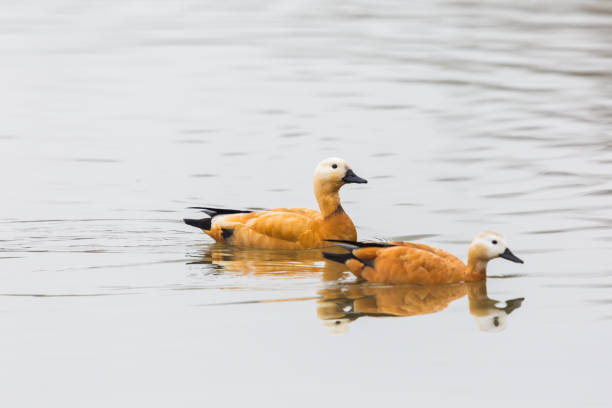
Blindness in ducks, whether congenital or nutritional, poses significant challenges to their health, behavior, and survival. Understanding the causes, symptoms, and management strategies for this condition is crucial for duck owners, poultry farmers, and wildlife rehabilitators. Ducks rely heavily on their vision for foraging, navigation, and social interactions, and vision loss can drastically diminish their quality of life. This guide provides an in-depth exploration of the two primary types of blindness affecting ducks—congenital (present at birth) and nutritional (linked to dietary deficiencies)—covering their causes, signs, and treatment options. Additionally, we will discuss high-risk duck breeds, the life stages and environmental factors that influence blindness, and practical prevention strategies to safeguard duck populations.
Causes of Blindness in Ducks
1. Congenital Blindness
Congenital blindness refers to vision impairment that occurs before hatching due to genetic or developmental issues. Key causes include:
- Genetic Disorders: Certain duck breeds may inherit mutations affecting eye development. For example, recessive genes can lead to microphthalmia (abnormally small eyes) or coloboma (a gap in eye structure).
- Infections During Egg Development: Pathogens like avian influenza or bacterial infections such as E. coli can compromise the developing eye.
- Hormonal Imbalances: Abnormal hormone levels in the hatching environment may disrupt ocular development.
2. Nutritional Blindness
Nutritional blindness arises from deficiencies in essential vitamins and minerals, particularly vitamin A. Key contributing factors include:
- Vitamin A Deficiency: This is the most common cause of nutritional blindness in ducks. Vitamin A is critical for the production of rhodopsin, a pigment necessary for low-light vision. Deficiency leads to corneal dryness, cloudiness, and eventual blindness.
- Inadequate Diets: Overreliance on unbalanced feed (e.g., corn-heavy diets) or lack of green vegetation (a natural source of beta-carotene) can exacerbate deficiencies.
- Poor Absorption: Digestive disorders or parasitic infections like coccidiosis may impair nutrient uptake, even if the diet is sufficient.
Signs and Symptoms
Blind ducks exhibit a range of physical and behavioral indicators:
- Physical Signs:
- Cloudy, dull, or swollen eyes.
- Corneal ulcers or white opacities (indicative of cataracts or vitamin A deficiency).
- Retinal atrophy (observed via veterinary examination).
- Behavioral Signs:
- Reluctance to move in low-light conditions or at night.
- Collisions with objects or disorientation in familiar environments.
- Increased vocalization due to stress or inability to locate food.
- Secondary Symptoms:
- Weight loss from foraging difficulties.
- Social withdrawal or aggression (due to impaired communication with flock members).
Duck Breeds at Risk
Certain duck breeds are genetically predisposed to congenital blindness or metabolic issues that increase vulnerability to nutritional deficiencies:
1. Pekin Ducks
Pekin ducks are particularly susceptible to vitamin A deficiency due to their rapid growth and high metabolic demands. Their omnivorous diet often lacks sufficient green vegetation, increasing the risk of nutritional blindness.
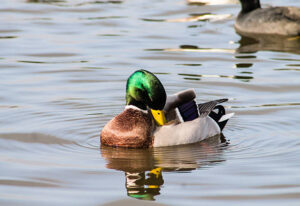
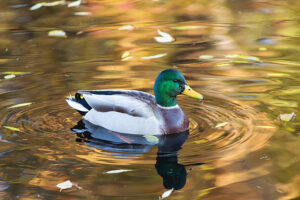
2. Mallards
Mallards may develop congenital blindness from environmental toxins or pathogens encountered in wetlands. Their opportunistic foraging habits can lead to unbalanced nutrient intake, especially in urban areas with limited food diversity.
3. Khaki Campbell Ducks
This high-yielding breed requires meticulous dietary management. Nutritional deficiencies during egg-laying cycles can severely impact eye health, as these ducks allocate significant energy to reproduction.
4. Anas platyrhynchos (Wild Ducks)
Wild ducks are at risk due to habitat degradation and pollution. Pesticides and heavy metals can accumulate in their food chain, causing developmental issues in embryos or impairing nutrient absorption.
Understanding breed-specific vulnerabilities allows owners to tailor prevention strategies and early intervention.
Life Stages Affected by Blindness
Blindness in ducks can manifest at any stage of life, but certain developmental phases are particularly critical:
1. Hatchlings (0–2 Weeks)
- Congenital Blindness: Often present at hatching, this form is typically irreversible and may be the result of genetic factors, egg contamination, or hormonal imbalances.
- Early Intervention: Immediate supplemental feeding and veterinary care are vital to improve survival rates.
2. Juveniles (2–12 Weeks)
- Nutritional Blindness: This is the peak period for vitamin A deficiency. Ducks’ rapid growth increases their nutritional demands, and imbalanced diets or foraging restrictions can lead to vision impairment.
- Prevention: Incorporating greens like leafy vegetables and vitamin A-rich feed (e.g., fish meal) is essential.
3. Adults (12+ Weeks)
- Chronic Nutritional Deficiencies: Over time, undiagnosed dietary gaps can lead to progressive blindness. Older ducks may also suffer from secondary issues like keratinization (abnormal thickening of the cornea).
- Reproductive Impact: Laying hens with vision loss are at higher risk of falling into nesting areas or failing to guard eggs properly.
Diagnosis of Blindness in Ducks
Accurate diagnosis requires a combination of clinical observation and laboratory tests:
1. Physical Examination
- Eye Inspection: Veterinarians assess for cloudiness, corneal damage, or retinal degeneration using ophthalmoscopes.
- Behavioral Tests: Observing the duck’s response to moving objects, food placement, or environmental changes can indicate vision loss.
2. Laboratory Tests
- Blood Work: Serum vitamin A levels are measured to confirm nutritional deficiencies.
- Bacterial/Serological Testing: Samples are cultured to rule out infectious causes like Chlamydia psittaci or Salmonella.
3. Imaging
- Ultrasound or MRI: Advanced imaging may be used to detect structural abnormalities in the eye or brain that could affect vision.
Treatment and Management Strategies
1. Nutritional Interventions
- Vitamin A Supplementation: Ducks with nutritional blindness require 500–1,000 IU/kg of vitamin A in their feed or via injections. Sources include cod liver oil, kale, and pumpkin.
- Balanced Diet: Incorporate 20–30% green matter (e.g., dandelion or spinach) into the diet. Avoid overly fibrous or corn-heavy feeds.
2. Medical Treatments
- Antibiotics or Antivirals: For infectious causes, targeted medications can reduce inflammation and prevent further damage.
- Artificial Tears: Lubricants help manage dry eye conditions caused by vitamin A deficiency.
3. Surgical Options
- Cataract Removal: In cases of cataracts, laser surgery is viable but requires specialized veterinary care.
- Corneal Transplants: Rarely performed due to high costs, but possible in severe corneal damage.
Prognosis and Complications
The outlook varies depending on the cause:
1. Congenital Blindness
- Prognosis: Often permanent, but adaptation training (e.g., scent-based foraging aids) can improve quality of life.
- Complications: Increased risk of injury, reduced reproductive success, and secondary infections from eye sores.
2. Nutritional Blindness
- Prognosis: Early intervention results in a 60–70% recovery rate. Long-term neglect may lead to irreversible damage.
- Complications: Stunted growth, increased susceptibility to predators, and chronic stress from disorientation.
Prevention Strategies
Preventive measures focus on nutrition, genetics, and early monitoring:
- Genetic Screening: Breeding only healthy ducks to avoid passing congenital defects.
- Vitamin A-Rich Diets: Ensure feed contains 10,000–20,000 IU/kg of vitamin A.
- Environmental Enrichment: Provide access to clean water and safe foraging spaces to encourage natural behaviors.
- Regular Vet Checkups: Frequent eye screenings, especially for high-risk breeds.
Diet and Nutritional Requirements
A balanced diet is critical for preventing nutritional blindness:
| Nutrient | Role | Sources |
|---|---|---|
| Vitamin A | Supports eye health and night vision | Cod liver oil, leafy greens, carrots |
| B-Complex Vitamins | Aids in retinal function | Liver, grains, legumes |
| Zinc | Promotes corneal repair | Oysters, corn, wheat germ |
| Omega-3 Fatty Acids | Reduces inflammation | Fish oil, flaxseeds |
Avoid feeding unbalanced grains or processed foods that lack essential micronutrients.
Zoonotic Risk
Blindness in ducks is generally non-contagious to humans. However, if caused by infectious agents like Salmonella, proper hygiene measures—such as handwashing and separate food preparation areas—are essential to prevent human illness.
#DuckHealth #NutritionForDucks #VitaminADeficiency #DuckEyeCare #PoultryDisease #DuckBlindness #ChickenAndDuckCare #DuckBreeds #DuckFarmingTips #DuckNutrition #DuckHealthTips #DuckEyeDisorders #FarmAnimalHealth #DuckEyeTreatment #BirdEyeHealth #DuckVeterinaryCare #DuckEyeInfections #DuckEyeSurgery #DuckEyeSymptoms #DuckHealthGuides #DuckLifeStages #DuckGenetics #DuckHealthManagement #BirdNutrition #DuckFlockCare #DuckEyeDisorders #DuckReproduction #DuckEyeDisorders #DuckEyeCare
Add comment