
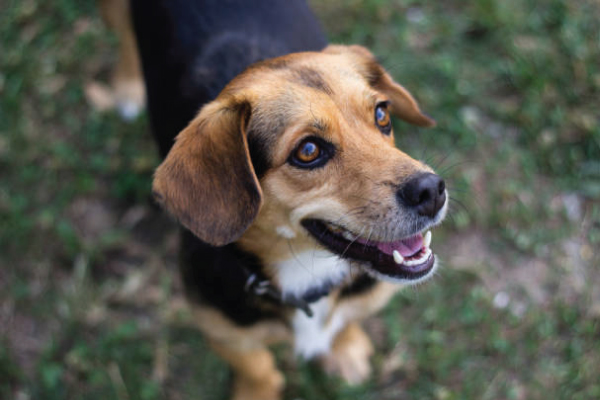
The World in Shadows: A Comprehensive Guide to Blindness in Dogs
Our canine companions enrich our lives with their unwavering loyalty, boundless enthusiasm, and unique personalities. They experience the world through a vibrant tapestry of sights, sounds, and smells. When that visual tapestry begins to fade, it can be a heartbreaking and confusing experience for both the dog and their owner. Blindness in dogs, whether sudden or gradual, is a reality for many, and understanding its causes, symptoms, and management is crucial for ensuring their continued well-being and quality of life.
This comprehensive guide aims to illuminate the multifaceted world of canine blindness. We will delve into the intricate details of why this condition arises, how to recognize its subtle and not-so-subtle signs, the diagnostic processes involved, the various treatment options available, the prognosis and potential complications, strategies for prevention, and the vital role of diet and nutrition in supporting vision health.
Understanding Canine Vision: A Brief Overview
Before we explore the intricacies of blindness, it’s helpful to understand how dogs see. While often perceived as having poor vision, dogs actually see quite well, albeit differently than humans. Their vision is characterized by:
- Wider Field of Vision: Most dogs have a wider field of vision than humans, which aids in detecting movement at the periphery.
- Superior Night Vision: Dogs possess excellent night vision due to a higher concentration of rod cells in their retinas and the presence of a tapetum lucidum, a reflective layer that amplifies light.
- Color Vision: Dogs are not colorblind but have dichromatic vision, meaning they see blues and yellows well, but reds and greens appear as shades of gray or yellowish-brown.
- Motion Sensitivity: Dogs are particularly adept at detecting motion, which is crucial for hunting and play.
Anything that compromises these visual capabilities can lead to blindness.
Causes of Blindness in Dogs: A Spectrum of Possibilities
The causes of blindness in dogs are diverse, ranging from genetic predispositions and age-related changes to infections, injuries, and systemic diseases. Understanding the underlying cause is paramount for effective diagnosis and treatment.
1. Age-Related Degenerative Conditions:
As dogs age, their bodies undergo natural changes, and their eyes are no exception. Several conditions commonly affect older dogs and can lead to vision loss.
- Cataracts: This is perhaps the most common cause of blindness in older dogs. Cataracts are opacities or cloudy areas that develop in the lens of the eye, obstructing light from reaching the retina.
- Inherited Cataracts: Certain breeds are genetically predisposed to developing cataracts at a younger age, sometimes as early as six months. These include Miniature Schnauzers, Poodles, Cocker Spaniels, and Siberian Huskies, among others.
- Senile/Age-Related Cataracts: These develop gradually in older dogs and are generally not associated with a specific genetic trait.
- Secondary Cataracts: These can arise as a complication of other eye diseases, such as glaucoma or uveitis, or due to systemic diseases like diabetes mellitus.
- Diabetic Cataracts: Dogs with uncontrolled diabetes mellitus are at a very high risk of developing cataracts rapidly due to changes in glucose metabolism within the lens.
- Nuclear Sclerosis (Lenticular Sclerosis): This is a normal aging change where the lens becomes denser and appears cloudy or bluish-gray. It typically affects both eyes and usually does not significantly impair vision, although it can make the eyes appear cloudy, mimicking early cataracts. It’s important to differentiate this from true cataracts.
- Progressive Retinal Atrophy (PRA): This is a group of inherited degenerative diseases that affect the photoreceptor cells (rods and cones) in the retina, leading to gradual and irreversible vision loss. There are many different forms of PRA, each with varying onset and progression rates.
- General Progressive Retinal Atrophy (GPRA): This is the most common form, leading to night blindness followed by complete vision loss. Breeds prone to GPRA include Irish Setters, Collies, and Labrador Retrievers.
- Central Progressive Retinal Atrophy (CPRA): This form primarily affects the central part of the retina and can manifest later in life. Examples include Pugs and Chihuahuas.
- Other specific forms: Many breeds have unique genetic mutations that cause specific types of PRA.
2. Ocular Infections and Inflammations:
Infections and inflammatory conditions can damage various parts of the eye, leading to vision impairment.
- Uveitis: This is inflammation of the uvea, the middle layer of the eye that includes the iris, ciliary body, and choroid. Uveitis can be caused by infections (bacterial, viral, fungal, parasitic), immune-mediated diseases, trauma, or underlying systemic illnesses (e.g., leptospirosis, tick-borne diseases like ehrlichiosis and anaplasmosis). Uveitis can lead to pain, redness, light sensitivity, and secondary complications like glaucoma and cataracts, ultimately causing blindness.
- Keratitis: Inflammation of the cornea (the clear outer layer of the eye). It can be caused by infections (bacterial, fungal, viral), trauma, dry eye (keratoconjunctivitis sicca), or eyelid abnormalities. Severe keratitis can lead to corneal scarring, clouding, or even ulceration, obstructing vision.
- Conjunctivitis: While typically not a direct cause of blindness, severe and chronic conjunctivitis can lead to scarring and inflammation that affects the cornea, indirectly impacting vision.
3. Glaucoma:
Glaucoma is a condition characterized by increased intraocular pressure (IOP) within the eye. This elevated pressure damages the optic nerve and retina, leading to irreversible vision loss and often blindness.
- Primary Glaucoma: This is an inherited condition in certain breeds, such as Basset Hounds, Cocker Spaniels, and Siberian Huskies. It typically affects one eye first and can progress rapidly.
- Secondary Glaucoma: This type develops as a consequence of other eye conditions, including uveitis, lens luxation (dislocation), tumors, or trauma.
4. Retinal Detachment:
The retina can detach from the back of the eye, disrupting its blood supply and function. Causes include trauma, inflammation, high blood pressure, sudden head trauma, or as a complication of other eye conditions.
5. Trauma and Injury:
Direct trauma to the eye can cause a wide range of injuries, including corneal lacerations, globe rupture, hyphema (bleeding into the eye), and retinal damage, all of which can lead to vision loss.
6. Tumors (Ocular Neoplasia):
Tumors can develop within the eye itself or spread from other parts of the body. These can obstruct vision by growing over the lens, damaging retinal tissue, or increasing intraocular pressure.
7. Systemic Diseases:
Certain systemic diseases can directly or indirectly affect the eyes and lead to blindness.
- Diabetes Mellitus: As mentioned, uncontrolled diabetes often leads to rapid cataract formation. It can also cause other retinal changes.
- Hypertension (High Blood Pressure): In dogs, hypertension (often secondary to kidney disease or hyperthyroidism) can cause sudden retinal detachment or hemorrhages within the eye.
- Infectious Diseases: Systemic infections like Rocky Mountain Spotted Fever, Ehrlichiosis, Anaplasmosis, and Leptospirosis can cause inflammation and damage to the eyes.
8. Nutritional Deficiencies (Rare but Possible):
While less common in dogs fed balanced commercial diets, severe deficiencies in certain nutrients like taurine (especially in breeds prone to dilated cardiomyopathy that can affect the eye) or vitamin A could theoretically impact vision.
9. Congenital Abnormalities:
Some puppies are born with underdeveloped or malformed eyes, leading to congenital blindness. This can include conditions like microphthalmia (abnormally small eyes) or optic nerve hypoplasia.
Signs and Symptoms of Blindness in Dogs: Recognizing the Subtle Shift
Detecting blindness in its early stages can be challenging, as dogs are remarkably adaptable and may compensate for vision loss by relying more heavily on their other senses. However, vigilant owners can often notice subtle changes in their dog’s behavior and appearance.
Behavioral Changes:
- Hesitation or reluctance in familiar environments: The dog might pause before navigating stairs, hesitate to jump on or off furniture, or seem unsure when entering a dark room.
- Increased clumsiness: Bumping into furniture, walls, or people, especially in low light.
- Apprehension or anxiety: Especially in new or unfamiliar situations or when navigating crowded spaces.
- Difficulty finding toys or food: The dog may seem to lose interest in fetch or struggle to locate their food bowl.
- Changes in interaction with other pets: May become more timid or reactive towards other animals.
- “Startling” easily: More prone to being startled by approaching people or objects.
- Changes in sleep patterns: May sleep more or become restless during the day.
- Difficulty with training or obeying commands: Especially those that rely on visual cues.
- Changes in gait: May walk more slowly or tentatively.
Physical Signs in the Eyes:
- Cloudy or hazy appearance of the pupils or cornea: This can indicate cataracts, corneal ulcers, or other opacities.
- Redness or inflammation of the eyes: Suggestive of uveitis or keratitis.
- Dilated pupils (mydriasis): Especially if one pupil is significantly larger than the other, this can be a sign of glaucoma or retinal detachment.
- Squinting or excessive blinking: Often a sign of eye pain or discomfort due to inflammation or injury.
- Excessive tearing or discharge: Can indicate infection or inflammation.
- Visible injuries or foreign objects in the eye.
- Changes in the shape or size of the eyeball.
Specific Signs of Night Blindness (Often an early sign of PRA):
- Difficulty navigating in dim light or at dusk.
- Appearing more confident in daylight but hesitant in low light.
- Increased bumping into things at night.
It is crucial to remember that any sudden change in your dog’s vision or behavior warrants a veterinary examination. Early detection is key to managing many causes of blindness.
Diagnosis of Blindness in Dogs: Unraveling the Mystery
Diagnosing the cause of blindness in dogs requires a thorough veterinary examination. Your veterinarian will likely follow a systematic approach:
- Veterinary History: The veterinarian will ask detailed questions about your dog’s symptoms, onset, progression, diet, any past illnesses or injuries, and breed predisposition.
- Ophthalmic Examination: This is the core of the diagnosis and involves a series of tests performed by a veterinarian, ideally one with a special interest in ophthalmology or a board-certified veterinary ophthalmologist.
- Visual Pathway Assessment:
- Obstacle Course: Observing the dog’s ability to navigate through a simple obstacle course to assess their visual acuity.
- Cotton Ball Test: Dropping a cotton ball in front of the dog’s eyes to see if they track it. (This is a very rudimentary test and not definitive).
- Light Menace Reflex: Waving a hand towards the eye (without touching) to elicit a blink reflex, indicating the brain is receiving some visual information.
- External Eye Examination:
- Palpation: Gently feeling the eyelids and surrounding tissues.
- Magnification: Using a penlight and magnifying glass to examine the eyelids, conjunctiva, cornea, and anterior chamber.
- Intraocular Pressure (IOP) Measurement:
- Tonometry: This crucial test measures the pressure inside the eye using an instrument called a tonometer. Elevated IOP is a hallmark of glaucoma.
- Internal Eye Examination:
- Ophthalmoscopy: Using an ophthalmoscope to examine the lens, vitreous humor, retina, and optic nerve. This allows the veterinarian to detect cataracts, inflammation, detachments, and changes in the optic nerve head.
- Mydriatic Drops: Dilating eye drops are often used to widen the pupils, allowing for a better view of the internal structures of the eye.
- Slit Lamp Biomicroscopy: A specialized microscope that provides highly magnified views of the anterior structures of the eye (cornea, iris, lens) and can also be used to examine the posterior segment with specific lenses.
- Visual Pathway Assessment:
- Diagnostic Tests: Depending on the initial findings, further diagnostic tests may be recommended:
- Fundic Examination: A detailed examination of the retina and optic nerve, often performed with specialized lenses and a bright light source.
- Gonioscopy: A technique used to examine the drainage angle of the eye, crucial for diagnosing primary glaucoma.
- Ocular Ultrasound: Used to visualize internal eye structures when they are obscured by opaque media like cataracts or bleeding.
- Blood Tests: To screen for underlying systemic diseases like diabetes, infections (e.g., tick-borne diseases, leptospirosis), or hypertension.
- Electroretinography (ERG): This specialized test measures the electrical response of the retina to light. It is particularly useful for diagnosing retinal diseases like PRA, even before significant vision loss is apparent.
- Ocular Biopsy or Cytology: In cases of suspected tumors or severe inflammation, a sample of ocular tissue may be taken for microscopic examination.
- Genetic Testing: For certain breeds with known genetic causes of blindness (e.g., specific PRA mutations), genetic testing of blood or cheek swabs can confirm a predisposition.
The combination of a comprehensive history, detailed ophthalmic examination, and targeted diagnostic tests allows the veterinarian to pinpoint the cause of blindness and formulate an appropriate treatment plan.
Treatment of Blindness in Dogs: Strategies for Vision Preservation and Management
The treatment for blindness in dogs depends entirely on the underlying cause and the stage of the disease. Some conditions are treatable, aiming to reverse vision loss, while others are managed to slow progression and improve the dog’s quality of life.
1. Medical Management:
- Glaucoma:
- Medications: Eye drops and oral medications are used to lower intraocular pressure. These are often lifelong treatments.
- Timely Intervention: Early diagnosis and consistent medical management are crucial to preserve vision in glaucoma.
- Uveitis and Keratitis:
- Anti-inflammatory Medications: Steroid eye drops (e.g., prednisolone, dexamethasone) or non-steroidal anti-inflammatory drugs (NSAIDs) are used to reduce inflammation.
- Antibiotic/Antifungal Eye Drops: If an infection is present, specific antimicrobial medications will be prescribed.
- Cycloplegic Drops: To relieve pain and prevent complications like iris-to-lens adhesion.
- Cataracts:
- Medical management is generally NOT effective in reversing existing cataracts. Their progression can sometimes be slowed by anti-inflammatory eye drops in specific cases, but this is not a cure.
- Diabetes Management: For diabetic cataracts, strict control of blood glucose levels is essential.
- Dry Eye (KCS): While not a direct cause of blindness, untreated severe KCS can lead to corneal scarring and opacity, impacting vision. Treatment involves eye drops that stimulate tear production (e.g., cyclosporine, tacrolimus) and artificial tears.
2. Surgical Interventions:
- Cataract Surgery: This is the most common surgical treatment for blindness caused by cataracts. It involves removing the clouded lens and replacing it with an artificial intraocular lens (IOL).
- Phacoemulsification: The most advanced technique, where the cataract is broken up with ultrasound and aspirated.
- Intracapsular Lens Extraction (ICCE): The entire lens is removed.
- Success Rates: Cataract surgery in dogs has a high success rate when performed by experienced veterinary ophthalmologists, often restoring good vision. Pre-operative assessment for other eye diseases is vital for a good outcome.
- Glaucoma Surgery: If medical management fails, surgical options may be considered to control IOP and prevent further vision loss or pain.
- Cyclophotocoagulation: Laser or cryo (freezing) treatment to reduce the production of aqueous humor.
- Shunt Placement: Implantation of a device to drain fluid from the eye.
- Enucleation (Eye Removal): In end-stage glaucoma where vision is lost and the eye is painful, surgical removal of the eye is often the most humane option.
- Retinal Detachment Repair: While complex and not always successful in dogs, surgical techniques are being developed.
- Eyelid Surgery: Corrective surgery for eyelid abnormalities (e.g., entropion, ectropion) that are causing corneal irritation and potential vision loss.
- Tumor Removal: Surgical excision of ocular tumors may be possible depending on the type and location of the growth.
3. Management of Irreversible Blindness:
For many conditions, particularly advanced retinal diseases, blindness is irreversible. In these cases, the focus shifts to helping the dog adapt and maintain a high quality of life.
- Environmental Modifications:
- Secure the home: Remove tripping hazards, secure balconies, and keep pathways clear.
- Consistent routines: Stick to regular feeding, walking, and potty break times.
- Leash training: Use a sturdy leash for walks.
- Avoid rearranging furniture: Keep the home layout consistent.
- Gentle guidance: Place your hands gently on your dog to guide them in new environments.
- Buddy system: Consider another sighted pet to help guide a blind dog.
- Doorways and obstacles: Place tactile markers or mats near doorways and at floor level changes.
- Outdoor safety: Keep dogs on a leash in unfenced areas.
- Assistive Devices:
- Bumper Collars/Haloes: These devices attach to the collar and create a protective barrier around the dog’s head, preventing them from bumping into objects.
- Braille Bowls: Bowls with raised markings to help the dog locate their food and water.
- Tactile toys: Toys that make noise or have distinct textures.
- Sensory Enrichment:
- Scent games: Engage their strong sense of smell with treat-finding games.
- Sound-based toys: Toys that squeak or jingle.
- Verbal cues: Use clear verbal commands and praise.
- Veterinary Support: Regular check-ups are essential to monitor for any secondary eye problems or discomfort.
Prognosis and Complications: Looking Ahead
The prognosis for a blind dog varies greatly depending on the cause of blindness, how early it was diagnosed, and the effectiveness of treatment.
- Good Prognosis:
- Cataracts (surgical candidates): With successful cataract surgery, dogs can regain excellent vision.
- Mild, treatable inflammation (uveitis, keratitis): With prompt and appropriate treatment, vision can often be preserved or restored.
- Diabetic cataracts (with controlled diabetes): If surgery is performed before complications arise, vision can be recovered.
- Guarded to Poor Prognosis:
- Advanced Glaucoma: Once significant optic nerve damage or retinal atrophy has occurred, vision is permanently lost. Prognosis is focused on pain management and preventing the disease in the other eye.
- End-stage Retinal Degeneration (e.g., advanced PRA): Vision loss is irreversible. Prognosis is about adaptation.
- Severe Corneal Scarring: If the cornea is extensively scarred or opaque, vision may not be salvageable.
- Retinal Detachment: Prognosis is often poor, especially if the detachment is extensive or has been present for a long time.
Potential Complications:
Regardless of the cause, blindness can lead to several complications:
- Behavioral changes: Anxiety, depression, aggression, confusion.
- Increased risk of injury: Due to bumping into objects, falls, or traffic accidents.
- Secondary eye problems:
- Phacoclastic uveitis: Inflammation caused by leaking lens proteins in cataracts.
- Secondary glaucoma: As a complication of other eye diseases.
- Dry eye: Can occur with certain ocular conditions.
- Pain: Glaucoma and severe uveitis can be very painful.
- Loss of appetite or changes in eating habits.
- Difficulty with grooming or self-care.
Prevention of Blindness in Dogs: A Proactive Approach
While not all causes of blindness can be prevented, several proactive measures can significantly reduce the risk or aid in early detection.
- Regular Veterinary Check-ups: Annual (or biannual for senior dogs) veterinary examinations are crucial. Your veterinarian can perform basic eye checks and identify early signs of disease.
- Breed-Specific Screening: Be aware of the common eye conditions that affect your dog’s breed. Discuss with your veterinarian and consider breed-specific screening protocols recommended by organizations like the Orthopedic Foundation for Animals (OFA) or by veterinary ophthalmologists. This is particularly important for inherited conditions like PRA and glaucoma.
- Responsible Breeding Practices: If you are a breeder, ensure your breeding stock is screened for hereditary eye diseases.
- Early Detection of Systemic Diseases: Prompt diagnosis and management of conditions like diabetes and hypertension can prevent secondary ocular complications. For diabetic dogs, regular eye exams are essential.
- Diet and Nutrition: A balanced, high-quality diet plays a vital role in overall health, including eye health.
- Eye Safety: Protect your dog’s eyes from injury during activities that pose a risk, such as rough play, exposure to harsh chemicals, or being in an open vehicle. Consider protective eyewear for certain breeds or situations.
- Monitor for Symptoms: Be vigilant for any of the behavioral or physical signs of vision loss. Do not delay seeking veterinary advice if you notice anything unusual.
Diet and Nutrition: Fueling Healthy Vision
Proper nutrition is fundamental to maintaining ocular health throughout a dog’s life. While diet alone cannot cure established blindness, it can play a supportive role in preventing certain conditions and supporting overall eye function.
Key Nutrients for Eye Health:
- Omega-3 Fatty Acids (EPA and DHA): Found in fish oil, these essential fatty acids have anti-inflammatory properties and are crucial components of retinal cell membranes. They can help manage inflammation associated with conditions like uveitis and may play a role in slowing the progression of some retinal degenerations.
- Antioxidants: Vitamin E, Vitamin C, and Beta-Carotene are powerful antioxidants that help protect the eyes from oxidative damage caused by free radicals.
- Vitamin E: Found in vegetable oils, seeds, and nuts, it works synergistically with other antioxidants.
- Vitamin C: While dogs can synthesize their own Vitamin C, supplementation may be beneficial in certain stressful conditions.
- Beta-Carotene: A precursor to Vitamin A, found in orange and dark leafy green vegetables.
- Lutein and Zeaxanthin: These are carotenoids that are concentrated in the macula of the human eye and are believed to play a role in protecting the retina from UV damage and oxidative stress. They are found in dark leafy greens and yellow/orange vegetables. While their specific role in canine eye health is still being researched, they are considered beneficial.
- Vitamin A: Essential for the function of photoreceptor cells in the retina, particularly for light and dark adaptation. Deficiencies can lead to night blindness. However, Vitamin A toxicity can also be harmful. It’s best obtained from a balanced diet or supplements under veterinary guidance.
- Taurine: An amino acid important for heart health and, in some breeds (like Cocker Spaniels), for retinal health. Dogs with dilated cardiomyopathy (DCM) are at higher risk for retinal degeneration if their taurine levels are low.
Dietary Recommendations:
- High-Quality Commercial Diets: Most reputable commercial dog food brands are formulated to provide a complete and balanced nutritional profile, including essential vitamins and minerals for eye health. Look for foods with AAFCO (Association of American Feed Control Officials) approval.
- Incorporating Omega-3 Fatty Acids: Consider adding a high-quality fish oil supplement that provides a good source of EPA and DHA. Consult your veterinarian for appropriate dosages.
- Adding Antioxidant-Rich Foods: Small amounts of certain fruits and vegetables can be a healthy addition to your dog’s diet, provided they are safe for canine consumption and introduced gradually. Examples include:
- Dark leafy greens: Spinach, kale (in moderation).
- Orange and yellow vegetables: Carrots, sweet potatoes.
- Berries: Blueberries, raspberries (in moderation).
- Avoidance of Harmful Foods: Some foods are toxic to dogs and should always be avoided.
- Consult Your Veterinarian: Always discuss any dietary changes or supplements with your veterinarian. They can assess your dog’s individual needs, recommend specific products, and ensure balanced nutrition. Over-supplementation can be harmful.
For dogs with specific eye conditions, a veterinary nutritionist may be involved in formulating a specialized diet.
Living with a Blind Dog: A Journey of Love and Adaptation
Losing sight does not mean losing your dog’s spirit or the joy they bring. With patience, understanding, and a few adjustments, blind dogs can lead full, happy, and enriching lives. Their resilience is often astounding, and their capacity for love and companionship remains undiminished.
As dog owners, our role is to provide a safe, supportive, and loving environment. By understanding the complexities of canine blindness, we can better equip ourselves to diagnose, treat, and manage this condition, ensuring that our beloved canine companions continue to experience the world, even through shadows, with comfort and confidence. The bond we share with our dogs transcends sight; it is built on trust, love, and unwavering connection.
#canineblindness, #dogblindness, #dogvisionloss, #blinddog, #doghealth, #dogeyes, #cataractsindogs, #glaucomaindogs, #PRAindogs, #dogcare, #vetmed, #doglovers, #pethealth, #seniorpets, #dogtips, #livingwithablinddog, #dogsofinstagram, #instadog, #caninehealth, #ourdogs, #eyesightlossdogs, #dogophthalmology, #blinddogsrule, #dogwellbeing, #petcareadvice, #dogeducation, #dogawareness, #healthydogs, #happydogs, #dogcommunity.





Add comment