
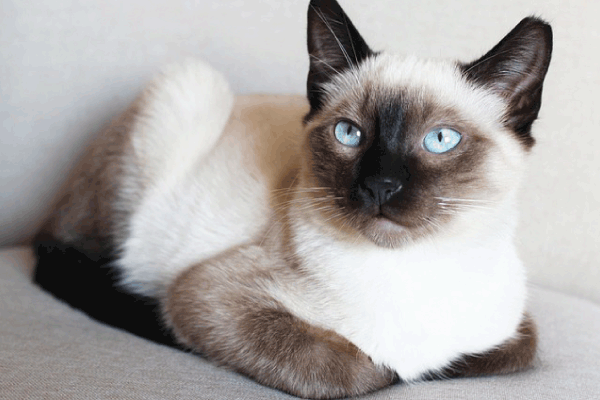
Introduction: The Marvel of Feline Anatomy
The domestic cat (Felis catus) is a masterpiece of evolutionary design, a highly specialized predator whose anatomy reflects millennia of refinement for agility, speed, and precision. Understanding the structure and functions of the cat is essential not only for veterinary medicine but for responsible pet ownership.
This elaborate guide delves into the integrated systems that define the cat’s physiology, focusing intensely on the vital fluid that connects, nourishes, and protects every cell: feline blood. Blood is more than just a means of transport; it is a complex tissue that acts as the body’s communication network, defense force, and homeostatic regulator.
Part I: Foundational Feline Anatomy – The Context for Circulation
To appreciate the function of blood, one must first understand the systems it serves. Feline anatomy is characterized by flexibility, powerful musculature, and highly efficient organs.
1. The Skeletal and Muscular Systems
The cat skeleton comprises approximately 244 bones (variable based on tail length), characterized by a highly flexible spine and loosely connected clavicles. This allows for extraordinary flexibility and the ability to squeeze through tight spaces.
- Skeletal Function: Provides structure and protection. Crucially, the long bones (femur, humerus) and the flat bones (pelvis, sternum) house the red bone marrow, the primary site of blood cell production (hematopoiesis).
- Muscular Function: Responsible for movement and maintaining body temperature. Blood vessels must intricately thread through muscle tissue to supply oxygen and remove metabolic waste (CO2, lactic acid).
2. The Respiratory and Renal Systems
The efficiency of blood is directly tied to the organs that oxygenate it and filter its waste.
- Respiratory System (Lungs): The lungs facilitate the primary gas exchange. Deoxygenated blood (high in CO2) from the right side of the heart is delivered to the pulmonary capillaries, where CO2 is released and oxygen is bound to hemoglobin in the red blood cells.
- Renal System (Kidneys): The kidneys are filtration powerhouses. They regulate blood volume, pH balance, electrolyte concentration, and remove nitrogenous wastes (urea) filtered from the plasma. They also produce Erythropoietin (EPO), a crucial hormone that signals the bone marrow to produce more red blood cells.
3. The Hepatic System (Liver)
The liver is central to blood metabolism and recycling.
- Metabolic Regulation: It processes nutrients absorbed from the digestive tract before they enter general circulation, maintaining stable glucose levels.
- Protein Synthesis: The liver synthesizes critical plasma proteins, including albumin (for osmotic pressure) and most of the clotting factors (fibrinogen, prothrombin).
- Recycling: Old and damaged red blood cells are primarily phagocytized and broken down within the liver and spleen. The iron is recycled, and bilirubin is synthesized and excreted.
Part II: The Cardiovascular System – The Engine and Highways of Blood
The circulatory system is the closed-loop infrastructure responsible for moving blood efficiently throughout the body.
1. The Feline Heart
The cat heart is a four-chambered muscular pump, structurally similar to the human heart but proportionally smaller (about 0.7% of total body weight).
- Structure: Divided into the right atrium and ventricle (handling deoxygenated blood) and the left atrium and ventricle (handling oxygenated blood). The powerful left ventricle must generate sufficient pressure to propel blood through the vast systemic circulation.
- Function: Typically beats between 120 and 180 times per minute at rest. The electrical conduction system (SA node, AV node) ensures synchronized contraction, maintaining adequate cardiac output (the volume of blood pumped per minute).
2. Blood Vessels
Blood travels through a hierarchy of vessels, each specialized for its task:
- Arteries: Thick, muscular walls carrying oxygenated blood away from the heart (except the pulmonary artery). They withstand high pressure.
- Arterioles: Smaller branches that regulate blood flow into the capillaries through vasoconstriction and vasodilation.
- Capillaries: Microscopic, thin-walled vessels where the critical exchange of oxygen, nutrients, and waste occurs between the blood and the tissue cells.
- Venules and Veins: Thin-walled vessels carrying deoxygenated blood back to the heart (except the pulmonary vein). They operate under lower pressure and contain valves to prevent backflow, especially in the extremities.
3. The Circulatory Routes
- Systemic Circulation: Carries oxygenated blood from the left heart to the entire body and returns deoxygenated blood to the right heart.
- Pulmonary Circulation: Carries deoxygenated blood from the right heart to the lungs for gas exchange and returns oxygenated blood to the left heart.
- Portal Circulation (Hepatic Portal System): A specialized route where blood from the digestive organs (rich in absorbed nutrients) flows directly to the liver before joining general systemic circulation.
Part III: Feline Hematology – The Composition of Blood
Blood, representing roughly 6-8% of a cat’s total body weight, is technically a fluid connective tissue. It consists of two main components: Plasma (the fluid matrix) and Formed Elements (the cellular components).
1. Plasma (Approximately 55% of Blood Volume)
Plasma is a straw-colored fluid (92% water) that serves as the solvent and suspension medium for the formed elements, nutrients, electrolytes, and proteins.
- Plasma Proteins: These are critical for survival:
- Albumin: The most abundant protein, vital for maintaining colloid osmotic pressure, which prevents fluid leakage from vessels into the tissues.
- Globulins: Include antibodies (immunoglobulins) necessary for immune defense, and transport proteins (e.g., transferring for iron).
- Fibrinogen: A precursor protein essential for blood clotting (hemostasis).
- Electrolytes (e.g., Na+, K+, Cl-): Maintain cell volume, function, and overall body pH balance.
- Nutrients and Hormones: Transport absorbed glucose, amino acids, fats, vitamins, and hormones to target tissues.
2. Formed Elements (Approximately 45% of Blood Volume)
These are the cellular components produced primarily in the bone marrow.
A. Erythrocytes (Red Blood Cells or RBCs)
RBCs are the most numerous cells in feline blood, constituting the critical oxygen carriers.
- Structure: Feline RBCs are small, biconcave discs, lacking a nucleus when mature (like all mammals). Their small size gives cats a higher surface-area-to-volume ratio, which may enhance oxygen exchange efficiency.
- Hemoglobin (Hb): Each RBC is packed with hemoglobin, the iron-containing protein that reversibly binds oxygen in the lungs and releases it in the tissues.
- Feline Specificity: Cats have RBCs that often show structures called Howell-Jolly bodies (residual nuclear fragments). While indicative of certain conditions or rapid RBC production in other species, they are a semi-normal finding in healthy cats due to the cat’s relatively slow or inefficient spleen function in removing these fragments.
- Lifespan: Feline RBCs have a relatively short lifespan, roughly 68–80 days, compared to 120 days in humans. This shorter turnover rate makes cats more susceptible to rapid development of anemia if bone marrow production is interrupted.
B. Leukocytes (White Blood Cells or WBCs)
WBCs are the mobile units of the immune system, defending the body against pathogens. They are the only true complete cells in the blood (possessing a nucleus and organelles).
Leukocytes are categorized into Granulocytes (containing distinct granules in the cytoplasm) and Agranulocytes (lacking prominent granules).
Granulocytes:
- Neutrophils (Most numerous): The primary defense against bacterial infection. They are phagocytic, engulfing bacteria and dead cells. A high neutrophil count (Neutrophilia) signals active bacterial infection or inflammation.
- Eosinophils: Primarily deal with parasitic infections (e.g., worms) and allergic reactions. Their granules contain substances that neutralize histamine.
- Basophils (Least numerous): Release histamine (inflammatory response) and heparin (anticoagulant) at sites of inflammation.
Agranulocytes:
- Lymphocytes: The central commanders of the adaptive immune system.
- T-cells: Directly attack infected or cancerous cells (cell-mediated immunity).
- B-cells: Produce antibodies (humoral immunity). Lymphocyte counts are crucial in diagnosing viral infections like Feline Leukemia Virus (FeLV) and Feline Immunodeficiency Virus (FIV).
- Monocytes: Large, powerful phagocytes. When they leave the bloodstream and enter tissues, they become macrophages, which clean up debris, destroy pathogens, and present antigens to lymphocytes.
C. Thrombocytes (Platelets)
Platelets are not true cells but are fragments of large precursor cells called megakaryocytes (found in the bone marrow).
- Function: Crucial for hemostasis (stopping bleeding). They adhere to damaged vessel walls, form a temporary plug, and release factors that initiate the coagulation cascade, leading to the formation of a stable fibrin clot. A low platelet count (Thrombocytopenia) can lead to spontaneous or severe bleeding.
Part IV: The Physiological Functions of Feline Blood
The integrated components of feline blood fulfill three overarching physiological roles: transportation, defense, and regulation.
1. Transport
Blood acts as the body’s logistical system, moving substances between all organs.
- Respiratory Gas Transport: RBCs ferry O2 from the lungs to the tissues and CO2 (often dissolved in plasma or bound to Hb) from the tissues back to the lungs.
- Nutrient and Waste Transport: Carries glucose, fats, and amino acids from the gut and liver to target cells, while simultaneously transporting metabolic waste products (urea, bilirubin) to the kidneys and liver for excretion.
- Hormonal Delivery: Endocrine glands release hormones directly into the blood, which then carries these chemical messengers to distant target organs.
2. Defense and Immunity
The WBCs and plasma proteins form a sophisticated, multi-layered defense system.
- Innate Immunity (Non-specific): Neutrophils and Macrophages provide immediate, general defense by attacking any foreign invader detected.
- Adaptive Immunity (Specific): Lymphocytes recognize and remember specific antigens, providing long-term protection (immunity) against pathogens the cat has previously encountered (e.g., through vaccination or infection).
- Hemostasis (Clotting): The rapid response to vessel damage by platelets and clotting factors prevents fatal blood loss.
3. Regulation (Homeostasis)
Blood maintains the internal stability required for cell function.
- Temperature Regulation: Blood absorbs heat generated by metabolic activity (especially muscle contraction) and redistributes it throughout the body. When the cat is hot, blood is shunted to superficial capillaries (vasodilation) to dissipate heat through the skin (though cats rely heavily on panting and grooming).
- Fluid and Electrolyte Balance: Plasma proteins and electrolytes maintain the critical osmotic balance, ensuring fluids remain correctly distributed between the blood vessels and the tissues.
- pH Balancing (Buffering): Blood maintains the precise pH range (typically 7.35–7.45) necessary for enzyme function. Hemoglobin and bicarbonate ions dissolved in the plasma act as buffers, neutralizing excess acids or bases produced during metabolism.
Part V: Hematopoiesis – The Origin and Fate of Blood Cells
The continuous renewal of billions of blood cells daily is managed by the process of hematopoiesis, primarily rooted in the bone marrow.
1. The Hematopoietic Organ: Bone Marrow
In adult cats, active (red) bone marrow is concentrated in the ends of long bones and within flat bones. This environment provides the precursor cells (hematopoietic stem cells) that differentiate into all formed elements.
- Stem Cell Differentiation: Stem cells respond to various growth factors (cytokines and colony-stimulating factors) based on the body’s needs. For example, low oxygen levels trigger the release of Erythropoietin (EPO) from the kidneys, driving the marrow to increase RBC production (Erythropoiesis).
2. The Spleen: Reservoir and Graveyard
The spleen plays a vital, complex role in relation to the blood.
- Blood Reservoir: The spleen can hold a significant volume of blood (up to 30% of total RBC mass). In emergencies (like sudden hemorrhage or intense activity), the spleen contracts, injecting this reserve back into circulation to quickly compensate for volume loss or required oxygen surge.
- Filtration and Recycling: Macrophages in the spleen’s red pulp are responsible for removing old, rigid, or damaged RBCs, filtering the blood, and reclaiming iron.
- Immune Surveillance: The spleen’s white pulp contains lymphocytes, acting as a major site for immune response against blood-borne pathogens.
Part VI: Clinical Significance – Feline Blood Groups and Disorders
The clinical study of blood (hematology) is crucial for feline diagnostics and therapy.
1. Feline Blood Groups: The AB System
Unlike humans who use the ABO and Rh systems, cats possess the AB Blood Group System.
- Type A: The most common group (90–95% of domestic cats, especially American Shorthairs).
- Type B: Less common but highly prevalent in certain purebreds (e.g., British Shorthairs, Devon Rex, Cornish Rex, Turkish Van).
- Type AB: A rare, universal recipient type.
Crucial Distinction: Type B cats naturally possess very strong, pre-formed antibodies (alloantibodies) against Type A blood, even if they have never been exposed to it.
- Transfusion Reaction: This immediate and severe incompatibility is why blood typing is mandatory before any transfusion. If a Type B cat receives Type A blood, the reaction is rapid, leading to acute hemolysis (RBC destruction) and often death.
- Neonatal Isoerythrolysis (Tailing): If a Type B queen (mother) mates with a Type A tom, Type A or AB kittens can result. The Type B mother’s strong anti-A antibodies are passed in the colostrum (first milk). When the kittens nurse, these antibodies rapidly destroy the kittens’ Type A or AB RBCs, leading to jaundice, systemic illness, or death within the first few days of life.
2. Common Feline Blood Disorders
A. Anemia
Anemia is a reduction in the number of RBCs, the hemoglobin concentration, or the packed cell volume (PCV), resulting in reduced oxygen-carrying capacity.
- Regenerative Anemia: The bone marrow is responding appropriately by releasing immature RBCs (reticulocytes). Causes include hemorrhage (acute blood loss) or hemolysis (RBC destruction).
- Feline Hemotrophic Mycoplasmosis (FHM): Formerly Haemobartonellosis, caused by Mycoplasma haemofelis. This bacterium attaches to the surface of RBCs, leading the cat’s immune system to destroy them, resulting in severe hemolytic anemia.
- Non-Regenerative Anemia: The bone marrow is failing to produce adequate numbers of RBCs. Often linked to chronic diseases (liver, kidney failure), nutritional deficiencies, chronic inflammation, or primary bone marrow suppression.
B. Coagulation Disorders
Disorders affecting hemostasis can result in uncontrolled bleeding or excessive clotting.
- Thrombocytopenia: Low platelet count, often secondary to infectious diseases (like FIV/FeLV) or immune-mediated destruction.
- Primary Coagulopathies: Deficiencies in clotting factors (rare in cats, but occasionally hereditary).
- Disseminated Intravascular Coagulation (DIC): A life-threatening secondary condition where massive, inappropriate clotting is initiated throughout the microvasculature, consuming all clotting factors and platelets, paradoxically leading to widespread hemorrhage upon exhaustion of the clotting components. DIC is often triggered by severe trauma, sepsis, or advanced cancer.
3. Viral Impacts on Hemopoiesis
Chronic viral infections have a profound impact on feline hematology by targeting the bone marrow and immune cells.
- Feline Leukemia Virus (FeLV): FeLV targets rapidly dividing cells, including hematopoietic stem cells. It can cause severe non-regenerative anemia, persistent neutropenia, myelosuppression, and various forms of leukemia (cancer of the blood-forming tissues).
- Feline Immunodeficiency Virus (FIV): FIV primarily targets lymphocytes (T-helper cells), leading to immunosuppression. While less directly related to anemia than FeLV, the chronic infections associated with FIV often result in severe inflammatory changes and decreased blood cell counts.
Part VII: Diagnostic Tools and Conclusion
Veterinarians rely heavily on detailed hematological examinations to assess feline health.
1. The Complete Blood Count (CBC)
The CBC is the cornerstone of blood diagnostics, offering a snapshot of the formed elements:
- PCV/Hematocrit: Measures the percentage of blood volume occupied by RBCs, indicating dehydration or anemia.
- RBC, WBC, and Platelet Counts: Quantitative assessment of these cells.
- Hemoglobin Concentration (Hb): Measures the oxygen-carrying capacity.
- WBC Differential: Detailed breakdown of the five types of leukocytes, crucial for identifying inflammation, infection (bacterial vs. viral), and allergic reactions.
2. Blood Smear Examination
A thin slide of blood is stained and examined under a microscope, allowing the veterinarian to assess:
- Morphology: Shape and size of RBCs (e.g., discovering small RBCs (microcytosis) or abnormally shaped cells (poikilocytosis)).
- Parasites: Direct visualization of blood parasites (e.g., Mycoplasma haemofelis).
- Immature Cells: Identification of abnormal or immature circulating cells (e.g., finding blasts suggestive of leukemia).
3. Coagulation Testing
Tests like the Prothrombin Time (PT) and Activated Partial Thromboplastin Time (aPTT) assess the function of the various clotting factors and measure how long it takes for the blood to clot, essential before surgery or in cases of unexplained hemorrhage.
Conclusion
The anatomy and physiology of the cat are finely tuned systems operating in concert to support a highly active lifestyle. At the center of this complex network is the blood—a dynamic, living tissue responsible for survival, defense, and metabolic stability.
From the high-pressure demands placed on the left ventricle to the microscopic battle waged by neutrophils and the critical job of regulating osmotic balance by plasma proteins, every component of feline blood is vital. A veterinarian’s ability to interpret deviations in a cat’s hematological profile—whether a drop in RBCs due to Mycoplasma or a change in lymphocyte counts due to FeLV—is the key to understanding, diagnosing, and treating the most common and serious feline diseases. For the dedicated care provider, a deep understanding of feline hematology is not just biological knowledge; it is the blueprint for comprehensive health management.
#FelineAnatomy, #CatPhysiology, #VetMed, #FelineHealth, #CatBlood, #FelineHematology, #BloodCells, #CatScience, #VeterinaryMedicine, #PetHealth, #CatCare, #FeLV, #FIV, #CatCirculation, #FelineBloodGroups, #VetLife, #FelineDiseases, #KnowYourCat, #PetEducation, #ComprehensiveGuide.


Add comment